
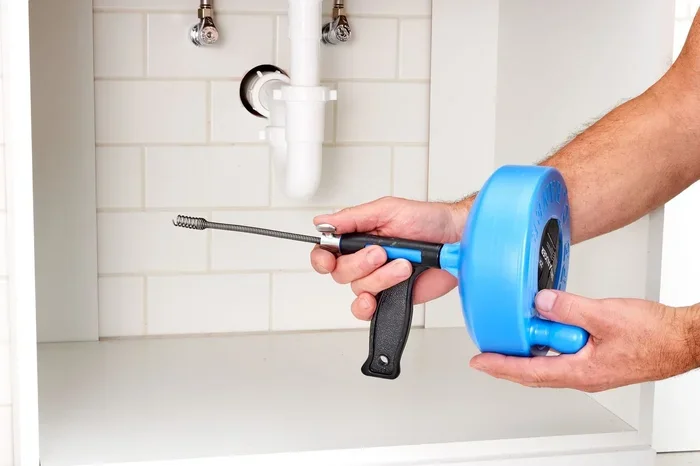
Snaking a kitchen drain is a simple DIY task that can save you hundreds of dollars in plumber fees. This guide walks you through everything you need to know about how to snake a kitchen drain, from choosing the right tool to preventing future clogs. With just a few basic supplies and a little patience, you can tackle most kitchen drain blockages in under 30 minutes.
Key Takeaways
- You can save hundreds of dollars by learning how to snake a kitchen drain yourself instead of calling a plumber.
- A drain auger or plumbing snake is the most effective tool for breaking up stubborn kitchen clogs.
- Prevention is key – avoid pouring grease, food scraps, and oil down your drain to keep water flowing freely.
- Follow each step carefully when snaking a drain to avoid damaging your pipes or making the clog worse.
- Know when to call a professional if the clog persists after multiple attempts or if you suspect a deeper plumbing issue.
- Regular drain maintenance with hot water and baking soda can prevent buildup before it becomes a serious blockage.
📑 Table of Contents
- How to Snake a Kitchen Drain and Take Control of Your Plumbing
- What Is a Drain Snake and Why Does It Work
- Tools and Supplies You Will Need
- Step-by-Step Guide to Snake a Kitchen Drain
- Common Kitchen Drain Clogs and How to Prevent Them
- Common Mistakes to Avoid When Snaking a Kitchen Drain
- Expert Insights for Better Drain Cleaning Results
- Quick Tips for Keeping Your Kitchen Drain Clear
- When Should You Call a Professional Plumber
- Conclusion
How to Snake a Kitchen Drain and Take Control of Your Plumbing
There is nothing more frustrating than standing at your kitchen sink watching water pool up instead of draining away. A clogged kitchen drain can bring your entire cooking routine to a halt. Whether it is leftover food particles, grease buildup, or a mysterious blockage, the problem always seems to strike at the worst possible moment.
The good news is that snaking a kitchen drain is one of the most effective ways to clear a stubborn clog without spending a fortune on a plumber. A drain auger can reach deep into your pipes and break apart blockages that a simple plunger cannot touch. In this guide, we will walk you through every step of the process so you can fix the problem yourself and get back to cooking.
You do not need years of plumbing experience to tackle this job. With the right tools, a little patience, and the instructions below, most homeowners can clear a kitchen drain clog in under 30 minutes. Let us get started.
What Is a Drain Snake and Why Does It Work
A drain snake, also called a plumbing snake or drain auger, is a flexible metal cable designed to travel through your pipes and break up or retrieve blockages. Think of it as a long, thin tool that can reach deep into your kitchen plumbing where other methods fail.
When you snake a drain, the cable feeds through the pipe until it hits the clog. The rotating head on the end either breaks the blockage apart or hooks onto it so you can pull it out. This makes drain snakes incredibly effective for drain cleaning tasks that plungers and chemical cleaners cannot handle.
There are two main types of drain snakes. The first is a hand-crank auger, which is compact and perfect for kitchen sinks. The second is a motorized drain snake, which provides more power for tough blockages. For most home DIY plumbing jobs, a hand-crank auger is all you need.
Tools and Supplies You Will Need
Before you start snaking a kitchen drain, make sure you have the right tools on hand. Having everything ready will save you time and frustration.
Here is a list of what you need:
- A hand-crank drain auger (also called a plumbing snake)
- Rubber gloves to protect your hands
- A bucket or towel to catch water and debris
- A pair of pliers for extra grip
- Baking soda and white vinegar for post-cleaning maintenance
- Hot water for flushing the pipes afterward
Comparison: Types of Drain Snakes for Kitchen Clogs
| Type | Best For | Price Range | Ease of Use |
|---|---|---|---|
| Hand-Crank Auger | Light to moderate kitchen clogs | $15 – $40 | Very easy |
| Motorized Drain Snake | Stubborn or deep blockages | $50 – $200 | Moderate |
| Zip-It Tool | Hair and small debris near the surface | $3 – $10 | Very easy |
| Wire Coat Hanger | Quick temporary fix for minor clogs | Free | Easy but risky |
For most homeowners, a basic hand-crank auger is the best choice. It is affordable, easy to store, and handles the vast majority of sink blockages effectively. You can find one at any hardware store or online for under $40.
Step-by-Step Guide to Snake a Kitchen Drain
Now that you have your tools ready, let us walk through the actual process of how to snake a kitchen drain. Follow each step carefully for the best results.
Step 1: Remove the Drain Cover or Stopper
Start by removing the drain cover or stopper from your kitchen sink. Most covers twist off by hand, but some may need a flathead screwdriver. Set the cover aside in a safe place so you do not lose any small parts.
This step gives you direct access to the drain opening. It also lets you check for any visible debris sitting right at the top of the pipe. Sometimes a large piece of food or a small object is all that is causing the water flow problem, and you can remove it without even using the snake.
Step 2: Prepare the Area
Place your bucket underneath the drain pipe if possible. Lay down towels around the base of the sink to catch any water that spills out during the process. Put on your rubber gloves to keep your hands clean and protected.
These simple prep steps might seem optional, but they make a big difference. Nobody wants to mop up dirty water from under the sink after a long day of work.
Step 3: Feed the Snake Into the Drain
Now it is time to use the drain auger. Insert the cable into the drain opening and start turning the hand crank slowly. Feed the cable down into the pipe gently. Do not force it. Let the rotating head do the work as it moves deeper into the kitchen plumbing.
You will feel resistance when the cable hits the clog. This is the moment you have been waiting for. Keep cranking slowly and steadily. The rotating blade or hook at the end of the cable will start to break apart the grease clog or hook onto the debris causing the pipe buildup.
Step 4: Break Up or Retrieve the Blockage
Once you feel the snake has reached the clog, continue turning the crank while applying gentle pressure. You should feel the blockage start to give way. If the snake has a cutting head, it will shred the material blocking your drain cleaning path.
If the snake has a retrieval head, you may feel it hook onto something. Slowly pull the cable back out and check what you have retrieved. It might be a clump of food, a piece of grease, or even a small utensil that fell down the drain.
Step 5: Flush the Drain with Hot Water
After you have cleared the blockage, run hot water down the drain for at least two minutes. This flushes out any remaining debris and helps dissolve residual grease clinging to the pipe walls.
For an extra thorough drain maintenance routine, pour half a cup of baking soda followed by half a cup of white vinegar down the drain. Let it sit for 15 minutes, then flush with hot water. This natural pipe cleaner combination keeps your pipes fresh and helps prevent future kitchen clogs.
Step 6: Test the Drain
Run water from the faucet and watch how it flows. If the water drains quickly and smoothly, you have successfully snaked your kitchen drain. If the water still drains slowly, you may need to repeat the process or try a different approach.
Do not worry if the first attempt does not completely clear the clog. Sometimes a stubborn plumbing snake needs a second pass to fully break through a dense blockage. Just be patient and gentle with your pipes.
Common Kitchen Drain Clogs and How to Prevent Them
Understanding what causes kitchen drain clogs is the first step toward preventing them. Most sink blockages happen because of everyday kitchen habits that we do not even think twice about.
Grease and cooking oil are the number one culprits. When you pour hot grease down the drain, it cools and solidifies inside your pipes. Over time, this creates a thick layer of pipe buildup that restricts water flow and catches other debris. Instead of pouring grease down the drain, let it cool in a container and throw it in the trash.
Food scraps are another major cause of kitchen drain clogs. Even with a garbage disposal, certain foods can cause problems. Items like potato peels, rice, pasta, and eggshells can accumulate and create stubborn blockages. The same goes for fibrous vegetables like celery and onion skins, which can wrap around the disposal blades and cause a drain blockage.
Many people do not realize that even healthy foods can contribute to clogs. For example, if you have ever prepared a Greek Salad In A Jar for meal prep, you know how much vegetable oil and small food particles can end up going down the drain during cleanup. Those tiny bits of oil and vegetable scraps may seem harmless, but they accumulate over time and create serious plumbing problems.
Similarly, sugary or starchy treats can leave sticky residue inside your pipes. Even something as simple as a Frozen Watermelon On A Stick can leave behind sugary juice and fruit fibers that cling to pipe walls and attract other debris. Being mindful of what goes down your drain, even during casual snack cleanup, makes a real difference in your drain maintenance routine.
Here are the most common causes of kitchen drain clogs:
- Grease, oil, and fat poured down the drain
- Food scraps and particles that accumulate over time
- Coffee grounds that expand inside pipes
- Eggshell fragments that create a gritty layer
- Fruit pits and seeds that get stuck in the P-trap
- Hair and soap scum buildup near the drain opening
Preventing these clogs starts with simple habits. Use a drain strainer to catch food particles before they enter your pipes. Wipe greasy pans with a paper towel before washing them. Run hot water after every use to help dissolve residual fats. These small actions go a long way toward keeping your kitchen plumbing clear and free-flowing.
Common Mistakes to Avoid When Snaking a Kitchen Drain
Even with the right tools, there are some mistakes that can turn a simple drain cleaning job into a bigger problem. Here are the most common errors people make when they try to snake a drain on their own.
Forcing the cable too aggressively. When you push the auger too hard, you can scratch or dent the inside of your pipes. This creates rough spots where debris can later accumulate and cause even worse clogs. Always use gentle, steady pressure and let the rotating head do the work.
Skipping the P-trap inspection. The P-trap is the curved pipe section directly under your sink. Many clogs form right in this area and can often be cleared without even using the snake. Before you start feeding cable down your pipes, check whether the P-trap can be unscrewed and cleaned out by hand. This simple step can save you a lot of effort.
Using the wrong type of snake. A small hand-crank auger works great for kitchen sinks. Using a large sewer snake designed for main lines can damage your smaller kitchen pipes. Make sure you choose a tool that is appropriate for the size of your drain and the severity of the sink blockage.
Ignoring the problem. Some homeowners try to work around a slow drain for weeks before taking action. By that time, the clog has worsened and may require professional help. Address drain clogs as soon as you notice slow water flow for the best results.
Expert Insights for Better Drain Cleaning Results
Experienced plumbers share a few tips that can make your DIY plumbing efforts much more effective. These insights come from years of professional practice and can help you get better results when you snake a kitchen drain at home.
Start with hot water before snaking. Running hot water for a minute before you insert the auger helps soften grease and loosen debris. This makes it easier for the snake to break through the clog and clear the pipe more effectively.
Use a back-and-forth motion. Instead of just pushing the cable forward and pulling it back, try a gentle rocking motion. This helps the rotating head catch on different sides of the blockage and break it apart more thoroughly. It is a technique that professional plumbing snake users swear by.
Clean the snake after each use. After you have cleared the clog, wipe down the cable with a rag or old towel. This removes grease, food particles, and bacteria that can cause odors or spread to other areas of your kitchen plumbing. A clean auger also lasts longer and works better over time.
Combine snaking with enzymatic cleaners. After you have physically removed the blockage, an enzymatic drain cleaner can help break down any remaining buildup on the pipe walls. Unlike chemical cleaners, enzymatic products use natural bacteria to digest organic matter safely. This is a great way to maintain healthy pipes and prevent future clogs.
Quick Tips for Keeping Your Kitchen Drain Clear
Once you have successfully cleared your clog, the last thing you want is for the problem to come back. These quick tips will help you maintain a clear drain and avoid future plumbing issues.
- Run hot water after every use to dissolve grease and flush away small particles
- Use a drain strainer to catch food scraps before they enter the pipes
- Pour baking soda and vinegar down the drain once a week for natural maintenance
- Never pour grease or oil down the drain – store it in a container and dispose of it in the trash
- Grind citrus peels in your garbage disposal to freshen the drain and break down buildup
- Run cold water with the garbage disposal to solidify grease so it can be flushed away more easily
- Schedule monthly drain maintenance to catch small clogs before they become big problems
Consistency is the key to good drain maintenance. Taking just five minutes a week to care for your kitchen drain can save you hours of frustration and hundreds of dollars in plumbing bills over the years.
When Should You Call a Professional Plumber
There is no shame in calling a plumber. Sometimes a kitchen drain clog is simply too deep or too complex for a home drain auger to handle. Knowing when to call for professional help saves you time, prevents pipe damage, and ensures the problem is fixed properly.
You should call a plumber if the clog does not clear after two or three attempts with the snake. If water is backing up into other drains in your kitchen, this could indicate a serious blockage in your main sewer line. If you notice a persistent foul odor coming from the drain even after clearing it, there may be a deeper issue like a damaged pipe or a sewer vent blockage.
Also, if you have older plumbing with galvanized steel or cast iron pipes, be extra cautious when using a drain snake. These older pipe materials can be more fragile, and aggressive snaking could cause cracks or breaks. A professional plumber has the right tools and expertise to handle delicate plumbing systems safely.
Conclusion
Snaking a kitchen drain is one of the most useful skills a homeowner can learn. It saves money, builds confidence, and keeps your kitchen plumbing running smoothly. With the right drain auger and a little patience, you can clear most clogs in under half an hour and avoid the hassle and expense of calling a plumber.
Remember to take preventive steps like using drain strainers, avoiding grease disposal, and performing regular drain maintenance. These habits will keep your pipes clear and your water flow strong for years to come. The next time your kitchen sink slows down, you will know exactly what to do. Grab your plumbing snake, follow the steps in this guide, and take control of your drain cleaning today.
Frequently Asked Questions
How long does it take to snake a kitchen drain?
Most kitchen drain clogs can be cleared in 15 to 30 minutes using a hand-crank auger. The time depends on how deep the clog is and how stubborn the blockage is. Simple surface clogs may take only a few minutes, while deeper blockages might require a second pass with the snake.
Can I use a drain snake on a garbage disposal?
Yes, you can use a drain snake with a garbage disposal, but you must first turn off and unplug the unit for safety. Insert the snake carefully through the disposal opening and avoid forcing the cable into the blades. A gentle approach works best when dealing with garbage disposal clogs.
Is it better to use a drain snake or chemical cleaner?
A drain snake is generally safer and more effective than chemical cleaners for most kitchen clogs. Chemical cleaners can damage older pipes and do not always reach the full extent of the blockage. A drain auger physically removes the clog, providing a more thorough and longer-lasting solution.
How often should I snake my kitchen drain?
Most homeowners only need to snake their kitchen drain when a clog occurs. However, if you frequently deal with slow drains, performing maintenance snaking once every few months can help prevent buildup. Regular drain maintenance with hot water and baking soda is usually enough to keep things flowing between uses.
What is the difference between a drain snake and a plumbing auger?
The terms are often used interchangeably, but there is a subtle difference. A drain snake is typically a shorter, flexible cable designed for smaller pipes like kitchen sinks. A plumbing auger can refer to both small and large versions, including longer cables for main sewer lines. For kitchen use, a hand-crank drain auger is the right choice.
Can snaking a drain damage my pipes?
When done correctly, snaking a drain should not damage your pipes. The key is to use gentle pressure and let the rotating head do the work. Forcing the cable too aggressively or using the wrong type of snake can scratch or dent pipes, especially older galvanized or cast iron plumbing. Always match your tool to the size and material of your pipes.

