
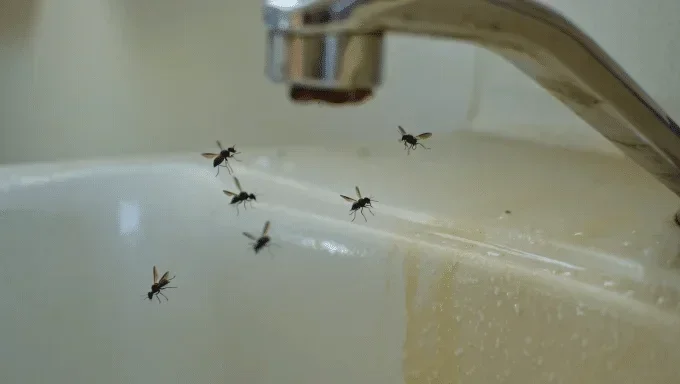
Gnats invade kitchens because of overripe fruit, moist soil, drains, and food debris that create the perfect breeding environment. Understanding what attracts these tiny pests is the first step toward effective gnat control. This guide reveals the top causes and the simplest solutions to eliminate gnats in your kitchen for good.
Key Takeaways
- Overripe and uncovered fruit is the #1 attractant drawing gnats into your kitchen.
- Drains, garbage disposals, and moist areas create ideal breeding grounds for gnats.
- A simple vinegar trap is one of the most effective homemade gnat traps.
- Proper food storage and kitchen hygiene can prevent future gnat infestations.
- Houseplants with moist soil often harbor gnat larvae beneath the surface.
- Sticky traps and consistent cleaning routines help break the gnat life cycle.
- Small flying insects like gnats can signal a larger sanitation issue in your kitchen.
📑 Table of Contents
- Why Are There So Many Gnats in My Kitchen Right Now?
- What Attracts Gnats to Your Kitchen?
- Common Kitchen Gnat Sources You Might Be Missing
- How to Get Rid of Gnats in Your Kitchen Fast
- Prevention Tips to Keep Gnats Away for Good
- When to Call a Professional for Gnat Control
- Common Mistakes People Make When Fighting Gnats
- Key Takeaways
- Conclusion
Why Are There So Many Gnats in My Kitchen Right Now?
You just finished wiping down your counters. You took out the trash. And yet, there they are. Tiny, buzzing, incredibly annoying gnats hovering around your fruit bowl and your sink. It is enough to make anyone wonder what they did to deserve this. The truth is, gnats are opportunistic little creatures. They find the tiniest openings and the smallest food sources, and suddenly your kitchen becomes their home.
If you are dealing with a gnat infestation right now, you are not alone. Kitchen gnats are one of the most common household pest problems. They show up in every season but peak during warm months when fruit ripens faster and drains stay moist. The good news is that understanding why they are there is the first step toward getting rid of them. This guide breaks down every reason gnats love your kitchen and gives you practical solutions that actually work.
What Exactly Are Gnats?
Before we dive into the causes, let us talk about what gnats actually are. Gnats are small flying insects, usually dark-colored and barely bigger than a pinhead. They are not flies in the traditional sense, but they belong to the same family. Common kitchen gnats include fruit flies, drain flies, and fungus gnats. Each type has slightly different habits, but they all share one thing in common. They are drawn to moisture, decay, and fermenting organic matter.
Fruit flies are the ones you see buzzing around your overripe banana or that half-eaten apple. Drain flies hang out near your sink and garbage disposal. Fungus gnats tend to come from your houseplants. Knowing which type you are dealing with helps you target the source more effectively. All three can turn a pleasant cooking experience into a frustrating battle with tiny flying pests.
What Attracts Gnats to Your Kitchen?
Gnats do not just appear out of thin air. They are drawn in by specific conditions that your kitchen almost certainly provides. Let us look at the main attractants so you can see exactly what is inviting them in.
Overripe and Unwashed Fruit
This is the number one reason gnats show up in kitchens. When fruit starts to ripen past its prime, it releases natural sugars and fermentation gases. To a tiny gnat, a bruised peach or a forgotten banana is a five-star restaurant. A fruit bowl full of aging produce is basically a neon sign that says “free meal” for these pests.
Even unwashed fruit can be a problem. Residue from the orchard or grocery store attracts gnats before you even bring it home. If you have ever noticed gnats swarming around your counter after you bought a bunch of grapes, this is exactly why. The same principle applies when you leave out ingredients for a recipe like a Greek Salad In A Jar, where fresh vegetables and vinegar-based dressings sit uncovered and create an irresistible scent trail for gnats.
Moisture and Standing Water
Gnats need moisture to survive and breed. Your kitchen has plenty of potential water sources. The sink drain, the garbage disposal, wet sponges, dripping faucets, and even the condensation under your refrigerator all create humid micro-environments. Standing water in a clogged dish rack or a forgotten wet rag is all it takes for gnats to lay eggs.
Drain flies, in particular, thrive in the slimy buildup inside your pipes. They lay eggs in the organic matter coating your drain walls. Every time you run water, it does not always wash that buildup away completely. Over time, this creates a self-sustaining gnat breeding ground right inside your plumbing.
Food Debris and Poor Kitchen Hygiene
Tiny crumbs, spilled juices, and unwashed dishes create a buffet for gnats. Even the smallest food particle can attract them. If you leave dirty dishes in the sink overnight, you are essentially setting out a welcome mat. Food residue inside your garbage disposal is another major culprit. The combination of moisture and decaying food scraps makes it a perfect nursery for gnat larvae.
Countertops that are not wiped down regularly collect invisible sticky spots from fruit juice, wine, or syrup. These traces are enough to draw gnats from surprising distances. A recipe like Eggs In Purgatory involves tomato sauce and egg juices that can splatter and leave behind residues that attract these small flying insects if not cleaned promptly.
Houseplants and Moist Soil
Indoor plants bring life to your kitchen, but they can also bring gnats. The moist soil in potted plants is a favorite breeding spot for fungus gnats. The larvae feed on organic matter in the soil and tiny root hairs. Overwatered plants make the problem even worse because the consistently damp soil never dries out enough to disrupt the gnat life cycle.
If you notice tiny black gnats flying up every time you water your plants, the soil is likely the source. This is one of the most overlooked causes of kitchen gnat problems. People often do not connect their beloved pothos or herb garden to the swarm of gnats hovering above the counter.
Common Kitchen Gnat Sources You Might Be Missing
Sometimes the source of a gnat infestation is not obvious. Here are some hidden spots where gnats love to hide and breed.
Your Trash Can and Recycling Bin
Your kitchen trash can is a gnat paradise. Food scraps, spoiled produce, and liquid residue at the bottom of the bin create a smell and environment that gnats cannot resist. Even recycling bins with unwashed bottles and cans carry traces of food and sugar that attract them. If your trash can does not have a tight-fitting lid, it is basically an open invitation.
The Compost Bin
If you keep a compost bin in or near your kitchen, it is a gnat magnet. Decomposing organic matter produces heat and moisture, both of which gnats need to reproduce. A compost bin without a secure lid or one that is too wet will generate a steady supply of gnats that migrate into your kitchen.
Sponges and Cleaning Cloths
Wet sponges and damp dishcloths are breeding grounds for gnats and other bacteria. They stay moist, they collect food particles, and they are often left in dark, warm spots like under the sink or in a caddy. Replacing sponges regularly and washing cloths on a hot cycle helps eliminate this hidden gnat source.
Pet Food Bowls
If you have pets and feed them in the kitchen, leftover wet pet food can attract gnats quickly. Even dry kibble that gets stale and crumbly can draw fruit flies and other small insects. Keeping pet bowls clean and storing pet food in sealed containers makes a big difference.
How to Get Rid of Gnats in Your Kitchen Fast
Once you know what is attracting gnats, you can take action. Here are the most effective methods to eliminate them and stop them from coming back.
Make a Simple Vinegar Trap
A vinegar trap is the most popular and effective homemade gnat trap. You need apple cider vinegar, a few drops of dish soap, and a small jar or bowl. Pour the vinegar into the container, add a drop of dish soap, and leave it uncovered on your counter. The vinegar attracts the gnats, and the soap breaks the surface tension so they cannot escape. Within 24 hours, you will see dozens of gnats trapped inside.
You can also use a piece of ripe fruit instead of vinegar. Place a chunk of overripe banana in a jar, cover the top with plastic wrap, and poke small holes in it. The gnats will fly in but struggle to get out. This simple gnat trap works surprisingly well for light to moderate infestations.
Clean Your Drains Thoroughly
Since drain flies breed inside your pipes, a surface cleaning will not cut it. Pour boiling water down your kitchen drain once a day for a week. Follow this with a mixture of baking soda and white vinegar, let it sit for 15 minutes, then flush with hot water again. This breaks down the organic buildup where gnat larvae live.
For a more thorough approach, use a drain brush to physically clean the inside of your drain opening. You can also use enzyme-based drain cleaners that eat away at organic matter without damaging your pipes. Regular drain cleaning is one of the best long-term gnat control strategies.
Store Fruit Properly
Move all fruit into the refrigerator, especially during peak gnat season. Keep your fruit bowl empty or use it only for fruit you plan to eat within a day. Wash all produce thoroughly as soon as you bring it home. Dispose of any bruised or overripe fruit immediately in a sealed bag. This single change can dramatically reduce the number of gnats in your kitchen.
Use Sticky Traps
Yellow sticky traps are inexpensive and highly effective for catching adult gnats. Place them near your fruit bowl, under the sink, and near your houseplants. The bright yellow color attracts gnats, and the sticky surface traps them. These are especially useful for monitoring the severity of your gnat infestation and catching gnats before they reproduce.
Address Houseplant Soil
Let your plant soil dry out between waterings. This disrupts the gnat life cycle by depriving larvae of the moisture they need. You can also add a thin layer of sand or diatomaceous earth on top of the soil to prevent adult gnats from laying eggs. For severe infestations, consider repotting your plants with fresh, sterile soil.
Prevention Tips to Keep Gnats Away for Good
Getting rid of gnats is only half the battle. Preventing them from coming back requires consistent habits. Here are the best kitchen gnat prevention strategies.
Maintain Kitchen Hygiene Daily
Wipe down counters every night before bed. Do not leave dirty dishes in the sink overnight. Take out the trash regularly, especially if it contains food scraps. Sweep and mop floors to remove crumbs and spills. These basic habits go a long way toward keeping your kitchen gnat-free.
Fix Leaks and Reduce Moisture
Check under your sink for leaks and drips. Wipe up any standing water immediately. Use a fan or open a window when cooking to reduce humidity. A dry kitchen is an unattractive kitchen for gnats. Moisture control is one of the most underrated aspects of gnat prevention.
Seal Entry Points
Gnats can enter through window screens, gaps around doors, and even tiny openings around pipes. Check your window screens for holes and repair them promptly. Install door sweeps if you do not have them already. Keeping windows closed during peak gnat seasons also helps reduce the number of gnats that get inside.
Clean the Garbage Disposal Regularly
Run cold water and grind ice cubes and coarse salt through your disposal once a week. This cleans the blades and scrapes away buildup. You can also grind lemon peels to freshen the drain and reduce odors that attract gnats. A clean disposal is a major step toward effective gnat control.
When to Call a Professional for Gnat Control
Most gnat problems can be solved with DIY methods and good kitchen hygiene. However, if you have tried everything and gnats keep coming back, it might be time to call a pest control professional. A persistent gnat infestation could indicate a hidden moisture problem, a damaged pipe, or a ventilation issue that is creating ideal breeding conditions.
Professionals can identify the root cause and apply targeted treatments that go beyond surface-level solutions. This is especially true if you are dealing with a gnat infestation that has spread beyond the kitchen into other areas of your home. Early intervention saves money and prevents the problem from getting worse.
Common Mistakes People Make When Fighting Gnats
Avoid these common pitfalls that make gnat problems worse instead of better.
- Ignoring the source. Killing the gnats you see does not solve the problem if the breeding ground is still there. Always find and eliminate the source first.
- Using too much chemical spray. Bug sprays can make your kitchen unsafe for food preparation. Stick to natural and targeted methods like vinegar traps and sticky traps.
- Overwatering houseplants. This creates the perfect environment for fungus gnat larvae. Let soil dry out between waterings.
- Not cleaning the garbage disposal. Many people forget this hidden gnat source. Regular cleaning is essential for gnat prevention.
- Leaving fruit out in the open. Even a single piece of overripe fruit can sustain a gnat population. Store fruit in the refrigerator when possible.
Key Takeaways
- Overripe fruit, moist drains, and food debris are the top three attractants drawing gnats into your kitchen.
- A simple apple cider vinegar trap can catch dozens of gnats within hours.
- Regular drain cleaning and garbage disposal maintenance break the gnat breeding cycle.
- Storing produce in the refrigerator and wiping counters daily are the best prevention habits.
- Houseplants with consistently moist soil often harbor gnat larvae and should be monitored closely.
- Sticky traps help you monitor gnat activity and catch adults before they multiply.
- Persistent infestations may require professional pest control to address hidden moisture or structural issues.
Conclusion
Dealing with gnats in your kitchen is frustrating, but it is also completely solvable. Once you identify what is attracting them, you can take targeted action to eliminate the problem at its source. Whether it is overripe fruit on the counter, a dirty drain, or overwatered houseplants, the solution starts with understanding why gnats chose your kitchen in the first place.
Consistent kitchen hygiene is your best long-term defense. Store food properly, clean up spills immediately, maintain your drains, and keep your counters free of food debris. A few simple habits make a massive difference in preventing future gnat infestations. The next time you see a tiny gnat buzzing around, you will know exactly where to look and what to do. Take action today, and your kitchen will be gnat-free in no time.
Frequently Asked Questions
Why do gnats keep coming back to my kitchen even after I clean?
Gnats can return if the breeding source is not fully eliminated. Eggs and larvae can hide in drain buildup, moist soil, or small food residues that are easy to miss. Make sure you deep clean your drains, store all produce properly, and check for hidden moisture sources like leaky pipes or damp sponges.
Are gnats in the kitchen harmful to your health?
Gnats are generally not dangerous, but they can carry bacteria from unsanitary surfaces to your food and counters. They are more of a nuisance than a health threat, but a large gnat infestation near food preparation areas is not something to ignore. Maintaining good kitchen hygiene reduces any risk.
How long does it take to get rid of gnats in the kitchen?
With consistent effort, you can see a significant reduction within a few days. Vinegar traps and thorough cleaning should show results within 24 to 48 hours. However, breaking the full gnat life cycle takes about one to two weeks since eggs and larvae can survive initial treatments.
Can fruit flies and gnats be treated the same way?
Yes, fruit flies are a type of gnat and respond to the same control methods. Vinegar traps, proper food storage, and drain cleaning work for both. The key difference is the primary attractant, but the solutions overlap significantly for effective gnat control.
Do gnats only come out at night?
No, gnats are active during the day as well. They are most visible in the evening and near light sources, but you can spot them buzzing around your fruit bowl or sink at any time. Their activity increases in warm, humid conditions regardless of the time of day.
What is the best homemade gnat trap?
The apple cider vinegar trap is the most popular and effective DIY solution. Simply pour vinegar into a jar, add a drop of dish soap, and leave it uncovered. The gnats are attracted to the vinegar, and the soap prevents them from escaping. This simple gnat trap works remarkably well for most kitchen infestations.

