
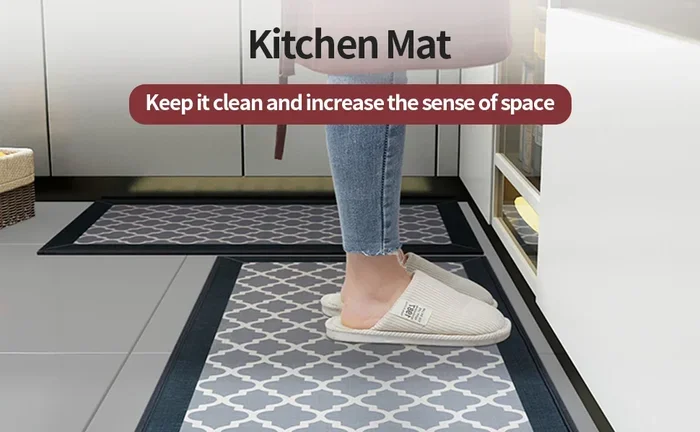
A kitchen sink floor mat is a simple yet powerful tool that keeps your kitchen floor dry, clean, and safe. It catches water splashes, prevents slips, and reduces fatigue while you wash dishes. This guide covers everything you need to know about choosing, using, and maintaining the right mat for your space.
A wet kitchen floor is one of the most common household hazards. Water splashes from the sink, drips from wet dishes, and pools around the base of the faucet. Over time, this moisture can damage your flooring, create slippery surfaces, and even lead to mold growth. A kitchen sink floor mat solves all of these problems in one simple, affordable solution.
If you have ever slipped on a wet kitchen floor or spent hours scrubbing water stains, you know how frustrating this issue can be. A good mat placed right in front of the sink changes everything. It catches drips, absorbs splashes, and creates a dry, safe standing area. Whether your kitchen has tile, hardwood, or laminate flooring, the right mat protects your floors and your feet.
In this guide, we will walk you through everything you need to know about kitchen sink floor mats. We will cover the different types available, how to choose the best one, the benefits you will enjoy, and how to keep your mat clean. By the end, you will have all the knowledge you need to make a smart choice for your kitchen.
Key Takeaways
- A kitchen sink floor mat prevents water damage and slip hazards in your kitchen.
- There are several types of mats available, including rubber, microfiber, and drainage mats.
- Choosing the right size, material, and thickness matters for comfort and durability.
- Regular cleaning keeps your mat hygienic and extends its lifespan significantly.
- Using a mat under the sink can also reduce noise and protect your flooring.
- Anti-fatigue mats are especially helpful if you stand at the sink for long periods.
- Avoiding common mistakes like wrong sizing and poor placement ensures the best results.
📑 Table of Contents
- Why a Kitchen Sink Floor Mat Matters
- Types of Kitchen Sink Floor Mats
- How to Choose the Right Kitchen Sink Floor Mat
- Benefits of Using a Kitchen Sink Floor Mat
- How to Clean and Maintain Your Kitchen Sink Floor Mat
- Common Mistakes to Avoid with Kitchen Sink Floor Mats
- Expert Tips for Getting the Most Out of Your Kitchen Sink Floor Mat
- Frequently Asked Questions
- Conclusion
Why a Kitchen Sink Floor Mat Matters
Many people overlook the importance of a mat near the sink. They think it is a small luxury. But once you start using one, you will wonder how you ever managed without it. Here is why a sink floor mat is a must-have in any kitchen.
It Protects Your Flooring
Water is the enemy of most flooring materials. Hardwood floors warp when exposed to moisture. Laminate flooring swells at the edges. Tile grout can stain and deteriorate. A kitchen mat placed under the sink acts as a barrier. It absorbs standing water before it can reach your floor surface. This simple step can save you hundreds of dollars in floor repairs over the years.
It Prevents Slips and Falls
Slipping on a wet kitchen floor is no joke. According to home safety organizations, kitchen falls are one of the leading causes of household injuries. A non-slip kitchen sink floor mat provides traction on wet surfaces. It grips the floor underneath and keeps you stable while you wash dishes, rinse vegetables, or clean up spills. This is especially important in homes with children or elderly family members.
It Reduces Fatigue
If you spend a lot of time standing at your kitchen sink, you already know how tiring it can be. Cooking, washing, and cleaning involve long periods on your feet. An anti-fatigue kitchen sink floor mat cushions your joints and reduces strain on your back, knees, and legs. It makes a noticeable difference, especially during busy cooking sessions or holiday meal prep.
Types of Kitchen Sink Floor Mats
Not all sink area mats are the same. Different materials and designs serve different purposes. Understanding your options helps you pick the best one for your needs.
Rubber Sink Mats
Rubber mats are the most popular choice for kitchen sink areas. They are durable, water-resistant, and easy to clean. Most rubber kitchen floor mats have a textured surface that provides excellent grip. They come in various sizes and colors to match your kitchen decor. Rubber mats also resist mold and mildew, making them a hygienic option for wet areas.
Microfiber and Cotton Mats
If you prefer a softer feel underfoot, microfiber or cotton mats are a great option. These absorbent kitchen mats soak up water quickly and dry fast. They feel comfortable and look stylish. However, they may need more frequent washing than rubber options. They work best in kitchens where water exposure is moderate rather than constant.
Drainage Mats with Holes
Drainage mats have small holes or channels that let water flow through to the floor below. They are ideal for areas where standing water is a persistent problem. A drainage sink mat prevents water from pooling on the surface. Instead, it directs moisture away efficiently. These mats are especially useful in kitchens with poor drainage or in areas prone to flooding.
Anti-Fatigue Foam Mats
Foam mats are designed specifically for comfort. They are thicker than standard mats and provide cushioning for your feet and joints. An anti-fatigue foam mat is perfect if you stand at the sink for cooking, dishwashing, or food prep. They are lightweight and easy to move, but they may wear out faster than rubber options in high-moisture environments.
Bamboo and Natural Fiber Mats
For eco-conscious homeowners, bamboo and natural fiber mats offer a sustainable option. These natural kitchen rugs are biodegradable and often handcrafted. They add a warm, organic look to the kitchen. However, they may not be as water-resistant as rubber or synthetic options. They work well in kitchens where the sink area stays relatively dry.
How to Choose the Right Kitchen Sink Floor Mat
Choosing the right mat might seem simple, but a few key factors make a big difference. Let us walk through what to consider before you buy.
Size and Shape
Measure the area in front of your sink before shopping. The mat should cover the main splash zone. Most sink floor rugs range from 12×18 inches to 24×36 inches. A mat that is too small will not catch all the water. A mat that is too large might become a tripping hazard. Rectangular mats fit most sink configurations, but round options work well for corner sinks.
Material and Durability
The material determines how long your mat lasts and how well it performs. Rubber kitchen sink mats are the most durable and water-resistant. They handle heavy use and frequent washing without breaking down. Cotton and microfiber mats are comfortable but may wear out faster. Consider how often you use your sink and choose a material that matches your lifestyle.
Non-Slip Backing
A mat is only effective if it stays in place. Look for non-slip backing on any mat you choose. This prevents the mat from sliding around when you step on it. Some mats have rubber grips on the bottom, while others use suction cups. Suction cup mats work well on smooth tile floors but may not grip hardwood as effectively.
Ease of Cleaning
Kitchen mats get dirty quickly. Food particles, soap residue, and water stains build up fast. Choose a mat that is easy to clean. Most rubber mats can be rinsed with a hose or wiped down with a cloth. Cotton and microfiber mats should be machine washable. A washable kitchen sink mat saves you time and keeps your mat hygienic.
Style and Color
Your kitchen mat does not have to be boring. Today’s kitchen sink rugs come in a wide range of colors, patterns, and designs. You can find mats that match your kitchen tiles, cabinets, or countertops. Some mats even feature fun patterns or motivational quotes. Choosing a style you love makes you more likely to use it every day.
Benefits of Using a Kitchen Sink Floor Mat
The advantages of placing a mat in front of your sink go far beyond just catching water. Here are the key benefits you will notice right away.
Keeps Floors Dry and Clean
The most obvious benefit is a drier floor. A kitchen sink floor mat catches water drips and splash before they reach your flooring. This means less mopping, fewer water stains, and a cleaner kitchen overall. Your floors stay looking great for longer.
Improves Kitchen Safety
Wet floors are dangerous. A mat with a non-slip kitchen mat base reduces the risk of slipping and falling. This is especially important in households with young children, older adults, or anyone with mobility concerns. Safety is one of the most overlooked benefits of using a sink mat.
Extends the Life of Your Flooring
Water damage is one of the leading causes of floor deterioration. By absorbing moisture, a sink area rug protects your investment in your flooring. Whether you have expensive hardwood or budget-friendly laminate, a mat adds a layer of protection that pays for itself over time.
Reduces Noise
Dropping dishes on hard floors creates loud, jarring sounds. A mat cushions the impact and absorbs some of the noise. This is a small but meaningful benefit, especially in open-concept kitchens where sound travels easily.
Adds a Decorative Touch
A well-chosen mat can tie your kitchen together visually. It adds color, texture, and personality to the space. A kitchen rug for sink area can serve as a small design statement without requiring a major renovation.
How to Clean and Maintain Your Kitchen Sink Floor Mat
A mat only works well if you take care of it. Regular maintenance keeps it hygienic, fresh, and effective. Here is how to keep your kitchen cleaning mat in top shape.
Daily Maintenance
Shake out your mat or rinse it under running water every few days. This removes loose dirt, food particles, and soap residue. If your mat is machine washable, toss it in the laundry once a week. For rubber mats, a quick wipe with a damp cloth is usually enough. Keeping up with daily cleaning prevents buildup and odors.
Deep Cleaning
Once a month, give your mat a thorough cleaning. For rubber mats, soak them in a mixture of warm water and mild dish soap. Scrub gently with a soft brush to remove stubborn stains. For fabric mats, follow the care label instructions for machine washing. Avoid harsh chemicals that can degrade the material or leave residue that makes the mat slippery.
Drying Your Mat
Proper drying prevents mold and mildew growth. After washing, hang your mat over a railing or lay it flat in a sunny spot. Do not roll it up while wet. A dry kitchen sink floor mat stays fresh longer and performs better. If you are short on space, use a fan or place the mat near a vent to speed up drying.
Replacing Your Mat
Even with good care, mats wear out over time. Replace your mat when you notice cracks, tears, or a loss of grip. A worn-out mat can actually become a safety hazard if it no longer lies flat. Most quality kitchen sink mats last between one and three years with regular use and proper care.
Common Mistakes to Avoid with Kitchen Sink Floor Mats
Even a simple product like a sink mat can cause problems if used incorrectly. Here are common mistakes to watch out for.
Choosing the Wrong Size
A mat that is too small will not catch water effectively. A mat that is too large can shift underfoot and become a tripping hazard. Always measure your space and check the mat dimensions before purchasing. The mat should extend at least six inches beyond the edges of your sink area.
Ignoring the Material
Not all materials work in every kitchen. A cotton mat in a heavily used kitchen will stay wet and develop mildew quickly. A rubber mat in a sunny kitchen may fade or become brittle over time. Match the material to your kitchen’s usage level and climate for the best results.
Skipping the Non-Slip Feature
A mat without proper grip is worse than no mat at all. If a mat slides around, it creates a new hazard. Always choose a non-slip mat with reliable backing. Test the grip on your floor surface before committing to a purchase.
Placing the Mat Incorrectly
The mat should be positioned directly in the splash zone of your sink. Placing it too far forward or too far to the side reduces its effectiveness. Stand at your sink and simulate washing dishes. Notice where water drips and splashes. That is where your mat should go.
Neglecting Regular Cleaning
A dirty mat defeats the purpose of having one. Mold, bacteria, and odors develop quickly on neglected mats. Make mat cleaning part of your regular kitchen routine. A clean mat keeps your kitchen hygienic and your floors safe.
Expert Tips for Getting the Most Out of Your Kitchen Sink Floor Mat
Here are some expert-backed tips that will help you get the best performance from your mat.
- Use two mats: Place one mat directly in front of the sink and a second mat a few steps away to catch drips as you walk past.
- Match your mat to your flooring: Rubber mats work best on tile. Fabric mats suit hardwood and laminate. Choose accordingly.
- Check the thickness: A thicker mat provides more comfort but may be harder to clean. Balance comfort with practicality.
- Look for antimicrobial treatment: Some mats come with built-in antimicrobial properties that resist bacteria and odor.
- Consider a mat with a raised edge: Raised edges contain water better and prevent it from spilling over onto the floor.
- Rotate your mats: If you use multiple mats, rotate them regularly to ensure even wear and longer lifespan.
Frequently Asked Questions
What is the best material for a kitchen sink floor mat?
Rubber is widely considered the best material for a kitchen sink floor mat. It is water-resistant, durable, easy to clean, and naturally non-slip. However, microfiber and cotton mats are excellent choices if you prefer a softer feel underfoot. The best material depends on your kitchen usage, flooring type, and personal preferences.
How often should I clean my kitchen sink floor mat?
You should rinse or shake out your mat every few days. A deeper clean with soap and water should happen at least once a month. If your mat gets heavy use or is in a high-moisture area, consider cleaning it more frequently. Regular maintenance prevents mold, bacteria, and unpleasant odors.
Can I use a bathroom floor mat in my kitchen?
While you can use a bathroom mat in a pinch, it is not ideal. Bathroom mats are often designed for different moisture levels and foot traffic patterns. A dedicated kitchen sink floor mat is built to handle the specific splash patterns and food-related messes common in kitchens. It is better to invest in a mat designed for the purpose.
Are kitchen sink floor mats safe for all flooring types?
Most non-slip kitchen sink mats are safe for tile, laminate, vinyl, and hardwood floors. However, you should check the manufacturer’s recommendations. Some rubber mats may discolor certain hardwood floors if left in place for extended periods. Using a mat with a protective base layer can prevent this issue.
How do I stop my kitchen sink floor mat from sliding?
Choose a mat with a reliable non-slip backing, such as rubber grips or suction cups. Make sure the floor surface is clean and dry before placing the mat down. If your mat still slides, a rug grip pad underneath can help keep it securely in place. This is a simple and inexpensive solution.
What size kitchen sink floor mat should I buy?
The mat should cover the main splash zone in front of your sink. A good rule of thumb is to choose a mat that extends at least six inches beyond each side of the sink and six inches forward. Standard sizes range from 12×18 inches to 24×36 inches. Measure your space first to find the perfect fit.
Conclusion
A kitchen sink floor mat is one of the simplest and most effective upgrades you can make to your kitchen. It protects your floors, keeps you safe, reduces fatigue, and adds a touch of style to your space. With so many types, sizes, and materials available, there is a perfect mat for every kitchen and every budget.
Take a moment to evaluate your sink area. Notice where water splashes and drips. Consider how much time you spend standing at the sink. Then choose a mat that fits your needs and matches your kitchen style. The small investment pays off quickly in cleaner floors, fewer accidents, and a more comfortable kitchen experience.
Start today. Pick up a quality kitchen sink floor mat and feel the difference it makes in your daily routine. Your floors, your joints, and your peace of mind will thank you.

