
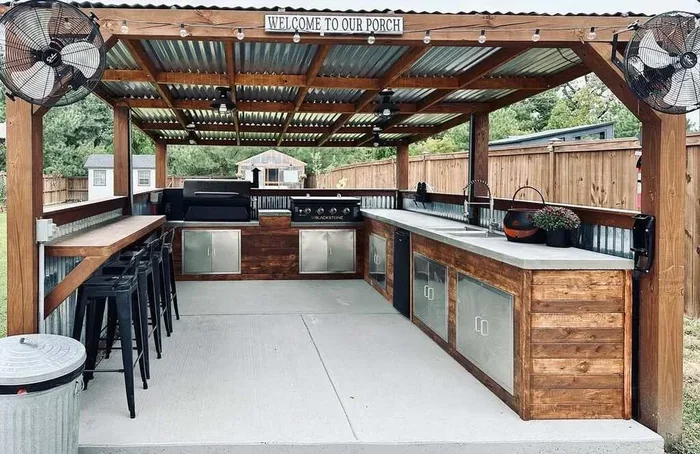
Building your own outdoor kitchen from scratch is easier than you think. This guide walks you through every step, from planning your layout to choosing durable materials and adding the finishing touches. You will learn how to design a functional, beautiful cooking area that boosts your home value and makes outdoor entertaining a breeze. Whether you are a beginner or a seasoned DIYer, you will find practical tips and real-world advice to bring your vision to life.
There is something magical about cooking outside with family and friends gathered around. An outdoor kitchen turns an ordinary backyard into a gathering place where memories get made. Whether you dream of grilling burgers on a Saturday evening or hosting a full dinner party under the stars, building your own outdoor kitchen from scratch makes it all possible.
This guide gives you everything you need to know. We will walk through the planning, materials, construction, and finishing details step by step. You do not need to be a professional contractor to create a stunning outdoor cooking space. With some basic tools, a solid plan, and a bit of elbow grease, you can build a backyard kitchen that looks expensive and performs even better.
Key Takeaways
- Start with a solid plan: A clear layout and budget save time, money, and headaches during construction.
- Choose weather-resistant materials: Granite, concrete, and stainless steel stand up to the elements and last for years.
- Prioritize ventilation and utilities: Proper gas lines, electrical wiring, and smoke management make your outdoor kitchen safe and functional.
- Add smart extras: Lighting, storage, and a dining area elevate the entire outdoor cooking experience.
- DIY saves money: With the right tools and guidance, you can build a stunning outdoor kitchen without hiring a pro for every step.
- Think long-term: Design with maintenance, climate, and future needs in mind for a space you will enjoy for decades.
📑 Table of Contents
Planning Your Outdoor Kitchen Layout
Before you buy a single brick or turn on a grill, you need a plan. Good planning saves money, prevents mistakes, and keeps your project on track. Take time to think about how you will use the space and what matters most to you.
Choosing the Right Spot in Your Yard
The location of your backyard kitchen makes a big difference in how much you enjoy it. Look for a flat area that is away from overhanging trees and low spots where water collects. You want a spot that gets good airflow and is easy to access from both your house and your dining area.
Consider these factors when picking your location:
- Proximity to your home: Keep it close enough for easy access to water and electricity.
- Wind direction: Position the grill so smoke blows away from seating areas.
- Privacy: A secluded spot feels more like an outdoor room.
- Drainage: Avoid low areas where rainwater pools.
Deciding on Your Kitchen Layout
The layout of your outdoor kitchen design depends on your yard size and cooking habits. The most common layouts include L-shaped, U-shaped, and linear designs. Each one offers different benefits for space and workflow.
An L-shaped layout works great for corner spaces. A U-shaped design gives you more counter room and storage. A linear layout fits narrow yards perfectly. No matter which style you choose, think about the kitchen triangle concept. This means placing your grill, sink, and prep area in a triangle so you can move easily between them while cooking.
Essential Components of an Outdoor Kitchen
A well-designed outdoor cooking area includes several key components. Each one plays a role in making your kitchen functional and enjoyable. Let us break down the most important pieces.
Grill Station and Cooking Area
The grill is the heart of any outdoor kitchen. Your choice of grill depends on your cooking style and budget. Gas grills offer convenience and precise temperature control. Charcoal grills give you that classic smoky flavor many barbecue lovers crave. Some people even add a wood-fired pizza oven or a smoker for extra versatility.
When sizing your grill station, leave plenty of counter space on both sides. You need room to prep food, place hot dishes, and store tools. A good rule of thumb is to have at least 18 to 24 inches of counter on each side of the grill. This makes cooking much more comfortable and safe.
Countertops and Storage
Countertops and storage are what turn a basic grill setup into a real kitchen. You want durable surfaces that can handle heat, rain, and daily use. Below the counters, include cabinets or shelves for storing plates, utensils, and condiments.
Here are some popular countertop options for outdoor kitchen projects:
- Granite: Extremely durable and heat-resistant. It comes in many colors and patterns.
- Concrete: Affordable and customizable. You can stain it to match your style.
- Stainless steel: Easy to clean and very weather-resistant.
- Tile: Budget-friendly and available in countless designs.
Outdoor Kitchen Island Ideas
Adding a kitchen island is one of the best upgrades you can make. An island gives you extra prep space, storage, and a casual dining spot. It also serves as a natural focal point that ties the whole area together.
You can build a freestanding island or attach it to your main kitchen structure. Some islands include a sink, a built-in cutting board, or even a bar top with stools. Think about how you cook most often and design the island to support those activities.
Choosing Materials That Last
Outdoor kitchens face sun, rain, wind, and temperature swings every day. That means the materials you choose need to be tough. Investing in high-quality, weather-resistant materials saves you money and frustration over time.
Best Countertop Materials for Outdoor Use
Not all countertop materials handle outdoor conditions equally. Some expand and crack in the heat. Others absorb water and stain easily. Here is a quick comparison of the top options:
- Granite: Natural stone that resists heat, scratches, and stains. It needs sealing once a year.
- Concrete: Highly customizable and very strong. It can handle extreme temperatures.
- Stainless Steel: Modern look, easy to clean, and rust-resistant when properly maintained.
- Porcelain Tile: Affordable and available in many styles. Grout lines need sealing to prevent moisture damage.
- Natural Stone (Slate, Limestone): Beautiful and durable but may require more maintenance.
Building with Stone, Brick, or Concrete
The structure of your outdoor kitchen needs a solid foundation. Concrete blocks and brick are the most common choices for building walls and bases. They are strong, affordable, and look great. For a more polished look, consider using natural stone veneer over a concrete block core.
When building your structure, use outdoor-rated mortar and seal all joints. This prevents water from seeping in and causing damage during freeze-thaw cycles. If you live in a climate with harsh winters, this step is especially important.
Installing Utilities and Ventilation
One of the most important parts of building an outdoor kitchen is getting the utilities right. Gas, water, and electricity transform a basic grill area into a fully functional cooking space. Safety should always come first when working with these systems.
Gas Lines and Electrical Setup
If you plan to use a gas grill or a natural gas stove, you need a proper gas line running to your kitchen. Hire a licensed plumber or gas fitter for this part. They will ensure the line is safe, up to code, and properly connected.
For electricity, you will need at least one outdoor-rated outlet for lighting, a vent hood, or small appliances. A licensed electrician can add a dedicated circuit to your outdoor kitchen area. Always use weatherproof outlets and cover plates to protect against moisture.
Ventilation and Smoke Management
Good ventilation keeps your cooking area comfortable and safe. Smoke and grease need somewhere to go, or they will build up and create a fire hazard. A simple range hood or a canopy with a built-in fan works well for most setups.
If you use a smoker or a wood-fired oven, consider placing it downwind from your seating area. You can also add a fire pit area with a built-in ventilation system to manage smoke effectively. Proper airflow makes a huge difference in how enjoyable your outdoor cooking experience is.
Adding Finishing Touches and Extras
The finishing touches are what take your outdoor kitchen from functional to fantastic. These details make the space more comfortable, stylish, and inviting for guests.
Outdoor Lighting and Ambiance
Good lighting extends the use of your kitchen into the evening hours. Install task lighting over the grill and prep areas so you can cook safely at night. String lights, LED strips, or lanterns add warmth and atmosphere to the whole space.
Consider using dimmable lights so you can adjust the brightness for different occasions. A well-lit outdoor kitchen feels welcoming and keeps everyone safe while moving around after dark.
Dining and Seating Areas
Your outdoor kitchen needs a place to sit and eat. A nearby dining table or a bar with stools creates a natural flow between cooking and dining. Choose outdoor-rated furniture that can handle the elements.
Some people add a pergola or shade sail above the dining area for sun protection. Others build a covered patio or install an outdoor umbrella. The goal is to create a comfortable space where people want to gather before, during, and after meals.
Budget Planning and Cost Breakdown
Cost is one of the biggest factors in any DIY project. The good news is that building your own outdoor kitchen is much more affordable than hiring a contractor to do everything. Knowing what to expect helps you plan and avoid surprises.
DIY vs Hiring a Professional
Doing the work yourself saves a significant amount of money. Labor costs can make up 40 to 60 percent of a professional outdoor kitchen project. However, some tasks, like gas line installation and electrical work, are best left to licensed professionals for safety reasons.
A realistic budget for a mid-range DIY outdoor kitchen ranges from $3,000 to $10,000. This includes materials, appliances, and any professional services you need. A high-end version with premium materials and custom features can cost $15,000 or more.
How to Save Money Without Cutting Corners
You can build a beautiful outdoor kitchen on a budget with smart choices. Here are some tips to keep costs down:
- Use concrete blocks instead of natural stone for the base structure.
- Choose a basic grill and upgrade later as your budget allows.
- DIY the carpentry and masonry work and hire pros only for utilities.
- Shop sales and look for discounted outdoor-rated materials.
- Start simple and expand over time as your needs grow.
Common Mistakes to Avoid
Even experienced DIYers make mistakes when building an outdoor kitchen. Knowing the common pitfalls helps you avoid them and keeps your project on track.
One of the biggest mistakes is underestimating the need for storage. Without enough cabinets and shelves, your outdoor space quickly becomes cluttered with cookware, plates, and condiments. Another common error is skipping proper ventilation. Smoke and grease buildup can damage your kitchen and create safety hazards.
Many people also forget about maintenance. Outdoor kitchens need regular cleaning and seasonal upkeep. Choosing materials that are easy to maintain saves you time and effort in the long run. Finally, do not overlook the importance of a solid foundation. A weak base leads to shifting, cracking, and costly repairs down the road.
Expert Tips for a Successful Build
Building an outdoor kitchen is a rewarding project that adds value to your home and your lifestyle. Here are some expert tips to help you succeed:
- Sketch your design first. A detailed plan helps you visualize the final result and catch issues before you start building.
- Check local building codes. Some areas require permits for outdoor kitchen structures, especially when gas or electrical work is involved.
- Use stainless steel hardware. Regular steel rusts quickly outdoors. Stainless steel screws, bolts, and brackets last much longer.
- Install a drip tray under your grill. This catches grease and makes cleanup much easier.
- Plan for shade. Cooking in direct sunlight is uncomfortable. A pergola, umbrella, or canopy makes the space usable year-round.
- Think about storage for grill accessories. Hooks, shelves, and cabinets keep your tools organized and within reach.
The key to a successful outdoor kitchen build is balancing function with style. You want a space that works hard when you are cooking and looks beautiful when guests are over. Take your time with the planning phase, choose quality materials, and do not be afraid to ask for help when you need it.
Conclusion
Building your own outdoor kitchen from scratch is one of the most rewarding home improvement projects you can tackle. It gives you a custom cooking space tailored to your needs, your yard, and your lifestyle. From choosing the right layout and materials to installing utilities and adding the finishing details, every step brings you closer to your dream backyard.
Remember that your outdoor kitchen does not have to be perfect on day one. Start with the essentials and add features over time as your budget and skills grow. The most important thing is to start. With the knowledge and confidence you have gained from this guide, you are ready to begin building the outdoor kitchen you have always wanted. Get your tools ready, gather your materials, and start creating a space where great food and great memories happen every day.
Frequently Asked Questions
What is the best material for an outdoor kitchen countertop?
Granite and concrete are the top choices for most outdoor kitchens. Granite is naturally heat-resistant and durable, while concrete offers endless customization options. Both materials hold up well against sun, rain, and temperature changes when properly sealed and maintained.
How much does it cost to build a basic outdoor kitchen?
A basic DIY outdoor kitchen costs between $3,000 and $7,000 on average. This includes a grill station, countertops, storage, and basic utilities. The final cost depends on your material choices, the size of the kitchen, and whether you hire professionals for any specialized work like gas or electrical installation.
Do I need a permit to build an outdoor kitchen?
Many local jurisdictions require a building permit for outdoor kitchen construction, especially if it involves gas lines or electrical work. Check with your city or county building department before you start. Getting the right permits ensures your kitchen is safe and up to code.
Can I build an outdoor kitchen in a small backyard?
Absolutely. A small backyard can still have a functional and stylish outdoor kitchen. Choose a compact layout like a linear design or a small L-shaped setup. Focus on the essentials, such as a grill, a small prep counter, and basic storage, and you will have a great cooking space even in a limited area.
How do I maintain my outdoor kitchen through the seasons?
Regular maintenance keeps your outdoor kitchen in great shape year-round. Clean countertops and grill surfaces after each use. Cover or store cushions and fabrics during winter. Inspect gas lines and electrical connections annually. Reseal stone or concrete surfaces every one to two years to protect against moisture and weather damage.
What is the most important thing to plan for when building an outdoor kitchen?
The most important thing is the layout and utility planning. Deciding where your grill, sink, and prep areas go before you build saves time and money. Proper gas line and electrical planning is also critical. A well-thought-out layout makes the entire cooking experience smoother and more enjoyable.
=== META DATA ===
SEO Title: How to Build Your Own Outdoor Kitchen from Scratch
Meta Title: Build Your Own Outdoor Kitchen from Scratch | Guide
Meta Description: Learn how to build your own outdoor kitchen from scratch with this complete guide. Plan layout, choose materials, and create your dream backyard cooking space.
URL Slug: build-your-own-outdoor-kitchen-from-scratch
Flesch Reading Ease Target: 95+

