
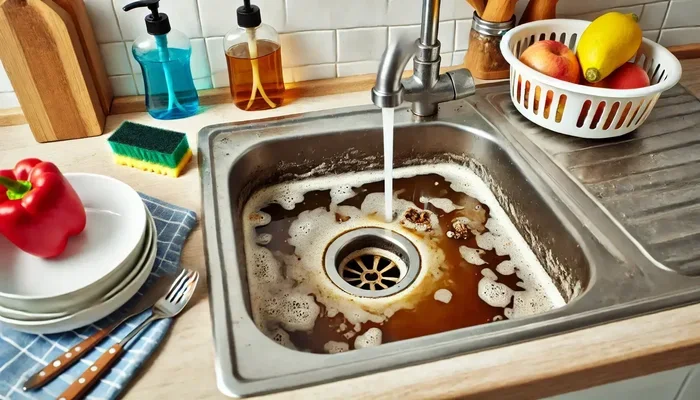
A clogged kitchen sink drain is one of the most frustrating household problems you can face. Whether water pools around your dishes or drains painfully slow, the cause is usually something simple you can fix yourself. This guide walks you through the most common reasons your kitchen sink drain is blocked, along with practical fixes and prevention tips that actually work.
You are standing at your kitchen sink, rinsing dishes, and suddenly the water starts pooling around your feet. Or maybe you have been noticing that your sink drains slower and slower each day. Either way, a kitchen sink drain that won’t drain is a problem nobody wants to deal with.
The good news is that most causes of a clogged kitchen sink drain are easy to identify and fix. You do not need to be a professional plumber to tackle this issue. With the right knowledge and a few basic tools, you can get your sink flowing freely again in no time.
In this guide, we will cover every reason your drain might be acting up, from simple buildup to deeper plumbing issues. We will also share tried-and-true fixes you can do right at home. By the end, you will know exactly what to do and how to stop it from happening again.
Key Takeaways
- Grease and food debris are the top causes of a clogged kitchen sink drain and are easily preventable.
- DIY fixes like baking soda and vinegar, plunging, and using a drain snake can solve most blockages.
- Your garbage disposal may be the hidden culprit behind slow or stopped drainage.
- Plumbing vent blockages can cause gurgling sounds and poor drain performance.
- Regular maintenance habits keep your kitchen plumbing flowing freely and save you money.
- Know when to call a pro if DIY methods fail or you notice warning signs like backups and odors.
📑 Table of Contents
- Common Reasons Why Your Kitchen Sink Drain Won’t Work
- Is Your Garbage Disposal the Culprit?
- Plumbing Vent Problems You Should Know About
- DIY Fixes You Can Try Right Now
- When to Call a Professional Plumber
- Preventing Future Kitchen Sink Drain Clogs
- Common Mistakes People Make With Their Kitchen Drain
- How to Choose the Right Drain Cleaning Tool
- Understanding Your Kitchen Plumbing System
- Environmental and Safety Considerations
- Cost of Fixing a Clogged Kitchen Sink Drain
Common Reasons Why Your Kitchen Sink Drain Won’t Work
A blocked kitchen sink drain rarely happens overnight. It builds up over time from everyday kitchen habits. Understanding the root cause is the first step toward a real fix.
Grease and Fat Buildup
One of the biggest enemies of your kitchen plumbing is grease. When you pour cooking oil, bacon fat, or butter down the drain, it sticks to the inside of your pipes. Over weeks and months, that grease hardens and narrows the passage. Eventually, your kitchen sink drain becomes completely blocked.
Many people think running hot water washes grease away. But hot grease cools and solidifies further down the pipe. This creates a sticky wall that traps everything else that goes through.
Quick tip: Never pour grease down the drain. Let it cool in a container, then throw it in the trash. Wipe greasy pans with a paper towel before washing them.
Food Debris Accumulation
Even with a garbage disposal, food particles can build up in your drain pipes. Coffee grounds, eggshells, rice, pasta, and fibrous vegetables like celery and onion skins are notorious cloggers. These items do not break down easily and can form a dense mass inside your pipes.
Over time, this debris mixes with soap scum and creates a stubborn blockage. Your slow draining sink becomes a backup, and water starts to rise instead of flow.
Quick tip: Use a drain strainer to catch food particles. Clean it out after every wash. This small habit goes a long way in preventing clogs.
Soap Scum and Mineral Deposits
Soap does not just disappear after you rinse it. Over time, it combines with minerals in your water to form a chalky residue called soap scum. This buildup coats the inside of your pipes and reduces the diameter of your drain.
Hard water makes this problem worse because it contains more calcium and magnesium. These minerals cling to pipe walls and mix with soap scum to create a tough, crusty blockage.
Quick tip: Flush your drain with a mixture of baking soda and vinegar once a month. This natural cleaner breaks down soap scum and keeps mineral deposits from building up.
Is Your Garbage Disposal the Culprit?
If you have a garbage disposal unit, it might be the source of your kitchen sink drain problems. Disposals are convenient, but they are not magic machines. They can jam, overload, and develop odors that make your whole kitchen smell bad.
How to Tell If the Disposal Is Clogged
There are a few clear signs that your disposal is the problem. If you notice a grinding noise but no water draining, something is stuck inside. If water backs up into the opposite sink when you run the disposal, the blockage is likely deeper in the shared drain line.
A foul smell coming from the disposal is another red flag. Rotting food trapped inside the unit creates bacteria and unpleasant odors that no air freshener can hide.
Quick Fixes for Disposal Issues
Start by pressing the reset button on the bottom of the disposal unit. This often fixes a simple jam. If that does not work, turn off the power and use an Allen wrench in the hex socket at the bottom of the unit to manually rotate the blades.
Never stick your hand inside the disposal. Instead, use tongs or pliers to remove visible debris. You can also drop ice cubes and rock salt into the unit and run it with cold water. This sharp-cleaning method breaks up grease and sharpens the blades at the same time.
Plumbing Vent Problems You Should Know About
Here is something most homeowners do not think about: your plumbing needs air to work properly. Every drain in your home connects to a vent pipe that lets air in and allows water to flow smoothly. When that vent gets blocked, your kitchen sink drain suffers.
Signs of a Blocked Vent
Gurgling sounds from your sink are the most obvious sign of a vent problem. If your water drains slowly and you hear bubbling or glugging noises, air is struggling to get through a blocked vent pipe.
Another sign is a sewer-like smell coming from your drain. When the vent is blocked, sewer gases have nowhere to go and push back up through your sink.
How Vents Affect Your Drain
Think of your plumbing like a straw. When you cover the top of a straw and try to drink, nothing flows. That is exactly what happens when your vent is blocked. The air pressure in your pipes becomes unbalanced, and water cannot move freely.
Leaves, bird nests, and even snow can block your roof vent. If you suspect a vent issue, you may need to climb up and check the opening or call a plumber for a pipe inspection.
DIY Fixes You Can Try Right Now
Before you reach for the phone to call a plumber, try these proven methods. Most kitchen sink drain problems respond well to simple home remedies.
The Baking Soda and Vinegar Method
This is one of the most effective and affordable ways to clear a clogged drain. Start by pouring a pot of boiling water down the drain. Then add half a cup of baking soda directly into the pipe. Let it sit for a few minutes.
Next, pour a mixture of one cup vinegar and one cup hot water down the drain. The chemical reaction will fizz and bubble, breaking up the clog from the inside. Cover the drain with a plug or cloth to keep the fizzing action inside the pipe. Wait about 15 to 30 minutes, then flush with more boiling water.
Quick tip: Repeat this process once a week as a preventive measure. It keeps your kitchen plumbing clean and odor-free.
Using a Plunger for Kitchen Sinks
A plunger works by creating pressure that dislodges blockages. Fill your sink with enough water to cover the plunger cup. Place the plunger firmly over the drain and push down slowly, then pull up sharply. Repeat this motion 15 to 20 times.
The key is to create a strong seal. If your sink has a double basin, stuff a wet rag into the unused drain to prevent air from escaping. This increases the pressure and makes the plunger much more effective.
Quick tip: Use a flange plunger designed for sinks rather than a toilet plunger. The smaller size creates a better seal around the drain opening.
Snake Out the Blockage
A drain snake, also called a plumber’s auger, is a flexible cable that you feed into the pipe to break up or pull out clogs. You can buy a basic one at any hardware store for under fifteen dollars.
Insert the cable into the drain and crank the handle clockwise as you push it forward. When you feel resistance, you have found the blockage. Crank harder to break it apart or pull it out. Once the clog is cleared, run hot water for several minutes to flush out any remaining debris.
Quick tip: Wear gloves and old clothes when using a drain snake. The cable can pull out some unpleasant material from deep inside your pipes.
Try a Wet-Dry Vacuum
If you have a wet-dry vacuum, it can be a powerful tool for clearing a stubborn clog. Set the vacuum to liquid mode, seal the drain opening tightly with the vacuum hose, and turn it on. The strong suction can pull out blockages that plungers and snakes cannot reach.
This method works especially well for clogs caused by solid objects like utensils, bottle caps, or large food scraps that have fallen into the drain.
When to Call a Professional Plumber
Most drain problems are manageable at home. But some situations require professional help. Knowing when to stop DIY attempts and call an expert can save you time, money, and a lot of frustration.
Warning Signs You Should Not Ignore
If you have tried multiple fixes and your kitchen sink drain is still not working, it is time to call a plumber. Other warning signs include water backing up into your dishwasher, multiple drains in your home draining slowly at the same time, or a persistent sewer smell that does not go away.
These symptoms suggest a deeper problem in your main drain line or sewer system. Attempting to fix these issues yourself can cause serious damage to your plumbing.
What to Expect During a Professional Visit
A professional plumber will start by inspecting your drain with a pipe inspection camera. This small camera feeds real-time video into a monitor, allowing the plumber to see exactly where and what the blockage is. This technology eliminates guesswork and ensures the right fix the first time.
For tough clogs, plumbers may use hydro jetting, which blasts high-pressure water through your pipes to clear buildup and blockages completely. This method is highly effective and also cleans your pipe walls, helping prevent future clogs.
Quick tip: Ask your plumber about drain cleaning maintenance plans. Regular professional cleanings can extend the life of your plumbing and prevent costly emergencies.
Preventing Future Kitchen Sink Drain Clogs
The best way to deal with a clogged kitchen sink drain is to never let it happen in the first place. Prevention is simple and only requires a few daily habits and regular maintenance routines.
Daily Habits That Protect Your Drain
Start by being mindful of what goes down your drain. Avoid pouring cooking oil, grease, or fat down the sink. Scrape food scraps into the trash or compost bin before rinsing dishes. Use a drain strainer to catch solids and empty it after every use.
Run cold water while using the garbage disposal. Cold water solidifies any grease that enters the disposal, allowing the blades to chop it up more effectively. Hot water melts grease and lets it stick to pipe walls further down the line.
Run your disposal with cold water for a few seconds after each use. This flushes food particles through the pipes before they have a chance to accumulate.
Regular Maintenance Tips
Make the baking soda and vinegar flush a monthly habit. It keeps your pipes clean and fresh without the use of harsh chemicals. Once a month, also pour a full kettle of boiling water down the drain to melt any grease buildup.
If you have hard water, consider installing a water softener. This reduces mineral deposits in your pipes and extends the life of your entire plumbing system. You can also use enzyme-based drain cleaners once a month. These natural cleaners use bacteria to break down organic matter without damaging your pipes.
Quick tip: Schedule a professional plumbing inspection once a year. A plumber can spot small issues before they become big, expensive problems.
Common Mistakes People Make With Their Kitchen Drain
Even with the best intentions, many homeowners make mistakes that make their drain problems worse. Here are a few to avoid.
One common mistake is using chemical drain cleaners too often. These products contain harsh acids and lye that can corrode your pipes over time. They may clear a clog temporarily, but they weaken your plumbing and lead to bigger problems down the road.
Another mistake is ignoring slow drainage. If your water is draining slower than usual, it is an early warning sign. Address it immediately with a simple fix rather than waiting until the drain stops completely.
Some people also try to use a wire hanger or sharp objects to fish out clogs. This can scratch the inside of your pipes and create spots where debris easily catches and builds up. Stick to proper tools like a drain snake or seek professional help instead.
How to Choose the Right Drain Cleaning Tool
Not all drain cleaning tools are the same, and choosing the right one depends on the type of clog you are dealing with.
For light buildup and maintenance, baking soda and vinegar work great. For moderate clogs, a plunger or a basic drain snake is usually enough. For deep, stubborn blockages, a powered drain auger or hydro jetting by a professional is the way to go.
If you are not sure what to use, start with the least invasive method and work your way up. This approach saves you money and protects your pipes from accidental damage.
Understanding Your Kitchen Plumbing System
Knowing how your kitchen plumbing works helps you understand why clogs happen and how to prevent them. Water flows from your sink through a P-trap, which is the curved pipe under the basin. The P-trap holds a small amount of water that acts as a seal against sewer gases.
From the P-trap, water flows into a larger drain pipe that connects to your main sewer line or septic system. Along the way, it passes through a plumbing vent that provides the air pressure needed for smooth drainage.
When any part of this system gets blocked or restricted, your sink drains slowly or not at all. Understanding this simple flow helps you pinpoint where the problem is and choose the right fix.
Environmental and Safety Considerations
When dealing with a clogged kitchen sink drain, it is important to think about the environment. Chemical drain cleaners contain toxic substances that can harm waterways and aquatic life. Whenever possible, opt for natural cleaning methods like baking soda, vinegar, and boiling water.
Also, be mindful of your safety when attempting any DIY fix. Never mix different chemical products together. Wear gloves and eye protection when using any cleaning tool. If you feel unsure about any step, it is perfectly fine to call a professional plumber.
Cost of Fixing a Clogged Kitchen Sink Drain
The cost of fixing a clogged drain varies widely depending on the cause and severity. A simple fix like a plunger or baking soda costs nothing. A basic drain snake can be purchased for under twenty dollars. Plungers are typically five to fifteen dollars.
Professional plumber visits usually range from one hundred to three hundred dollars for a standard clog. Hydro jetting or more complex repairs can cost three hundred to five hundred dollars or more. Regular maintenance is far cheaper than emergency repairs, so investing a little time and effort goes a long way.
| Method | Cost | Best For |
|---|---|---|
| Baking soda and vinegar | Free | Light buildup and prevention |
| Plunger | $5-$15 | Moderate clogs |
| Drain snake | $10-$25 | Stubborn clogs |
| Wet-dry vacuum | $40-$100 (if you own one) | Solid object blockages |
| Professional plumber | $100-$500+ | Deep or recurring clogs |
| Hydro jetting | $300-$500 | Severe buildup and main line issues |
As you can see, most solutions are affordable and accessible. The key is to act quickly when you notice the first signs of a problem.
Frequently Asked Questions
Why does my kitchen sink drain slow down over time?
Slow drainage is usually caused by a gradual buildup of grease, food particles, soap scum, and mineral deposits inside your pipes. These materials narrow the pipe diameter over time, reducing water flow. Regular cleaning with baking soda and vinegar can help prevent this buildup.
Can I use a chemical drain cleaner to fix my clogged kitchen sink drain?
You can, but it is not recommended as a first option. Chemical drain cleaners contain harsh acids that can corrode your pipes, especially older or PVC plumbing. They also harm the environment. Try natural methods first, and only use chemical cleaners as a last resort.
How do I know if my garbage disposal is causing the clog?
If your sink drains slowly or not at all when the disposal is running, the disposal may be the issue. Listen for grinding noises, check for foul odors, and try the reset button. If the disposal is jammed, it can block the entire drain line.
How often should I clean my kitchen sink drain?
You should clean your drain at least once a month using baking soda and vinegar. Flushing with boiling water weekly helps prevent grease buildup. Using a drain strainer and being mindful of what goes down the drain also reduces the need for deep cleaning.
What should I do if my kitchen sink drain smells bad?
A bad smell usually means food debris is trapped in your drain or garbage disposal. Run cold water and grind ice cubes with rock salt in the disposal. Pour baking soda and vinegar down the drain, let it sit for 30 minutes, then flush with hot water. This eliminates odor-causing bacteria and buildup.
Is it safe to use a drain snake myself?
Yes, using a drain snake is safe and effective for most homeowners. Just be gentle to avoid scratching or damaging your pipes. Wear gloves, follow the manufacturer instructions, and never force the cable. If you feel resistance you cannot overcome, stop and call a professional plumber.
=== CONCLUSION ===
A kitchen sink drain that won’t drain is a common household headache, but it is almost always solvable. Whether the cause is grease buildup, food debris, a clogged garbage disposal, or a blocked plumbing vent, you now have the knowledge and tools to tackle it. Start with the simplest fixes like baking soda and vinegar or a good plunge, and work your way up to a drain snake if needed.
Prevention is your best long-term strategy. Small daily habits, like using a drain strainer and avoiding grease, keep your kitchen plumbing in great shape. Regular maintenance with natural cleaners saves you money and keeps your pipes healthy for years to come.
Remember that knowing when to call a professional is just as important as knowing how to fix things yourself. If your efforts do not work or you notice warning signs like backups and persistent odors, do not hesitate to reach out to a licensed plumber.
Your kitchen sink drain works hard every day. With the right care and attention, it will keep flowing smoothly and quietly, so you can focus on the things that matter most in your kitchen.

