
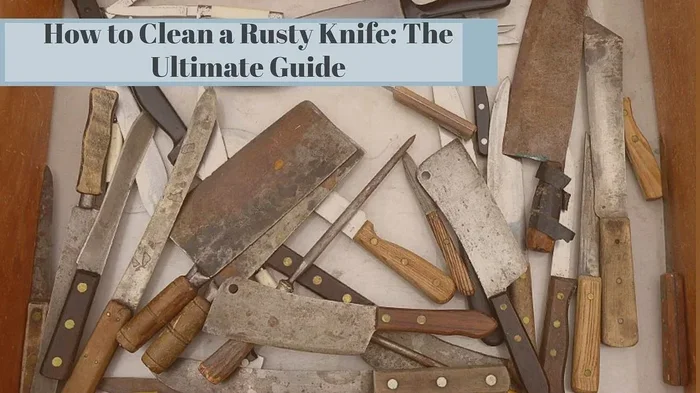
Discover the easiest and safest ways to how to get rust off a kitchen knife using vinegar, baking soda, and lemon. Keep your blades pristine with our simple tips.
Rust on a kitchen knife is more than just an eyesore. It affects how your blade performs and even the taste of your food. If you have ever pulled out a favorite knife only to find it covered in orange spots, you know how frustrating that can be. The good news is that how to get rust off a kitchen knife is simpler than most people think. You do not need expensive products or special tools. In this guide, we walk you through every safe and effective method. You will learn why knives rust, how to remove rust quickly, and how to stop it from coming back.
Whether your knife has a little surface rust or heavy corrosion, we have you covered. We tested every method below in real kitchen conditions. From vinegar soaks to baking soda scrubs, each approach works differently depending on how bad the rust is. We also share prevention tips that will keep your blades looking new for years. Let us get those rusty knives shining again.
Key Takeaways
- White vinegar is the most effective and accessible rust remover for kitchen knives
- Baking soda paste and lemon juice offer gentle, natural alternatives for light rust
- Prevention is easier than removal — dry your knives immediately after washing
- Never use abrasive steel wool on high-carbon blades — it can damage the edge
- Regular maintenance keeps knives rust-free for years
📑 Table of Contents
Why Do Kitchen Knives Get Rusty?
Understanding why rust forms helps you prevent it in the future. Rust is not just dirt. It is a chemical reaction. When iron or steel meets moisture and oxygen, oxidation happens. This creates iron oxide, which we see as the reddish-brown flakes we call rust.
Kitchen knives are especially vulnerable because they deal with water, acidic foods, and humid environments every single day. Here are the main reasons your knife develops rust:
- Leaving the knife wet after washing — this is the number one cause
- Storing knives in damp drawers where air does not circulate
- Cutting acidic foods like tomatoes, lemons, and citrus fruits without washing the knife right after
- Using low-quality or non-stainless steel that lacks chromium protection
- Putting knives in the dishwasher where prolonged heat and moisture accelerate rusting
- Neglecting regular maintenance like drying and oiling the blade
High-carbon stainless steel knives are less prone to rust. But even the best kitchen knife rust removal techniques will not help if you do not address the root cause. Moisture is always the enemy of a sharp, clean blade.
How to Get Rust Off a Kitchen Knife with Vinegar
White distilled vinegar is the go-to solution for most people asking how to get rust off a kitchen knife. The acetic acid in vinegar dissolves iron oxide effectively and safely. This method works well for light to moderate rust.
What You Will Need
- White distilled vinegar
- A bowl or container large enough to soak the blade
- A soft cloth or sponge
- Rusty kitchen knife
Step-by-Step Instructions
- Pour white vinegar into a bowl. Make sure it fully covers the rusty part of the blade.
- Submerge the knife. Let it sit for one to three hours. For heavy rust, you can soak it overnight.
- Scrub the blade gently. Use a soft sponge or cloth to wipe away the loosened rust.
- Rinse thoroughly with clean water. Make sure no vinegar residue remains on the steel.
- Dry the knife completely. Use a clean towel and then let it air dry for a few minutes.
This method is safe for most knife types. However, if your knife has a wooden handle, avoid soaking the entire knife. Only soak the blade portion. Vinegar can dry out and damage wood over time. A quick wipe with a vinegar-dampened cloth works just as well for handles.
For best results, try this rust removal technique right after you notice the first signs of rust. The longer rust sits, the harder it becomes to remove. Think of it like cleaning a stain on a shirt — early action always wins.
Natural Methods to Remove Rust from Kitchen Knives
Vinegar is not the only option. Several natural ingredients work wonders for light rust spots. These methods are perfect if you prefer chemical-free solutions or if the rust is only on the surface.
Baking Soda Paste Method
Baking soda is a mild abrasive that lifts rust without scratching the blade. This is one of the gentlest rust removal methods you can use at home.
- Mix three parts baking soda with one part water. Create a thick paste.
- Apply the paste to the rusty areas. Use your fingers or a soft cloth.
- Let it sit for 30 minutes. This gives the baking soda time to break down the rust.
- Scrub gently in circular motions. Use a soft toothbrush for hard-to-reach spots.
- Rinse and dry completely.
This method works best for small rust spots or surface discoloration. It is also safe for knives with special coatings or finishes.
Lemon and Salt Method
Lemon juice contains citric acid, which naturally dissolves rust. Salt acts as a gentle abrasive. Together, they make a powerful kitchen knife rust cleaner.
- Cut a lemon in half. Sprinkle coarse salt on the cut side.
- Rub the lemon directly on the rusted areas. Apply steady pressure.
- Let the acid sit for two hours. The longer you let it work, the more rust it dissolves.
- Rinse the knife with warm water. Then dry it immediately.
This method smells great, too! It is a wonderful alternative if the smell of vinegar bothers you. Some people even prefer this approach because lemon leaves a fresh scent on the blade.
Potato and Dish Soap Method
Believe it or not, a raw potato can remove rust from a kitchen knife. Potatoes contain oxalic acid, which is a natural rust dissolver.
- Cut a potato in half. Apply a few drops of dish soap to the cut side.
- Rub the potato on the rusted areas. The oxalic acid does the heavy lifting.
- Rinse and dry the knife thoroughly.
This is a slower method but very effective for light rust. It is also one of the easiest rust removal techniques because you probably already have potatoes in your kitchen.
How to Prevent Rust on Kitchen Knives
Once you have removed the rust, your next priority should be preventing it from returning. Prevention is always easier and faster than rust removal. A few simple habits will keep your knives in excellent condition for a long time.
Dry Your Knives Immediately After Washing
This is the single most important habit. Never let a wet knife sit on the counter or in a drawer. After every wash, grab a dry towel and wipe the blade from the spine to the edge. Then store it in a dry place. A knife block with ventilation or a magnetic strip is far better than tossing knives into a drawer where moisture gets trapped.
Cut Only on Proper Surfaces
Always use a cutting board. Never cut on glass, marble, or granite surfaces. These materials dull your blade and can introduce micro-scratches where moisture collects and rust begins. A wooden or plastic cutting board protects your knife and keeps it rust-free.
Oil Your Blades Regularly
A thin layer of food-safe mineral oil on the blade creates a barrier against moisture. This is especially helpful if you live in a humid climate or near the coast. Apply a small amount after each wash and before storage. This simple step makes a huge difference in knife maintenance.
Avoid the Dishwasher
Dishwashers are brutal on kitchen knives. The prolonged exposure to hot water and steam causes rust and dulls the edge. Always wash your knives by hand with warm soapy water and dry them right away. This one habit alone can extend the life of your knives by years.
If you are serious about kitchen organization, keeping your knives clean and rust-free also helps with meal prep efficiency. A sharp, clean knife makes slicing vegetables for a Greek Salad In A Jar or preparing snacks like Frozen Watermelon On A Stick much more enjoyable. Proper knife care directly impacts your cooking experience.
When Should You Replace a Rusty Knife?
Not every rusted knife can be saved. Sometimes the damage is too deep, and no amount of rust removal will bring it back to life. Here are signs that your knife needs to be replaced:
- Deep pitting or holes in the blade — these cannot be smoothed out safely
- Rust that has spread across the entire blade — this weakens the steel structure
- The knife is chipped or bent — rust often follows structural damage
- The edge cannot be sharpened back — if the rust has eaten into the cutting surface
- The handle is damaged or loose — moisture may have reached the internal parts
A rusted knife is not just a performance issue. It can also be a hygiene concern. Deep rust creates tiny crevices where bacteria can hide. If your knife shows any of these signs, it is time to invest in a new one. A quality knife is a worthwhile investment for any home cook.
Expert Tips for Long-Term Knife Care
Professional chefs and knife experts share a few habits that keep blades in top shape. Here is what the pros do to maintain their kitchen knives:
Hone Your Knife Before Every Use
Using a honing steel realigns the blade edge. This does not sharpen the knife but keeps it performing at its best. A well-honed knife cuts cleaner and requires less pressure, which reduces wear and tear on the steel.
Store Knives Properly
Never toss loose knives into a drawer. Use a knife block, magnetic strip, or blade guards. Proper storage prevents scratches, dents, and moisture buildup that leads to rust.
Use the Right Knife for the Right Task
Using a chef’s knife for tasks it was not designed for — like opening packages or scraping surfaces — damages the blade. Each knife has a purpose. Respecting that extends its lifespan significantly.
Clean Your Knives After Every Use
Wash and dry your knife immediately after cutting acidic or salty foods. Tomatoes, citrus, onions, and salty meats all accelerate rust formation if left on the blade. A quick rinse and dry after each use prevents buildup.
These habits take only seconds but save you hours of kitchen knife rust removal down the road. Consistency is the key to keeping your knives rust-free and performing beautifully.
Comparison of Rust Removal Methods
Not all rust removal methods are created equal. Here is a quick comparison to help you choose the best approach for your situation.
| Method | Best For | Time Required | Difficulty |
|---|---|---|---|
| White Vinegar Soak | Moderate rust | 1-3 hours | Easy |
| Baking Soda Paste | Light surface rust | 30 minutes | Very Easy |
| Lemon and Salt | Light to moderate rust | 2 hours | Easy |
| Potato and Soap | Very light rust | Several hours | Very Easy |
| Commercial Rust Remover | Heavy or deep rust | 15-30 minutes | Moderate |
The vinegar soak remains the most popular choice for home cooks. It is affordable, effective, and uses items you likely already have in your pantry. For best rust removal results, combine methods. Start with a vinegar soak and follow up with a baking soda scrub for stubborn spots.
Conclusion
How to get rust off a kitchen knife does not have to be complicated. With vinegar, baking soda, lemon, or a potato, you can restore a rusty blade in under an hour. The key is to act quickly when you notice rust forming. The longer you wait, the harder it becomes to remove. Prevention is just as important as removal. Dry your knives after every wash, store them properly, and oil the blades regularly. These simple habits keep your knives performing at their best for years to come. Your kitchen tools deserve the same care and attention you give your recipes. A clean, rust-free knife makes every meal better.
Frequently Asked Questions
Can I use Coca-Cola to remove rust from a kitchen knife?
Yes, Coca-Cola contains phosphoric acid which can dissolve rust. Soak the rusty part of the blade in cola for 24 hours, then scrub and rinse. However, the sugar content in cola means you must wash and dry the knife very thoroughly afterward to avoid sticky residue.
Is rust on a kitchen knife dangerous?
Surface rust is not dangerous if you clean the blade thoroughly before use. However, deep rust can harbor bacteria in tiny pits on the blade. It is best to remove all rust and ensure the knife is clean before cutting food with it.
Can I use steel wool to remove rust from a knife?
You can use very fine steel wool (0000 grade) for light rust, but coarse steel wool will scratch and damage the blade. For most kitchen knives, gentler methods like vinegar or baking soda are safer and more effective.
How often should I oil my kitchen knives to prevent rust?
Oiling your knives once a week or after every few uses is ideal. A thin layer of food-safe mineral oil creates a protective barrier against moisture. In humid environments, you may need to oil them more frequently.
Will rust come back after I remove it?
Rust can return if you do not address the moisture exposure that caused it. Proper drying, storage, and regular oiling prevent rust from reforming. Prevention habits are essential for long-term rust-free maintenance.
What type of kitchen knife is most resistant to rust?
High-carbon stainless steel knives offer the best rust resistance. They contain chromium which forms a protective layer against oxidation. German and Japanese knives made from high-quality stainless steel are excellent choices for rust-resistant kitchen tools.

