
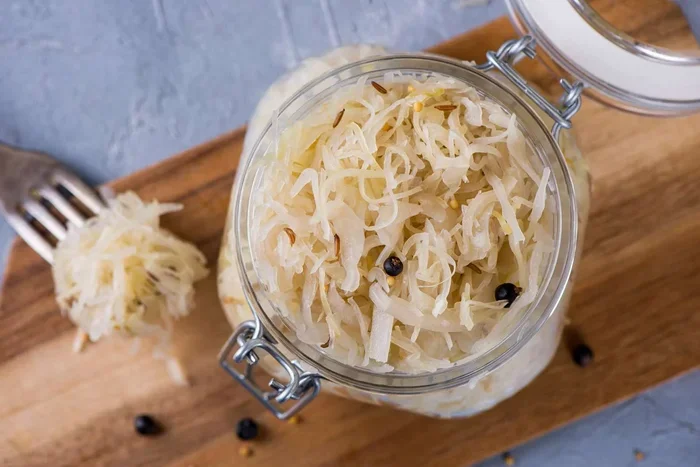
Cleveland kitchen sauerkraut is a simple, delicious homemade recipe that brings traditional fermented cabbage to your table. This guide walks you through everything you need to know, from ingredients and fermentation to health benefits and serving tips. You will learn how to make tangy, crunchy sauerkraut that rivals any store-bought brand.
Key Takeaways
- Easy Homemade Recipe: Cleveland kitchen sauerkraut requires only cabbage, salt, and a little patience.
- Probiotic Powerhouse: Homemade sauerkraut is rich in live probiotics that support gut health.
- Better Than Store-Bought: Making your own lets you control ingredients, salt levels, and fermentation time.
- Versatile Ingredient: Use cleveland kitchen sauerkraut in sandwiches, salads, soups, and side dishes.
- Budget-Friendly: A single head of cabbage can produce several jars of fermented sauerkraut.
- Quick Tips Matter: Proper salting, packing, and temperature control make all the difference in flavor and texture.
📑 Table of Contents
- Why Homemade Sauerkraut Beats Store-Bought Every Time
- What Makes Cleveland Kitchen Sauerkraut Special
- Ingredients You Will Need
- Step-by-Step Recipe for Perfect Sauerkraut
- Health Benefits of Homemade Sauerkraut
- Tips for Perfect Sauerkraut Every Time
- Common Mistakes to Avoid
- How to Use Your Homemade Sauerkraut
- Why Now Is the Perfect Time to Start
- Final Thoughts on Cleveland Kitchen Sauerkraut
Why Homemade Sauerkraut Beats Store-Bought Every Time
Let us talk about why making your own sauerkraut at home is such a game-changer. Store-bought sauerkraut often sits on shelves for months. During that time, it loses its live cultures and much of its tangy punch. Cleveland kitchen sauerkraut made at home keeps all the natural probiotics intact.
When you ferment cabbage yourself, you decide exactly what goes into the jar. No preservatives. No added sugars. No mystery ingredients. Just pure, crunchy, fermented cabbage with real flavor. The difference in taste is night and day.
Many people assume homemade sauerkraut is complicated. It really is not. You need cabbage, salt, and a little time. That is it. Once you try your first batch, you will wonder why you ever bought it from a store.
The Problem with Commercial Sauerkraut
Most grocery store sauerkraut is pasteurized. Pasteurization kills the beneficial bacteria that make sauerkraut so good for you. It also gives the product a softer texture and a milder taste. You are essentially eating pickled cabbage, not real fermented sauerkraut.
Cleveland kitchen sauerkraut made at home stays raw and alive. The lacto-fermentation process creates a thriving environment of good bacteria. These probiotics help with digestion and support your immune system. That is a big win for your health.
What Makes Cleveland Kitchen Sauerkraut Special
There is something special about traditional sauerkraut recipes passed down through generations. Cleveland kitchen sauerkraut carries that same spirit. It is rooted in Eastern European traditions where families have been fermenting cabbage for centuries.
The beauty of this recipe lies in its simplicity. You do not need fancy equipment or hard-to-find ingredients. A large mixing bowl, a clean jar, and some patience are all you need. The cabbage does the work for you.
A Little History Goes a Long Way
Sauerkraut has deep roots in German and Eastern European cuisine. Immigrants brought their fermentation traditions to American kitchens, including Cleveland. Over time, local home cooks refined the process and made it their own.
Today, cleveland kitchen sauerkraut represents that proud tradition of homemade fermentation. It connects you to a long line of cooks who understood the value of preserving food naturally. Every batch you make carries that legacy forward.
Ingredients You Will Need
One of the best things about making sauerkraut is how few ingredients you need. Here is what goes into a classic batch of cleveland kitchen sauerkraut:
- Green cabbage: One large head, or about 2 to 3 pounds.
- Kosher salt: About 1 to 1.5 tablespoons per pound of cabbage.
- Caraway seeds (optional): A teaspoon adds a traditional flavor.
- Juniper berries (optional): A few berries give a subtle earthy note.
- Gloves: Disposable gloves make the massaging process much easier.
That is all you need. No vinegar. No sugar. No starter cultures. The salt naturally draws moisture out of the cabbage. That liquid becomes your brine. It is the magic behind every great batch of homemade sauerkraut.
Choosing the Right Cabbage
Not all cabbages are created equal. Look for firm, tight heads with crisp leaves. Green cabbage works best for traditional sauerkraut. Red cabbage can also work but will give you a different color and slightly sweeter taste.
Buy organic if you can. Since the cabbage ferments for weeks, you want to avoid pesticides on the outer leaves. These are the leaves you will use most, so quality matters here.
Step-by-Step Recipe for Perfect Sauerkraut
Now let us get into the fun part. Making cleveland kitchen sauerkraut is straightforward, but the details matter. Follow these steps for the best results every time.
Step 1: Prep the Cabbage
Remove the outer leaves from your cabbage and set one leaf aside. Cut the cabbage into quarters and remove the core. Then slice the cabbage into thin shreds, about the thickness of a pencil. Thin shreds ferment more evenly and give you that classic sauerkraut texture.
Step 2: Salt and Massage
Place your shredded cabbage in a large mixing bowl. Sprinkle the salt evenly over the top. Put on your gloves and start massaging the cabbage. Squeeze and fold it for about 5 to 10 minutes. You will notice liquid pooling at the bottom of the bowl.
This is exactly what you want. The salt is pulling the moisture out of the cabbage cells. That liquid is your natural brine. It creates the anaerobic environment where good bacteria thrive.
Step 3: Pack the Jar
Transfer your cabbage into a clean glass jar. Use a wooden spoon or your fist to pack it down firmly. You want the liquid to rise above the cabbage. The cabbage should be completely submerged under the brine.
Place your reserved outer leaf on top and press it down. This acts as a natural barrier. Then add a weight on top to keep everything submerged. A small glass weight or a zip-lock bag filled with water works great.
Step 4: Ferment and Wait
Cover the jar with a cloth or loose lid. You want some air exchange during fermentation. Place the jar on a countertop away from direct sunlight.
Let it ferment at room temperature for 1 to 4 weeks. Check it every day. Press the cabbage down if the liquid level drops. Taste it after the first week. When it reaches the tanginess you like, move it to the refrigerator to slow down fermentation.
Quick Tips for Success
- Keep cabbage submerged: Exposure to air causes mold. Always make sure your cabbage stays below the brine.
- Use non-chlorinated water: If you need to add liquid, use filtered water. Chlorine can interfere with fermentation.
- Be patient: Longer fermentation means more tang and more probiotics. Do not rush the process.
- Clean equipment: Wash your jars and tools well. You do not need to sterilize them, but cleanliness helps.
Health Benefits of Homemade Sauerkraut
Homemade sauerkraut is so much more than a tasty side dish. It is a genuine superfood loaded with health benefits. Let us break down why eating cleveland kitchen sauerkraut regularly is such a smart move.
Rich in Probiotics
During lacto-fermentation, beneficial bacteria like Lactobacillus thrive. These probiotics populate your gut and support healthy digestion. A healthy gut microbiome is linked to better immunity, clearer skin, and improved mental health.
Store-bought sauerkraut often lacks these live cultures because of pasteurization. Homemade sauerkraut keeps them fully intact. That is one of the biggest reasons to make your own.
Packed with Vitamins and Minerals
Cabbage is naturally rich in vitamin C, vitamin K, and B vitamins. The fermentation process can actually increase the bioavailability of these nutrients. That means your body absorbs them more easily from sauerkraut than from raw cabbage.
Sauerkraut also contains iron, manganese, and fiber. It is a nutrient-dense food that adds real value to your daily diet.
Supports Digestion and Gut Health
If you struggle with bloating or irregular digestion, probiotic-rich foods like sauerkraut can help. The live cultures in fermented cabbage support the good bacteria in your gut. This helps break down food more efficiently and reduces digestive discomfort.
Many people find that eating a small portion of cleveland kitchen sauerkraut daily makes a noticeable difference. Start with a tablespoon and work your way up.
Low in Calories, High in Flavor
Sauerkraut is incredibly low in calories. A serving has only about 10 to 15 calories. Yet it delivers bold, tangy flavor that elevates any meal. It is one of the best guilt-free toppings you can add to your plate.
| Nutrient (per 100g) | Homemade Sauerkraut | Store-Bought (Pasteurized) |
|---|---|---|
| Calories | ~15 | ~15 |
| Probiotics | High (live cultures) | None (killed by pasteurization) |
| Vitamin C | High | Reduced |
| Fiber | Good source | Good source |
| Sodium | Moderate (controlled) | Often high |
| Added Sugar | None | Sometimes present |
Tips for Perfect Sauerkraut Every Time
Making great sauerkraut is part science and part art. A few simple tips can take your batches from good to outstanding. Here are the secrets that experienced fermenters swear by.
Get the Salt Ratio Right
The salt-to-cabbage ratio is the most important factor in sauerkraut. Too little salt and harmful bacteria can grow. Too much salt and fermentation slows down. Aim for about 2% salt by weight. For most home cooks, this means roughly 1 tablespoon of salt per pound of cabbage.
Keep It Cool
Ideal fermentation temperature is between 65 and 72 degrees Fahrenheit. If your kitchen runs hot, try fermenting in a cooler spot. Cooler temperatures slow fermentation and produce a crisper, more nuanced flavor.
Taste as You Go
Every batch of cleveland kitchen sauerkraut is slightly different. Taste it starting around day 7. Some people prefer a milder, shorter ferment. Others like it tangy and sharp. There is no wrong answer. Your taste buds are the best guide.
Experiment with Flavors
Once you master the basic recipe, get creative. Try adding garlic, ginger, or mustard seeds. Some people love apple slices mixed in for a touch of sweetness. The possibilities are endless. Experimentation is half the fun of making sauerkraut at home.
Storage and Shelf Life
Once your sauerkraut reaches the flavor you want, move it to the refrigerator. Cold temperatures slow fermentation significantly. Properly stored homemade sauerkraut can last for several months in the fridge. The flavor continues to develop slowly over time, which is a nice bonus.
Common Mistakes to Avoid
Even experienced cooks make mistakes when fermenting sauerkraut for the first time. Knowing what to avoid saves you time, flavor, and possibly a ruined batch.
- Not keeping cabbage submerged: This is the number one mistake. Exposed cabbage turns moldy fast. Always make sure your cabbage stays below the brine line.
- Using iodized salt: Iodine can interfere with fermentation. Stick with kosher salt or sea salt for the best results.
- Using chlorinated tap water: Chlorine kills the beneficial bacteria you are trying to grow. Use filtered water if needed.
- Sealing the jar completely: Fermentation produces gas. A completely sealed jar can build up pressure and even crack. Use a loose lid or a cloth cover.
- Rushing the process: Good sauerkraut takes time. Trying to speed up fermentation with extra salt or heat leads to poor flavor and texture.
- Ignoring mold: A thin white film on top is usually kahm yeast and is harmless. But fuzzy, colored mold means you should discard that batch and start fresh.
Avoid these pitfalls and your batches of cleveland kitchen sauerkraut will turn out beautifully every single time.
How to Use Your Homemade Sauerkraut
Once you have a jar of homemade sauerkraut ready, the fun really begins. There are so many delicious ways to enjoy it beyond just serving it on the side.
On sandwiches: Top your favorite deli sandwich with a spoonful of tangy sauerkraut. It adds crunch and brightness that cuts through rich meats and cheeses.
In salads: Toss sauerkraut into coleslaw or grain bowls for a probiotic boost and a tangy kick.
In soups and stews: Add sauerkraut to bean soups, potato stews, or braised meats. It brings a wonderful depth of flavor.
As a side dish: Simply serve it alongside roasted meats, sausages, or grilled vegetables. It is a classic pairing for a reason.
On tacos or bowls: Use sauerkraut as a fresh, tangy topping for tacos, rice bowls, or Buddha bowls. It works as a great alternative to pickles or coleslaw.
Cleveland kitchen sauerkraut fits into almost any meal plan. Its versatility is one of the reasons it has remained a beloved kitchen staple for generations.
Why Now Is the Perfect Time to Start
There has never been a better time to start making your own sauerkraut at home. More people are discovering the joy and benefits of homemade fermented foods. The process is simple, affordable, and incredibly rewarding.
With just a head of cabbage and some basic supplies, you can create a probiotic-rich food that supports your health all year round. Once you start making cleveland kitchen sauerkraut, it becomes a regular part of your kitchen routine.
You will save money, reduce food waste, and enjoy a product that is far superior to anything you can buy off the shelf. It is one of those rare wins where health, flavor, and savings all come together.
Final Thoughts on Cleveland Kitchen Sauerkraut
Making your own sauerkraut at home is one of the simplest and most rewarding kitchen projects you can take on. Cleveland kitchen sauerkraut gives you a recipe that is easy to follow, delicious to eat, and incredibly good for you.
The process connects you to centuries of fermentation tradition. Every batch you make is a small act of self-care. You are feeding your body with real, living food full of probiotics and natural nutrients.
Start with one simple batch. Follow the steps, be patient, and taste the difference. Once you experience the flavor and benefits of homemade sauerkraut, you will never go back to store-bought again. Grab a head of cabbage, some salt, and a clean jar. Your journey into the world of homemade fermentation starts right now.
Frequently Asked Questions
How long does it take to make homemade sauerkraut?
Active preparation takes about 20 minutes. The fermentation process takes 1 to 4 weeks depending on your taste and the temperature in your kitchen. Most people find that 2 to 3 weeks produces the best flavor for cleveland kitchen sauerkraut.
Can I use red cabbage instead of green cabbage?
Yes, you absolutely can. Red cabbage makes a beautiful, slightly sweeter sauerkraut. The fermentation process is the same. Just note that the color may bleed into the brine, which is perfectly normal and harmless.
Is homemade sauerkraut safe to eat?
Yes, homemade sauerkraut is very safe when made correctly. The salt and acidity created during fermentation prevent harmful bacteria from growing. Always keep the cabbage submerged under the brine and use clean equipment to ensure a safe batch.
Can I reduce the salt in the recipe?
You can reduce salt slightly, but salt plays a crucial role in fermentation. It draws out moisture and creates the right environment for beneficial bacteria. Going too low can lead to spoilage. Stick to the recommended ratio for the best results with your homemade sauerkraut.
How do I know if my sauerkraut has gone bad?
Sauerkraut that has gone bad will have a slimy texture, a rotten or putrid smell, or fuzzy colored mold. A thin white film on the surface is usually kahm yeast and is safe to skim off. When in doubt, throw it out and start a fresh batch.
Can I add other vegetables or spices to my sauerkraut?
Absolutely. Many people enjoy adding garlic, ginger, jalapeños, or juniper berries to their batches. Experimenting with flavors is one of the best parts of making cleveland kitchen sauerkraut at home. Just keep the salt ratio consistent for the best fermentation.
=== CONCLUSION ===
Cleveland kitchen sauerkraut is more than just a recipe. It is a simple, rewarding way to bring probiotic-rich, flavorful food into your daily life. The process is easy, the ingredients are affordable, and the results are fantastic.
Whether you are a seasoned fermenter or a complete beginner, this homemade sauerkraut recipe gives you everything you need to succeed. Start today, and you will have a jar of tangy, crunchy sauerkraut ready to enjoy in just a few weeks. Your gut, your taste buds, and your wallet will all thank you.

