
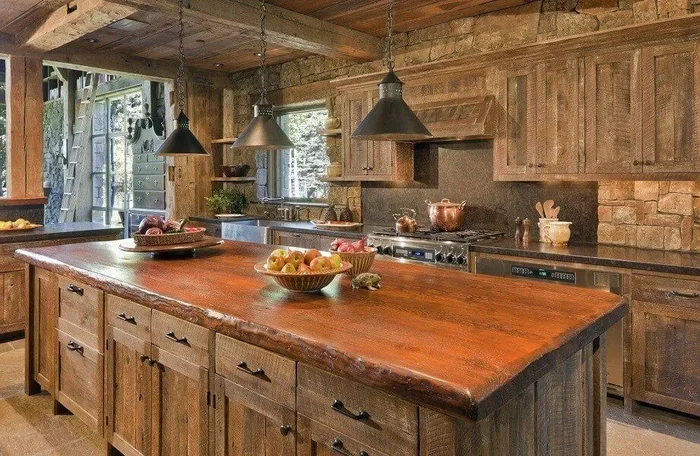
A wood kitchen island brings warmth, charm, and serious function to any kitchen. Whether you prefer a rustic farmhouse look or a sleek modern design, the right wood island can completely change your cooking space. In this guide, you will discover the best styles, wood types, and design tips to create your dream kitchen island.
There is something magical about a wood kitchen island. It brings warmth, texture, and a sense of home to a space that often feels cold and clinical. If you have been thinking about upgrading your kitchen, a wood island might be exactly what you need.
Wood kitchen islands are more than just a pretty face. They offer real storage, extra prep space, and a place where family and friends naturally gather. Whether your style is rustic, farmhouse, or sleek and modern, there is a wood island design out there for you.
In this guide, we will walk you through everything you need to know. We will cover popular styles, the best wood types, design tips, storage ideas, and common mistakes to avoid. By the end, you will have a clear picture of how to create a wood kitchen island that transforms your entire cooking space.
Key Takeaways
- Wood kitchen islands add timeless beauty: Natural grain patterns and warm tones make any kitchen feel inviting and cozy.
- Choose the right wood type: Oak, maple, walnut, and butcher block each offer unique durability and style benefits.
- Storage is key: A well-designed wood kitchen island can include drawers, shelves, and cabinets to maximize space.
- Mix styles for a custom look: Combine rustic elements with modern hardware for a truly unique kitchen island design.
- Avoid common mistakes: Skipping proper sealing, ignoring traffic flow, and choosing the wrong size are pitfalls to watch out for.
- Maintenance keeps it looking great: Regular cleaning and resealing will protect your wood island for years to come.
📑 Table of Contents
- Why a Wood Kitchen Island Is a Game-Changer
- Popular Wood Kitchen Island Styles
- Best Wood Types for Your Kitchen Island
- How to Design the Perfect Wood Kitchen Island
- Adding Storage and Functionality
- Common Mistakes to Avoid When Building a Wood Kitchen Island
- Expert Tips for a Stunning Wood Kitchen Island
- Conclusion
Why a Wood Kitchen Island Is a Game-Changer
A wood kitchen island can do things that no other kitchen feature can match. It serves as a prep station, a breakfast bar, a social hub, and a storage solution all in one. Let us look at why so many homeowners are choosing wood islands for their kitchens.
The Warmth and Beauty of Natural Wood
Nothing beats the look of real wood in a kitchen. The natural grain patterns, rich colors, and subtle variations make each piece unique. A wood kitchen island instantly adds character and charm that cold materials like granite or stainless steel simply cannot provide.
Think about how your kitchen feels when you walk in. Is it warm and inviting? Or does it feel a bit sterile? A wood island can shift that feeling completely. It softens the space and makes it feel more lived-in and comfortable.
Added Functionality and Storage
A kitchen island with storage is a dream for any homeowner. Wood islands can be built with drawers, open shelves, cabinets, and even hidden compartments. This means you can store away cutting boards, cookbooks, small appliances, and more.
Unlike a freestanding table, a wood island is built right into your kitchen layout. It stays in place, and it is designed to work with your existing kitchen layout ideas and open kitchen design flow. You get extra counter space without sacrificing precious floor area.
A Gathering Place for Family and Friends
Let us be honest. One of the best things about a wood kitchen island is that it draws people in. Kids do homework at it. Partners prep meals side by side. Guests stand around it with a glass of wine. A kitchen island turns cooking from a solo task into a shared experience.
This social element is one of the top reasons homeowners invest in a kitchen island build. It changes the entire dynamic of the room and makes your kitchen the heart of the home.
Popular Wood Kitchen Island Styles
Not all wood kitchen islands look the same. The style you choose should match your personal taste and the overall feel of your kitchen. Let us explore some of the most popular kitchen island styles featuring wood.
Rustic Wood Kitchen Island
A rustic kitchen island celebrates the natural beauty of wood. You will see rough-sawn timber, visible knots, and weathered finishes. This style works beautifully in farmhouse, cottage, and country-style kitchens.
Rustic islands often feature thick slab tops with live edges. The wood tells a story, and that is part of the appeal. Pair a rustic island with open shelving and vintage hardware for a cohesive look.
Modern Wood Kitchen Island
Do not think wood only belongs in rustic spaces. A modern kitchen island can feature clean lines, smooth finishes, and minimalist hardware. Light woods like maple or birch work especially well in modern settings.
Modern wood islands often combine wood with other materials like concrete, metal, or glass. This mix creates a striking contrast that feels fresh and contemporary. A sleek wood island with integrated lighting can make a bold design statement.
Farmhouse Wood Kitchen Island
The farmhouse style has been trending for years, and for good reason. A farmhouse kitchen island blends warmth with charm. Think thick butcher block tops, turned legs, and a generous overhang for seating.
Farmhouse islands often include a built-in sink or a wine rack. They feel cozy and practical at the same time. This style pairs perfectly with shiplap walls, subway tile backsplashes, and open wooden shelving.
Mid-Century Modern Wood Kitchen Island
If you love retro vibes, a mid-century modern wood island might be your perfect match. This style features tapered legs, clean geometric shapes, and warm walnut or teak wood. It brings a retro-futuristic feel to the kitchen.
Mid-century islands often have a lower profile and a streamlined look. They work best in kitchens with simple cabinetry and a neutral color palette. The wood adds just the right touch of warmth to balance the cooler design elements.
Industrial Wood Kitchen Island
An industrial-style wood island combines reclaimed wood with metal accents. Think black iron legs, exposed bolts, and a thick slab top made from salvaged timber. This style is perfect for lofts and urban kitchens.
The contrast between rough wood and sleek metal creates a rugged yet refined look. Industrial islands often have an open, airy feel with minimal upper cabinets. This allows the island to take center stage in the room.
Best Wood Types for Your Kitchen Island
Choosing the right wood is one of the most important decisions you will make. Different woods offer different levels of durability, grain patterns, and color tones. Here is a closer look at the best options for your wood kitchen island.
Butcher Block
Butcher block is a classic choice for kitchen islands. It is made from strips of hardwood glued together, creating a thick, sturdy surface. Butcher block is incredibly durable and can handle years of heavy use.
The end-grain and edge-grain options each have their own look. End-grain butcher block has a checkerboard pattern that is both beautiful and gentle on knives. Edge-grain butcher block features long strips that show off the wood grain.
Oak
Oak is one of the most popular choices for kitchen furniture. It is hard, durable, and available in red and white varieties. White oak has a finer grain and a slightly cooler tone, while red oak has a warmer, rosier hue.
Oak holds up well to moisture and daily wear. It is a great choice for families who use their kitchen island every day. Just make sure to seal it properly to protect against stains and spills.
Maple
Maple is a light-colored hardwood with a subtle, even grain. It is one of the hardest domestic woods, which makes it incredibly resistant to dents and scratches. A maple wood kitchen island has a clean, fresh look that works in almost any kitchen style.
Maple takes stain well if you want to darken it slightly. It also resists bacteria, which makes it a hygienic choice for food prep surfaces. Many professional kitchens use maple for exactly this reason.
Walnut
Walnut is a premium wood with a rich, dark brown color. It has a straight, open grain that looks elegant and sophisticated. A walnut wood kitchen island makes a real statement piece in any kitchen.
Walnut is moderately hard and very stable. It resists warping and shrinking over time. The main downside is the price. Walnut is more expensive than oak or maple, but the beauty it brings is well worth it.
Cherry
Cherry wood has a warm, reddish-brown tone that deepens with age. Over time, a cherry wood kitchen island develops a rich patina that adds to its character. It is a medium-hard wood that is a pleasure to work with.
Cherry pairs beautifully with both traditional and transitional kitchen designs. It brings a sense of warmth and luxury without feeling overly ornate. If you love the idea of a kitchen island that ages gracefully, cherry is an excellent choice.
Reclaimed Wood
Reclaimed wood is an eco-friendly option that adds history and character to your kitchen. This wood comes from old barns, warehouses, and other structures. Each piece has its own story written in the grain, the nail holes, and the weathered surface.
Reclaimed wood islands are unique by nature. No two are exactly alike. They work best in rustic, industrial, or eclectic kitchen designs. The cost can vary widely depending on the type of wood and the amount of processing needed.
How to Design the Perfect Wood Kitchen Island
Designing your wood kitchen island is where the fun begins. You get to make choices about size, shape, finish, and features. Here are some key considerations to help you create the perfect island.
Sizing and Dimensions
The size of your island depends on the available space in your kitchen. A standard kitchen island dimensions guideline is to allow at least 42 inches of clearance on all sides for comfortable movement. The island itself should be at least 36 inches deep and 60 inches long for basic functionality.
For smaller kitchens, a narrow island that is 24 inches deep can still provide valuable counter space and storage. Larger kitchens can accommodate islands that are 8 feet or longer. Always measure your space carefully before committing to a design.
Shape and Layout
Rectangular islands are the most common shape, but do not be afraid to think outside the box. L-shaped islands work well in open-concept kitchens. Peninsula islands extend from a wall or countertop and save space in smaller rooms.
Round or oval islands create a soft, inviting feel and are great for casual dining areas. The shape you choose should complement the overall kitchen island design and fit naturally into your kitchen’s flow.
Finishes and Treatments
The finish you choose for your wood island affects both its appearance and its durability. Oil finishes like Danish oil or tung oil penetrate the wood and bring out the natural grain. They give a warm, matte look that feels natural to the touch.
Polyurethane finishes create a harder, more protective surface. They are better for islands that will see heavy daily use. Wax finishes offer a smooth, satin look but require more frequent maintenance. Choose a finish that matches your lifestyle and how much wear your island will endure.
Lighting and Electrical
Do not overlook lighting when designing your wood kitchen island. Pendant lights hanging above the island create a focal point and provide task lighting for food prep and cooking. LED strip lights underneath the island add a modern, ambient glow.
Adding electrical outlets to your island is also a smart move. You can plug in blenders, toasters, or phone chargers without reaching across the kitchen. This small detail makes a big difference in everyday convenience.
Adding Storage and Functionality
A wood kitchen island is not just a pretty surface. It is an opportunity to add serious storage and functionality to your kitchen. Here are some ideas to make the most of your island.
Drawers and Cabinets
Built-in drawers are one of the best features you can add to a wood island. They are perfect for storing utensils, measuring cups, spices, and other kitchen essentials. Soft-close drawer slides keep everything running smoothly for years.
Cabinets with doors provide hidden storage for larger items like pots, pans, and small appliances. You can also add a combination of open and closed storage to keep things accessible while maintaining a clean look.
Open Shelving and Racks
Open shelves on your wood island create a display area for cookbooks, mugs, and decorative items. They make the kitchen feel more open and accessible. Wooden shelf brackets add a rustic touch that complements the island perfectly.
Wine racks, knife holders, and spice racks are all great add-ons. They keep frequently used items within arm’s reach while cooking. These small storage solutions make a big impact on everyday kitchen efficiency.
Built-In Sink and Bar Area
Adding a sink to your wood kitchen island is a game-changer for meal prep. You can wash vegetables, rinse dishes, and clean up without walking back to the main sink. A farmhouse sink with a wooden deck around it looks stunning.
A bar area on the island is perfect for entertaining. Add a wine rack, a small fridge section, or even a built-in coffee station. Your island becomes the go-to spot for hosting guests and enjoying casual meals with family.
Common Mistakes to Avoid When Building a Wood Kitchen Island
Building a wood kitchen island is an exciting project, but it is easy to make mistakes along the way. Here are some common pitfalls to watch out for.
Skipping Proper Sealing
Wood and moisture do not mix well. If you skip sealing your island, spills and humidity can cause warping, staining, and even mold growth. Always apply a high-quality sealant and reapply it every year or two.
Use food-safe finishes if your island will be used for food preparation. This keeps your family safe and ensures your island remains a healthy cooking surface for years to come.
Ignoring Traffic Flow
It is easy to get caught up in the design and forget about how people move through the kitchen. Leave enough clearance around the island for comfortable passage. A cramped kitchen island creates frustration rather than convenience.
Think about the work triangle in your kitchen. The island should complement this layout, not disrupt it. Make sure doors and drawers on the island can open fully without hitting anything.
Choosing the Wrong Size
An island that is too large overwhelms a small kitchen. An island that is too small gets lost in a large kitchen. Measure your space carefully and choose a size that fits proportionally.
Consider how you will use the island. If you need seating, make sure the overhang is at least 12 inches deep. If you need storage, plan for adequate drawer and cabinet space from the start.
Forgetting About Maintenance
Wood requires more care than granite or quartz. It needs regular cleaning with gentle products, periodic resealing, and protection from heat and moisture. If you are not willing to put in this maintenance, a wood island may not be the right choice.
That said, maintenance is not as hard as it sounds. A quick wipe-down after each use and a thorough cleaning once a week keeps your island looking beautiful. Think of it as part of the relationship you build with your kitchen.
Overlooking the Cost
The kitchen island cost can vary widely depending on materials, size, and complexity. A basic DIY wood island might cost a few hundred dollars. A custom-built island with premium wood and integrated features can run several thousand.
Set a realistic budget before you start planning. Factor in the cost of materials, hardware, finishes, and any professional help you may need. Getting quotes from local carpenters or kitchen designers can help you understand what is possible within your budget.
Expert Tips for a Stunning Wood Kitchen Island
Ready to bring your wood kitchen island to life? Here are some expert insights to help you get the best results.
Start with a plan. Sketch out your island design before buying any materials. Include measurements, storage needs, and electrical requirements. A clear plan saves time and money in the long run.
Choose wood that fits your lifestyle. If you have a busy family, pick a hard, durable wood like maple or oak. If you want a showpiece, consider walnut or cherry. Your lifestyle should guide your wood choice.
Add contrasting elements. Pair your wood island with a different material for the legs or base. Metal legs on a wood top, or a concrete base with a wood surface, create visual interest and balance.
Do not underestimate the power of hardware. The handles, knobs, and pulls you choose can completely change the look of your island. Brass, black iron, and brushed nickel each bring a different vibe to the design.
Think about the long term. Choose materials and finishes that will age well. A well-built wood kitchen island should last for decades with proper care. Invest in quality now and enjoy the results for years to come.
Conclusion
A wood kitchen island is one of the best investments you can make for your home. It adds beauty, functionality, and value to your kitchen in ways that few other features can match. From rustic farmhouse charm to sleek modern elegance, there is a wood island style that fits every taste and budget.
Take the time to choose the right wood, the right size, and the right design for your space. Pay attention to storage, lighting, and finishing details. And remember that a well-built wood island only gets better with age.
Whether you build it yourself or hire a professional, the result will be a kitchen that feels warmer, more welcoming, and truly yours. Start planning your wood kitchen island today and watch your kitchen transform into the heart of your home.
Frequently Asked Questions
What is the best wood for a kitchen island?
Maple, oak, walnut, and butcher block are among the best choices for a wood kitchen island. Maple is extremely durable and resists scratches, making it ideal for heavy daily use. Oak offers a classic look and great strength, while walnut provides a rich, dark elegance. Butcher block is a time-tested option that is both functional and beautiful.
How much does it cost to build a wood kitchen island?
The cost depends on the wood type, size, and features. A simple DIY island can start around $300 to $500. Custom-built islands with premium wood and integrated storage can range from $2,000 to $10,000 or more. Always get multiple quotes and factor in the cost of finishes and hardware when planning your budget.
Can I add a sink to my wood kitchen island?
Yes, you can absolutely add a sink to a wood kitchen island. Many farmhouse-style islands include a built-in sink as a central feature. Just make sure the wood around the sink is properly sealed and waterproofed. Using a high-quality sealant and wiping up spills quickly will help protect the wood from moisture damage over time.
How do I maintain a wood kitchen island?
Maintaining a wood kitchen island is straightforward. Wipe it down after each use with a damp cloth and mild soap. Avoid soaking the wood or leaving standing water on the surface. Reseal the island every one to two years with a food-safe finish. Use cutting boards to prevent scratches, and immediately clean up any spills to avoid staining.
What size should my wood kitchen island be?
A good kitchen island should be at least 36 inches deep and 60 inches long for basic functionality. Leave at least 42 inches of clearance on all sides for comfortable movement. For kitchens with limited space, a narrow island that is 24 inches deep can still provide valuable counter space and storage. Measure your kitchen carefully before finalizing your island dimensions.
Can I build a wood kitchen island myself?
Yes, many homeowners successfully build their own wood kitchen island with basic woodworking skills and tools. Start with a simple rectangular design and a pre-made butcher block top if you are a beginner. There are many online plans and tutorials available that walk you through the process step by step. If you are not confident in your skills, hiring a local carpenter is always a great option.
=== CONCLUSION ===
A wood kitchen island brings warmth, charm, and real value to any kitchen. Whether you choose a rustic farmhouse look, a sleek modern design, or something in between, the right island will transform how you cook, entertain, and live in your home. Take your time, plan carefully, and enjoy the process of creating a space that truly reflects your style.

