
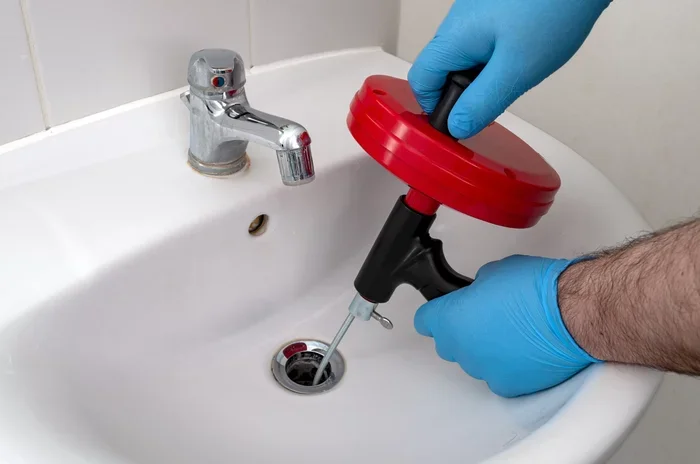
Choosing the right what size snake for kitchen drain depends on your pipe diameter and the type of clog you are dealing with. A standard drain snake for residential kitchen sinks is typically 25 to 50 feet long with a 5/16-inch or 3/8-inch cable diameter. Using the wrong drain auger size can damage your pipes or fail to clear the blockage. This guide walks you through every size option, helps you match the right tool to your specific setup, and gives you practical steps to tackle kitchen drain clog problems like a pro.
Your kitchen sink is one of the most hardworking plumbing fixture units in your home. Every day, it handles food scraps, grease, soap, and water. Over time, all of that buildup can turn a freely flowing sink drain into a frustrating slow drain or a complete drain blockage. When that happens, the first tool many homeowners reach for is a drain snake.
But here is the thing most people get wrong. Not every drain auger is the same size. Using the wrong drain snake size can make the problem worse. It can scratch the inside of your pipes, break the cable, or simply fail to clear the clog. That is why knowing what size snake for kitchen drain you need is so important. This guide covers everything you need to choose the right plumbing snake, use it safely, and keep your kitchen plumbing in great shape.
Key Takeaways
- Right Size Matters: Most kitchen drains need a drain snake with a 25 to 50 foot cable and a 5/16-inch to 3/8-inch diameter for effective clog removal.
- Match the Tool to the Pipe: Using a plumbing snake that is too thick can scratch or crack pipes, while one that is too thin may not clear the blockage.
- Handheld Augers Work for Most Jobs: A basic hand auger handles 90 percent of slow drain issues in residential kitchens.
- Motorized Snakes Help with Tough Clogs: Stubborn drain blockage from grease buildup or deep pipe issues may need a powered drain cable.
- Prevention Beats Cure: Regular drain maintenance and proper waste disposal keep your kitchen plumbing running smoothly and reduce the need for a pipe snake.
- Know When to Call a Pro: Repeated clogs or deep pipe clog removal needs may require a professional plumbing fixture specialist.
📑 Table of Contents
- Why Kitchen Drains Get Clogged in the First Place
- Types of Drain Snakes for Kitchen Use
- What Size Snake for Kitchen Drain: The Complete Guide
- Comparison Table: Snake Sizes at a Glance
- Quick Tips for Effective Drain Cleaning
- Common Mistakes When Using a Drain Snake
- When to Call a Professional Instead
- Preventing Future Kitchen Drain Clogs
- Final Thoughts on Choosing the Right Snake Size
Why Kitchen Drains Get Clogged in the First Place
Common Culprits in Your Kitchen Sink
Before you pick up any drain snake, it helps to understand what is causing the problem. Most kitchen drain clog issues come from a few everyday sources. Food particles wash down the drain and get trapped. Grease and cooking oil cool and harden inside the pipes. Coffee grounds, eggshells, and starchy vegetables like pasta and rice expand when they meet water. Over time, all of these materials stick to the pipe walls and narrow the opening.
Your garbage disposal can make things worse if you put the wrong items down it. Fibrous foods like celery and onion skins wrap around the blades. Bones and fruit pits can chip the disposal and create sharp debris that catches other waste. Even soap scum and mineral buildup from hard water slowly reduce the diameter of your pipes.
How Grease and Food Waste Build Up Over Time
Grease is the number one enemy of kitchen plumbing. Many people think pouring hot grease down the sink is fine because it is liquid. But as it cools, it solidifies and coats the inside of the pipes. Other debris sticks to this greasy layer, and the clog grows slowly over weeks or months.
A slow drain is often the first warning sign. Water takes longer to empty from the sink. You may notice gurgling sounds coming from the drain trap. If you ignore these signs, the drain blockage can become a complete clog where no water drains at all. That is when a pipe snake becomes essential.
Quick Tip: Never pour grease down your kitchen drain. Let it cool, scrape it into a container, and throw it in the trash. This one habit can prevent most drain cleaning headaches.
Types of Drain Snakes for Kitchen Use
Not all plumbing snakes are created equal. Different types of drain augers serve different purposes. Understanding the options helps you choose the right one for your drain cable needs.
Handheld Drain Augers
A hand auger is the most common tool for home use. It looks like a long, coiled metal cable wrapped around a drum with a handle. You feed the cable into the sink drain by turning the handle. The spiral tip breaks through or grabs the clog, and you pull the debris out.
Handheld drain snakes are affordable, easy to store, and perfect for most residential plumbing jobs. They work well for clogs that are within 15 to 25 feet of the drain opening. For most kitchen sinks, this covers the distance from the drain to the main drain trap and into the first section of the waste pipe.
Motorized Drain Snakes
A motorized drain snake uses an electric motor to spin the cable. These are also called electric augers or powered drain cleaners. They are stronger and faster than hand augers. They can break up tough clogs like hardened grease, compacted food waste, and even tree roots that have intruded into older pipes.
Motorized plumbing snake units are bulkier and more expensive. They are best for deep pipe clog removal or repeated drain blockage problems. Most homeowners do not need one unless they deal with chronic slow drain issues or have older pipes with significant buildup.
Closet Augers vs. Standard Snakes
A closet auger is a specialized type of drain snake designed for toilets. It has a curved protective sleeve that prevents scratching porcelain. You should not use a closet auger for a kitchen drain. The curved design does not work well in straight kitchen plumbing lines. Always use a standard drain auger for sink clogs.
What Size Snake for Kitchen Drain: The Complete Guide
Now let us get to the heart of the matter. What size snake for kitchen drain should you actually buy? The answer depends on two key factors: the cable diameter and the cable length.
Matching Snake Size to Pipe Diameter
Most residential kitchen drains use 1.25-inch or 1.5-inch diameter pipes. The drain snake cable needs to be thin enough to fit through the pipe without scraping the walls. A cable that is too thick can damage PVC or metal pipes, especially older ones that may have slight corrosion or narrowing.
For standard kitchen sinks, a cable diameter of 5/16 inch is the most versatile choice. It fits through most drain openings and drain trap assemblies without getting stuck. If your pipes are slightly narrower or you have an older home with galvanized steel pipes, a 3/16-inch cable may be safer. For larger kitchen setups or double sinks with wider drains, a 3/8-inch cable provides more cleaning power but should be used carefully.
The key is to match the drain snake size to your specific pipe diameter. When in doubt, a 5/16-inch cable is a safe middle ground for most residential plumbing.
Length Matters Too
Cable length is just as important as diameter. A short drain cable may not reach deep enough to clear the clog. A drain snake that is too long can be hard to control and may kink inside the pipe.
For most kitchen sink clogs, a drain auger with a 25-foot cable works perfectly. It reaches from the drain opening through the drain trap and into the horizontal waste pipe. If your clog is deeper or you have a garbage disposal that connects further down the line, a 50-foot cable gives you more reach.
For very deep blockages or when the clog is past the drain trap and into the main waste line, you may need a 75-foot or even 100-foot pipe snake. These longer cables are typically found in motorized units designed for serious pipe clog removal jobs.
Comparison Table: Snake Sizes at a Glance
| Snake Type | Cable Diameter | Cable Length | Best For |
|---|---|---|---|
| Light Duty Hand Auger | 3/16 inch | 15 to 25 feet | Minor slow drain and light debris |
| Standard Kitchen Snake | 5/16 inch | 25 to 50 feet | Most kitchen drain clog and grease buildup |
| Heavy Duty Hand Auger | 3/8 inch | 25 to 50 feet | Stubborn clogs in larger pipes |
| Motorized Drain Snake | 3/8 to 1/2 inch | 50 to 100 feet | Deep drain blockage and tough grease |
| Closet Auger | Varies | 3 to 6 feet | Toilet clogs only, not for kitchen use |
Use this table to quickly find the right drain snake for your situation. The standard kitchen snake with a 5/16-inch cable and 25 to 50 feet of length handles the vast majority of drain cleaning tasks in a residential kitchen.
Quick Tips for Effective Drain Cleaning
Using a drain snake the right way makes all the difference. Here are some practical tips to get the best results every time:
- Always wear gloves. Drain cables carry bacteria and debris. Protect your hands with rubber or latex gloves before you start.
- Feed the cable slowly. Do not force it. Let the spiral tip do the work as you turn the handle. Forcing the cable can kink it or scratch the inside of your pipes.
- Rotate the handle clockwise. This is the standard direction for most drain augers. The spiral tip grips and breaks apart the clog as it turns.
- Push and pull gently. Once you feel the cable hit the clog, gently push and pull to break it apart. Do not use excessive force.
- Flush with hot water after. After clog removal, run hot water down the drain for 30 seconds to flush away any remaining debris.
- Clean the snake after use. Wipe the cable with an old rag or run it under water. This prevents buildup and keeps the drain snake ready for the next use.
Expert Insight: Many people rush through the process and end up pushing the clog deeper into the pipe instead of breaking it apart. Patience is the most important tool when using a drain snake. Take your time, and let the tool do the work.
Common Mistakes When Using a Drain Snake
Even with the right drain snake size, mistakes can happen. Here are the most common errors homeowners make when trying to clear a kitchen drain clog:p>
- Using the wrong cable diameter. A cable that is too thick can scrape or crack PVC pipes. A cable that is too thin will not have enough strength to break through the clog.
- Forcing the cable too fast. This is the number one mistake. It can kink the cable, damage the pipe, or push the clog further down the line where it becomes harder to reach.
- Not removing the drain trap first. Many kitchen clogs start in the drain trap, the U-shaped pipe under the sink. Removing it first gives you direct access and makes clog removal much easier.
- Using a closet auger for a sink. Closet augers are designed for toilets. The curved sleeve does not fit well in straight sink drain pipes and can cause damage.
- Ignoring the root cause. A drain snake clears the current clog, but if you keep putting grease or food scraps down the drain, the problem will return. Drain maintenance is just as important as clog removal.
- Using a motorized snake without experience. These powerful tools can damage pipes if not used correctly. If you have never used one before, start with a hand auger and call a professional for tough jobs.
When to Call a Professional Instead
A drain snake is a great DIY tool, but it is not the answer for every situation. You should call a professional plumber if any of the following apply:
- The clog keeps coming back even after you use a drain auger. This may indicate a deeper problem in the main waste line or a structural issue with your residential plumbing.
- Water backs up into other drains when you run the kitchen sink. This suggests the blockage is past the kitchen drain trap and in the main drain line.
- You smell sewage or notice slow draining in multiple fixtures. These are signs of a serious drain blockage that requires professional pipe clog removal equipment.
- You have older pipes and are worried about damage. A licensed plumber can use specialized cameras and tools to clear the clog without risking your kitchen plumbing.
- The drain snake will not fit or cannot reach the clog. Sometimes the blockage is simply too deep or too tough for a home drain snake.
Professional plumbers have access to motorized drain cleaning machines, video inspection cameras, and industrial-grade drain cable tools that can handle even the worst drain blockage. It is always better to call a pro than to risk damaging your pipes with the wrong approach.
Preventing Future Kitchen Drain Clogs
The best way to avoid needing a drain snake in the first place is to prevent clogs from forming. Regular drain maintenance keeps your kitchen plumbing flowing freely and saves you time and money.
Simple Habits That Make a Big Difference
- Never pour grease or cooking oil down the drain. Collect it in a can and dispose of it in the trash.
- Use a drain strainer to catch food particles, and empty it into the trash after each use.
- Run cold water while using the garbage disposal. Cold water solidifies grease so the disposal can grind it up properly.
- Flush the drain with hot water and a tablespoon of baking soda once a week. This helps dissolve early buildup before it becomes a slow drain.
- Avoid putting fibrous foods, bones, and starchy items like pasta and rice into the disposal.
Monthly Drain Cleaning Routine
Once a month, pour a cup of baking soda followed by a cup of white vinegar down the drain. Let it sit for 15 minutes, then flush with hot water. This natural drain cleaning method breaks down grease and keeps your pipes clear. For extra protection, use a drain snake once every few months as a preventive measure, even if the drain is flowing fine.
Quick Tip: Keep a basic hand auger under your kitchen sink. It is a small investment that can save you the cost of a plumber visit for minor drain blockage issues.
Final Thoughts on Choosing the Right Snake Size
Knowing what size snake for kitchen drain to use is the first step toward solving clog problems on your own. For most homeowners, a standard drain snake with a 5/16-inch cable diameter and a 25 to 50 foot length is the perfect choice. It handles the majority of kitchen drain clog situations safely and effectively.
Remember that the right drain auger is only part of the solution. Proper technique, patience, and regular drain maintenance are equally important. Avoid common mistakes like forcing the cable or using the wrong type of auger. And when the clog is beyond what a home pipe snake can handle, do not hesitate to call a professional.
Your kitchen plumbing works hard every day. With the right drain snake and a little preventive care, you can keep your sink drain clear and your drain cleaning routine simple and effective.
Frequently Asked Questions
What is the best drain snake size for a standard kitchen sink?
A 5/16-inch cable diameter with a 25 to 50 foot length is the best drain snake size for most standard kitchen sinks. This size fits through typical 1.25-inch and 1.5-inch pipes without causing damage and has enough length to reach through the drain trap and into the waste line.
Can I use a plumbing snake on a kitchen sink with a garbage disposal?
Yes, you can use a drain snake with a garbage disposal. However, you should remove the drain stopper and any visible debris first. Feed the cable slowly past the disposal unit. If the clog is beyond the disposal, a drain auger with at least a 25-foot cable will reach it effectively.
How often should I use a drain snake for maintenance?
Using a pipe snake once every two to three months as a preventive measure is usually enough for most households. If you cook frequently or deal with a lot of grease, monthly drain cleaning with a snake can help prevent buildup and slow drain issues before they become full clogs.
What happens if I use a drain snake that is too thick?
A cable that is too thick can scratch the inside of your pipes, especially PVC or older metal pipes. Over time, these scratches create spots where debris collects and new clogs form. Always match the drain snake diameter to your pipe size to avoid this damage.
Is a motorized drain snake better than a hand auger for kitchen clogs?
A motorized drain snake is more powerful and can handle tough, deep clogs. But for most residential kitchen drain blockage issues, a hand auger works just as well. Motorized units are best for chronic clogs, older pipes with heavy buildup, or clogs that a hand auger cannot reach.
How do I know if my clog is too deep for a home drain snake?
If the drain snake will not reach the clog after feeding in 25 to 50 feet, or if water still does not drain after several attempts, the blockage may be too deep or too solid. Signs like sewage odors, water backing up in other drains, or repeated clogs in the same spot are indicators that you should call a professional for pipe clog removal.

