
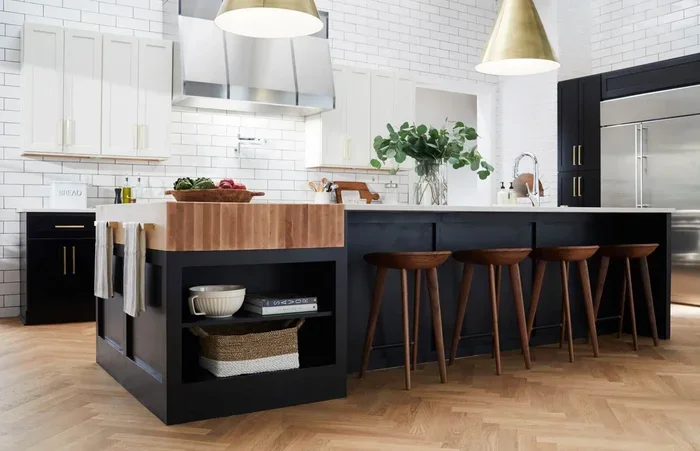
A kitchen island with butcher block top brings warmth, function, and timeless style to any modern home. It creates a dedicated workspace for food prep, casual dining, and social entertaining. You can choose from maple, oak, walnut, or cherry wood to match your kitchen style. Proper care keeps the surface looking beautiful for decades. Read on to explore designs, materials, and expert tips for making this classic feature your own.
A kitchen island with butcher block top has become one of the most sought-after features in modern home design. Whether you are renovating an existing kitchen or building from scratch, this combination brings together durability and beauty in a way few other materials can match.
The appeal is simple. A butcher block top gives your island a warm, natural feel. It works as a cutting surface, a breakfast bar, a homework station, and a gathering spot for family and friends. In today’s homes, the kitchen is more than just a place to cook. It is the heart of the home.
In this guide, we will walk you through everything you need to know about adding a kitchen island with butcher block top to your space. We will cover wood options, design ideas, maintenance, styling tips, and common mistakes to avoid. By the end, you will have a clear picture of how to make this classic feature work for your modern home.
Key Takeaways
- Durable Workspace: A butcher block top turns your island into a sturdy surface for chopping, kneading, and everyday meal prep.
- Wood Choice Matters: Maple, oak, walnut, and cherry each offer unique looks and durability levels for your kitchen island.
- Easy Maintenance: Regular oiling and proper cleaning keep your butcher block top looking fresh for years.
- Modern Meets Rustic: A butcher block top blends seamlessly with contemporary, farmhouse, and transitional kitchen designs.
- Adds Home Value: A well-designed kitchen island is one of the top features buyers look for in a home.
- Versatile Styling: Pair your island with bar stools, open shelves, or pendant lights for a polished look.
📑 Table of Contents
- Why a Kitchen Island with Butcher Block Top Is a Game-Changer
- Choosing the Right Wood for Your Butcher Block Top
- Designing Your Kitchen Island Layout
- Maintenance Tips for a Long-Lasting Butcher Block Top
- Styling and Decorating Around Your Island
- Common Mistakes to Avoid When Choosing a Butcher Block Island
- How a Kitchen Island Adds Value to Your Home
- Quick Tips for Choosing Your Kitchen Island
- Final Thoughts
Why a Kitchen Island with Butcher Block Top Is a Game-Changer
A kitchen island is already a huge upgrade. It adds counter space, storage, and a focal point to any room. But when you top it with a butcher block surface, something special happens. The island becomes a true multi-use hub that elevates your entire cooking experience.
Here are some of the biggest reasons homeowners love this combination:
- Natural warmth: Wood brings a cozy, inviting feel that cold granite or quartz cannot match.
- Built-in cutting surface: You can chop vegetables, roll dough, and slice bread right on the island.
- Durability: A quality butcher block top withstands years of daily use when properly cared for.
- Easy to repair: Scratches and cuts can be sanded out and the surface re-oiled.
- Timeless style: Butcher block never goes out of fashion. It works with every design trend.
The kitchen island with butcher block top also creates a natural gathering point. People gravitate toward it during parties and family dinners. Kids do homework there. Guests lean on it to chat while you cook. That social energy is what makes a kitchen truly livable.
How It Fits Modern Kitchen Design
Modern kitchens often lean toward clean lines, minimal clutter, and sleek materials. A butcher block top might seem like a rustic choice, but it fits beautifully in modern spaces. The key is balance. Pair a thick butcher block surface with streamlined cabinets, metal legs, and a monochrome color palette.
Many designers now use a kitchen island with butcher block top as the warm contrast in an otherwise cool-toned kitchen. White or gray cabinetry with a rich walnut or maple island creates a striking yet inviting look. The wood softens the space and adds character without cluttering the design.
Choosing the Right Wood for Your Butcher Block Top
The wood you select sets the tone for your entire island. Each type has its own grain pattern, hardness, and color. Your choice should match your style, budget, and how heavily you plan to use the surface.
Maple
Maple is the most popular choice for butcher block. It is hard, dense, and resists scratches well. Its light, even grain gives a clean and modern look. Maple also takes stain well if you want to darken the finish slightly.
This wood is ideal for high-use kitchens where the island serves as a daily prep station. It holds up to chopping, cutting, and heavy items without showing wear too quickly.
Walnut
Walnut has a rich, dark brown tone that adds elegance and depth. It is slightly softer than maple, which means it may show more marks over time. But many homeowners love that natural patina. It gives the surface a lived-in, organic feel.
Walnut pairs beautifully with white kitchens and industrial-style designs. It brings a sense of warmth and sophistication to any space.
Oak
Oak is widely available and affordable. It has a prominent grain pattern that adds visual interest. Red oak has a pinkish hue, while white oak leans more toward a warm tan tone.
Oak is a solid choice if you want a rustic or farmhouse look. It is durable and holds up well under everyday kitchen use.
Cherry
Cherry wood starts with a light pink tone and darkens over time with exposure to light and oils. This natural aging process gives your island a unique character that deepens with years of use.
Cherry is on the softer side, so it shows more use marks. But if you appreciate the beauty of a naturally evolving surface, it is a stunning option.
Designing Your Kitchen Island Layout
The layout of your island matters just as much as the butcher block top itself. A well-planned design maximizes function and flow. A poorly planned one can make your kitchen feel cramped and awkward.
Island Size and Dimensions
A standard kitchen island is about 25 to 30 inches deep and 40 to 80 inches long. These dimensions give you enough room for food prep without blocking walkways. You should leave at least 36 to 42 inches of clearance between the island and surrounding cabinets.
For a kitchen island with butcher block top, consider the thickness too. Butcher block is typically 3 to 4 inches thick. This heft adds a grounded, substantial feel to the space. It also provides excellent stability for cutting and chopping.
Shapes That Work Best
Rectangular islands are the most common and versatile. They fit most kitchen layouts and offer plenty of linear workspace. L-shaped islands wrap around a corner and create a natural divide between cooking and dining zones.
For open-concept kitchens, a freestanding island with a butcher block top works as a room divider. It defines the kitchen area without blocking light or sightlines. Round or curved islands make a bold statement in larger, more open floor plans.
Storage and Functionality
Your island can do more than provide a butcher block surface. Think about adding drawers, open shelves, or a wine rack underneath. A built-in sink or cooktop turns the island into a true work center.
Here are some popular add-on features to consider:
- Lower drawers: For storing cutting boards, utensils, and kitchen tools.
- Open cubbies: Great for displaying cookbooks, baskets, or frequently used items.
- Bar stools: A 24 to 26 inch overhang creates comfortable seating for casual dining.
- Built-in outlets: Handy for blenders, toasters, and other small appliances.
- Under-lighting: LED strips under the island add ambiance and task lighting.
Maintenance Tips for a Long-Lasting Butcher Block Top
A butcher block top is not high-maintenance, but it does need regular care to stay in great shape. The good news is that a few simple habits go a long way.
Daily Cleaning
Wipe the surface with a damp cloth after each use. Avoid soaking the wood or leaving standing water. Soap and warm water are usually enough for everyday cleaning. Dry the surface thoroughly with a towel right away.
Never put a hot pan directly on a butcher block top. Always use a trivet or hot pad. Excessive heat can warp the wood and damage the finish.
Oiling and Conditioning
Food-grade mineral oil is your best friend. Apply it every few weeks or whenever the wood starts to look dry. Rub it in with a soft cloth and let it soak in overnight. This keeps the wood hydrated and prevents cracking or splitting.
For deeper conditioning, use a butcher block conditioner or a blend of mineral oil and beeswax. This creates a protective layer that repels moisture and stains.
Dealing with Scratches and Stains
Minor scratches can be sanded out with fine-grit sandpaper. Work in the direction of the grain. After sanding, re-oil the surface to restore its finish.
Dark stains from berries, turmeric, or tomato sauce can be treated with a paste of baking soda and water. Let it sit for a few minutes, then scrub gently and rinse. For stubborn stains, a light sanding followed by re-oiling usually does the trick.
Seasonal Care Routine
Make a habit of checking your butcher block top with the seasons. In dry winter months, the wood may need more frequent oiling. In humid summers, make sure the surface dries completely after washing to prevent swelling.
A quick maintenance routine keeps your kitchen island with butcher block top looking brand new year after year.
Styling and Decorating Around Your Island
Once your island is installed, the fun part begins. Styling it well makes the whole kitchen feel complete and intentional. A few thoughtful touches can turn a functional surface into a beautiful focal point.
Adding Bar Stools
Bar stools are the classic companion for a kitchen island. Choose a height that matches your counter. Standard islands are 36 inches high, so 24 to 26 inch stools work best. For a taller island at 42 inches, go with 30 inch stools.
Metal stools with wood seats pair nicely with a butcher block top. They add an industrial touch that balances the warmth of the wood. For a softer look, try upholstered stools in neutral tones.
Display and Decor
Use the surface to display items that are both decorative and useful. A wooden cutting board, a ceramic bowl of fruit, or a small herb planter adds life without clutter. Keep the styling simple and intentional.
If you love cooking, consider leaving a cookbook open or displaying your favorite spices in matching jars. These small touches make the island feel personal and lived-in.
Lighting Above the Island
Pendant lights are the go-to choice for illuminating a kitchen island. They provide focused task lighting and add a decorative element. Hang them 30 to 36 inches above the surface for the best effect.
For a modern look, choose simple metal or glass pendants. For a warmer vibe, try fixtures with wood or linen shades. The right lighting makes your butcher block top glow and draws the eye to the island.
Pairing with a Mediterranean or Farmhouse Vibe
A butcher block top naturally complements farmhouse and Mediterranean kitchen styles. If you love this aesthetic, consider adding open shelving with ceramic dishes nearby. A dish of Greek beans with feta on the counter adds a pop of color and Mediterranean charm that pairs beautifully with the warm wood tones.
For seasonal cooking, a kitchen island with butcher block top becomes your prep station for everything from a hearty slow roast lamb with potatoes underneath to a lighter no mayo potato salad with bacon for summer gatherings. The island handles it all with ease and style.
Common Mistakes to Avoid When Choosing a Butcher Block Island
Even with the best intentions, homeowners sometimes make mistakes when adding a butcher block top to their kitchen island. Knowing what to avoid saves time, money, and frustration.
Skipping the Seal
One of the biggest errors is installing a butcher block top without sealing it properly. Unsealed wood absorbs moisture, leading to warping, staining, and even mold growth. Always oil the surface before use and maintain a regular sealing routine.
Choosing the Wrong Wood
Not all woods are created equal. Softwoods like pine dent easily and show cuts quickly. They are better suited for decorative pieces than kitchen surfaces. Stick with hardwoods like maple, oak, walnut, or cherry for a durable and attractive result.
Ignoring the Kitchen Workflow
Before you finalize the island design, map out your kitchen workflow. Place the island where it does not block the path between the stove, sink, and refrigerator. A butcher block top is great for prep, but it should not create a bottleneck in your cooking space.
Underestimating the Weight
Butcher block is heavy. A full-sized island top can weigh over 100 pounds. Make sure your floor and cabinet structure can support the weight. If you are retrofitting an existing kitchen, consult a professional to confirm the structure is sound.
Using the Wrong Cleaners
Harsh chemicals and bleach can strip the wood and damage the finish. Stick to mild soap, warm water, and food-safe oils. Avoid putting the butcher block in the dishwasher. The prolonged exposure to water and heat will ruin the wood.
How a Kitchen Island Adds Value to Your Home
A well-designed kitchen island does more than make cooking easier. It adds significant value to your home. According to real estate experts, kitchens are one of the top rooms buyers evaluate when making an offer.
A kitchen island with butcher block top stands out as a premium feature. It signals quality, craftsmanship, and attention to detail. Buyers are willing to pay more for a kitchen that offers both beauty and function.
Even if you are not planning to sell anytime soon, the daily enjoyment of a beautifully designed kitchen is its own reward. Every meal prep session, every family dinner, and every casual morning coffee feels better in a space that is thoughtfully designed.
Quick Tips for Choosing Your Kitchen Island
- Measure your space first. Know your available room before shopping for an island.
- Choose hardwood for durability. Maple and walnut are top picks for butcher block.
- Plan the overhang. A 12 to 15 inch overhang on each side allows for comfortable seating.
- Budget for maintenance. Set aside money for oiling supplies and occasional refinishing.
- Think about edge profiles. A rounded or bullnose edge feels more comfortable and prevents injury.
- Match your style. Let your overall kitchen design guide the wood choice and finish.
Final Thoughts
A kitchen island with butcher block top is more than a trend. It is a timeless investment in your home’s functionality and beauty. Whether you are drawn to the rustic charm of oak, the elegance of walnut, or the clean simplicity of maple, there is a butcher block option that fits your vision.
With the right wood, a thoughtful layout, and a consistent care routine, your island will serve your family for decades. It becomes more than a piece of furniture. It becomes the place where memories are made, meals are shared, and daily life feels a little bit better.
Start with the basics. Pick your wood. Plan your layout. Add your personal style. The rest will fall into place naturally. Your dream kitchen with a butcher block island is closer than you think.
Frequently Asked Questions
What is the best wood for a butcher block kitchen island top?
Maple is the most popular and recommended wood for a butcher block top. It is hard, durable, and resists scratches and cuts well. Walnut and oak are also excellent choices that offer different looks and levels of hardness to suit your style.
How often should I oil my butcher block island top?
You should oil your butcher block surface every two to four weeks, or whenever it starts to look dry. In drier months or climates, you may need to oil more frequently. Using food-grade mineral oil keeps the wood hydrated and prevents cracking.
Can I cut directly on a butcher block top?
Yes, that is one of the main benefits of a butcher block surface. It is designed for cutting, chopping, and food prep. However, using a cutting board for very sharp knives helps preserve the surface and keeps it looking smooth longer.
How do I remove stains from my butcher block island top?
For most stains, make a paste of baking soda and water, apply it to the spot, and scrub gently. For deeper stains, sand the area lightly with fine-grit sandpaper and re-oil the surface. Avoid using harsh chemicals or bleach on butcher block wood.
Is a butcher block island top suitable for modern kitchens?
Absolutely. A butcher block top adds warmth and natural texture that complements modern, farmhouse, and transitional kitchen designs. Pair it with sleek cabinets and metal accents for a balanced, contemporary look that feels both stylish and inviting.
How much does a kitchen island with a butcher block top cost?
The cost varies based on wood type, size, and customization. A basic butcher block island can start around $1,500, while custom designs with premium wood can range from $4,000 to $10,000 or more. The investment pays off in both daily enjoyment and added home value.
=== CONCLUSION ===
A kitchen island with butcher block top brings together the best of function and beauty in a single, timeless feature. From choosing the right wood to maintaining the surface and styling it with care, every step is an opportunity to create a space you will love using every day. Whether your style is modern, farmhouse, or somewhere in between, a butcher block island adapts and elevates your kitchen. Start planning yours today and enjoy the warmth and character it brings to your home for years to come.

