
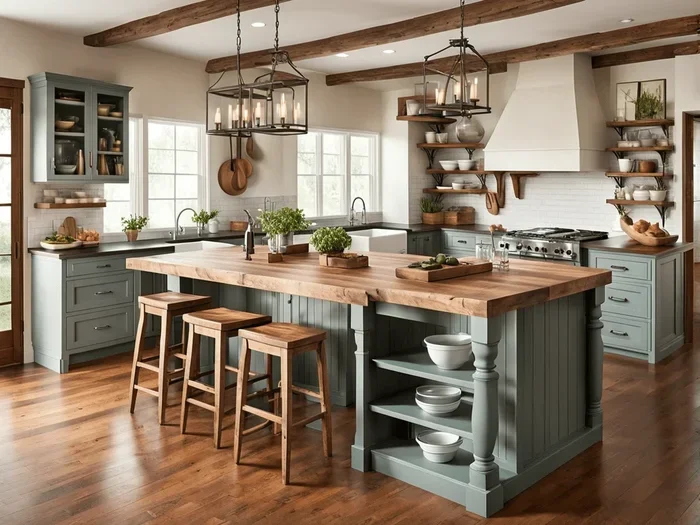
A farmhouse kitchen island can completely transform your cooking space into the heart of your home. These timeless pieces combine rustic character with practical storage, seating, and style. Whether you prefer a rustic farmhouse kitchen island or a modern twist on the classic look, there is a design for every home. In this guide, we share the best farmhouse kitchen island ideas, materials, and tips to help you create a space you will love for years to come.
A farmhouse kitchen island is more than just a countertop. It is the centerpiece of a home where family gathers, meals come together, and daily life unfolds. If you have been dreaming about updating your kitchen, a farmhouse-style island can bring warmth, character, and real everyday value to your space.
In this article, we will walk you through the best farmhouse kitchen island ideas, materials, and design tips. You will learn how to choose the right style, select durable surfaces, add smart storage, and finish your island with the perfect lighting and decor. Whether you are planning a full kitchen renovation or just want to refresh your current setup, this guide has everything you need.
Key Takeaways
- Farmhouse kitchen islands add both style and function to any home, making them a top choice for kitchen renovations.
- Popular materials like butcher block, reclaimed wood, and quartz offer durability and rustic charm for your farmhouse kitchen island.
- Seating options range from built-in benches to breakfast bars, giving your island a social and practical gathering spot.
- The right lighting, hardware, and finishing touches can elevate your rustic kitchen island from simple to stunning.
- Proper planning of layout, size, and storage ensures your farmhouse kitchen island fits your space and lifestyle perfectly.
- Mixing modern elements with classic farmhouse decor creates a timeless look that works in any country kitchen or open-concept home.
📑 Table of Contents
Why a Farmhouse Kitchen Island Is a Game-Changer
A farmhouse kitchen island does so much more than look beautiful. It gives your kitchen extra counter space, additional storage, and a place for family and friends to gather. In many homes, the kitchen is the most used room, and an island makes it even more functional.
Here are some of the top reasons a farmhouse kitchen island can transform your home:
- Extra prep space for cooking and baking
- Built-in storage for pots, pans, dishes, and small appliances
- A casual breakfast bar or seating area for meals and conversation
- A focal point that ties your farmhouse decor together
- Increased home value and appeal for future buyers
- A dedicated kitchen work zone for prep, cooking, and cleanup
When you add a farmhouse-style island, you are not just upgrading a room. You are creating a space where life happens. Kids do homework at the island. Friends gather for coffee. You chop vegetables while chatting with someone you love. That is the real magic of a farmhouse kitchen island.
What Makes Farmhouse Style So Popular
Farmhouse style has been a top trend in kitchen design for years, and it does not show any signs of slowing down. The reason is simple. People love the warm, inviting feel of farmhouse aesthetics. Think natural materials, soft colors, and a lived-in look that feels comfortable and genuine.
A rustic kitchen island fits perfectly into this style. It often features exposed wood grain, simple lines, and hardware that feels both sturdy and charming. Whether your kitchen is a small country kitchen or a large open-concept space, a farmhouse island brings a sense of ease and authenticity that other styles sometimes struggle to match.
Popular Farmhouse Kitchen Island Styles
Not all farmhouse kitchen islands look the same, and that is a good thing. There are many styles to choose from, each with its own personality. Let us explore some of the most popular options.
Traditional Rustic Farmhouse Kitchen Island
The traditional rustic look leans into natural materials and a warm, aged appearance. A reclaimed wood countertop is a hallmark of this style. You might see thick wooden planks with visible knots, grain patterns, and a weathered finish that tells a story.
Common features include:
- Shiplap panels on the island sides or backsplash
- Open wooden shelving instead of closed cabinets
- Stainless steel or black iron hardware
- A farmhouse sink or apron front sink mounted nearby
- Stone or brick accent walls in the surrounding kitchen
This style works beautifully in homes with a vintage or heritage feel. It brings a cozy, grounded energy that makes everyone feel right at home.
Modern Farmhouse Kitchen Island
If you love the farmhouse vibe but want a cleaner, more updated look, a modern farmhouse kitchen island might be your perfect match. This style keeps the warm, welcoming feel of farmhouse design but pairs it with sleek, contemporary elements.
Key features of a modern farmhouse kitchen island include:
- Clean lines with minimal ornamentation
- A quartz countertop or light-colored granite
- Matte black or brushed nickel hardware
- Integrated lighting strips or modern pendant fixtures
- Flat-panel shaker cabinet style doors on island cabinetry
The beauty of the modern farmhouse look is its versatility. It fits into almost any home, from a suburban house to a downtown apartment with an open-concept kitchen. You get the charm of farmhouse style without the heavy, ornate details.
Rustic Farmhouse Kitchen Island with a Twist
Some homeowners like to mix farmhouse charm with unexpected elements. A rustic farmhouse kitchen island can include industrial touches like black iron pipe legs or concrete countertops. It might feature a live-edge wood slab that keeps the natural shape of the tree.
These creative twists give your island a one-of-a-kind look. They show personality and make your kitchen feel truly custom. You do not have to follow every rule of farmhouse design. Just keep the core feeling of warmth and simplicity, and add your own personal touch.
Materials and Surfaces for Your Farmhouse Kitchen Island
Choosing the right material for your farmhouse kitchen island is one of the most important decisions you will make. The surface needs to look great, stand up to daily use, and fit your budget. Here are the top options homeowners love.
Butcher Block Countertops
Nothing says farmhouse kitchen island like a butcher block countertop. This classic material is warm, inviting, and perfect for food prep. Butcher block is typically made from hardwoods like maple, oak, or walnut, and it brings a natural beauty that is hard to replicate.
Benefits of butcher block include:
- Natural warmth that fits the farmhouse aesthetic
- Durable enough for everyday chopping and cutting
- Easy to sand and refinish when it needs refreshment
- Affordable compared to stone or quartz options
The one thing to keep in mind is that butcher block requires some care. It should be sealed regularly and kept dry to prevent warping or staining. But with proper maintenance, a butcher block countertop can last for decades.
Quartz and Granite
If you want a farmhouse kitchen island that is both stylish and low-maintenance, quartz or granite is an excellent choice. These stone surfaces are heat-resistant, scratch-resistant, and non-porous, which means they do not absorb spills the way wood can.
Light-colored quartz works especially well in a farmhouse setting. It brightens up the kitchen and pairs beautifully with wood elements and soft, neutral tones. Dark granite adds drama and a more bold, grounded feel.
Reclaimed Wood and Concrete
For a truly unique farmhouse kitchen island, consider reclaimed wood or concrete. Reclaimed wood comes from old barns, factories, or ships, giving your island a story and a one-of-a-kind character. Concrete countertops can be poured in any shape, stained in any color, and polished to a smooth or textured finish.
Both materials are durable and eco-friendly. They appeal to homeowners who want their kitchen to stand out and reflect their personal values. A reclaimed wood island top paired with a concrete base creates a stunning contrast that is both rustic and modern.
Laminate and Tile Options
Not every farmhouse kitchen island needs a premium material. Laminate countertops have come a long way and now offer realistic wood grains and stone patterns at a fraction of the cost. Subway tile is another classic farmhouse choice for island surfaces and backsplashes alike.
These budget-friendly options let you achieve the farmhouse look without breaking the bank. They are easy to clean and replace, which makes them practical for busy households.
Storage and Seating Solutions
A farmhouse kitchen island is only as good as its functionality. Storage and seating are two areas where you can really make your island work harder for you. Let us look at some smart solutions.
Smart Storage Ideas for Your Kitchen Island
One of the best things about a farmhouse kitchen island is the storage it provides. Instead of bending down into lower cabinets, you can access items right at counter height. Here are some popular storage options:
- Open shelves for displaying dishes, cookbooks, and mugs
- Drawer cabinets for utensils, gadgets, and small tools
- Cubby shelves for cutting boards, baking sheets, and trays
- A lower shelf for baskets, towels, or pantry items
- Hidden cabinets with doors for a clean, uncluttered look
When planning your storage, think about what you use most often. Keep daily items like plates and glasses within easy reach. Store seasonal or rarely used items in the higher or harder-to-reach spots. A well-organized farmhouse kitchen island makes cooking and cleaning much more enjoyable.
Seating Options That Work for Every Family
Seating is what turns a farmhouse kitchen island into a social hub. There are several seating options to consider, and the right choice depends on your space, family size, and lifestyle.
Bar stools are the most common choice for kitchen islands. They come in many styles, from simple wooden stools to upholstered designs with cushioned seats. Counter-height bar stools work best with islands that have a breakfast bar or raised seating area.
Built-in benches are another great option, especially for a more traditional farmhouse look. A long bench with storage underneath gives you extra seating and extra space in one smart package. Benches also create a cozy, communal feel that encourages family members to sit together.
For smaller kitchens, consider a narrow ledge or a half-wall that can serve as a casual seating spot. You do not need full bar seating to enjoy the benefits of a farmhouse kitchen island with a place to sit.
How Much Seating Do You Need?
A good rule of thumb is to allow about 24 to 30 inches of space per person. This gives everyone enough room to sit comfortably and pull out without feeling crowded. For a family of four, an island with 8 to 10 feet of seating length works well.
Also, think about traffic flow. Leave at least 36 inches between the island and any surrounding counters or cabinets so people can move freely. A farmhouse kitchen island should bring people together, not create a bottleneck in your kitchen.
Lighting and Finishing Touches
The right lighting can make your farmhouse kitchen island shine, both literally and figuratively. Good lighting highlights the beauty of your island, makes food prep easier, and sets the mood in the entire kitchen.
Best Lighting for a Farmhouse Kitchen Island
Pendant lights are the go-to choice for farmhouse kitchen islands. They hang directly over the island and provide focused task lighting while adding a decorative element. A series of three or five pendants in a row creates a beautiful focal point above the counter.
Popular lighting styles for a farmhouse kitchen island include:
- Milk glass pendants for a soft, traditional glow
- Black iron or brass fixtures for an industrial farmhouse feel
- Woven rattan or wood shades for a cozy, natural look
- LED strip lights installed underneath for a modern touch
Make sure your pendants hang at the right height. A general guideline is 30 to 36 inches above the countertop. This provides plenty of light without blocking the view or getting in the way of cooking.
Hardware and Fixtures That Complete the Look
Small details like drawer pulls, cabinet knobs, and faucet styles can make a big difference in your farmhouse kitchen island design. For an authentic farmhouse look, choose hardware in brushed nickel, oil-rubbed bronze, or matte black.
If your island includes a sink, a pot filler faucet or a farmhouse sink adds a genuine country kitchen feel. Open shelving paired with simple wooden or iron brackets keeps the look casual and inviting. Even something as small as a decorative towel hook or a wooden cutting board on the counter can pull the whole design together.
Adding Farmhouse Decor to Your Island
Decor is what gives your farmhouse kitchen island its personality. A small vase of fresh flowers, a stack of vintage cookbooks, or a basket of fruit adds warmth and charm. You can also display a collection of mason jars, copper pots, or ceramic bowls for a rustic, curated look.
The key is to keep it simple and intentional. A farmhouse kitchen island should feel curated, not cluttered. Choose a few meaningful pieces and let them breathe. This creates a look that feels both stylish and lived-in.
How to Choose the Right Farmhouse Kitchen Island for Your Space
Not every kitchen is the same, and choosing the right farmhouse kitchen island starts with understanding your space and needs. Here are some practical tips to guide your decision.
Measure Your Kitchen Before You Buy
Before you start shopping for a farmhouse kitchen island, grab a tape measure. Note the length, width, and height of your kitchen. Pay attention to doorways, windows, and any existing cabinets or appliances that might affect placement.
A general guideline is to leave at least 42 inches of clearance around the island for comfortable movement. If your kitchen is smaller, a compact island with a length of 4 to 6 feet can still provide the benefits of extra counter space and storage without overwhelming the room.
Match Your Island to Your Kitchen Layout
Think about how your kitchen flows. In an open-concept kitchen, a large farmhouse kitchen island can serve as a natural divider between the cooking area and the living space. In a galley-style kitchen, a narrow island along one wall maximizes function without blocking the path.
For L-shaped or U-shaped kitchens, an island placed in the open section of the layout creates a natural gathering spot. It draws people in and makes the kitchen the social center of the home.
Set a Realistic Budget
The cost of a farmhouse kitchen island can vary widely depending on materials, size, and customization. A basic DIY island with a butcher block top and simple legs might cost a few hundred dollars. A custom-built island with quartz countertops, built-in seating, and professional installation can range from several thousand to over ten thousand dollars.
Set a budget before you start, and prioritize the features that matter most to you. A beautiful countertop and good storage will always be worth the investment, even if you keep the base and legs simple.
Common Mistakes to Avoid
When planning your farmhouse kitchen island, watch out for these common mistakes:
- Choosing the wrong size. An island that is too large or too small can throw off your entire kitchen layout.
- Ignoring electrical needs. If you want outlets on your island for appliances or charging stations, plan for them early in the design process.
- Skipping proper ventilation. If your island includes a cooktop or range hood, make sure it is properly vented.
- Overloading with decor. Too many items on your island can make it feel cluttered and reduce its functionality.
- Forgetting about comfort. Seating that is too high, too low, or too hard will keep people from using your island as much as you hoped.
Expert Tips for a Stunning Result
Interior designers who specialize in farmhouse kitchens often share a few pieces of advice. First, keep your color palette consistent. Choose two or three main colors and stick with them throughout the island and surrounding kitchen. Second, invest in quality hardware. Drawer slides, hinges, and cabinet pulls may seem small, but they affect how your island feels and functions every single day.
Third, do not underestimate the power of lighting. A well-lit farmhouse kitchen island looks more spacious, more inviting, and more beautiful than one without proper fixtures. Finally, trust your instincts. Your kitchen should reflect your personal style and the way your family actually lives. A farmhouse kitchen island that works for you is always the right choice.
Conclusion
A farmhouse kitchen island is one of the best investments you can make in your home. It adds storage, seating, counter space, and a focal point that brings your entire kitchen together. From traditional rustic designs to modern farmhouse updates, there is a farmhouse kitchen island style for every home and every budget.
By choosing the right materials, planning smart storage, adding comfortable seating, and finishing with the perfect lighting and decor, you can create an island that is both beautiful and practical. Your farmhouse kitchen island will become the place where memories are made, meals are shared, and everyday life feels a little more special.
Start planning your farmhouse kitchen island today. Use the ideas, tips, and inspiration from this guide to create a space that reflects your style and serves your family for years to come. A well-designed farmhouse kitchen island is not just a trend. It is a timeless addition that adds real value and real joy to your home.
Frequently Asked Questions
What is the best material for a farmhouse kitchen island?
Butcher block is one of the most popular materials for a farmhouse kitchen island because it is warm, affordable, and easy to maintain. Quartz and granite are great alternatives if you want a more durable, low-maintenance surface. Reclaimed wood is another excellent option for a truly rustic look.
How big should a farmhouse kitchen island be?
The ideal size depends on your kitchen space. A good rule of thumb is to leave at least 42 inches of clearance around the island. Most farmhouse kitchen islands range from 4 to 8 feet in length and 2 to 3 feet in depth, depending on the layout and purpose.
Can I build a farmhouse kitchen island myself?
Yes, many homeowners build their own farmhouse kitchen island as a DIY project. Simple designs with butcher block tops and basic legs are very doable for beginners. More complex builds with plumbing, electrical, or custom cabinetry may require professional help.
What lighting works best above a farmhouse kitchen island?
Pendant lights are the most popular choice for farmhouse kitchen islands. A series of three or five pendants in a row creates a balanced, attractive look. Milk glass, black iron, and brass fixtures all work well with the farmhouse aesthetic.
How much does a farmhouse kitchen island cost?
The cost varies widely based on materials, size, and customization. A basic DIY island can cost a few hundred dollars, while a custom-built island with professional installation can range from $3,000 to $10,000 or more. Planning your budget early helps you make smart decisions about where to invest.
What style of seating goes best with a farmhouse kitchen island?
Wooden bar stools and built-in benches are the most common seating choices for a farmhouse kitchen island. For a modern farmhouse look, you can pair the island with upholstered stools in neutral tones. The key is to keep the seating style consistent with the overall design of your kitchen.

