
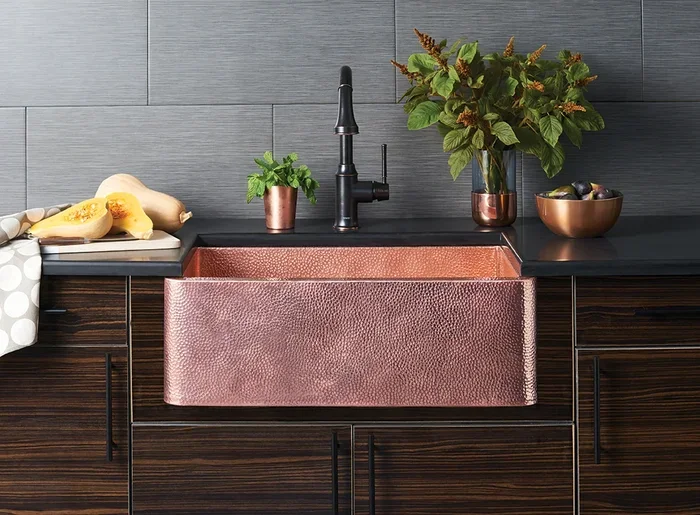
Are copper kitchen sinks a good idea? Absolutely — if you love style and durability. Copper kitchen sinks bring a warm, rustic look that elevates any kitchen. They also offer natural antimicrobial benefits that keep surfaces cleaner. However, they require regular maintenance and can dent or scratch over time. This guide covers everything you need to decide if a copper sink fits your kitchen.
Are copper kitchen sinks a good idea? That is a question many homeowners ask when they want something unique in their kitchen. Copper sinks stand out. They bring warmth, character, and a touch of old-world charm to modern spaces. But beauty is only one piece of the puzzle. You also need to think about durability, cost, and daily care. In this guide, we walk through everything you need to know. By the end, you will have a clear answer for your own kitchen.
A copper kitchen sink is not just a fixture. It is a statement piece. When guests walk into your kitchen, that warm reddish-brown tone grabs attention immediately. But beyond looks, copper has real functional benefits. It naturally fights germs and bacteria. That alone makes it worth considering for any food prep area. Still, copper comes with trade-offs. It needs attention. It costs more upfront. And it changes color over time. Let us dig into the details so you can decide with confidence.
## What Makes Copper Kitchen Sinks Special
Copper kitchen sinks have been around for centuries. They trace their roots back to ancient civilizations. People valued copper for its beauty and its ability to keep water clean. Today, copper sinks come in many styles. You can find hand-hammered copper sinks with a rustic feel. You can also find polished copper sinks that shine like new pennies. The material is also available in different thicknesses. Thicker copper holds up better over time.
### The Science Behind Copper
Copper has natural antimicrobial properties. Studies show that copper surfaces kill bacteria within hours. This is not just a claim. Research backs it up. The EPA has registered copper as the only solid antimicrobial material. That means a copper sink surface helps reduce germs. This is a big deal in a kitchen where you prepare food daily. When you are chopping vegetables or rinsing produce, a cleaner surface matters.
### How Copper Changes Over Time
One of the most interesting things about copper is how it ages. Fresh copper has a bright, reddish-gold color. Over weeks and months, it develops a patina. Patina is a natural oxidation layer. It turns the surface a darker brown or even greenish tone. Many people love this change. It gives the sink a lived-in, vintage feel. Others prefer to keep their copper shiny. You can polish it back anytime. The patina also acts as a protective layer. It helps prevent further corrosion.
## Pros of Copper Kitchen Sinks
There are many reasons to consider a copper sink. Let us look at the top benefits.
### Natural Germ Fighter
As mentioned, copper kills bacteria naturally. This is a huge advantage in the kitchen. You touch your sink many times a day. You rinse raw meat, wash vegetables, and clean dishes. A copper surface helps reduce the spread of harmful microbes. This is especially important for families with young children. You want a kitchen surface that works hard to stay clean.
### Stunning Visual Appeal
Nothing else looks quite like copper. It adds a luxurious, warm feel to any kitchen. Copper sinks pair well with many design styles. They look great in farmhouse kitchens. They also shine in modern minimalist spaces. The way light hits a copper surface creates depth and dimension. It makes your kitchen feel more inviting. If you love the idea of a kitchen that feels curated and intentional, copper delivers.
### Long-Lasting Durability
Copper is a strong metal. It does not rust like iron or steel. A well-maintained copper sink can last 30 years or more. It resists corrosion and holds its shape. Even with daily use, copper holds up remarkably well. Over time, it develops character rather than falling apart. This makes it a smart long-term investment for your home.
### Eco-Friendly Material
Copper is fully recyclable. Many copper sinks are made from recycled materials. The mining and production process has also improved over the years. Choosing copper means making a more sustainable choice. It reduces landfill waste. It also supports a circular economy. If being eco-friendly matters to you, copper is a strong option.
## Cons of Copper Kitchen Sinks
Copper is not perfect. Here are the downsides you should know about.
### Higher Upfront Cost
Copper sinks cost more than most alternatives. A basic copper sink might run $500 to $800. High-end hand-hammered copper sinks can exceed $2,000. Installation costs add to the price. You may also need a professional installer. Copper is heavier than other sink materials. This can affect your cabinet and countertop setup. You will need to factor all of this into your budget.
### Requires Regular Maintenance
Copper does not stay shiny on its own. It develops patina, which some love and some do not. If you want to keep that bright copper look, you must polish it regularly. This means using specific copper cleaners. You also need to dry the sink after each use. Water spots can build up fast. Neglecting care can lead to uneven tarnishing. This is not a set-it-and-forget-it material.
### Susceptible to Dents and Scratches
Copper is a soft metal. It dents more easily than stainless steel. Hard pots and pans can leave marks. Even regular use can cause small scratches over time. Some people see this as part of the charm. Others find it frustrating. You should be gentle with a copper sink. This means avoiding harsh impacts and abrasive cleaners.
### Noise Factor
Copper sinks can be noisy. Water hitting the metal creates more sound than other materials. Some people do not mind this. Others find it distracting. You can reduce noise by adding a sink mat or rubber liner. This is a simple fix, but it is worth knowing before you buy.
## Copper vs. Other Sink Materials
How does copper stack up against the competition? Let us compare.
Copper vs. Stainless Steel
Stainless steel is the most popular kitchen sink material. It is affordable, durable, and easy to clean. Copper offers better antimicrobial properties. Copper also looks more unique and warm. But stainless steel is harder and more resistant to dents. If you want low maintenance, stainless steel wins. If you want style and germ-fighting power, copper has the edge.
Copper vs. Porcelain
Porcelain sinks are classic and clean-looking. They are affordable and come in many colors. However, porcelain can chip and crack over time. Copper does not chip. Copper develops patina instead. Porcelain is easier to clean, but copper offers more character. Both are solid choices depending on your style.
Copper vs. Fireclay
Fireclay sinks are heavy and durable. They resist scratches and heat well. But they lack the unique look of copper. Fireclay sinks also cost a lot. Copper offers a more distinctive appearance. It also brings antimicrobial benefits that fireclay does not have.
### Quick Comparison Table
| Feature | Copper | Stainless Steel | Porcelain | Fireclay |
|---|---|---|---|---|
| Antimicrobial | Yes | No | No | No |
| Durability | High | Very High | Medium | High |
| Cost Range | $500-$2,000+ | $200-$800 | $300-$700 | $500-$1,200 |
| Maintenance | Moderate | Low | Low | Low |
| Dentin g Risk | Moderate | Low | High | Low |
| Aesthetic | Rustic, warm | Modern, clean | Classic, white | Classic, heavy |
## How to Care for Your Copper Kitchen Sink
Proper care makes all the difference with a copper sink. Here is how to keep it looking great.
### Daily Cleaning Routine
Rinse your copper sink after each use. Use warm water and a mild dish soap. Wipe it dry with a soft cloth. This prevents water spots from forming. Avoid leaving standing water in the sink. It can cause uneven tarnishing. A quick wipe-down takes only a minute but pays off over time.
### Deep Cleaning Tips
Every few weeks, give your copper sink a deeper clean. Use a copper-safe cleaner. You can also make a paste from lemon juice and salt. Apply it gently with a soft cloth. Rub in circular motions. Rinse thoroughly and dry completely. Never use abrasive pads or harsh chemicals. These can damage the copper surface.
### Preventing Damage
Use a sink mat to reduce noise and prevent dents. Do not drop heavy pots directly into the sink. Avoid bleach and ammonia-based cleaners. They can strip the copper finish. If you cook acidic foods like tomatoes or lemons, rinse the sink promptly. Acid can cause discoloration if left too long.
### Dealing with Patina
Patina is natural and protective. Many copper sink owners embrace it. If you prefer a shiny look, use a copper polishing solution. Apply it with a soft cloth. Buff until the shine returns. Keep in mind that patina will come back over time. This is part of the copper experience. Many people find it adds to the sink’s charm.
## Are Copper Kitchen Sinks a Good Idea for Your Home?
So, are copper kitchen sinks a good idea? The answer depends on your priorities. If you value unique style, natural hygiene, and long-term durability, copper is a fantastic choice. It brings something no other sink material can match. The warm tones and evolving patina make your kitchen feel alive.
However, copper is not ideal for everyone. If you want a sink that requires zero effort, choose stainless steel or porcelain. If you are on a tight budget, copper may stretch your finances. And if you have young kids who are rough on fixtures, the dent risk may bother you.
### Who Should Choose a Copper Sink
Copper sinks work best for certain homeowners. If you love cooking and spend a lot of time in the kitchen, you will appreciate the antimicrobial benefits. If you follow design trends and want a kitchen that feels curated, copper adds instant personality. If you care about sustainability, copper is a responsible choice. It is also great for farmhouse and rustic kitchen designs.
### Who Should Skip Copper
Copper may not be the best fit if you want a low-maintenance kitchen. Busy households with lots of daily activity may find copper too high-maintenance. Rental property owners should also think twice. The cost and care requirements may not make sense for short-term stays.
### The Bottom Line
Copper kitchen sinks are a premium choice. They offer benefits that go beyond looks. The antimicrobial properties alone set them apart. The aesthetic appeal is hard to beat. And with proper care, a copper sink lasts for decades. If you are willing to invest the time and money, a copper sink can transform your kitchen. It becomes more than a functional fixture. It becomes a focal point that tells a story.
## Quick Tips for First-Time Copper Sink Owners
- Start with a thicker gauge copper. Thicker copper resists dents and lasts longer. Look for 16-gauge or thicker.
- Add a sink mat right away. This protects the surface and reduces noise from day one.
- Dry the sink after every wash. This simple habit prevents water spots and uneven tarnishing.
- Use only copper-safe products. Harsh chemicals will damage the finish and void any warranty.
- Embrace the patina. Do not fight the natural aging process. It is what makes copper special.
- Pair with warm kitchen tones. Copper looks stunning with wood countertops and warm lighting. A kitchen that features beautiful food displays like Greek Salad in a Jar will complement the warm tones of copper perfectly. Similarly, refreshing summer treats such as Frozen Watermelon On A Stick served from the kitchen island pair beautifully with the inviting aesthetic of a copper sink.
## Common Mistakes to Avoid
Many first-time copper sink owners make avoidable errors. Here are the biggest ones.
Using steel wool or abrasive scrubbers. These scratch the copper surface permanently. Always use soft cloths or sponges.
Skipping the drying step. Water left on copper causes spots and streaks. A quick towel dry makes a huge difference.
Over-polishing. Polishing too often removes the protective patina layer. Once or twice a month is plenty.
Ignoring leaks. Even small leaks can damage the sink and surrounding cabinetry. Check connections regularly.
Buying the wrong gauge. Thin copper dents easily. Always check the thickness before purchasing.
## Expert Insights on Copper Kitchen Sinks
Interior designers and plumbers share valuable perspectives on copper sinks. Many professionals recommend copper for homeowners who want a kitchen with soul. The material ages beautifully and becomes more personal over time. Plumbers appreciate copper’s resistance to corrosion. It holds up well against hard water and mineral buildup. Designers love how copper ties together different kitchen elements. It bridges traditional and contemporary styles effortlessly.
One thing experts consistently advise is proper installation. A copper sink should be installed by someone experienced. The weight of copper is heavier than most people expect. Proper support prevents sagging and ensures longevity. If you are doing a full kitchen renovation, coordinate with your installer from the start.
## Final Thoughts
Are copper kitchen sinks a good idea? For the right homeowner, absolutely. Copper brings together beauty, function, and health benefits in one stunning package. It is not the easiest material to maintain. And it is not the cheapest option on the market. But the payoff is significant. A copper kitchen sink becomes a conversation starter. It adds value to your home. And it serves you well for decades.
If you are ready to invest in something special, a copper sink deserves serious consideration. Weigh the pros and cons honestly. Think about your lifestyle and kitchen style. And then make a confident choice. Whether you go with copper or another material, the best sink is one that makes your kitchen feel like home.
Key Takeaways
- Natural Antimicrobial Power: Copper kills bacteria and viruses on contact, making it a hygienic choice for food prep areas.
- Unique Aesthetic Appeal: Copper sinks develop a beautiful patina over time, adding character and warmth to any kitchen.
- Durability and Longevity: When properly cared for, copper sinks last decades and resist corrosion.
- Higher Cost: Copper sinks cost more than stainless steel or porcelain, often ranging from $500 to $2,000+.
- Regular Maintenance Required: You will need to clean and polish copper sinks regularly to maintain their look.
- Soft Metal: Copper dents and scratches more easily than harder materials like stainless steel.
- Eco-Friendly Option: Copper is recyclable and often sourced sustainably, making it a greener choice.
Frequently Asked Questions
Do copper kitchen sinks require a lot of maintenance?
Copper sinks need more care than stainless steel or porcelain. You should rinse and dry the sink after each use. Deep cleaning every few weeks helps maintain the finish. However, the maintenance routine is simple and quick once you build it into your habits.
Can you use a copper sink with hard water?
Yes, copper handles hard water better than many other materials. The patina that forms actually protects the surface. However, hard water can cause spotting. Drying the sink after use minimizes this issue. A water softener in your home also helps.
Is copper safe for food preparation areas?
Absolutely. Copper has natural antimicrobial properties that kill bacteria. The EPA recognizes copper as an antimicrobial surface. This makes copper sinks a safe and hygienic choice for kitchens where food is prepared daily.
How long does a copper kitchen sink last?
A well-maintained copper sink can last 30 years or more. Copper does not rust or corrode easily. It develops character over time rather than deteriorating. The lifespan depends on care, usage, and the quality of the copper gauge you choose.
Does a copper sink make noise when water hits it?
Copper sinks can be louder than other materials. The metal transmits sound more readily. You can reduce noise by adding a rubber sink mat or liner. This is a simple and affordable solution that makes a noticeable difference.
Can you install a copper sink yourself?
It is possible but not recommended for most homeowners. Copper sinks are heavier than standard sinks. Proper support and plumbing connections require experience. Hiring a professional ensures a secure, leak-free installation. This protects both your sink and your cabinets.
=== CONCLUSION ===
Copper kitchen sinks are a bold, beautiful, and functional choice for any home. They offer antimicrobial protection, stunning visual appeal, and long-lasting durability. The upfront cost is higher, and the maintenance requires effort. But the results are worth it. A copper sink transforms your kitchen into a space that feels warm, inviting, and full of character. Consider your lifestyle, budget, and design goals. If copper speaks to you, go for it. Your kitchen will thank you every single day.

