
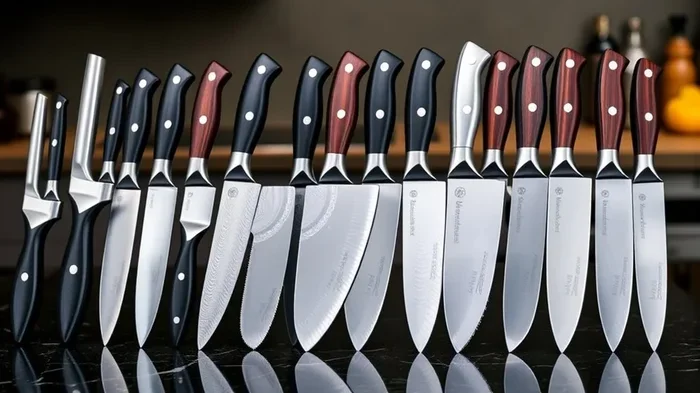
Looking for the best kitchen knives reviews to upgrade your cooking? This guide covers top-rated chef knives, santoku knives, and knife sets with honest expert insights. You will learn which blades suit your needs, how to pick the right knife, and simple care tips that keep your tools sharp for years.
If you have ever struggled with a dull blade or a knife that slips while you chop, you know how frustrating cooking can be. kitchen knives reviews exist to help you find the right tools that make your time in the kitchen smoother and more enjoyable. A great knife is not just a luxury. It is one of the most important cooking essentials you will ever own.
In this guide, we break down the best kitchen knives reviews and share what real users love about each pick. Whether you are a beginner or a seasoned home cook, you will find practical advice on choosing the right chef knife, santoku knife, or knife set. We also cover blade materials, handle comfort, knife maintenance, and storage tips that will keep your kitchen cutlery in top shape.
By the end of this article, you will know exactly which knives deserve a spot in your kitchen. You will also learn simple habits that sharpen your knife skills and make every meal prep faster and safer. Let us dive in and find the perfect blade for you.
Key Takeaways
- Quality matters: The right kitchen knives reviews help you find blades that stay sharp, feel great, and last for years.
- Match the knife to the task: Different knives serve different purposes, from slicing bread to trimming herbs.
- Blade material is key: High carbon steel and stainless steel each offer unique benefits for your kitchen.
- Maintenance extends life: Regular sharpening and proper storage keep your knives performing at their best.
- Handle comfort counts: A good knife handle reduces fatigue and improves your knife skills over time.
- Sets can save money: A well-chosen kitchen knife set offers value without sacrificing quality.
- Avoid common mistakes: Using the wrong knife or skipping care leads to dull blades and frustration.
📑 Table of Contents
Why Kitchen Knives Reviews Matter
Not all knives are created equal. A quick look online shows hundreds of options, from budget-friendly sets to premium brands that cost a fortune. Reading kitchen knives reviews helps you cut through the noise and find tools that truly work well. Reviews give you real-world feedback from people who have actually used the products in their own kitchens.
How Reviews Help You Make Better Choices
When you read best kitchen knives reviews, you learn about blade sharpness, edge retention, and overall build quality. You also discover how a knife feels in the hand during long prep sessions. These details matter more than any marketing claim. A knife that looks great on paper might feel awkward when you are dicing onions for a family dinner.
Reviews also highlight durability. Some knives lose their edge after just a few months, while others stay sharp through years of daily use. By reading honest feedback, you avoid wasting money on knives that will let you down. This is especially true when you are shopping for a kitchen knife set as a gift or for a new kitchen.
What Makes a Review Trustworthy
Not every review is created equal. Look for reviews that go beyond a simple star rating. The best kitchen knives reviews include details about blade material, handle design, weight, and balance. They also mention how the knife performs on different foods like tomatoes, bread, and herbs.
Trustworthy reviews often come from experienced cooks or professional chefs. They understand knife skills and know what makes a blade truly great. Look for reviews that mention long-term use, not just first impressions. A knife that feels good on day one might not hold up after months of knife maintenance.
Top Kitchen Knives We Reviewed
We have gone through dozens of kitchen knives reviews to bring you the most reliable picks. Each section below highlights a different type of knife and what makes it stand out. These recommendations cover a range of budgets and cooking styles.
Best Chef Knife for Everyday Use
The chef knife is the workhorse of any kitchen. It handles almost every task, from chopping vegetables to slicing meat. When reading kitchen knives reviews, the chef knife always comes up as the most used blade in the block.
A high-quality chef knife features a wide blade that rocks smoothly on the cutting board. Look for high carbon steel or stainless steel knife options that hold a sharp edge. The best chef knives feel balanced in your hand and do not cause wrist strain during long prep sessions.
Many home cooks love an 8-inch chef knife for its versatility. It is big enough to handle large vegetables and small enough for precise work. If you invest in just one knife, make it a great chef knife. It will become your go-to kitchen utensil for everything from mincing garlic to breaking down a whole chicken.
Best Santoku Knife for Precision Cutting
The santoku knife originated in Japan and has become a favorite among home cooks worldwide. Its name means “three virtues,” referring to its ability to slice, dice, and mince with ease. If you want a lighter alternative to the chef knife, the santoku is worth exploring in your kitchen knives reviews search.
Santoku knives have a flatter blade profile compared to Western-style chef knives. This design lets you make precise straight-down cuts rather than rocking motions. The granton edge, which features small hollow dimples along the blade, prevents food from sticking. This is especially helpful when slicing thin pieces of fish or vegetables.
Many premium knives now offer santoku options with beautiful high carbon steel blades. These knives are lighter and thinner, making them ideal for cooks who value precision over heavy-duty chopping. If you enjoy Japanese-style knife skills, a santoku will feel like a natural extension of your hand.
Best Bread Knife for Slicing Loaves
A good bread knife makes slicing loaves effortless. Without one, you end up crushing the soft interior while trying to cut through the crust. The serrated edge of a bread knife grips the surface and glides through without applying too much pressure.
When reading kitchen knives reviews for bread knives, pay attention to blade length and serration pattern. A longer blade, around 10 inches, handles large artisan loaves with ease. The serrations should be sharp and evenly spaced for clean cuts every time.
Bread knives are not just for bread. They work great on delicate foods like tomatoes, cakes, and soft-skinned fruits. Many cooks consider a quality bread knife an essential part of their kitchen cutlery collection. It is one of those tools you did not know you needed until you had one.
Best Paring Knife for Detail Work
The paring knife is the smallest member of the kitchen knives family, but it plays a huge role. It handles tasks that require precision, such as peeling fruit, deveining shrimp, and trimming vegetables. Do not overlook this small but mighty tool when browsing kitchen knives reviews.
Paring knives typically have blades between 3 and 4 inches long. They come in different shapes, including spear-point and sheep’s foot designs. The spear-point style is great for general peeling and trimming, while the sheep’s foot style offers more control for straight cuts.
Look for a paring knife with a comfortable knife handle that fits your grip. Since you use this knife for detailed work, comfort matters even more. A well-made paring knife with a stainless steel knife blade will serve you reliably for years of everyday kitchen tasks.
Best Kitchen Knife Set for Value
If you are outfitting a new kitchen or replacing an entire set, a kitchen knife set offers great value. These sets typically include a chef knife, santoku knife, bread knife, paring knife, and sometimes a utility knife. They come with a knife block or magnetic strip for convenient knife storage.
When evaluating kitchen knives reviews for sets, consider the quality of each individual knife. Some sets include excellent blades but cheap handles. Others offer premium build quality across the board. Read reviews carefully to understand what you are getting for the price.
A good kitchen knife set should feel balanced and comfortable in hand. The blades should hold their edge through regular use. Sets made from high carbon steel or premium knives brands often deliver the best long-term performance. Think of a quality set as an investment in your daily cooking experience.
How to Choose the Best Kitchen Knives for Your Needs
With so many options available, choosing the right knives can feel overwhelming. Understanding a few key factors will help you navigate kitchen knives reviews with confidence. Here are the most important things to consider before making a purchase.
Blade Material and Steel Type
The blade material determines how sharp a knife stays and how easy it is to maintain. The two most common options are high carbon steel and stainless steel. Each has its own strengths and trade-offs.
High carbon steel blades are known for their exceptional sharpness and edge retention. They take a very fine edge and stay sharp longer than many other materials. However, they require more care. High carbon steel can rust or discolor if exposed to moisture for too long. You need to dry these knives immediately after washing.
Stainless steel knives are more resistant to corrosion and easier to maintain. They are a popular choice for everyday cooking because they handle kitchen moisture well. The trade-off is that they may not hold an edge as long as high carbon steel. Many modern stainless steel knife options now blend alloys to offer both durability and sharpness.
Ceramic blades are another option gaining popularity in kitchen knives reviews. They are extremely hard and stay sharp for a very long time. However, they are brittle and can chip if used on hard surfaces like bone or frozen food. Ceramic knives work best for light slicing tasks.
Handle Design and Comfort
The handle is just as important as the blade. A beautiful knife with an uncomfortable handle will cause fatigue and reduce your knife skills over time. When reading kitchen knives reviews, pay close attention to what users say about handle comfort.
Look for handles made from materials like pakkawood, synthetic composites, or stabilized wood. These materials resist moisture and provide a secure grip. The handle should fit naturally in your hand without causing pressure points. Ergonomic designs with a slight curve help reduce strain during long chopping sessions.
Handle shape also matters. Some cooks prefer a rounded handle for a rocking motion, while others like a flat handle for precision grip. If possible, hold the knife before purchasing. Your hand size and grip style are unique, and what works for one person may not work for another.
Knife Balance and Weight
Balance affects how a knife feels during use. A well-balanced knife feels like an extension of your hand. The weight of the blade and handle should work together so the knife does not feel tip-heavy or handle-heavy.
Heavier knives deliver more cutting power and are great for tough tasks like breaking down joints of meat. Lighter knives offer more control for delicate work like trimming and garnishing. When browsing kitchen knives reviews, look for comments about balance from users with similar hand sizes and cooking styles.
The tang of the knife also affects balance and durability. Full tang knives, where the blade metal extends through the entire handle, are stronger and more balanced than partial tang designs. This is one of the first things to check when comparing premium knives in your research.
Knife Maintenance and Care Tips
Even the best knives need proper care to perform their best. Knife maintenance is simple but makes a huge difference in how long your blades last. Follow these tips to keep your kitchen cutlery in excellent condition.
How to Sharpen Your Knives Properly
Knife sharpening is one of the most important skills for any home cook. A sharp knife is safer than a dull one because it requires less force and is less likely to slip. Dull knives cause more accidents because they crush food instead of cutting cleanly.
There are several ways to sharpen your knives. A whetstone is the most traditional and effective method. It gives you full control over the angle and sharpness. Diamond sharpening stones work quickly and are great for high carbon steel blades. Ceramic stones are gentler and work well for stainless steel knife options.
Electric sharpeners offer convenience but remove more metal from the blade. Use them sparingly to avoid shortening the life of your knives. For quick touch-ups between full sharpenings, a honing steel helps realign the blade edge. Many kitchen knives reviews recommend honing your knives after every few uses.
Most home cooks should sharpen their knives every few months and hone them weekly. If you do not enjoy sharpening, consider professional sharpening services or knife sets that include sharpening tools.
Best Ways to Store Your Knives
Proper knife storage protects both your blades and your fingers. Never toss loose knives into a drawer where they can knock against other utensils. This dulls the edge and increases the risk of cuts when reaching in.
A wooden knife block is a classic storage solution that keeps knives organized and protected. Magnetic knife strips mounted on the wall save counter space and look sleek in any kitchen. Blade guards or sheaths are great for storing individual knives in drawers or when traveling.
When choosing a knife block or storage option, make sure it fits the number and sizes of your knives. Many kitchen knife set options come with a matching block. If you buy knives separately, look for adjustable blocks that accommodate different blade lengths.
Common Mistakes People Make with Kitchen Knives
Even experienced cooks sometimes make mistakes that shorten the life of their knives. Learning what to avoid will help you get the most out of your investment. Here are the most common errors people make when using and caring for their kitchen knives.
Using the Wrong Knife for the Job
One of the biggest mistakes is using a chef knife for every task. While the chef knife is versatile, it is not ideal for everything. Using a bread knife to chop vegetables dulls the serrations quickly. Using a paring knife to cut through a hard squash can damage the blade and hurt your hand.
Each knife in your collection has a specific purpose. Use the right knife for each task to preserve the blade edge and improve your knife skills. This simple habit keeps your kitchen utensils performing at their best and makes prep work faster and safer.
Skipping Knife Maintenance
Many cooks buy great knives but neglect basic care. They toss knives in the dishwasher, store them loosely, and never sharpen them. This routine quickly leads to dull, damaged blades. Knife maintenance does not take much time, but it makes a huge difference.
Always hand-wash your knives with warm soapy water and dry them immediately. The heat and moisture in dishwashers can damage handles and cause blades to corrode. Store knives properly and sharpen them on a regular schedule. These small habits will keep your best kitchen knives performing beautifully for years.
Final Verdict
Finding the right knives transforms your cooking experience. Whether you are looking for a single chef knife or a complete kitchen knife set, the right tools make every meal prep session easier and more enjoyable. Kitchen knives reviews give you the honest, detailed information you need to choose with confidence.
Focus on blade quality, handle comfort, and balance. Choose materials that match your cooking style and maintenance preferences. Invest in proper knife maintenance and knife storage to protect your investment. With the right knives and good care, you will notice a real difference in your knife skills and overall cooking experience.
Take the time to research and choose wisely. Your future self, standing at the counter on a busy weeknight, will thank you. The right kitchen cutlery is one of the simplest upgrades that makes the biggest impact in the kitchen.
Frequently Asked Questions
What should I look for in kitchen knives reviews?
Look for details about blade material, handle comfort, balance, and edge retention. Honest reviews also mention real-world performance on different foods and how the knife holds up over time. Avoid reviews that only show pictures without practical experience.
How often should I sharpen my kitchen knives?
Most home cooks should sharpen their knives every two to three months. Honing with a steel should be done weekly to keep the blade edge aligned. Frequency depends on how often you cook and what surfaces you cut on.
Is a kitchen knife set worth the investment?
A quality kitchen knife set offers great value, especially if you need multiple knives at once. Sets often include a chef knife, santoku, bread knife, and paring knife with a storage block. Just make sure each individual knife in the set meets your quality standards.
What is the difference between high carbon steel and stainless steel knives?
High carbon steel knives are sharper and hold their edge longer but require more care to prevent rust. Stainless steel knives are more corrosion-resistant and easier to maintain but may not stay as sharp. Both are excellent choices depending on your maintenance habits.
Can I put my kitchen knives in the dishwasher?
It is best to hand-wash your knives with warm soapy water and dry them immediately. Dishwashers expose knives to harsh detergents and moisture that can damage the blade and handle over time. Hand washing extends the life of your premium knives significantly.
What is the best knife for a beginner cook?
An 8-inch chef knife is the best starting point for most beginner cooks. It handles the majority of kitchen tasks from chopping vegetables to slicing meat. Pair it with a small paring knife for detail work and you will have a solid foundation for your kitchen utensils collection.
=== CONCLUSION ===
The right set of kitchen knives changes the way you cook. When you invest time in reading thorough kitchen knives reviews, you make smarter choices that pay off every time you step into the kitchen. From the versatile chef knife to the precise santoku and the essential bread knife, each tool serves a unique purpose that elevates your cooking.
Choose quality materials, prioritize comfort, and commit to basic knife maintenance. Store your knives properly and sharpen them regularly. These simple habits keep your blades performing at their best and make every meal prep faster and safer. The best kitchen knives reviews guide you toward tools that feel good, cut well, and last for years. Start with one great knife and build your collection over time. Your cooking will thank you every single day.

