
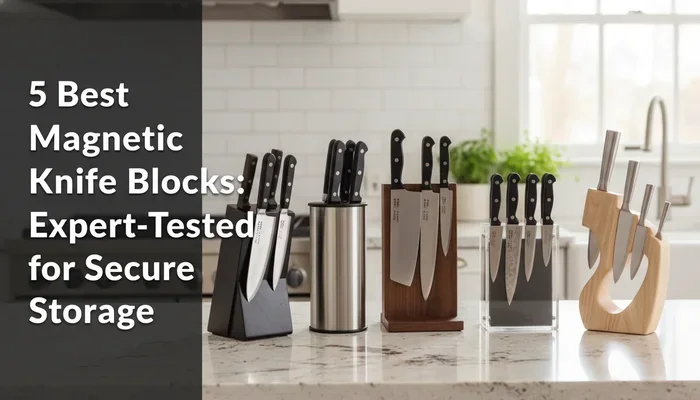
Locking up your kitchen knives is one of the simplest ways to protect your family and keep your blades in great shape. Whether you have curious kids, pets, or just want a more organized kitchen, there are plenty of kitchen knife storage options that keep knives secure and out of reach. This guide walks you through every method, from knife blocks to lockable knife cases, so you can choose what works best for your home.
How to lock up kitchen knives is a question every home cook should take seriously. Kitchen knives are essential tools, but they can also be dangerous if stored improperly. Every year, thousands of household injuries involve kitchen blades that were left loose or accessible to children and pets. The good news is that securing your knives does not have to be complicated or expensive.
In this guide, we will walk you through every practical method for locking up kitchen knives. You will learn about different storage options, how to choose the right one, and common mistakes to avoid. By the end, you will feel confident that your kitchen is safer and your knives are better protected. Let us dive in.
Key Takeaways
- Locking up knives prevents injuries: Secure storage reduces the risk of accidents, especially in homes with children or pets.
- Multiple options exist: From magnetic strips to lockable drawer inserts, there is a solution for every kitchen size and budget.
- Blade guards add extra protection: Using blade guards or knife sheaths keeps edges safe and fingers protected.
- Child safety is a top priority: Locked storage is essential when young children are in the home.
- Proper storage extends knife life: Secured kitchen knife storage prevents blades from dulling or chipping.
- Quick tips save time and money: Small habits like cleaning and drying knives before storage make a big difference.
- Avoid common mistakes: Loose drawers and unprotected blades are the most frequent causes of kitchen knife injuries.
📑 Table of Contents
- Why You Should Lock Up Your Kitchen Knives
- Types of Kitchen Knife Storage and Locking Solutions
- How to Choose the Right Locking System for Your Kitchen
- Step-by-Step Guide to Locking Up Your Kitchen Knives
- Common Mistakes People Make When Storing Kitchen Knives
- Expert Tips for Keeping Your Kitchen Safe and Organized
- Conclusion
Why You Should Lock Up Your Kitchen Knives
Some people think knife safety only matters in professional kitchens. That is not true. Home kitchens can be just as risky, especially when knives are left on counters, tossed in drawers, or stored without any protection. Here is why locking up your knives matters.
Preventing Accidents at Home
Unsecured knives are a leading cause of household injuries. A loose knife in a drawer can easily cut someone reaching for a spoon. Children may pick up a knife thinking it is a toy. Pets can chew on blades and hurt themselves. When you lock up kitchen knives, you remove these risks completely.
Protecting Your Knife Investment
Good kitchen knives are not cheap. A quality set can cost several hundred dollars. When knives are stored loosely, blades can chip, dull, or get scratched. Proper secured knife storage keeps your blades sharp and ready to use for years.
Keeping Your Kitchen Organized
Have you ever opened a drawer and felt a tangle of knives? It is frustrating and unsafe. Locking up kitchen knives goes hand in hand with kitchen organization. When each knife has a designated spot, cooking becomes faster and more enjoyable.
Types of Kitchen Knife Storage and Locking Solutions
Not all storage solutions are created equal. Some are simple and affordable, while others offer maximum security. Let us explore the most popular options for kitchen knife storage that keep your blades locked away safely.
Knife Blocks
A knife block is one of the most common ways to store knives at home. These wooden or plastic holders have slots that keep each knife upright and separated. Many modern knife blocks come with lockable bases or can be secured to a countertop. They are a great choice for everyday use.
Pros:
- Easy to access during cooking
- Keeps blades protected from damage
- Available in many sizes and styles
Cons:
- Some blocks do not lock securely
- Can take up counter space
- Not ideal for large knife collections
Magnetic Knife Strips
Magnetic knife strips are mounted on walls or inside cabinets. They hold knives securely using magnets, keeping blades off countertops and away from children. Many magnetic strips come with lockable covers or can be installed in hard-to-reach spots for extra safety.
Pros:
- Saves counter and drawer space
- Keeps blades dry and clean
- Easy to install
Cons:
- Strong magnets can be a concern around very young children
- May scratch some countertop surfaces
- Not all strips come with locking mechanisms
Lockable Knife Drawers and Inserts
If you prefer hidden storage, a lockable knife drawer or drawer insert is an excellent choice. These systems slide into your existing drawer and lock with a key or combination. They keep knives completely out of sight and reach, making them ideal for child safety.
Pros:
- Fully concealed and secure
- Protects blades from dust and moisture
- Great for homes with small children
Cons:
- Can be more expensive
- Requires a compatible drawer
- Slightly slower to access during cooking
Knife Rolls and Cases
A knife roll bag or lockable knife case is perfect for people who store knives in pantries, camping gear, or mobile kitchens. These fabric or hard-shell cases wrap each knife in a knife protector or blade guard and often include straps or locks to keep everything secure.
Pros:
- Portable and flexible
- Individual blade protection
- Great for travel or small spaces
Cons:
- Not as convenient for daily kitchen use
- May not hold larger knives comfortably
- Fabric rolls can wear out over time
Knife Safes and Lock Boxes
A kitchen lock box or knife safe is the most secure option available. These small safes lock with a combination or key and are designed specifically to hold knives. They are compact enough to fit in a cabinet or pantry and offer the highest level of knife safety.
Pros:
- Maximum security and protection
- Compact and discreet
- Keeps knives completely inaccessible
Cons:
- Higher price point
- May require drilling or mounting
- Slower access compared to other options
How to Choose the Right Locking System for Your Kitchen
With so many knife storage solutions available, choosing the right one can feel overwhelming. Here are the key factors to consider before you buy.
Consider Your Household Needs
Do you have young children or curious pets? If so, prioritize locked drawers or kitchen lock boxes. If your household includes adults only, a magnetic strip or knife block may work well. Always think about who has access to your kitchen.
Evaluate Your Kitchen Space
Small kitchens benefit from wall-mounted magnetic knife strips or compact knife safes. Larger kitchens with extra drawer space can accommodate lockable inserts. Measure your available space before purchasing any storage solution.
Think About Your Knife Collection
How many knives do you own? A small collection fits well in a knife block or roll bag. Larger collections need a knife rack or multiple storage pieces. Make sure your chosen solution can hold all your blades comfortably.
Budget Matters
Kitchen knife storage options range from under $10 for basic blade guards to over $100 for lock boxes and premium magnetic strips. Set a budget before shopping and compare options within your price range. Remember that investing in proper storage saves money on blade replacements.
Quick Tips for Choosing the Right System
- Read customer reviews before buying
- Check if the system is easy to clean
- Look for materials that resist moisture and rust
- Choose a system that matches your knife sizes
- Consider whether you want quick access or maximum security
Step-by-Step Guide to Locking Up Your Kitchen Knives
Now that you know your options, let us walk through the actual process of locking up kitchen knives. Follow these steps for a safer, more organized kitchen.
Step 1: Gather Your Knives and Supplies
Collect all your kitchen knives in one place. You will need your chosen storage solution, cleaning supplies, and any blade guards or knife sheaths you plan to use. Make sure everything is clean and dry before storage.
Step 2: Clean and Dry Each Knife
Wash every knife with warm soapy water and dry it thoroughly. Moisture causes rust and dulls blades over time. This step is simple but often overlooked. Clean knives last much longer in storage.
Step 3: Apply Blade Guards or Sheaths
For extra protection, slide a blade guard or knife sheath over each blade. This prevents blades from touching other surfaces and keeps fingers safe when handling stored knives. It is a small step that makes a big difference.
Step 4: Place Knives in Your Chosen Storage
Insert each knife into its designated spot. If you are using a knife block, make sure the blade fits snugly in the slot. For magnetic strips, place knives flat against the surface. In a lockable knife drawer, arrange knives so they do not overlap.
Step 5: Lock or Secure the Storage
This is the most important step. Close the knife block, engage the lock on your drawer insert, or shut the kitchen lock box. If you have a magnetic strip with a cover, close it now. Make sure nothing can open accidentally.
Step 6: Store in a Safe Location
Place your locked storage in a spot that is not easily accessible to children or pets. Upper cabinets, high shelves, or locked pantries work well. The goal is to keep secured knife storage out of reach while still being convenient for you.
Step 7: Establish a Routine
Make it a habit to return knives to their locked storage after every use. This simple routine keeps your kitchen safe and your knife injury prevention efforts consistent. A few seconds after cooking can save a lot of trouble later.
| Storage Type | Security Level | Price Range | Best For |
|---|---|---|---|
| Knife Block | Medium | $15 – $50 | Everyday home cooking |
| Magnetic Strip | Medium-High | $20 – $60 | Space-saving and modern kitchens |
| Lockable Drawer Insert | High | $30 – $80 | Homes with children |
| Knife Roll or Case | Medium | $15 – $40 | Travel and small kitchens |
| Knife Safe or Lock Box | Very High | $40 – $120 | Maximum security needs |
| Blade Guards Only | Low-Medium | $5 – $20 | Budget-friendly added protection |
Common Mistakes People Make When Storing Kitchen Knives
Even with good intentions, many people make mistakes when storing their knives. Here are the most common errors and how to avoid them.
Leaving Knives Loose in Drawers
This is the number one mistake. Tossing knives into a drawer without any protection creates a safety hazard every time someone opens it. Loose blades can shift, touch other utensils, and cause cuts. Always use a drawer insert, blade guards, or a kitchen cabinet lock to secure loose knives.
Skipping Blade Guards
Some people store knives without any knife protector or sheath. This leads to nicked blades and dull edges over time. A simple blade guard costs just a few dollars and adds a layer of protection that is well worth it.
Storing Knives Near Moisture
Placing knives near the sink or dishwasher opens them up to moisture damage. Rust forms quickly on unprotected blades. Always store knives in a dry area and make sure they are completely dry before putting them away.
Overcrowding the Storage
cramming too many knives into one knife block or roll bag damages blades. Each knife needs its own space. Overcrowding causes blades to press against each other, leading to chips and dull spots.
Ignoring the Locking Mechanism
Some people buy a lockable knife case or drawer insert but never actually use the lock. If the lock is not engaged, the storage is no more secure than a regular container. Always double-check that your locking mechanism is active.
Hiding Knives in Unsafe Spots
Some homeowners hide knives in unusual places thinking it keeps them safe. Taping a knife under a shelf or burying it in a junk drawer is dangerous and ineffective. Use proper kitchen knife storage designed for the purpose.
Expert Tips for Keeping Your Kitchen Safe and Organized
Professional chefs and kitchen safety experts share a few habits that make a real difference. Here is what they recommend.
Keep a Knife Sharp
It might sound backwards, but a sharp knife is safer than a dull one. Dull blades require more force and are more likely to slip. Regularly sharpen your knives and store them properly to maintain their edge.
Label Your Storage
If you have multiple people using the kitchen, labeling your knife storage helps everyone know where things go. This reduces the chance of knives being left out or stored incorrectly.
Inspect Your Storage Regularly
Check your locked knife storage every few months. Look for worn knife sheaths, loose locks, or damaged blocks. Catching small problems early prevents bigger issues down the road.
Teach Children About Knife Safety
Even with locked storage, it is important to teach kids about knife safety from an early age. Explain why knives are tools, not toys. When children understand the danger, they are less likely to try accessing knives on their own.
Rotate Your Knives
If you use the same knife every day, it wears out faster. Rotating your knives gives each blade a rest and extends the overall life of your collection. Store less-used knives in your lockable knife case and rotate them monthly.
Quick Tips for Daily Safety
- Never leave a knife on the edge of a counter
- Always wash knives by hand, not in the dishwasher
- Use a cutting board every time you chop
- Store knives immediately after washing and drying
- Keep a first aid kit accessible in the kitchen
Conclusion
Locking up kitchen knives is one of the smartest things you can do for your home. It protects your family, preserves your knife collection, and keeps your kitchen organized. Whether you choose a knife block, magnetic knife strip, lockable drawer insert, or knife safe, the most important thing is that you take action.
Start with the method that fits your budget and kitchen space. Add blade guards for extra protection. Build a daily habit of returning knives to their secure storage after every use. These small changes add up to a much safer cooking environment for everyone in your home.
Do not wait until an accident happens to take knife safety seriously. Lock up kitchen knives today and enjoy peace of mind every time you step into your kitchen. Your future self, your family, and your knives will all thank you.
Frequently Asked Questions
What is the safest way to store kitchen knives at home?
The safest method is using a lockable knife drawer insert or a kitchen lock box. These options completely hide the blades and require a key or combination to access. For everyday convenience, a magnetic knife strip with a lockable cover is also an excellent choice. The key is to make sure the storage is locked and placed out of children’s reach.
Are magnetic knife strips safe around children?
Magnetic strips are safe when installed properly. Mount them high on the wall where children cannot reach. Some strips come with lockable covers that add an extra layer of child safety. If you have very young children, consider a lockable drawer insert instead, as it keeps knives completely hidden and inaccessible.
How do blade guards help with knife storage?
Blade guards and knife sheaths protect the blade edge from chipping or dulling during storage. They also prevent accidental cuts when you reach into a drawer or knife block. Using guards is a simple and affordable way to boost both knife safety and blade longevity.
Can I use a regular drawer lock for my knives?
Yes, a kitchen cabinet lock or drawer lock can work well for securing knives. However, a dedicated lockable knife drawer insert is designed specifically for blades and offers better protection. Regular drawer locks may not prevent knives from shifting or sliding around inside the drawer.
How often should I inspect my knife storage setup?
Inspect your secured knife storage every two to three months. Check for worn knife protectors, loose locks, or damaged knife blocks. Regular inspections help you catch small problems before they become safety issues or cause damage to your knives.
What should I do if my knife gets dull while in storage?
Blades can dull over time even in proper storage. If your knife becomes dull, sharpen it with a whetstone or sharpener. Make sure the storage area is dry and that knives are not pressing against each other. Using individual blade guards prevents blades from touching and reduces dulling.

