
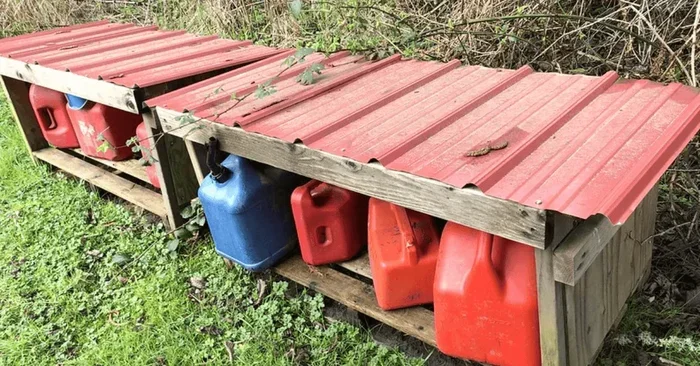
how to dispose of old lawn mower gas is an essential topic that provides valuable insights.
You pull your lawn mower out of the shed in spring, ready to tackle the yard, and then you smell it. That sour, stale odor coming from the tank tells you the gas has gone bad. It happens to everyone. Whether you forgot about your mower after last season or you bought a used machine with old fuel still inside, dealing with degraded gasoline is a real part of home ownership.
The good news is that disposing of old lawn mower gas does not have to be complicated or dangerous. With the right approach, you can handle this task quickly and responsibly. In this guide, we will cover everything you need to know about old gasoline disposal, from recognizing bad fuel to finding the best local disposal center near you. Let us get into it.
Key Takeaways
- Old gas degrades quickly: Ethanol-blended fuel can go bad in as little as 30 days, leading to engine problems and fuel system damage.
- Never pour old gas down drains or on the ground: This creates soil and water contamination and violates gas disposal regulations.
- Local hazardous waste centers are your best option: Most communities offer free or low-cost old gasoline disposal services for residents.
- You can sometimes reuse slightly old gas: Mixing it with fresh fuel in the right ratio can save money and reduce waste.
- Proper storage prevents future problems: Using airtight containers and fuel stabilizers keeps your lawn mower fuel fresh longer.
- Fire safety comes first: Always handle old gasoline in well-ventilated areas away from sparks, flames, and heat sources.
- Community recycling events are a hidden gem: Many towns host periodic collection events that accept old gas and other household chemicals.
📑 Table of Contents
- Why Lawn Mower Gas Goes Bad Over Time
- How to Tell If Your Lawn Mower Gas Has Gone Bad
- Step-by-Step Guide to Draining Gas from Your Lawn Mower
- Safe Ways to Dispose of Old Gasoline
- Can You Reuse Old Lawn Mower Gas?
- Preventing Fuel Problems Before They Start
- The Environmental Impact of Improper Gas Disposal
- Conclusion
Why Lawn Mower Gas Goes Bad Over Time
Understanding why gas goes bad is the first step toward proper fuel system maintenance and safe fuel handling. Gasoline is not a permanent substance. It is a complex mixture of hydrocarbons that begins to break down the moment it is exposed to air and sunlight.
The Science Behind Fuel Degradation
When gasoline sits in a tank or container, its lighter compounds start to evaporate. This changes the fuel’s composition and reduces its combustibility. Over time, the remaining molecules undergo oxidation, which creates sticky deposits and gum-like substances. These residues can clog carburetors, fuel lines, and injectors.
The process of fuel degradation accelerates under certain conditions. Heat, humidity, and exposure to air all speed things up. A gas can left in a hot garage will degrade faster than one stored in a cool, dark place. This is why many homeowners find themselves dealing with fuel contamination every spring.
How Ethanol Affects Your Fuel
Most modern gasoline contains ethanol, typically 10 percent (E10). While ethanol helps reduce emissions, it has a major drawback for storage. Ethanol is hygroscopic, meaning it absorbs moisture from the air. When enough water mixes with the fuel, it causes phase separation. The ethanol and water settle to the bottom of the tank, leaving behind gasoline that burns poorly or not at all.
This is especially problematic for lawn mower fuel because small engines are more sensitive to fuel quality than car engines. Even a small amount of water-contaminated gas can cause starting problems, rough idling, or complete engine failure.
Quick Tips:
- Always use fresh gasoline when filling your mower for storage.
- Buy only as much fuel as you will use within 30 days.
- Store gas cans in a cool, dry, and shaded area.
- Consider using ethanol-free fuel for small engines whenever possible.
How to Tell If Your Lawn Mower Gas Has Gone Bad
Not all old gas looks or smells the same. Some fuel goes bad quickly, while other batches linger longer. Knowing the warning signs helps you decide whether to use the fuel, treat it, or move straight to proper fuel disposal.
Visual and Smell Clues to Watch For
Fresh gasoline has a sharp, pungent smell. As it ages, that smell changes. Bad gas often smells sour, rubbery, or like varnish. You may also notice a darker color compared to fresh fuel. While color alone is not a definitive indicator, combined with odor, it is a strong clue.
Other visual signs include:
- Visible sediment or particles floating in the fuel.
- A cloudy or milky appearance, which suggests water contamination.
- Separation layers in the container, with a lighter top layer and a darker bottom layer.
How Bad Fuel Damages Your Engine
Running degraded fuel through your mower causes real damage. The gum and varnish deposits from oxidized gasoline coat the inside of your fuel system. Over time, this leads to mower engine damage that can be expensive to repair.
Common problems caused by bad gas include:
- Clogged fuel filters that restrict flow.
- Stuck or dirty carburetor jets.
- Corroded fuel lines that crack or leak.
- Carbon buildup on spark plugs and combustion chambers.
If you have ever wondered why your mower struggles to start after sitting all winter, bad fuel is usually the culprit. Taking care of old gasoline disposal before the next season saves you from these headaches.
Common Mistakes:
- Thinking gas that “still smells like gas” is always safe to use.
- Mixing old gas with new gas without testing the quality first.
- Leaving gas in the mower tank over winter without draining it.
- Pouring old gas into the trash or down a storm drain.
Step-by-Step Guide to Draining Gas from Your Lawn Mower
Before you can dispose of old lawn mower gas, you need to get it out of the machine safely. The draining process is straightforward, but it requires care and attention to safety.
Tools and Supplies You Will Need
Gather these items before you start:
- A clean, approved gas can rated for fuel storage.
- A siphon pump or turkey baster for extracting fuel.
- Absorbent rags or cat litter for any spills.
- Safety glasses and rubber gloves.
- A flat, well-ventilated work surface away from ignition sources.
The Safe Draining Process
Follow these steps to remove gas from your lawn mower:
- Turn off the engine and let it cool completely. Never drain hot fuel.
- Locate the fuel shut-off valve on the fuel line between the tank and the carburetor. Turn it to the off position.
- Place your gas can under the fuel valve or carburetor drain plug.
- Open the drain plug or disconnect the fuel line. Let the gas flow into the can slowly.
- Use a siphon pump for any remaining fuel in the tank. Squeeze the bulb, insert the tube, and let gravity do the work.
- Wipe up any spills immediately with rags. Dispose of soiled rags properly, as they can be a fire hazard.
- Label the gas can with the date and note that it contains old or degraded fuel.
Always work in a well-ventilated area. Fire hazard old gas is a real concern, so keep open flames, cigarettes, and power tools away from your work area.
Expert Insight: “I always tell homeowners to drain their mower tanks completely before winter storage. Even with a fuel stabilizer, residual gas in the carburetor bowl can go bad and cause starting issues in spring. A few extra minutes of draining saves hours of troubleshooting later.” — Certified Small Engine Technician
Safe Ways to Dispose of Old Gasoline
Once you have drained the old fuel, the next step is disposal. This is where many homeowners make mistakes. Pouring old gas down the drain, onto the soil, or into the trash is illegal in most areas and extremely harmful to the environment.
Local Hazardous Waste Facilities
The safest and most common way to handle old gasoline disposal is through your local household hazardous waste facility. These centers are equipped to handle flammable and toxic materials safely. Most counties and municipalities operate at least one location, and many offer free drop-off services for residents.
To find your nearest center:
- Search online for “hazardous waste disposal near me.”
- Check your city or county government website.
- Call your local waste management authority.
- Use the Earth911 recycling database to locate approved facilities.
Most facilities accept old gasoline, used oil, paints, batteries, and other household chemicals. Call ahead to confirm their hours and any quantity limits.
Community Recycling and Collection Events
Many communities host periodic collection events where residents can drop off hazardous materials, including gas can disposal and recycling old gas. These events are often held seasonally, especially in spring and fall.
Benefits of these events include:
- Free or very low cost for residents.
- Convenient locations, often at local parks or fairgrounds.
- Opportunities to dispose of multiple household chemicals at once.
Check your local government website or community bulletin board for upcoming event dates. Mark your calendar so you do not miss the next one.
Comparison of Gas Disposal Methods
Not all disposal methods are created equal. Here is a quick comparison to help you choose the best option:
| Method | Cost | Convenience | Safety | Environmental Impact |
|---|---|---|---|---|
| Hazardous waste facility | Free or low cost | Moderate (requires trip) | Very safe | Minimal |
| Community collection event | Free | High (one-stop drop-off) | Very safe | Minimal |
| Fire department drop-off | Free | Varies by location | Very safe | Minimal |
| Licensed waste hauler | Moderate to high | High (they come to you) | Very safe | Minimal |
| Dumping on soil or in drain | Free (illegal) | Easy but dangerous | Very unsafe | Severe harm |
| Trash disposal | Free (illegal) | Easy but dangerous | Very unsafe | Severe harm |
Quick Tips for Gas Disposal:
- Never mix old gas with other chemicals before disposal.
- Transport gas cans in an upright position in your vehicle trunk.
- Keep windows open when transporting fuel in your car.
- Do not overfill your gas can — leave about 5 percent headspace for expansion.
- Store the gas can away from direct sunlight during transport.
Common Mistakes to Avoid:
- Assuming your regular trash pickup will take gas cans.
- Leaving old gas cans in your garage for years “just in case.”
- Mixing different types of fuel or adding water to old gas.
- Ignoring local gas disposal regulations — fines can be significant.
Can You Reuse Old Lawn Mower Gas?
Here is a question many homeowners ask before they throw away fuel. The short answer is: sometimes. Whether your old gas is worth saving depends on how long it has been sitting and how it has been stored.
When Old Gas Is Still Good Enough
Gas that has been stored in a sealed, airtight container for less than six months may still be usable. If the fuel passes the visual and smell test — no dark color, no sour odor, no visible contamination — it is likely still good enough for your mower.
The key factor is whether the fuel has been contaminated with water or debris. If it looks and smells normal, you can often reuse old gas by mixing it with fresh fuel at a ratio of no more than one part old gas to three or four parts new gas.
How to Test and Refresh Stale Fuel
Before using any old gas, try these simple tests:
- The sniff test: Fresh gas has a sharp, chemical smell. If yours smells like varnish or has no smell at all, it has degraded too far.
- The visual test: Hold the container up to a light source. Clear, bright fuel is good. Dark, murky, or separated fuel is not.
- The water test: A few drops of fuel on a white paper towel. If the paper towel shows a water ring or dark ring around the fuel spot, contamination has occurred.
If the fuel passes these tests, you can add a fuel stabilizer and mix it with fresh gasoline. Use the blended fuel within 30 days for best results. This approach is a great form of recycling old gas and reduces waste.
Key Takeaways on Reusing Old Gas:
- Gas stored in sealed containers for under 6 months is often still usable.
- Never use gas that shows signs of water contamination or heavy discoloration.
- Mix old gas with fresh gas at a 1:3 ratio maximum.
- Always add a fuel stabilizer when storing gas for more than 30 days.
- When in doubt, it is safer and better for the environment to dispose of the fuel properly.
Preventing Fuel Problems Before They Start
The best way to avoid the hassle of disposing of old lawn mower gas is to prevent fuel problems in the first place. A few simple habits can keep your lawn mower fuel fresh and your engine running smoothly for years.
Best Practices for Storing Lawn Mower Fuel
Proper fuel storage is the foundation of fuel storage safety. Follow these guidelines:
- Use only clean, approved containers designed for gasoline storage.
- Keep containers sealed tightly to minimize air exposure.
- Store fuel in a cool, dry place away from direct sunlight and heat sources.
- Never store fuel near pilot lights, water heaters, or electrical outlets.
- Label every container with the date you filled it.
- Use fuel within 30 days for best engine performance.
Using Gas Stabilizers Effectively
A quality gas stabilizer is one of the best investments you can make for your small engine equipment. Stabilizers slow down the oxidation process and prevent ethanol from absorbing moisture. Adding stabilizer to your fuel before storage can extend the usable life of gasoline from 30 days to up to 12 months.
To use a stabilizer properly:
- Add the stabilizer to the fuel before you store the equipment.
- Run the engine for a few minutes to circulate the treated fuel through the fuel system.
- Store the mower in a cool, dry location.
- When you are ready to use the mower again, the fuel should be in good condition.
Popular stabilizer brands include STA-BIL, Sea Foam, and Briggs & Stratton fuel treatment. Any of these products work well for seasonal storage.
Expert Insight: “I recommend that every homeowner keep a bottle of fuel stabilizer in their garage. A small bottle costs less than ten dollars and can save you from engine repairs that cost hundreds. It is the single easiest thing you can do for your outdoor power equipment.” — Small Engine Specialist, 20+ Years Experience
The Environmental Impact of Improper Gas Disposal
It is worth taking a moment to talk about why proper old gasoline disposal matters so much. Gasoline contains volatile organic compounds and toxic chemicals that can seep into soil and groundwater if not handled correctly. Even a small spill can contaminate a large area over time.
Environmental protection is not just a buzzword. It is a responsibility that every homeowner shares. When you take the time to dispose of old lawn mower gas properly, you are contributing to cleaner water, healthier soil, and safer communities.
Improper disposal can also lead to gas disposal regulations violations, which carry fines that vary by jurisdiction. In many areas, illegally dumping hazardous materials can result in penalties of several hundred dollars or more. Staying informed about gas disposal regulations in your area protects both the environment and your wallet.
Remember, safe fuel handling is not just about following rules. It is about protecting the people and places around you. Your kids, your pets, your neighbors, and your local waterways all benefit when you handle old gasoline responsibly.
Conclusion
Disposing of old lawn mower gas does not have to be a stressful experience. With the right knowledge and a little preparation, you can handle this task safely and responsibly. From recognizing bad fuel and draining your mower tank to finding the right local disposal center or community event, every step matters.
Always prioritize safety and environmental protection when handling old gasoline. Whether you choose to reuse old gas by mixing it with fresh fuel or take it to a hazardous waste facility, the goal is the same: keep harmful chemicals out of our soil and water while taking care of your equipment.
Take a few minutes today to check your stored fuel and gas cans. If you find old gas, follow the steps in this guide to dispose of old lawn mower gas the right way. Your mower, your wallet, and the environment will all thank you.
Frequently Asked Questions
Can I pour old lawn mower gas down the drain?
No. Pouring old gasoline down any drain is illegal in most areas and extremely harmful to the environment. Gasoline contains toxic chemicals that contaminate water supplies and soil. Always take old gas to a designated hazardous waste facility or community collection event for safe old gasoline disposal.
How long does lawn mower gas last before it goes bad?
Most gasoline begins to degrade within 30 days of being exposed to air. Ethanol-blended fuel degrades even faster. If you use a fuel stabilizer, you can extend the life of your gas to about 12 months. Without stabilizer, plan to use or properly dispose of fuel within one month for best results.
Can I mix old gas with new gas for my lawn mower?
Yes, but only if the old gas passes the visual and smell tests and shows no signs of water contamination. Mix old gas with fresh gas at a ratio of no more than one part old gas to three or four parts new gas. Always add a fuel stabilizer when storing mixed fuel for later use.
Where can I find a hazardous waste facility near me?
You can search online for “hazardous waste disposal near me” or check your city or county government website. The Earth911 recycling database is also an excellent resource for finding approved facilities that accept old gasoline and other household chemicals.
Is it safe to store old gas in my garage?
Only if you store it properly. Use an approved, tightly sealed gas can, keep it in a cool and well-ventilated area, and away from any ignition sources. Never store old gas for extended periods — plan to use it or dispose of it within a few months to avoid fuel degradation and safety risks.
What happens if I run bad gas through my lawn mower engine?
Running bad gas can cause clogged fuel lines, dirty carburetors, corroded fuel filters, and carbon buildup on spark plugs. These issues can lead to hard starting, rough idling, or complete engine failure. In severe cases, you may need costly repairs or even a replacement engine. Always drain old fuel before storing your mower for the off-season.

