
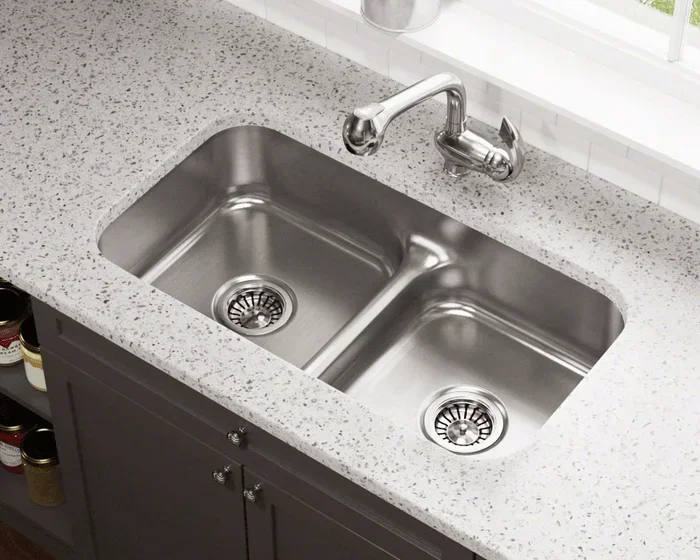
Low divide kitchen sinks are a smart choice for any modern kitchen. They combine a sleek, low-profile divide with everyday practicality. These sinks offer extra prep space, easier dishwashing, and a clean look. Whether you have a small apartment or a large open-plan kitchen, a low divide sink adapts beautifully. This guide covers everything you need to know to pick the perfect one.
Key Takeaways
- Low divide kitchen sinks offer a sleek, modern look with a partial divider for versatile use.
- They come in many materials including stainless steel, composite, and quartz for different budgets and styles.
- The low-profile divide creates more workspace and makes dishwashing and food prep easier.
- Proper installation and faucet selection are key to getting the most out of your new sink.
- Avoid common mistakes like choosing the wrong size or neglecting deck-mounted faucet compatibility.
- Low divide sinks work well in farmhouse, modern, and traditional kitchen designs alike.
- They are a worthwhile upgrade that boosts both function and home value.
📑 Table of Contents
What Are Low Divide Kitchen Sinks?
A low divide kitchen sink is a basin with a short central divider. Unlike a full divide that splits the sink into two deep bowls, the low divide stays closer to the bottom. This design gives you the best of both worlds. You get a large open basin for big pots and pans, plus a smaller section for sorting and prep work.
The idea behind a divide sink has been around for years. But the low-profile version is a newer twist that appeals to today’s homeowners. It keeps the classic double-basin look without sacrificing too much depth or space. Many people love it because it feels open and airy, yet still offers structure.
If you have ever struggled with a single basin that feels too big and unwieldy, a low divide kitchen sink might be the answer. The short wall in the middle helps you organize tasks without blocking your workspace. You can wash veggies in one side and rinse dishes in the other. Or use the whole basin for that big Thanksgiving turkey platter.
The basin configuration of a low divide sink is what sets it apart. The divider usually stands between two to four inches tall. This is much shorter than a standard full divide. The result is a sink that feels spacious and flexible. It fits naturally into modern kitchen designs while still feeling practical and grounded.
Benefits of Low Divide Kitchen Sinks
More Workspace and Flexibility
The biggest advantage of a low divide kitchen sink is the extra room. Because the divider is short, you can use the entire basin when you need it. This is perfect for washing large baking sheets, stockpots, or even baby tubs. When you need to split tasks, the low wall gently keeps items from mixing.
Think about your daily kitchen workflow. You probably rinse fruits, wash dishes, and soak pots throughout the day. A divide sink with a low profile lets you switch between these tasks without moving things around too much. The prep area near the sink becomes more usable too, since you are not fighting for counter space.
Easier Dishwashing and Cleaning
Dishwashing becomes simpler with a low divide sink. The open basin fits larger plates and bowls that would never fit in a deep divided sink. You also have better access to the corners and edges. This means less scrubbing and more efficient cleaning.
The shallow divide also makes it easy to keep an eye on what is in each side. You can wash greasy pans on one side and rinse clean glasses on the other. Water splashes stay more contained too, since the low wall acts as a gentle barrier. This small detail makes a real difference in a busy kitchen.
sleek, Modern Look
Style matters in any kitchen design. A low divide kitchen sink brings a clean, streamlined appearance. The short divider adds visual interest without making the sink feel crowded. It works beautifully with undermount faucets, bar faucets, and even bridge faucets.
Many homeowners choose a low divide sink because it looks elegant but not overly formal. It suits farmhouse kitchens, minimalist spaces, and even traditional setups. The versatility of the design means you are not locked into one aesthetic. It simply looks great wherever you put it.
Better Sink Depth and Comfort
One concern people have with divided sinks is depth. A full divide often cuts each basin short, making it hard to submerge large items. A low divide kitchen sink solves this problem. Since the divider is low, both sides retain good depth. You can comfortably wash tall pitchers, mixing bowls, and cookware without bending over too much.
This also means less strain on your back and shoulders. Ergonomic sink depth matters more than most people realize. A sink that lets you work comfortably for ten or fifteen minutes at a time makes a real difference in your daily routine.
Types and Materials of Low Divide Sinks
Not all low divide kitchen sinks are the same. The material you choose affects durability, look, price, and maintenance. Here is a closer look at the most popular options.
Stainless Steel Low Divide Sinks
Stainless steel sink options are the most popular choice for low divide kitchen sinks. They are affordable, durable, and easy to clean. Stainless steel resists stains and handles heavy use well. Most brands offer a brushed finish that hides water spots and minor scratches.
These sinks work well in almost any kitchen style. The metallic finish gives a bright, clean look. You can pair a stainless steel low divide sink with stainless steel appliances for a cohesive look. The material also tends to be quieter than you might expect, especially when it has sound-dampening padding underneath.
Composite and Quartz Low Divide Sinks
Composite sink and quartz sink options bring a more premium feel. These materials are made from a blend of natural stone and resin. They feel solid and substantial, and they come in beautiful colors. A quartz sink can look like natural stone but with better resistance to stains and scratches.
Composite and quartz sinks are non-porous, which means they do not absorb liquids or odors. This makes them very hygienic for food preparation. They also feel warmer to the touch than stainless steel, which many people prefer. The trade-off is a higher price point, but the durability and beauty are worth it for many homeowners.
Farmhouse and Apron-Front Low Divide Sinks
The farmhouse sink style with a low divide is a trending combination. Apron-front sinks already make a bold statement. Adding a low divide gives you the classic farmhouse charm with modern practicality. These sinks often feature a front panel that extends above the countertop, creating an elegant focal point.
Farmhouse low divide sinks are usually made from fireclay, cast iron, or composite. Each material has its own benefits. Fireclay looks traditional and feels classic. Cast iron is extremely durable. Composite offers more color options and lighter weight. You can find the perfect farmhouse divide sink for your style and budget.
Undermount Low Divide Sinks
An undermount sink is mounted from underneath the countertop. This creates a seamless look with no rim visible. It makes wiping crumbs straight into the sink effortless. Many low divide kitchen sinks are available in an undermount configuration.
Undermount sinks are popular in modern kitchen designs because they look sleek and clean. They also make the countertop feel more open. The downside is that installation is a bit more involved. You need to make sure your countertop material can support an undermount setup, especially with heavier materials like granite or quartz.
How to Choose the Right Low Divide Kitchen Sink
Choosing the right low divide kitchen sink takes a bit of planning. You want a sink that fits your space, your habits, and your budget. Here are the key factors to consider.
Measure Your Available Space
Start by measuring your cabinet opening and countertop cutout. A low divide sink needs enough room to fit comfortably without crowding the surrounding counter. Standard single-bowl sinks are usually 22 to 30 inches wide. Double-bowl versions with a low divide tend to be around 33 to 39 inches wide.
Make sure you leave enough clearance on each side for mounting. Most installations need at least one inch of space on each side. Also consider the depth. A standard sink depth is around seven to ten inches. Deeper sinks hold more water but can make it harder to reach the bottom for washing.
Match Your Kitchen Style
Think about the overall kitchen design you are working with. A brushed stainless steel low divide sink fits almost any style. But if you want a bolder statement, consider a composite or farmhouse option. The finish and shape of the sink should complement your countertop, backsplash, and cabinet style.
For a minimalist look, choose a sink with clean lines and a single-handle faucet. For a rustic or farmhouse feel, an apron-front low divide sink with an exposed front panel works beautifully. The goal is harmony. Your sink should feel like a natural part of the kitchen, not an afterthought.
Consider Your Faucet and Drain Setup
The kitchen faucet you choose matters just as much as the sink itself. A deck-mounted faucet works well with most low divide sinks. But if you want a sleek look, consider an undermount faucet that attaches from below the countertop. This creates a clean, uninterrupted surface.
Also think about the drain placement. A center drain works well for single-bowl setups. For a divide sink, a offset drain on the larger side gives you more usable space in the smaller basin. Some low divide kitchen sinks come with a built-in drain board, which is a nice bonus for drying dishes and utensils.
Budget and Long-Term Value
Price ranges for low divide kitchen sinks vary widely. Stainless steel options start around $150 and can go up to $500 or more for premium brands. Composite and quartz sinks typically range from $300 to $1,200. Farmhouse and specialty designs can go even higher.
While it is tempting to go with the cheapest option, think long-term. A quality low divide sink made from durable materials will last many years with proper care. It also adds resale value to your home. Spending a bit more upfront often pays off in the long run through better performance and fewer replacements.
| Material | Price Range | Durability | Best For |
|---|---|---|---|
| Stainless Steel | $150 – $500 | High | Budget-friendly, everyday use |
| Composite / Quartz | $300 – $1,200 | Very High | Premium look, stain resistance |
| Fireclay | $400 – $1,000 | High | Farmhouse and traditional kitchens |
| Cast Iron | $350 – $900 | Very High | Heavy-duty, long-lasting use |
Installation Tips for Low Divide Kitchen Sinks
DIY vs. Professional Installation
Installing a low divide kitchen sink is doable as a DIY project if you have basic plumbing skills. Most sinks come with detailed instructions and mounting hardware. You will need to cut the countertop opening to the exact dimensions specified by the manufacturer. A poorly cut opening can lead to leaks and an uneven fit.
If you are not comfortable with power tools or plumbing connections, hiring a professional is a smart choice. A licensed plumber can ensure the sink is level, sealed properly, and connected to the drain and water supply without any issues. The cost for professional sink installation typically ranges from $150 to $400, depending on your location and the complexity of the job.
Quick Tips for a Smooth Installation
- Always double-check the cutout dimensions before drilling. Measure twice, cut once.
- Apply a thin bead of silicone caulk around the rim for a watertight seal.
- Install the sink clips or brackets before setting the sink in place.
- Connect the drain assembly and test for leaks before fully tightening everything.
- Use plumber’s putty around the faucet base to prevent water seepage.
- Make sure the water supply lines are the correct size and type for your new faucet.
Common Installation Mistakes to Avoid
One common mistake is choosing a sink that does not match the existing countertop cutout. Another is forgetting to account for the faucet hole placement. Some low divide sinks require a single-hole faucet, while others work with a three-hole setup. Check the specifications before you buy.
Another mistake is neglecting to support the sink properly during installation. A composite sink or quartz sink can be heavy, and dropping it during installation can cause cracks. Always have a helper on hand, and use the mounting hardware that comes with the sink. Never rely on the countertop alone to hold the sink in place.
Expert Insights on Low Divide Kitchen Sinks
Interior designers and kitchen remodelers agree that low divide kitchen sinks are one of the most practical upgrades you can make. The design trend has shifted toward sinks that work harder for the homeowner. A low divide sink checks every box: it looks good, it functions well, and it fits into almost any kitchen layout.
Experts also point out that the kitchen workflow improves significantly with the right sink setup. Having a dedicated area for washing and a separate area for rinsing reduces cross-contamination. It also makes multitasking easier. You can have someone wash vegetables in one side while another person rinses dishes in the other, without any awkward maneuvering.
When asked about the most underrated sink feature, many professionals point to the low divide. It is not as dramatic as a farmhouse front panel or as eye-catching as a unique color. But it quietly makes the kitchen more functional every single day. That is the mark of a truly well-designed fixture.
The bar sink and utility sink are related options worth mentioning. A bar sink is smaller and great for quick drinks and rinsing glasses. A utility sink is larger and ideal for heavy cleaning tasks. But the low divide kitchen sink strikes the perfect balance for everyday cooking and cleaning. It is the most versatile option for most households.
Final Thoughts
A low divide kitchen sink is more than just a fixture. It is a daily tool that shapes how you cook, clean, and move through your kitchen. The right sink can transform your kitchen design and make routine tasks feel effortless. Whether you are building a new home or remodeling an existing kitchen, a low divide sink deserves serious consideration.
Take your time choosing the material, size, and style that works best for your space. Measure carefully, plan the installation, and invest in quality. A well-chosen low divide sink will serve your kitchen for years to come, looking great and performing even better every day.
Frequently Asked Questions
What is the difference between a low divide sink and a full divide sink?
A low divide sink has a short central wall, usually two to four inches tall, while a full divide sink splits the basin into two deep, equal bowls. The low divide gives you more open workspace and flexibility, whereas a full divide offers two separate deep basins for organized multitasking.
Are low divide kitchen sinks hard to clean?
Not at all. Most low divide sinks are easy to wipe down and maintain. The short divider does not create hard-to-reach corners like some full divide designs. Stainless steel and composite materials resist stains and respond well to regular cleaning with mild soap and water.
Can I install a low divide sink in a small kitchen?
Yes, absolutely. A low divide kitchen sink works well in small kitchens because the low profile keeps the sink feeling open and uncluttered. Choose a compact size and an undermount style to maximize counter space and keep the look clean and airy.
What faucet works best with a low divide sink?
A deck-mounted faucet or an undermount faucet both work great with low divide sinks. Choose a single-hole faucet for a sleek look, or a three-hole faucet if your sink and countertop support it. Make sure the faucet height is tall enough to accommodate large pots and pans you plan to wash in the basin.
How deep should a low divide kitchen sink be?
A good sink depth for a low divide setup is between seven and ten inches. This provides enough depth for washing and soaking while keeping the sink comfortable to use. Deeper is not always better, as it can make reaching the bottom of the basin difficult.
What is the average cost of a low divide kitchen sink?
The cost depends on the material and brand. Stainless steel options range from $150 to $500, while composite and quartz sinks typically cost between $300 and $1,200. Professional sink installation adds another $150 to $400 in most cases. Overall, a quality low divide sink is a worthwhile investment for any kitchen upgrade.
=== CONCLUSION ===
A low divide kitchen sink brings together style, function, and everyday convenience in one smart package. From the extra workspace to the sleek, modern look, there are so many reasons to consider this design for your next kitchen project. The low-profile divide gives you the flexibility of a double basin without sacrificing depth or open space.
Whether you choose stainless steel for durability, quartz for a premium feel, or a farmhouse style for classic charm, the right low divide sink will elevate your kitchen. Take the time to measure your space, pick the right material, and plan your installation carefully. The result is a sink that makes your daily routine smoother and your kitchen more enjoyable to cook and clean in.
Start exploring your options today, and find the perfect low divide kitchen sink for your home. Your kitchen will thank you every single day.

