
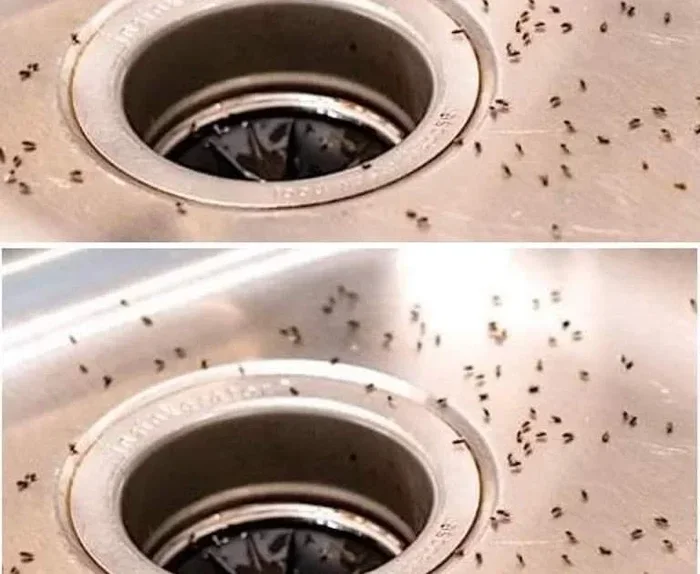
Gnats in the kitchen usually come from three main sources: overripe fruit, dirty drains, and moist organic matter like compost or houseplant soil. Understanding where gnats come from in the kitchen is the first step to eliminating them for good. Simple changes in food storage, cleaning habits, and a few DIY traps can make a huge difference. This guide walks you through every cause, prevention method, and removal trick you need.
Key Takeaways
- Overripe fruit and sweet spills are the top attractants drawing gnats into your kitchen.
- Dirty drains and gunk buildup create the perfect breeding ground for drain gnats.
- Houseplants and compost bins host fungus gnats that thrive in moist soil and organic decay.
- A vinegar trap and proper food storage are the fastest, cheapest ways to kill and prevent gnats.
- Consistent kitchen hygiene stops gnats from coming back in the first place.
- Identifying the gnat type helps you target the root cause more effectively.
- Sealing entry points like open windows and cracks keeps new gnats from arriving.
📑 Table of Contents
- Where Do Gnats Come From In The Kitchen
- What Are Gnats and Why Do They Love Kitchens
- The Top Sources of Gnats in Your Kitchen
- How to Identify Which Type of Gnat You Have
- Proven Methods to Get Rid of Gnats in the Kitchen
- How to Prevent Gnats From Coming Back
- Common Mistakes People Make When Dealing With Gnats
- When to Call a Professional
- Quick Tips to Keep Gnats Away Every Day
- Final Thoughts
Where Do Gnats Come From In The Kitchen
You are chopping vegetables for dinner, and suddenly a tiny black bug lands right on your cutting board. Then another one shows up. And another. Before you know it, your kitchen looks like a gnat party you never signed up for.
So where do gnats come from in the kitchen? The answer is simpler than you think. Most of the time, gnats find their way inside because your kitchen offers them exactly what they need: food, moisture, and a warm place to breed. These tiny pests are not just annoying. They can also contaminate your food and make cooking feel unbearable.
The good news is that once you know the source, you can take action. This guide breaks down every common cause of gnats in the kitchen. You will also learn easy prevention tips and removal methods that actually work. No expensive sprays or complicated setups needed. Just practical, proven steps you can start today.
Whether you are dealing with fruit flies hovering over your countertop or tiny fungus gnats buzzing around your houseplants, this article has you covered. Let us dive into the world of kitchen gnats and learn how to send them packing for good.
What Are Gnats and Why Do They Love Kitchens
Gnats are tiny flying insects that come in several varieties. The most common kitchen gnats are fruit flies, drain flies, and fungus gnats. Each type has its own preferences, but they all share one thing in common. They are drawn to kitchens because kitchens provide everything they need to survive and multiply.
Fruit flies are attracted to the sweet smell of ripening or rotting fruit. Drain flies breed in the organic buildup inside your pipes. Fungus gnats live in damp soil, especially around houseplants. Knowing which type you have helps you find the source faster.
Gnats reproduce incredibly fast. A single female can lay hundreds of eggs in just a few days. That is why a small gnat problem can turn into a full-blown infestation overnight. The key is to catch it early and act fast.
The Lifecycle of a Gnat
Understanding how gnats grow helps you see why they are so hard to get rid of. A gnat starts as an egg. Within a day or two, it hatches into a larva. The larva feeds on organic matter like fruit residue, drain gunk, or damp soil. After about a week, it becomes a pupa. Finally, it emerges as a fully grown adult gnat ready to mate and start the cycle all over again.
This rapid lifecycle means that even if you kill the adults you see, there are likely eggs and larvae hiding somewhere. That is why targeting the source matters more than just swatting the grown bugs you can see.
The Top Sources of Gnats in Your Kitchen
Now that you know what gnats are, let us look at exactly where they come from. Most kitchen gnat problems trace back to one of a few common sources. Here is a detailed look at each one.
Overripe and Rotting Fruit
This is the number one cause of gnats in most kitchens. When fruit starts to ripen past its prime, it releases a sweet, fermented smell. To a gnat, that smell is like a dinner bell. Bananas, tomatoes, strawberries, and grapes are especially attractive to fruit flies.
Even fruit that is not visibly rotten can attract gnats. A bruised apple or a slightly soft peach creates the perfect environment. The sugars start to break down, and the smell becomes irresistible to these tiny pests.
Here is a quick example. You buy a bunch of bananas on Sunday. By Thursday, they are spotted and sweet. If they are sitting on the counter uncovered, gnats will likely show up by Friday. It happens that fast.
Dirty and Clogged Drains
Your kitchen sink drain is a hidden breeding ground for gnats. Every time you wash dishes, food particles go down the drain. Over time, this creates a thick layer of organic buildup inside the pipes. Drain flies love this gunk. They lay their eggs in it, and the larvae feed on the decomposing matter.
If you notice small dark bugs flying out of your sink when you run the water, you likely have drain gnats. They are different from fruit flies. Drain flies are smaller, thicker-bodied, and tend to stay close to the sink area.
Even rarely used drains can become a problem. If a sink or floor drain sits unused for a while, the water in the trap evaporates. This removes the barrier that stops sewer gasses and gnats from coming up through the pipe.
Houseplants and Soil
Indoor plants add life to your kitchen, but they can also bring fungus gnats. These gnats live in moist soil and feed on the roots of plants and decaying organic matter in the pot. If you water your plants frequently and the soil stays damp, fungus gnats will thrive.
You might notice them hovering around the soil surface or flying up when you water the plant. They are tiny and dark, and they do not bite. But they are persistent, especially in warm and humid kitchen environments.
Compost Bins and Trash Cans
Your kitchen trash can is another prime gnat source. Food scraps, especially fruits and vegetables, create the perfect conditions for gnats to breed. A compost bin left open or a trash can that is not sealed tightly will attract gnats from all around.
Even the small scraps you rinse off plates and put in the compost can draw gnats. If organic matter sits in the bin for more than a day or two, gnats will find it. They can go from zero to a full swarm in less than a week.
Spills and Residue on Countertops
It is easy to overlook tiny spills. A drop of juice from a fresh orange. A splash of vinegar from the bottle. A sticky spot from a dropped piece of fruit. To you, these are minor messes. To a gnat, they are a feast.
These small residues build up over time and create invisible gnat magnets. Wiping down counters regularly with a natural cleaner removes these attractants before gnats even know they exist.
How to Identify Which Type of Gnat You Have
Not all gnats are the same. Identifying the type in your kitchen helps you target the right solution. Here is a simple breakdown.
| Gnat Type | Appearance | Common Source | Behavior |
|---|---|---|---|
| Fruit Flies | Small, tan-brown, red eyes | Overripe fruit, spills, drains | Hover around fruit bowls and trash |
| Drain Flies | Dark gray, fuzzy bodies | Sink drains, pipes | Rest on walls near sinks, fly in short bursts |
| Fungus Gnats | Tiny, dark, long legs | Houseplant soil, compost | Hover near soil surface, weak fliers |
Once you know which type you are dealing with, you can focus your efforts on the right source. Fruit flies need you to remove overripe food. Drain flies need you to clean your pipes. Fungus gnats need you to adjust how you water your plants.
Proven Methods to Get Rid of Gnats in the Kitchen
Finding the source is half the battle. Now it is time to eliminate the gnats you already have and stop new ones from arriving. Here are the most effective methods.
DIY Apple Cider Vinegar Trap
This is the most popular and effective gnat trap you can make at home. Pour a small amount of apple cider vinegar into a glass jar. Add a drop of dish soap. The vinegar attracts the gnats, and the soap breaks the surface tension so they cannot escape. Cover the jar with plastic wrap and poke tiny holes in the top. Gnats will fly in but will not get out.
Place this trap near your fruit bowl or on the kitchen counter. Within 24 hours, you will see gnats trapped inside. Replace the mixture every few days until the problem is gone.
Fruit Trap with Wine or Beer
If you have an open bottle of wine or beer that has been sitting for a while, put it to work. Pour a little into a glass and add a drop of dish soap. The fermented smell draws gnats in, and the soap traps them. This works surprisingly well for fruit flies that are already active in your kitchen.
Drain Cleaning and Maintenance
For drain gnats, cleaning the pipes is essential. Pour a mixture of baking soda and white vinegar down the drain. Let it sit for 15 minutes. Then flush it with boiling water. This breaks down the organic buildup where drain flies breed.
Do this once a week for the first month. After that, a monthly maintenance clean keeps drain gnats from returning. You can also use a drain brush to physically remove buildup from the inside of the pipe.
Sticky Yellow Gnat Traps
Yellow sticky traps are inexpensive and very effective. Gnats are attracted to the yellow color and get stuck on the adhesive surface. Place these near your fruit bowl, houseplants, or anywhere you see gnats hovering. They work well as a supplementary method alongside source removal.
Hydrogen Peroxide Soil Treatment for Houseplants
If fungus gnats are your problem, treat the soil. Mix one part hydrogen peroxide with four parts water. Water your plant with this solution. The peroxide kills gnat larvae in the soil without harming the plant roots. Let the soil dry out between waterings to make it less appealing to gnats in the future.
How to Prevent Gnats From Coming Back
Getting rid of gnats is one thing. Keeping them away is the real challenge. Prevention is all about removing what attracts them in the first place. Here are the best prevention strategies.
Store Fruit Properly
One of the simplest ways to prevent gnats is to store fruit in the refrigerator instead of leaving it on the counter. Especially during warmer months, ripe fruit on the counter is a gnat magnet. Keep bananas in a closed fruit bowl or put them in the fridge once they reach peak ripeness.
If you must keep fruit on the counter, cover it with a mesh lid or store it in the refrigerator. Also, wash fruit as soon as you bring it home to remove any eggs or larvae that might already be present.
Clean Drains Regularly
Prevention starts with keeping your drains clean. Pour boiling water down your kitchen sink drain once a week. This melts away grease and washes away food particles before they build up. Avoid pouring cooking oil or grease down the drain, as these create a thick residue that attracts drain gnats.
Keep Your Kitchen Dry and Clean
Wipe up spills immediately. Do not leave wet sponges or dishcloths sitting on the counter. Empty the trash can daily, especially if it contains food scraps. A clean, dry kitchen is not inviting to gnats at all.
Regularly check areas you might overlook. Under the sink, around the garbage disposal, and inside the fridge drip tray. These hidden spots can harbor gnats without you even noticing.
Manage Houseplants Wisely
If you love houseplants, adjust your watering habits. Let the top inch of soil dry out between waterings. This discourages fungus gnats from laying eggs in the soil. You can also add a thin layer of sand or diatomaceous earth on top of the soil to create a barrier that prevents gnats from reaching the surface.
Consider using pots with drainage trays so excess water does not pool at the bottom. Stagnant water is a breeding ground for gnats and can also harm your plants.
Seal Entry Points
Gnats can enter your kitchen through open windows, doors, and even tiny cracks. Install window screens and keep doors closed as much as possible. Check for gaps around windows and doors and seal them with weather stripping or caulk.
During the warmer months when gnat activity peaks, keeping windows closed or using screens can make a noticeable difference in how many gnats enter your kitchen.
Common Mistakes People Make When Dealing With Gnats
Many people make the same mistakes when trying to get rid of gnats. Avoid these pitfalls to save time and frustration.
- Only killing the adults. Spraying gnats you see does nothing for the eggs and larvae hiding in drains, soil, or fruit. You must target the source.
- Ignoring the drain. People often overlook the drain as a source. Even if your counters look clean, a dirty drain can sustain a gnat population for weeks.
- Using sweet sprays. Some people spray sweet or fruity cleaners near the kitchen, which actually attracts more gnats. Use unscented or natural cleaners instead.
- Leaving fruit out in the open. It is convenient but it is also the number one gnat attractant. Get in the habit of refrigerating ripe fruit.
- Overwatering houseplants. Damp soil is a paradise for fungus gnats. Let the soil dry out between waterings and your gnat problem will shrink significantly.
When to Call a Professional
Most gnat problems can be solved with DIY methods. But sometimes, the infestation is too large or the source is too hidden. If you have tried everything and still see gnats after two weeks, it might be time to call in a pest control professional.
A pro can inspect your home thoroughly and find hidden breeding sites you might have missed. They also have access to commercial-grade treatments that are more powerful than anything you can buy at the store. This is especially helpful if gnats have spread beyond the kitchen into other parts of your home.
Also consider calling a professional if you notice gnats in your drains throughout the entire house. This could indicate a larger sewer or pipe issue that needs expert attention.
Quick Tips to Keep Gnats Away Every Day
Preventing gnats does not have to be complicated. A few small daily habits make a big difference.
- Wash fruits and vegetables as soon as you bring them home.
- Store ripe fruit in the refrigerator.
- Empty the trash can every evening.
- Wipe down countertops with a natural cleaner before bed.
- Run the garbage disposal with cold water and citrus peels.
- Check houseplant soil moisture before watering.
- Keep the kitchen dry and free of standing water.
- Use a sealed compost bin and empty it frequently.
These habits take just a few minutes each day. But they create an environment where gnats simply cannot thrive. Consistency is the secret ingredient.
Final Thoughts
So where do gnats come from in the kitchen? The answer is clear. They come from overripe fruit, dirty drains, damp houseplant soil, compost bins, and food residue. Once you identify the source, you can take targeted action to eliminate them and prevent them from returning.
The best approach combines source removal, DIY traps, and consistent prevention habits. You do not need harsh chemicals or expensive products. A little vinegar, some baking soda, and a few simple routine changes are all it takes to keep your kitchen gnat-free.
Remember, gnats are not just a nuisance. They can carry bacteria from drains and garbage to your food surfaces. Taking them seriously protects both your comfort and your health. Start with one method today, stay consistent, and you will see results fast.
Your kitchen should be a place for cooking, not for battling tiny flying pests. With the right knowledge and a few proactive steps, you can enjoy a gnat-free kitchen all year round.
Frequently Asked Questions
What attracts gnats to the kitchen the most?
The biggest attractants are overripe or rotting fruit, sweet spills, and the organic buildup inside kitchen drains. Gnats are also drawn to moist environments like houseplant soil and open compost bins. Removing these attractants is the first step in any gnat prevention plan.
Can gnats come from the drain even if it looks clean?
Yes, absolutely. Drain gnats breed in the thin layer of organic buildup that accumulates inside pipes over time. Even if your drain looks clean on the surface, there can be enough gunk inside to support a gnat population. Regular drain cleaning with baking soda and vinegar helps prevent this.
How long does it take to get rid of kitchen gnats?
With consistent effort, you can see a significant reduction in gnats within a few days. However, it usually takes one to two weeks to fully eliminate the problem. This is because you need time to kill the adults and also destroy the eggs and larvae hiding in their breeding sources.
Are gnats in the kitchen harmful?
Gnats are not dangerous, but they can be unsanitary. They pick up bacteria from drains, garbage, and decomposing fruit, then transfer those germs to your kitchen surfaces and food. Keeping gnats out of the kitchen is important for maintaining good food hygiene and kitchen cleanliness.
Do gnats go away on their own?
Sometimes a small gnat problem will fade on its own if you remove the attractant. For example, if a piece of overripe fruit is the source, removing it and cleaning the area may cause the gnats to disappear within a few days. However, larger infestations usually require active intervention like traps and source cleaning.
What is the best DIY gnat trap for the kitchen?
The apple cider vinegar trap is the most effective and easiest DIY solution. Simply pour apple cider vinegar into a jar, add a drop of dish soap, and cover it with plastic wrap with small holes. The gnats are attracted to the vinegar, enter through the holes, and get trapped by the soap. Place it near your fruit bowl or countertop for best results.

