
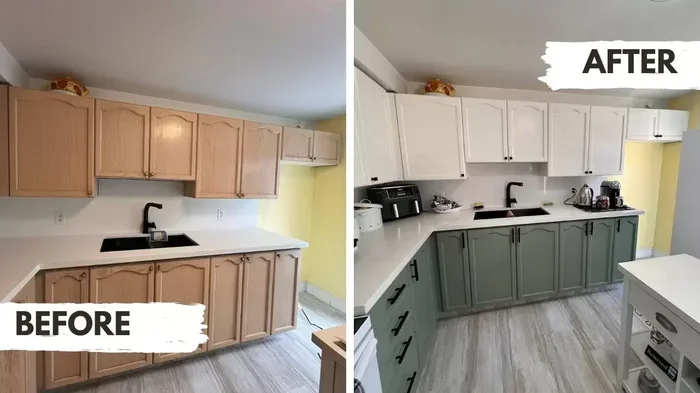
Professional kitchen cabinet painting is a smart and affordable way to transform your kitchen without a full renovation. This guide covers proven techniques, trending color ideas, and step-by-step methods for a flawless finish. You will discover how to prep, paint, and seal cabinets like a seasoned expert. Whether you go DIY or hire a pro, these tips will help you achieve beautiful results that last.
Professional kitchen cabinet painting is one of the smartest ways to refresh your kitchen without the massive expense of a full renovation. Whether you want a modern look or a classic feel, painting your cabinets can completely transform the heart of your home. This guide covers proven techniques, popular ideas, and practical steps that deliver real results. You will learn everything from prep work to choosing the perfect cabinet paint colors. By the end, you will feel confident to start your own cabinet painting project or hire the right help.
Cabinet refinishing has exploded in popularity over the past few years. Homeowners are discovering that a fresh coat of paint can make their kitchen look brand new. Unlike a full kitchen renovation, painting cabinets saves time, money, and hassle. The process is simpler than most people think. With the right approach, your kitchen cabinet makeover can rival a full gut job. Let us dive into the tips and ideas that make it all possible.
Key Takeaways
- Proper prep work is everything: Cleaning, sanding, and priming your cabinets before painting ensures a smooth and long-lasting finish.
- Choose the right paint type: Semi-gloss or enamel paints hold up best in kitchens because they resist moisture and clean easily.
- Spray vs. brush matters: Each method has pros and cons. Spraying gives a smoother finish, while brushing offers more control for beginners.
- Trending cabinet paint colors: White, soft gray, navy blue, and sage green remain the most popular choices for modern kitchen cabinet design.
- Two-tone designs add depth: Pairing upper and lower cabinets in different colors creates a stylish and personalized kitchen refresh.
- Seal your work for durability: A high-quality topcoat protects your paint job from grease, moisture, and daily wear and tear.
- Budget wisely for your project: Understanding cabinet painting cost helps you plan and avoid surprises along the way.
📑 Table of Contents
- Why Professional Kitchen Cabinet Painting Is Worth It
- The Best Cabinet Painting Techniques
- Top Cabinet Painting Ideas and Color Trends
- Your Step-by-Step Cabinet Painting Guide
- Common Mistakes in Cabinet Painting and How to Avoid Them
- How Much Does Professional Kitchen Cabinet Painting Cost?
- Conclusion
Why Professional Kitchen Cabinet Painting Is Worth It
Many homeowners wonder whether they should paint or replace their cabinets. The answer depends on your budget, style goals, and how much time you have. Professional kitchen cabinet painting offers a stunning transformation at a fraction of the cost of new cabinets. A full cabinet replacement can run tens of thousands of dollars. Painting your existing cabinets can cost a small portion of that. The difference is remarkable when you see the cabinet painting before and after results.
Paint cabinets that are in good structural condition and you will get amazing results. If your cabinet doors are not cracked or damaged, painting is a fantastic option. This approach also lets you keep your kitchen layout exactly as it is. You do not need to hire plumbers or electricians. The entire project stays focused on aesthetics and style. That makes it one of the most popular kitchen makeover choices available today.
The Real Cost of Cabinet Painting vs Replacement
Understanding the cabinet painting cost helps you make an informed decision. On average, professional cabinet painting costs between $2,000 and $8,000 depending on kitchen size. A full cabinet replacement can easily cost $15,000 to $30,000 or more. The savings are obvious. You get a fresh, updated look without the huge investment. Many homeowners choose cabinet refinishing specifically because of this cost advantage.
The cabinet painting cost also includes prep work, paint, supplies, and labor. Professional painters know how to do this efficiently. They use high-quality materials that last for years. A DIY project might save a bit of money upfront. But professional results often look better and last longer. That is why so many people invest in professional kitchen cabinet painting for their home.
What a Kitchen Makeover Can Do for Your Home
A kitchen refresh adds real value to your home. Buyers love updated kitchens. Even if you are not planning to sell, a fresh look makes daily life more enjoyable. Your kitchen becomes a space you actually want to spend time in. The kitchen cabinet design sets the tone for the entire room. New paint colors can completely change the mood and feel of your space.
Kitchen cabinet trends have shifted toward clean lines, muted tones, and statement colors. White cabinets remain a classic choice. But navy blue, forest green, and soft black are gaining fast popularity. These trends show that painting kitchen cabinets is not just practical. It is also a creative way to express your personal style. A well-done kitchen makeover through cabinet painting can make your home feel brand new.
The Best Cabinet Painting Techniques
Getting a flawless finish on your cabinet painting project comes down to technique. Professional painters use specific methods that deliver smooth, durable results. Learning these techniques helps you understand what to expect. It also helps you decide whether to tackle the job yourself or hire a pro. Let us look at the most effective methods for cabinet painting techniques.
Brush vs Spray: Which Method Wins?
The debate between brush painting and spray painting cabinets is ongoing. Both methods produce great results when done correctly. Each has its own advantages and challenges. Understanding them helps you choose the best approach for your project.
Brush painting cabinets gives you more control. You can reach tight corners and detailed areas easily. This method works well for beginners. It requires less equipment and setup. However, brush strokes can sometimes leave visible marks. You need to apply thin, even coats to avoid drips and streaks.
Spray paint cabinets creates a smoother, more professional finish. The paint goes on evenly with no brush lines. This method is faster for large projects. Professionals often prefer spraying for cabinet painting before and after transformations. But spray painting requires proper masking and ventilation. It also needs a spray gun or a quality paint sprayer.
| Factor | Brush Painting | Spray Painting |
|---|---|---|
| Finish Smoothness | Good with multiple coats | Excellent and even |
| Control | High, great for details | Moderate, needs masking |
| Speed | Slower | Faster for large projects |
| Equipment Needed | Brush, roller, tray | Spray gun, mask, drop cloths |
| Best For | Small kitchens, DIYers | Large kitchens, pros |
| Learning Curve | Easy | Moderate |
Most professional painters use a combination of both methods. They spray the flat cabinet doors for a smooth finish. Then they brush the detailed frames and edges. This hybrid approach gives the best of both worlds. If you are considering DIY cabinet painting, start with a brush. It is more forgiving and easier to learn.
Sanding, Cleaning, and Priming Like a Pro
Cabinet prep work is the most important part of any painting project. Skipping this step leads to peeling, chipping, and an uneven finish. Professional painters never rush the preparation phase. They know that proper prep makes all the difference in the final result.
Start by removing all cabinet hardware. This includes handles, knobs, and hinges. Label each piece and place them in a bag. Next, clean every surface with a degreaser. Kitchen cabinets collect grease and grime over time. A thorough cleaning ensures the paint adheres properly. Use a tack cloth to remove all dust after cleaning.
Cabinet sanding creates a rough surface for the paint to grip. Use fine-grit sandpaper, around 220 grit. Sand lightly in the direction of the wood grain. Wipe away all dust before moving on. Now apply a quality primer for cabinets. Primer seals the surface and helps the paint stick. It also blocks stains and prevents bleed-through from the old finish. Let the primer dry completely before you start painting.
Top Cabinet Painting Ideas and Color Trends
The cabinet paint colors you choose define the entire look of your kitchen. The right color creates a mood, sets a style, and ties everything together. There are countless options to explore. Let us look at the most popular trends and ideas for cabinet painting ideas this year.
Trending Cabinet Paint Colors for 2024
White cabinets remain the most popular choice in kitchens. They make small spaces feel larger and brighter. Pure white, creamy white, and warm white each create a different vibe. Semi-gloss paint works beautifully on white cabinets because it resists kitchen grime and wipes clean easily.
Soft gray has become a top trend for kitchen cabinet design. It adds a modern, sophisticated feel without being too bold. Warm grays pair well with wood countertops and brass hardware. Navy blue is another stunning choice. It creates a dramatic, elegant look that feels both classic and contemporary. Sage green brings a fresh, calming energy to any kitchen.
Black cabinets are making a strong comeback. They add depth and drama to a kitchen space. Matte black finishes are especially popular right now. Two-tone designs are also trending. Pair white upper cabinets with navy or black lower cabinets for a striking look. These cabinet painting ideas let you get creative without a full renovation.
Two-Tone and Shaker Style Designs
Two-tone kitchen cabinets add visual interest and dimension to your space. The most common combination is white on top and a darker color on the bottom. This draws the eye downward and creates a grounded feel. You can also try light gray on top and navy on the bottom. The possibilities are endless when you explore cabinet painting ideas.
Shaker-style cabinets pair beautifully with painted finishes. The simple, clean lines of shaker design let the paint color shine. Professional kitchen cabinet painting on shaker cabinets looks crisp and polished. This style works in both traditional and modern kitchens. It is one of the most versatile cabinet painting techniques for any home.
Your Step-by-Step Cabinet Painting Guide
Now that you understand the techniques and ideas, let us walk through the actual process. Following these steps ensures a professional-quality result every time. Whether you are doing a DIY cabinet painting project or just want to know what the pros do, this guide covers it all.
Preparing Cabinets for Paint
Proper preparation is the foundation of a great paint job. Start by emptying all your cabinets completely. Remove shelves, drawers, and any removable parts. Lay down drop cloths to protect your countertops and floors. Use painter’s tape to cover areas you do not want to paint. This includes hinges, handles, and any adjacent surfaces.
Next comes the cabinet sanding step. Lightly sand all surfaces with 220-grit sandpaper. This creates a texture that helps the paint bond. After sanding, wipe every surface with a tack cloth. Remove all dust particles. Now apply your primer for cabinets. Use a high-quality primer designed for kitchen surfaces. Apply thin, even coats and let each coat dry fully before adding the next.
Applying Paint for a Smooth Finish
Once the primer is dry, you are ready to paint. Choose a high-quality cabinet paint that is designed for kitchen use. Look for paints labeled as durable, scrubbable, and moisture-resistant. Semi-gloss paint is the most popular choice for cabinets. It resists grease and wipes clean without damaging the finish.
Apply the first coat of paint using smooth, even strokes. Do not overload your brush or roller. Thin coats dry faster and look better than thick coats. Let the first coat dry completely before applying the second. Most professionals apply two to three coats for the best coverage and durability. Pay extra attention to edges and corners where paint tends to pool.
Sealing and Protecting Your Work
The final step in any cabinet painting project is sealing the finish. A high-quality topcoat adds protection against moisture, grease, and daily use. It also makes the surface easier to clean. Look for a water-based polyurethane or a cabinet-specific topcoat. Apply it in thin, even layers. Let it dry fully before reassembling your cabinets.
Once the topcoat is dry, carefully reinstall all cabinet hardware. Put the hinges, handles, and knobs back in their labeled spots. Replace the shelves and drawers. Step back and admire your cabinet painting before and after transformation. The results should look smooth, even, and professionally finished. This is the moment all the hard work pays off.
Common Mistakes in Cabinet Painting and How to Avoid Them
Even the best cabinet painting techniques can go wrong if you skip important steps. Many DIY projects run into trouble because of preventable mistakes. Knowing what to avoid saves time, money, and frustration. Here are the most common errors and how to steer clear of them.
Skipping Prep Work
The number one mistake in cabinet painting is skipping prep work. People get excited and want to jump straight to painting. But without proper cleaning, sanding, and priming, the paint will not adhere correctly. It will peel and chip within months. Always take the time to prep every surface thoroughly. This single step makes or breaks the entire project.
Using the Wrong Type of Paint
Not all paints are created equal. Using regular wall paint on cabinets leads to a weak finish that wears out quickly. Kitchens face grease, moisture, and constant use. You need a paint designed for these conditions. Look for cabinet-specific paints or semi-gloss paint options. These formulations are built to withstand the demands of a busy kitchen. Investing in the right cabinet painting supplies makes a huge difference in the final result.
How Much Does Professional Kitchen Cabinet Painting Cost?
The cabinet painting cost varies based on several factors. Understanding these factors helps you budget accurately and avoid surprises. Let us break down what goes into the price and whether hiring a professional is worth it.
Factors That Affect Cabinet Painting Cost
Several factors influence the total cabinet painting cost of your project. Kitchen size is the biggest factor. Larger kitchens with more cabinets cost more to paint. The condition of your existing cabinets also matters. Cabinets that need significant repair or replacement of parts add to the cost. The type of paint you choose plays a role too. Premium paints cost more but deliver better durability and finish.
Geographic location affects pricing as well. Labor costs vary from city to city. The complexity of the job matters. Two-tone designs and intricate cabinet painting ideas take more time and skill. Ask for detailed quotes from at least three professionals. This gives you a clear picture of the cabinet painting cost for your specific project.
DIY vs Hiring a Pro: Is It Worth It?
Deciding between DIY cabinet painting and hiring a professional comes down to your skills, budget, and time. DIY painting saves on labor costs. You can expect to spend $500 to $2,000 on cabinet painting supplies for a typical kitchen. However, DIY projects take more time and effort. The results depend heavily on your skill level and patience.
Hiring a professional ensures a high-quality finish. Experienced painters work faster and avoid common mistakes. They have access to professional-grade equipment and materials. The cabinet painting cost for professional services typically ranges from $2,000 to $8,000. While this is more upfront, the results last longer and look better. For most homeowners, the investment in professional kitchen cabinet painting pays off in both appearance and durability.
The best cabinet painting techniques come from experience and practice. Professional painters know exactly how to prep, prime, and apply paint for flawless results. They also handle the cleanup and disposal of materials properly. If you want a stress-free kitchen cabinet makeover, hiring a pro is the way to go. You get stunning results without the headaches.
Conclusion
Professional kitchen cabinet painting is one of the most effective ways to transform your kitchen on any budget. From choosing the right cabinet paint colors to mastering the best cabinet painting techniques, this guide has covered everything you need to know. Proper prep work, quality materials, and patience are the keys to a flawless finish. Whether you paint your cabinets yourself or hire a professional, the results can be truly stunning.
A kitchen cabinet makeover through painting gives your home new life without the enormous cost of replacement. The cabinet painting before and after transformations speak for themselves. Your kitchen becomes a brighter, more stylish space that you will love spending time in. Start planning your cabinet painting project today and enjoy the difference a fresh coat of paint can make.
Frequently Asked Questions
How long does professional kitchen cabinet painting take?
A typical professional cabinet painting project takes about three to five days. This includes prep work, priming, painting, and drying time between coats. The exact timeline depends on the size of your kitchen and the complexity of the design. Rushing the process can compromise the quality of the finish.
Can I paint over laminate cabinets?
Yes, you can paint over laminate cabinets with the right preparation. The key is thorough cleaning and proper sanding to create a surface the paint can grip. Using a bonding primer specifically designed for laminate surfaces ensures the paint adheres properly and lasts for years.
What is the best paint finish for kitchen cabinets?
Semi-gloss and satin finishes are the best choices for kitchen cabinets. They resist moisture and grease better than flat or matte finishes. These finishes are also easier to clean, which is essential in a kitchen environment where splashes and spills are common.
Is it cheaper to paint or replace kitchen cabinets?
Painting cabinets is significantly cheaper than replacing them. Professional cabinet painting typically costs $2,000 to $8,000, while full cabinet replacement can cost $15,000 or more. Painting also takes much less time and creates far less mess and disruption in your home.
How do I maintain painted kitchen cabinets?
Maintain your painted cabinets by cleaning them regularly with a soft damp cloth and mild soap. Avoid abrasive cleaners that can damage the paint finish. Touch up any chips or scratches promptly to prevent moisture from getting underneath the paint and causing damage.
Do I need to remove cabinet doors to paint them?
Yes, removing cabinet doors and hardware is recommended for the best results. This allows you to paint all surfaces evenly, including edges and recessed areas. It also prevents paint from getting on your countertops, walls, and adjacent surfaces, resulting in a cleaner and more professional finish.

