
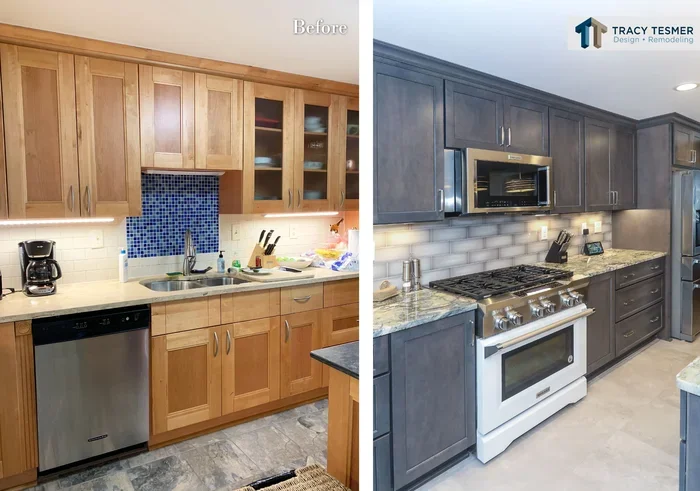
Kitchen paint ideas are one of the easiest and most affordable ways to transform your cooking space. A fresh coat of paint can completely change the feel of your kitchen without a full renovation. In this guide, we share the best kitchen paint colors, accent wall styles, and cabinet painting tips to help you design a space you will love. Whether you want a modern, farmhouse, or bold look, these ideas will spark your creativity.
Your kitchen is the heart of your home. It is where you cook, eat, talk, and spend time with family. But after a while, the same walls can start to feel dull and uninspiring. The good news is that you do not need a huge budget or a full renovation to change things up. Kitchen paint ideas offer a simple and powerful way to give your space a completely fresh new look.
Painting is one of the most affordable home upgrades you can do. A few cans of paint and a weekend of work can turn a tired kitchen into a room you are proud of. Whether you want soft and serene or bold and bright, there is a color and style out there for you. In this article, we will walk you through the best kitchen paint ideas, color trends, and practical tips to help you get amazing results.
Key Takeaways
- Paint is the fastest kitchen refresh: A new color can make your kitchen feel brand new without major expenses.
- Accent walls add depth: A feature wall behind the stove or island creates a focal point that elevates your kitchen design.
- Kitchen cabinet painting saves money: Repainting cabinets costs a fraction of replacing them and still delivers a high-end look.
- Light colors make small kitchens feel bigger: Soft whites, creams, and pastels open up tight spaces and reflect more light.
- Bold colors are trending: Deep blues, greens, and black kitchen walls are popular choices for a dramatic, stylish look.
- Proper prep matters most: Cleaning, priming, and taping before painting ensures a smooth, long-lasting finish.
- Semi-gloss paint works best in kitchens: It resists moisture, wipes clean easily, and handles kitchen wear and tear well.
📑 Table of Contents
Why Painting Your Kitchen Is a Smart Move
Before we dive into specific kitchen paint ideas, let us talk about why painting is such a great choice. Many homeowners think a kitchen update means replacing cabinets or countertops. But paint can do just as much to change the look and feel of a room. Here is why so many people choose paint for their kitchen makeover.
It is Budget-Friendly
A full kitchen renovation can cost thousands of dollars. Painting, on the other hand, is one of the cheapest ways to refresh your space. A gallon of quality kitchen paint costs around 30 to 50 dollars. Even if you hire a professional, the total cost is still much lower than a remodel. You get a big impact for a small investment.
It Boosts Home Value
First impressions matter when selling a home. Buyers often look at the kitchen first. Fresh, clean walls with a nice kitchen color palette can make your home more appealing. Even a simple repaint in a neutral shade can help your property stand out in the market.
It Lets You Express Your Style
Your kitchen should reflect who you are. Paint gives you the freedom to experiment with colors, patterns, and finishes. Love a farmhouse look? Try warm white walls with shiplap. Prefer something modern? Go for a sleek charcoal accent wall. The options for kitchen wall colors are truly endless.
Quick Tips for Choosing the Right Paint Finish
- Semi-gloss or gloss: Best for kitchen walls. It resists moisture and wipes clean easily.
- Satin finish: A good option for kitchen cabinets. It has a soft sheen without being too shiny.
- Matte finish: Works well on ceilings but avoid it on walls. It is harder to clean and shows marks easily.
Best Kitchen Paint Colors for Every Style
Choosing the right color is the most exciting part of any kitchen paint ideas project. The color you pick sets the mood for the entire room. Let us explore some of the best kitchen paint colors for different styles and tastes.
Soft Whites and Creams
White kitchens never go out of style. They feel clean, bright, and timeless. A warm white or cream tone adds coziness without making the space feel cold. Soft whites work beautifully in both small and large kitchens. They pair well with almost any countertop, backsplash, or cabinet color.
If you want a crisp look, choose a pure bright white. If you prefer something warmer, go for a creamy off-white. These shades are perfect if you plan to keep your kitchen looking classic for years to come.
Warm Neutrals
Neutrals like beige, taupe, and greige (gray + beige) are hugely popular right now. They create a warm and inviting atmosphere. Warm neutral kitchen wall colors work great with wood tones and natural materials. They also pair nicely with brass or copper hardware for a cozy feel.
Bold and Dark Colors
Dark kitchen walls are a major trend. Deep navy blue, forest green, and charcoal gray add drama and sophistication to any kitchen. A dark accent wall behind the stove or range hood creates a stunning focal point. These bold kitchen paint colors work best in kitchens with good natural light. They also look amazing paired with brass or gold fixtures.
Soft Pastels
Pastel shades like soft blue, mint green, and blush pink bring a fresh and cheerful vibe to the kitchen. They are especially popular in cottage-style and boho kitchens. Pastel kitchen wall colors make the space feel light and airy. They work best in rooms with plenty of natural light and white or light wood cabinetry.
Comparison Table: Popular Kitchen Color Schemes
| Style | Best Colors | Best For | Vibe |
|---|---|---|---|
| Classic Clean | White, cream, soft gray | Small kitchens, traditional homes | Bright and timeless |
| Warm and Cozy | Beige, taupe, greige | Medium to large kitchens | Inviting and relaxed |
| Bold and Dramatic | Navy, charcoal, forest green | Large kitchens with good light | Sophisticated and stylish |
| Fresh and Playful | Mint, blush, soft blue | Cottage, farmhouse, boho styles | Cheerful and light |
| Modern Minimal | Charcoal, black, stark white | Contemporary and minimalist homes | Clean and edgy |
Expert Insight: How Lighting Affects Kitchen Paint Colors
Lighting plays a huge role in how paint colors look in your kitchen. Natural light shows the truest color. Rooms with north-facing windows may make colors look cooler. South-facing rooms bring in warm light that can shift colors slightly. Always test a small patch of paint on your wall and observe it at different times of day before committing to a full wall.
Kitchen Accent Wall Ideas That Pop
An accent wall is one of the easiest ways to add personality to your kitchen without painting every wall. It creates a focal point that draws the eye and adds visual interest. There are many creative kitchen accent wall ideas to choose from.
The Behind-the-Stove Wall
Painting the wall directly behind your stove or cooktop is a classic accent wall choice. A bold color like deep red, navy blue, or charcoal gray makes the stove area feel intentional and designed. This approach works especially well in open-concept kitchens where the stove wall is visible from the dining or living area.
The Island Accent Wall
If your kitchen has an island, consider painting the wall directly behind it in a contrasting color. This creates a beautiful frame for the island and makes it feel like the centerpiece of the room. A soft gray or sage green against white cabinets looks elegant and modern.
Shiplap and Textured Accent Walls
Shiplap adds texture and charm to any kitchen. You can paint shiplap in white for a clean farmhouse look or in a bold color for a more dramatic effect. Other textured options include beadboard, wainscoting, or even a painted brick wall. These textured kitchen wall ideas add depth and character without a full renovation.
Two-Tone Wall Combinations
Two-tone walls are a fun way to use more than one color. Paint the lower half of the wall in a darker shade and the upper half in a lighter shade. You can also create horizontal stripes or use a color block design. This approach adds dimension and makes your kitchen feel custom-designed.
Quick Tips for a Perfect Accent Wall
- Choose a color that is at least two shades darker or lighter than your other walls.
- Use painter’s tape to get clean, straight lines.
- Consider the overall kitchen color scheme before picking your accent color.
- Make sure the accent wall complements your cabinets and countertops.
Painting Kitchen Cabinets and Trim
Repainting your kitchen cabinets is one of the most impactful kitchen paint ideas you can try. New cabinets can cost thousands of dollars. A fresh coat of paint transforms the look for a fraction of the price. Many homeowners are surprised at how much difference cabinet painting makes.
Should You Paint Your Cabinets?
Before you start, consider the condition of your current cabinets. If they are solid wood or good-quality plywood, painting is a great option. If they are thin particleboard or in very poor condition, you may want to explore replacement instead. Proper preparation is key to a successful cabinet paint job.
Best Paint Colors for Kitchen Cabinets
White and off-white remain the most popular choices for painted cabinets. They make the kitchen feel clean and spacious. However, more homeowners are choosing gray, navy, and even black cabinets for a modern and dramatic look. Two-tone cabinets, where upper cabinets are white and lower cabinets are a darker shade, are also trending in kitchen design ideas right now.
How to Paint Kitchen Cabinets Like a Pro
- Remove all cabinet doors and hardware. Label each door and its position so reassembly is easy.
- Sand all surfaces lightly. This helps the paint adhere better. Use 120 to 150 grit sandpaper.
- Clean off all dust. A tack cloth works great for this step.
- Apply a quality primer. A bonding primer is essential for smooth, durable results.
- Paint in thin, even coats. Use a small roller for flat surfaces and a brush for edges and details.
- Let each coat dry completely. Most cabinet paints need 2 to 4 hours between coats.
- Reattach doors and hardware. Enjoy your newly transformed kitchen!
Common Mistakes to Avoid When Painting Cabinets
- Skipping the primer. This leads to peeling and uneven coverage.
- Applying paint too thick. Thick coats drip and take longer to dry.
- Not sanding between coats. Light sanding creates a smooth finish.
- Forgetting to remove hardware. Paint gets on hinges and pulls, ruining the clean look.
Expert Insight: Cabinet Painting Trends for 2024
Matte and satin finishes are the most popular for painted cabinets right now. Flat finishes give a modern, sleek look, while satin offers a subtle sheen that is easier to clean. Two-tone cabinets, where the island or lower cabinets are a different color from the uppers, continue to be a favorite among homeowners looking for a custom kitchen feel.
Kitchen Paint Ideas for Small Spaces
Small kitchens can be tricky to decorate. You want the space to feel open and airy, but you also want it to have personality. The right kitchen paint ideas can make a tiny kitchen feel much bigger and more inviting.
Use Light Colors to Open Up the Space
Light colors reflect more light and make walls appear to recede. Soft whites, pale grays, and light pastels are perfect for small kitchens. These shades create a sense of openness and calm. Even if you love bold colors, you can use them as accents on a single wall or through accessories.
Add a Feature Wall for Depth
A single accent wall adds depth and draws the eye upward. Choose a slightly darker shade than your other walls for a subtle effect. This technique makes the kitchen feel larger than it actually is. It also gives you a way to incorporate a bolder color without overwhelming the space.
Paint the Ceiling a Different Color
An often-overlooked trick is to paint the ceiling a lighter shade than the walls. This draws the eye upward and makes the room feel taller. Some homeowners even paint the ceiling a soft pastel or a contrasting white to add a fun and unexpected element to their kitchen design ideas.
Use Mirrors and Glossy Finishes
Pairing light paint colors with glossy finishes and mirrors amplifies the effect. A glossy or semi-gloss paint reflects light around the room. Adding a mirror on one wall bounces even more light around the space. Together, these elements make a small kitchen feel bright and open.
Quick Tips for Painting a Small Kitchen
- Stick to a light and cohesive kitchen color palette.
- Use the same color on walls and ceiling to blur boundaries.
- Add a single accent wall for personality without clutter.
- Choose glossy or semi-gloss paint for a reflective, airy feel.
- Keep trim and crown molding the same white or light shade.
Step-by-Step Guide to Painting Your Kitchen
Now that you have your kitchen paint ideas figured out, let us walk through the actual painting process. Following these steps ensures a professional-looking result that lasts for years.
Step 1: Plan and Prep
Start by deciding on your color scheme. Pick out paint swatches and hold them against your cabinets and countertops. Next, clear the kitchen as much as possible. Remove items from counters and tables. Cover the floor with drop cloths and tape off areas you do not want to paint, like window frames and trim.
Step 2: Clean the Walls
Kitchen walls collect grease and grime over time. Wash them with a mild degreaser or a mix of warm water and dish soap. Let the walls dry completely before moving on. Clean walls help paint stick better and last longer.
Step 3: Repair and Sand
Fill any holes or cracks with spackling compound. Once dry, sand the patched areas smooth. Lightly sand the entire wall surface to give the primer something to grip. Wipe away all dust with a damp cloth.
Step 4: Prime the Walls
Apply a coat of primer, especially if you are painting over a dark color or new drywall. Primer helps the topcoat look vibrant and true to color. It also improves adhesion and durability. Let the primer dry fully before painting.
Step 5: Paint the Walls
Use a high-quality paint roller for large wall areas and a brush for edges and corners. Apply the first coat evenly and let it dry completely. Then apply a second coat. Most kitchen paints need two coats for full, even coverage. Choose a semi-gloss or satin finish for easy cleaning and a beautiful look.
Step 6: Paint the Trim and Ceiling
Once the wall paint is dry, move on to the trim. Use painter’s tape to protect the walls. Paint the trim, baseboards, and ceiling with a brush or small roller. A semi-gloss finish on trim adds a polished touch and makes cleaning easier.
Step 7: Clean Up and Enjoy
Remove all painter’s tape while the final coat is still slightly tacky. This prevents peeling. Rehang any artwork or shelves you moved. Open the windows to let the room air out. Then step back and admire your freshly painted kitchen!
Common Mistakes to Avoid During Kitchen Painting
- Skipping priming, especially over dark or stained surfaces.
- Using flat paint on kitchen walls. It is hard to clean and shows every mark.
- Not allowing enough drying time between coats.
- Forgetting to protect countertops and floors from drips and spills.
- Rushing the process. Patience leads to a much better finish.
Expert Insight: The Best Paints for Kitchen Walls
Look for paints labeled as washable or scrubbable. These are formulated to handle kitchen splashes and stains. Brands like Benjamin Moore, Sherwin-Williams, and Behr all offer excellent kitchen-specific lines. Semi-gloss and satin finishes are the top choices because they balance durability with a smooth, attractive appearance.
Final Thoughts on Kitchen Paint Ideas
Kitchen paint ideas are one of the simplest and most effective ways to breathe new life into your cooking space. Whether you choose a soft white for a classic look, a bold navy for drama, or a pastel shade for a cheerful feel, the right color can completely change your kitchen. Adding an accent wall, repainting your cabinets, or simply refreshing your wall color are all affordable ways to achieve a stunning transformation.
The beauty of a kitchen paint project is that it is completely customizable. You can go as bold or as subtle as you like. You can change your mind again in a few years with another refresh. There are no rules when it comes to making your kitchen feel like home.
Start by gathering inspiration. Look through magazines, browse online for kitchen design ideas, and collect paint swatches that speak to you. Test your favorite colors on a small section of wall. Take your time with the process. When you find the right kitchen paint colors and follow the proper steps, the results will be well worth the effort. Your dream kitchen is just a few cans of paint away.
Frequently Asked Questions
What are the most popular kitchen paint colors in 2024?
Soft whites, warm beiges, and warm grays remain the top choices for kitchen walls. However, bold colors like deep navy, forest green, and charcoal are gaining popularity. Many homeowners are also embracing two-tone schemes where the walls and cabinets are different colors for a custom look.
Can I paint my kitchen cabinets instead of replacing them?
Absolutely. Painting kitchen cabinets is a cost-effective way to update your kitchen. As long as your cabinets are in good structural condition, a fresh coat of paint can make them look brand new. Just make sure to properly sand, prime, and use a durable paint designed for cabinets.
What type of paint finish is best for kitchen walls?
Semi-gloss and satin finishes work best in kitchens. They resist moisture, handle splashes well, and are easy to wipe clean. Avoid flat or matte finishes on walls because they absorb stains and are difficult to clean. Save matte finishes for ceilings only.
How do I choose the right kitchen paint color?
Start by considering the size of your kitchen and the amount of natural light it gets. Small kitchens benefit from light and bright colors. Large kitchens can handle bolder, darker shades. Also think about your existing cabinets, countertops, and flooring. Pick a color that complements these elements for a cohesive look.
Do I need to prime kitchen walls before painting?
Yes, priming is highly recommended. A good primer helps the paint adhere better, covers existing colors more effectively, and creates a smooth surface for the topcoat. This is especially important when painting over dark colors, stains, or new drywall.
How long does it take to paint a kitchen?
A typical kitchen painting project takes about two to three days. The first day is for prep work like cleaning, sanding, and priming. The second day is for painting the walls. The third day is for painting trim, touching up any spots, and letting everything dry fully. Proper prep and patience make all the difference.

