
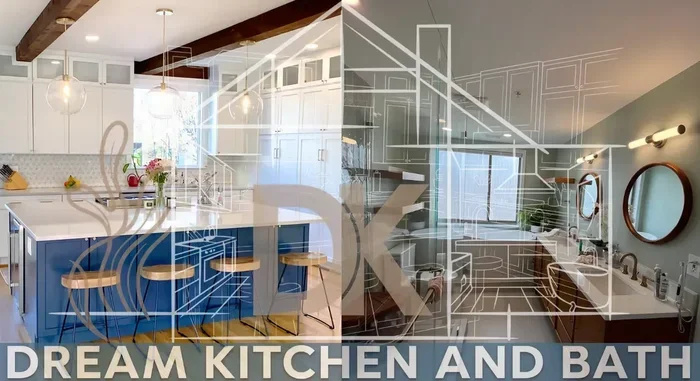
A done right kitchen and bath transforms your home into a space you truly love. This guide covers everything from planning and design to budgeting and hiring pros. You will learn practical tips, current trends, and expert insights to make your renovation a success.
Key Takeaways
- Plan Before You Start: A clear plan saves time, money, and stress during your done right kitchen and bath project.
- Set a Realistic Budget: Understanding costs upfront helps you avoid surprises and keeps your renovation on track.
- Focus on Function: Great design means your space looks good and works well for your daily routine.
- Hire the Right Professionals: Skilled contractors and designers make a huge difference in the final result.
- Trends Come and Go: Choose timeless elements that will keep your space looking great for years.
- Small Changes Matter: Even minor updates can boost your home resale value and improve daily life.
📑 Table of Contents
- Why a Done Right Kitchen and Bath Makes All the Difference
- Planning Your Done Right Kitchen and Bath Project
- Kitchen Design Trends That Stand the Test of Time
- Bathroom Design Essentials for a Done Right Kitchen and Bath
- Budgeting for Your Kitchen and Bath Renovation
- Boosting Home Resale Value Through Smart Renovations
- Common Mistakes to Avoid in Kitchen and Bath Renovations
- Expert Insights for a Successful Renovation
- Key Takeaways
- Conclusion
Why a Done Right Kitchen and Bath Makes All the Difference
Your kitchen and bath are the heart of any home. These two spaces see the most daily use. They also hold the highest value when it comes to home improvement. A done right kitchen and bath project can change how you feel about your entire house.
Think about it. You start your morning in the bathroom. You cook dinner in the kitchen. You host friends for drinks and appetizers. You might even prepare something like a fresh burrata and tomato salad for guests. All of this happens in these two key rooms. Making them work well for you matters more than you might think.
A poorly planned renovation leads to frustration. Cabinets that don’t fit. Lighting that casts harsh shadows. Flooring that gets damaged fast. These problems are easy to avoid. With the right approach, you can create spaces that are beautiful, functional, and built to last. This guide walks you through every step of the process.
Whether you are updating a single room or tackling both spaces at once, the principles remain the same. Good planning, smart choices, and honest budgeting are your foundation. Let us dive into what makes a kitchen and bath renovation truly succeed.
Planning Your Done Right Kitchen and Bath Project
Start With a Clear Vision
Every great renovation begins with a vision. Before you pick tiles or order cabinets, sit down and think about what you want. Ask yourself some key questions. How do you use your kitchen each day? What does your bathroom need to feel like? Do you prefer a modern look or something more classic?
Write down your answers. Take photos of spaces you love. Create a simple mood board. This helps you stay focused when decisions get overwhelming. A clear vision also makes it easier to communicate with contractors and designers.
Measure Everything Twice
Accurate measurements are the backbone of any successful renovation. Measure your kitchen layout carefully. Note where windows, doors, and plumbing lines sit. In the bathroom, map out every fixture and outlet. These details affect everything from cabinet placement to shower size.
Do not skip this step. Even small measurement errors can cause big problems later. A cabinet that is two inches too wide can ruin an entire layout. Take your time and double-check every number.
Create a Realistic Timeline
Renovations almost always take longer than expected. Build extra time into your schedule. A kitchen and bath project might take anywhere from four to twelve weeks. The timeline depends on the scope of work and material availability.
Plan around your daily life too. If you cook every day, think about where you will prepare meals during construction. If your bathroom is the only one in the house, plan for temporary setups. A little foresight goes a long way.
Kitchen Design Trends That Stand the Test of Time
Open Concept Kitchens
Open concept kitchens remain hugely popular for good reason. They create a sense of space and connection. You can cook while still talking to family in the living room. An open layout also makes entertaining much easier.
When cooking a dish like lemon and prawn spaghetti for guests, you want to be part of the conversation, not isolated in a closed kitchen. An open layout lets you move freely between cooking and socializing.
Smart Storage Solutions
Clutter is the enemy of a beautiful kitchen. Smart storage keeps everything organized and out of sight. Consider pull-out pantry shelves. Add drawer organizers for utensils. Install lazy susans in corner cabinets. These small changes make a big difference.
Drawer-based cabinets are often better than traditional doors. You can see everything inside without bending and searching. This simple switch saves time every single day.
Choosing the Right Countertops
Countertops take a lot of daily wear and tear. They need to look good and hold up well. Quartz is a popular choice because it is durable and low maintenance. Granite offers natural beauty but requires sealing. Butcher block brings warmth but needs regular care.
Your choice should match your lifestyle. If you cook often and love a rustic feel, butcher block might be perfect. If you want something that handles spills and heat easily, quartz is a strong pick.
Bathroom Design Essentials for a Done Right Kitchen and Bath
Lighting That Works
Bathroom lighting often gets overlooked. Bad lighting makes a small space feel cramped. It also makes grooming tasks difficult. Aim for layered lighting in your bathroom design.
Start with a bright overhead fixture. Add vanity lights on either side of the mirror. These reduce shadows on your face. Consider adding a small nightlight for late trips to the bathroom. Good lighting transforms the entire feel of the room.
Vanity and Storage Choices
The bathroom vanity is a focal point. It combines function with style. Floating vanities create a modern look and make floor cleaning easier. Built-in vanities offer more storage space.
Think about your storage needs carefully. Towels, toiletries, and cleaning supplies all need a home. A vanity with drawers beats one with open shelves for keeping things tidy. Choose materials that handle moisture well, since bathrooms tend to be humid.
Tile and Flooring Decisions
Bathroom tiles do more than look pretty. They need to be waterproof and slip-resistant. Porcelain tiles are a top choice because they handle moisture well. Large-format tiles reduce grout lines, which means less cleaning.
For flooring, consider textured tiles that provide grip when wet. A bath mat adds extra safety and comfort. Match your tile choice to your overall bathroom design for a cohesive look.
Plumbing Fixtures That Make a Statement
Faucets, showerheads, and drains might seem like small details. But they shape your daily experience more than you realize. Matte black fixtures are trending right now for a sleek, modern look. Chrome fixtures offer a classic, timeless finish.
When selecting inspiration for fresh, vibrant meals like a beetroot and feta salad, you want a kitchen with reliable plumbing that works seamlessly. Quality fixtures in both kitchen and bath prevent leaks and improve water flow.
Budgeting for Your Kitchen and Bath Renovation
Understanding the True Costs
Renovation costs can add up fast. The average kitchen remodel runs between twelve and thirty-five thousand dollars. Bathroom renovations typically cost between five and fifteen thousand dollars. These numbers vary based on room size, material quality, and scope of work.
Always build a buffer into your budget. Unexpected issues like old plumbing or water damage can add hundreds or even thousands to the total. A ten percent contingency fund is a smart rule of thumb.
Where to Splurge and Where to Save
Not every part of a renovation needs top-tier spending. Here is a simple breakdown of where to invest and where to cut back.
- Splurge on: countertops, plumbing fixtures, and lighting. These elements affect daily use and last for years.
- Save on: decorative accessories, paint colors, and cabinet hardware. These items are easy to update later.
- Invest in: quality waterproofing for bathrooms. This prevents costly water damage down the road.
- Cut costs on: backsplashes with simple designs. Classic subway tiles are affordable and always look great.
DIY vs Hiring Professionals
Some tasks are great for DIY enthusiasts. Painting walls and installing accessories are manageable for most homeowners. But plumbing, electrical work, and structural changes need licensed professionals.
Doing electrical or plumbing work yourself might save money upfront. But mistakes can lead to expensive repairs later. Know your limits and hire experts for complex tasks. This approach keeps your project safe and up to code.
Boosting Home Resale Value Through Smart Renovations
A done right kitchen and bath project pays for itself over time. These two rooms consistently rank as the top sellers for home resale value. Buyers notice updated kitchens and bathrooms first. They often make offers based on the condition of these spaces.
You do not need a luxury renovation to see returns. Even modest updates can make a big impact. New cabinet hardware, fresh paint, and updated lighting are affordable changes with noticeable results. A comforting healthy butternut squash mac and cheese recipe might be the first thing you cook in your beautifully updated kitchen.
Focus on neutral design choices. Bold or overly personal styles might not appeal to future buyers. Clean lines, quality materials, and a cohesive color palette attract the widest range of buyers. Keep your renovation functional and appealing to a broad audience.
Common Mistakes to Avoid in Kitchen and Bath Renovations
Skipping the Planning Phase
Jumping into a renovation without a plan is the fastest path to disaster. Without clear goals, you make rushed decisions. These decisions often lead to regret. Take the time to plan every detail before work begins.
Ignoring Ventilation
Proper ventilation is critical in both kitchens and bathrooms. Without it, moisture builds up. This leads to mold, mildew, and even structural damage over time. Install a quality range hood in the kitchen. Add an exhaust fan in the bathroom. These small additions protect your investment for years.
Following Trends Blindly
Trends come and go quickly. Bold colored cabinets might look stunning today. But will you still love them in five years? Stick with timeless design principles. Use trends as accents rather than the foundation of your design. This keeps your space feeling fresh without frequent redos.
Underestimating the Timeline
Many homeowners expect a quick turnaround. Reality rarely matches that expectation. Delays happen with material orders, permit approvals, and unexpected discoveries behind walls. Patience is one of the most valuable tools in any renovation project.
Expert Insights for a Successful Renovation
Professional designers and contractors share a common piece of advice. Start with the end in mind. Every decision should serve your long-term vision. A done right kitchen and bath is not just about aesthetics. It is about creating a space that works beautifully for your daily life.
Visit showrooms and browse design websites for inspiration. Save images of spaces that resonate with you. Look for patterns in what attracts you. Do you prefer warm tones or cool shades? Open layouts or cozy nooks? These patterns reveal your personal style. They guide your choices throughout the project.
Communication with your contractor is essential. Check in regularly during the project. Ask questions about any decisions you do not understand. A good contractor welcomes your involvement. They want you to be happy with the final result.
Also consider how your choices affect daily routines. A kitchen island with stools encourages morning coffee conversations. A spacious shower with multiple heads turns a rushed morning into a relaxing experience. These small comforts add up to a better quality of life every single day.
Key Takeaways
- Plan thoroughly before starting: A clear vision and accurate measurements prevent costly mistakes.
- Set a realistic budget with a contingency fund: Unexpected costs are normal, so prepare for them.
- Choose timeless design over passing trends: Classic elements keep your space looking great for years.
- Invest in quality fixtures and materials: These areas impact daily use and long-term durability.
- Hire professionals for complex work: Plumbing, electrical, and structural tasks require licensed expertise.
- Think about resale value: Neutral, functional updates appeal to the broadest range of future buyers.
- Prioritize function alongside aesthetics: A beautiful space that does not work for your lifestyle leads to frustration.
Conclusion
A done right kitchen and bath is one of the best investments you can make in your home. These spaces affect your daily comfort, your entertaining lifestyle, and your property value. With careful planning, smart budgeting, and the right team of professionals, you can transform both rooms into spaces you truly love.
Start with a clear vision. Build a realistic budget. Choose materials and designs that reflect your style while standing the test of time. Avoid common pitfalls like skipping ventilation or following trends too closely. And remember that the best renovation is one that serves your daily life beautifully.
Whether you are updating a single fixture or remodeling both rooms from top to bottom, every decision matters. Take your time, do your research, and trust the process. Your dream kitchen and bath is closer than you think. Start planning today and enjoy the journey of creating a home that truly feels yours.
Frequently Asked Questions
How much does a done right kitchen and bath renovation typically cost?
A kitchen renovation usually costs between twelve and thirty-five thousand dollars, while a bathroom renovation ranges from five to fifteen thousand dollars. These costs vary based on room size, material quality, and the scope of work. Always include a ten percent contingency fund for unexpected expenses.
How long does a kitchen and bath renovation take?
Most renovation projects take between four and twelve weeks. The timeline depends on the complexity of the work, material availability, and any unexpected issues that arise. Planning ahead and setting realistic expectations helps you stay patient throughout the process.
Can I renovate my kitchen and bath myself to save money?
Simple tasks like painting, installing accessories, and updating hardware are great for DIY projects. However, plumbing, electrical work, and structural changes require licensed professionals. Attempting complex tasks without proper skills can lead to costly mistakes and safety hazards.
What are the best materials for kitchen countertops and bathroom floors?
Quartz is a top choice for kitchen countertops because it is durable and low maintenance. Porcelain tiles work well for bathroom floors since they are waterproof and slip-resistant. Choose materials that match your lifestyle and handle the specific demands of each room.
How do I choose a color palette for my kitchen and bath?
Neutral tones like white, gray, and beige create a timeless and versatile look. Add personality through accent colors in accessories, towels, or cabinet hardware. Stick to a cohesive palette that flows between both rooms for a unified design feel.
Will renovating my kitchen and bath increase my home resale value?
Yes, updated kitchens and bathrooms consistently rank as the top features that boost home resale value. Buyers pay close attention to these two rooms. Even modest, well-planned updates can yield a strong return on investment when it is time to sell.

