
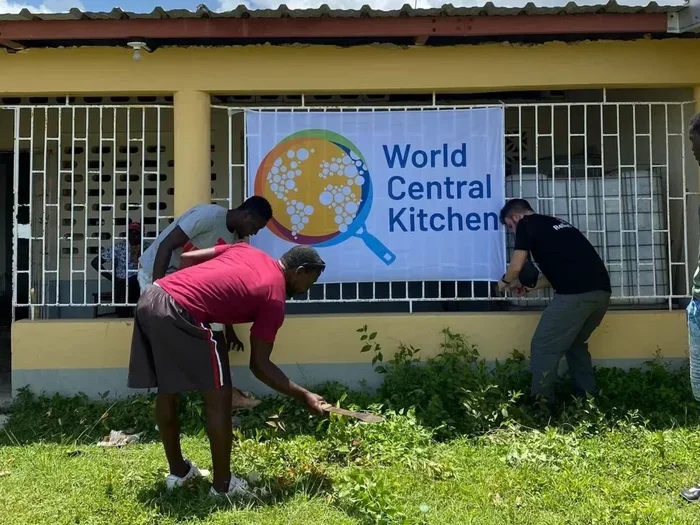
World Central Kitchen is a humanitarian aid organization founded by chef José Andrés that delivers meals to communities hit by disasters and crises worldwide. It operates on a rapid response model that brings hot, fresh food directly to people in need within hours of a disaster striking. The organization has become a global leader in emergency food distribution and disaster relief, serving millions of meals across dozens of countries.
World Central Kitchen is a humanitarian aid organization that delivers meals to people in crisis around the globe. Founded by chef José Andrés, this nonprofit organization has become one of the most recognized names in disaster relief and emergency food distribution. The answer to what is World Central Kitchen is simple yet powerful. It is a group that brings hot, nutritious meals to communities hit by natural disasters, conflicts, and other emergencies. Since its founding, WCK has served millions of meals and shown that food can be a lifeline during the hardest times.
If you have followed news about disaster response, you have likely heard the name World Central Kitchen. But what makes this organization stand out from other relief groups? Unlike traditional aid models that rely on large supply chains and slow bureaucracy, World Central Kitchen operates with speed, flexibility, and a deep respect for local communities. The organization has responded to dozens of major crises worldwide, from hurricanes to earthquakes to conflicts. Understanding how this group works gives you a clearer picture of why it has become so important in the world of humanitarian aid.
Key Takeaways
- What It Is: World Central Kitchen is a nonprofit organization that provides hot meals during disasters and humanitarian crises around the world.
- Who Founded It: Celebrity chef José Andrés started the organization in 2010 after the Haiti earthquake, driven by a belief that food is a basic human right.
- How It Works: WCK uses a rapid response model with local partnerships, volunteer cooks, and flexible supply chains to deliver meals fast.
- Major Responses: The organization has mobilized during Hurricane Maria, the Ukraine crisis, the Gaza conflict, and many other disasters globally.
- Why It Matters: It fills critical gaps in traditional aid, empowers local communities, and offers a new model for food rescue and crisis response.
- How to Help: You can support WCK through donations, fundraising, volunteering, and spreading awareness about their mission.
📑 Table of Contents
What Is World Central Kitchen?
At its core, World Central Kitchen is a nonprofit organization built on a simple idea: food is a basic human right, especially during emergencies. The organization was founded in 2010 by Spanish-American chef José Andrés after the devastating earthquake in Haiti. Andrés saw that aid was slow to arrive and that people needed food immediately. So he decided to act. He gathered local chefs, cooked meals, and delivered them directly to affected communities. That small act of culinary activism grew into one of the most impactful humanitarian efforts in modern history.
Today, World Central Kitchen operates in more than a dozen countries. It responds to disaster zones within hours and serves millions of meals every year. The organization focuses on bringing hot, freshly prepared food to people who have lost access to kitchens, grocery stores, and basic supplies. Whether it is a hurricane, an earthquake, or a conflict, WCK is there to make sure no one goes hungry during a crisis.
The Founding Vision
José Andrés has always believed that cooking is more than a profession. It is a way to bring people together and address urgent needs. After the 2010 Haiti earthquake, he traveled to Port-au-Prince and started cooking. He worked with local restaurants and volunteers to serve thousands of meals in the first days after the disaster. This experience shaped the mission of World Central Kitchen. Andrés wanted to build an organization that could respond faster than any government or large aid agency. He believed that local kitchens and local chefs were the best tools for delivering food in emergencies.
Core Mission and Values
The mission of World Central Kitchen is clear: to use food to strengthen communities during and after crises. The organization operates on several core values:
- Speed: Meals must reach people fast. Every hour counts in a disaster.
- Local Partnerships: WCK works with local chefs, restaurants, and food suppliers rather than replacing them.
- Dignity: Providing hot meals restores a sense of normalcy and respect for affected communities.
- Flexibility: The organization adapts quickly to changing conditions on the ground.
- Transparency: WCK shares its financials and operations openly with the public.
How World Central Kitchen Operates
The operational model of World Central Kitchen is what sets it apart from most other humanitarian aid organizations. Traditional aid groups often rely on large warehouses, pre-packaged meals, and long delivery timelines. WCK takes a different approach. It cooks fresh meals locally or near the disaster site and delivers them directly to affected populations. This model reduces waste, supports local economies, and ensures that food arrives hot and nutritious.
The Rapid Response Model
One of the most impressive aspects of World Central Kitchen is its rapid response capability. When a disaster strikes, WCK deploys rapid response teams within 24 to 48 hours. These teams include experienced chefs, logistics coordinators, and local volunteers. They assess the situation, identify the most urgent food needs, and start cooking immediately. The organization maintains a network of community kitchens in vulnerable regions so that it can scale up quickly when a crisis hits.
This speed matters enormously. In the first 72 hours after a disaster, access to food can mean the difference between life and death. WCK understands this urgency and has built its entire operational framework around responding fast. The supply chain disruption that often follows disasters does not slow them down because they rely on local ingredients and local cooks.
A Community-First Approach
Rather than flying in pre-made meals from other countries, World Central Kitchen invests in local food systems. The organization partners with local restaurants, food vendors, and home cooks to prepare meals. This approach does several things. It creates jobs for people in the affected area. It keeps money circulating in the local economy. And it ensures that the food being served is familiar and culturally appropriate for the community. This community resilience strategy has earned WCK deep trust in every region where it operates.
Volunteer cooks also play a major role in how WCK operates. Chefs from around the world travel to disaster zones to help prepare meals. They work alongside local cooks, sharing techniques and learning from each other. This exchange of knowledge builds lasting capacity in communities that need it most.
Key Programs and Initiatives
World Central Kitchen runs several programs that address both immediate and long-term food needs. These programs go beyond just delivering meals. They aim to build sustainable food systems and reduce global hunger over time.
Emergency Meal Distribution
The flagship program of World Central Kitchen is its emergency meal distribution effort. When a disaster hits, WCK sets up temporary kitchens or partners with existing local restaurants to prepare thousands of meals per day. These meals are distributed through a network of delivery points, often using vehicles, boats, or even drones to reach isolated areas. The meals are designed to be nutritious, filling, and easy to eat on the go. WCK has distributed over 50 million meals during various crises since its founding, making it one of the largest emergency food distribution networks in the world.
Food Rescue and Sustainability
WCK also runs programs focused on food rescue and reducing waste. The organization works with grocery stores, farms, and restaurants to rescue food that would otherwise be thrown away. This rescued food is then used to prepare meals for people in need. This program addresses two problems at once: food waste and food security. By rescuing surplus food, WCK helps communities build more sustainable local food systems that can withstand future shocks.
Local Kitchen Partnerships
Another key initiative is the Local Kitchen Partnerships program. WCK provides training, equipment, and funding to local restaurants and community kitchens in disaster-prone areas. These kitchens become part of WCK’s network and are ready to activate when a crisis occurs. This program builds long-term capacity and ensures that communities have the infrastructure to feed themselves during emergencies. It is a powerful example of how international aid can work hand in hand with local knowledge and resources.
Major Crises and Disasters Responded To
The track record of World Central Kitchen speaks for itself. The organization has responded to some of the biggest disasters and crises in recent years. Each response has demonstrated the effectiveness of its model and the dedication of its team.
Hurricane Maria in Puerto Rico
In 2017, Hurricane Maria devastated Puerto Rico. Power was out for months, and access to food and water was severely limited. World Central Kitchen was one of the first organizations to respond. José Andrés and his team set up kitchens across the island and served over 3.6 million meals in the first weeks. WCK also worked with local restaurants to keep them running, helping to preserve the island’s food economy. This response put World Central Kitchen on the map as a serious player in disaster relief.
The Ukraine Crisis Response
When the conflict in Ukraine escalated in 2022, World Central Kitchen moved quickly. The organization set up kitchens in Ukraine, Poland, and neighboring countries to serve meals to displaced families and those affected by the war. WCK delivered millions of meals and worked closely with local partners to ensure that food reached the right people. The response highlighted WCK’s ability to operate in active conflict zones and adapt to rapidly changing conditions.
Gaza and Global Conflict Zones
World Central Kitchen has also responded to crises in Gaza and other conflict zones. In these environments, delivering food is incredibly dangerous and logistically complex. WCK has worked with local organizations and international partners to navigate these challenges. The organization has delivered essential meals to civilians caught in the crossfire, demonstrating remarkable courage and commitment to its mission. These responses have drawn both praise and scrutiny, highlighting the difficult realities of operating in active humanitarian crises.
Why World Central Kitchen Matters
There are many organizations that provide aid during disasters. So why does World Central Kitchen stand out? The answer lies in its innovative approach, its speed, and its respect for local communities. WCK has fundamentally changed the way the world thinks about food aid during emergencies.
Filling the Gap in Humanitarian Aid
Traditional aid organizations often take days or even weeks to set up operations after a disaster. Bureaucracy, logistics, and funding delays slow everything down. World Central Kitchen fills this gap by arriving fast and starting to cook immediately. The organization does not wait for approvals or large shipments of supplies. It uses what is available locally and builds from there. This crisis response speed has saved countless lives and provided comfort to millions of people during their darkest hours.
Empowering Local Communities
One of the most important reasons WCK matters is its commitment to empowering local communities. Rather than creating dependency on foreign aid, the organization builds capacity from within. By partnering with local chefs, restaurants, and food suppliers, WCK helps communities become more self-sufficient. This approach creates a ripple effect. Local businesses stay afloat. Jobs are preserved. And communities are better prepared for future disasters. This model of disaster recovery is more sustainable and more respectful than traditional top-down aid approaches.
A New Model for Food Aid
World Central Kitchen has pioneered what many call a new model for food aid. It combines the urgency of emergency response with the sustainability of local food systems. The organization has shown that fresh, hot meals can be delivered efficiently in even the most challenging environments. This model has inspired other organizations to rethink their approaches. WCK has proven that food rescue, local partnerships, and speed can work together to address global hunger during crises. It is a model that deserves attention and support from anyone who cares about humanitarian causes.
How You Can Support World Central Kitchen
If you are inspired by the work of World Central Kitchen, there are many ways to get involved. The organization relies on donations, volunteers, and advocates to continue its mission. Every contribution, no matter how small, makes a difference.
Donations and Fundraising
The most direct way to support WCK is through financial donations. The organization accepts donations of all sizes through its website. These funds are used to buy ingredients, pay local cooks, and cover logistics costs. You can also organize a fundraising event or campaign to raise money for WCK. Many schools, workplaces, and community groups have raised thousands of dollars through creative fundraising efforts. Every dollar helps WCK deliver more meals to people in need.
Volunteering and Advocacy
While WCK does not always have a formal volunteer program for international deployments, there are still ways to contribute your time and skills. You can volunteer with local food banks and community kitchens that partner with WCK. You can also advocate for the organization by sharing its story on social media, writing about its work, or hosting awareness events. Spreading the word about what is World Central Kitchen and why it matters helps build public support and attract more resources for its mission.
Conclusion
World Central Kitchen has proven that food can be one of the most powerful tools for healing and resilience during crises. From its founding by José Andrés after the Haiti earthquake to its responses in Puerto Rico, Ukraine, Gaza, and beyond, WCK has consistently shown up fast, cooked fresh meals, and empowered local communities. The organization has redefined what humanitarian aid can look like. It has shown that speed, local partnerships, and respect for communities are the keys to effective disaster relief.
Understanding what is World Central Kitchen is the first step toward appreciating the incredible work this organization does. It is more than a nonprofit organization. It is a movement that believes everyone deserves access to nutritious food, especially when times are hardest. Whether you choose to donate, volunteer, or simply spread the word, supporting World Central Kitchen means standing with the millions of people worldwide who depend on quick, compassionate food aid during their most vulnerable moments.
Frequently Asked Questions
Who founded World Central Kitchen?
World Central Kitchen was founded by chef José Andrés in 2010. He started the organization after witnessing the devastating earthquake in Haiti and seeing how slow traditional aid was to deliver food to affected communities. His vision was to create a faster, more flexible way to bring hot meals to people in crisis.
How does World Central Kitchen fund its operations?
WCK is funded through individual donations, corporate partnerships, and fundraising events. The organization is transparent about its finances and publishes annual reports. Donations go directly toward buying ingredients, paying local cooks, covering logistics, and setting up kitchens in disaster zones.
Where has World Central Kitchen responded to disasters?
World Central Kitchen has responded to disasters in Puerto Rico, Ukraine, Gaza, Haiti, Nepal, Ecuador, the Bahamas, and many other locations. The organization maintains a global network of partner kitchens and rapid response teams ready to deploy wherever emergencies strike.
Can anyone volunteer with World Central Kitchen?
While WCK does not always have open volunteer positions for international deployments, there are opportunities to volunteer with local food banks and community kitchens that partner with the organization. You can also support WCK by volunteering your professional skills in areas like marketing, logistics, or fundraising.
How is World Central Kitchen different from other aid organizations?
WCK stands out because of its speed, local-first approach, and focus on fresh meals. Instead of shipping pre-packaged food from far away, the organization cooks locally using local ingredients and local cooks. This model is faster, more sustainable, and more respectful of the communities it serves.
How can I donate to World Central Kitchen?
You can donate directly through the World Central Kitchen website. The organization accepts one-time and recurring donations of any amount. You can also support WCK by organizing a fundraiser, participating in a charity event, or spreading awareness about their mission on social media.

