
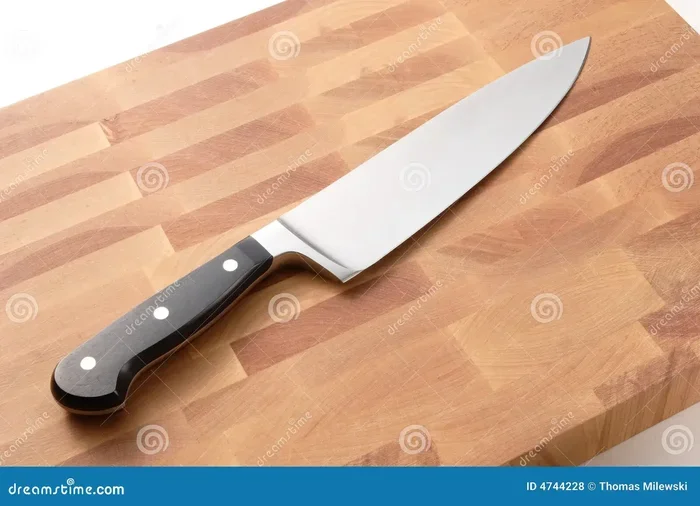
Finding the best single kitchen knife can transform your cooking experience. A single versatile blade handles chopping, slicing, dicing, and mincing with ease. Whether you are a beginner or a seasoned cook, one high-quality knife replaces a cluttered knife block. This guide covers top picks, buying tips, and practical advice to help you choose the perfect single kitchen knife for every meal.
Let us be honest. Most of us do not need a drawer full of knives. What we really need is one great blade that handles everything from chopping onions to slicing tomatoes. A single kitchen knife can do exactly that if you pick the right one.
Over the years, I have tested dozens of knives in real kitchens. The pattern is always the same. People reach for the same one knife over and over again. That is the one you want. This guide walks you through everything you need to know about finding the best single kitchen knife for your needs.
Whether you are a college student setting up your first kitchen or a home cook who wants to simplify your setup, this article has you covered. I will break down the types, sizes, materials, and features that matter most. By the end, you will know exactly which knife to buy.
Key Takeaways
- One Knife Does It All: A quality single kitchen knife handles most cooking tasks, from chopping vegetables to slicing bread.
- Chef Knives Are the Go-To: The 8-inch chef knife is the most versatile and popular choice for a single blade setup.
- Sharpness Matters Most: A well-maintained edge makes every cutting task faster, safer, and more enjoyable.
- Ergonomics Count: A comfortable handle reduces hand fatigue during long cooking sessions.
- Maintenance Extends Life: Regular honing and proper storage keep your blade performing like new for years.
- Budget-Friendly Options Exist: You do not need to spend a fortune to get a reliable and durable single kitchen knife.
📑 Table of Contents
Why One Kitchen Knife Can Do It All
The idea of a single blade handling every task sounds almost too good to be true. But it works. A well-chosen chef knife covers about 90 percent of kitchen cutting tasks. You chop vegetables, slice meat, mince garlic, and even crush garlic cloves with the broad side of the blade.
The secret is in the design. Most versatile kitchen knives feature a broad triangular blade that rocks back and forth on the cutting board. This rocking motion makes quick work of onions, carrots, and herbs. The curved belly also helps with slicing and scooping.
Think about it this way. You do not need ten tools when one tool does the job perfectly. A single kitchen knife saves counter space, reduces clutter, and makes cleanup faster. It also forces you to learn proper knife skills, which makes you a better cook overall.
The Rocking Motion: Your Best Friend
The rocking motion is the foundation of efficient cutting. You place the tip of the blade on the board and pivot the heel up and down. This technique chops herbs in seconds and dices onions like a pro. The wider the blade, the more stable and efficient this motion becomes.
Tasks a Single Knife Handles Easily
- Chopping vegetables like onions, carrots, and celery
- Slicing fruits such as tomatoes, apples, and lemons
- Mincing garlic and fresh herbs
- Slicing bread with a serrated edge (on some models)
- Breaking down chicken or trimming meat
- Scooping and transferring chopped ingredients
When you cook a quick meal like a best canned tuna recipe for dinner, one sharp knife handles every step from chopping the onion to mincing the garlic. The same goes for making a best tofu sandwich or preparing a rich best vegetarian ragu recipe. One good blade covers all of it.
What Makes the Best Single Kitchen Knife
Not all knives are created equal. Several factors determine which blade deserves a spot as your go-to kitchen tool. Let us break down what really matters.
Blade Length and Size
The 8-inch blade is the sweet spot for most cooks. It is long enough to handle large vegetables and short enough to control easily. If you have small hands, a 7-inch blade might feel more comfortable. For larger hands or heavy-duty tasks, a 10-inch blade works well.
Here is a quick comparison of common sizes:
- 6-inch blade: Great for small hands and precise tasks like peeling and trimming
- 8-inch blade: The most popular all-around size for home cooks
- 10-inch blade: Best for large cutting tasks and heavy chopping
Blade Material
The material affects sharpness, durability, and ease of maintenance. Here are the most common options you will encounter.
- High-carbon stainless steel: Holds a sharp edge well and resists rust. This is the best all-around choice for most cooks.
- Carbon steel: Extremely sharp and easy to hone, but it requires more care to prevent rusting.
- Ceramic: Lightweight and stays sharp for a long time, but it is brittle and not ideal for heavy chopping.
- Stainless steel: Durable and low maintenance, but it does not hold an edge as long as high-carbon options.
Handle Comfort and Balance
A comfortable handle makes a huge difference during long cooking sessions. Look for ergonomic designs that fit naturally in your hand. The knife should feel balanced when you hold it. A well-balanced blade reduces hand fatigue and gives you better control.
Full tang construction is another important feature. This means the metal extends through the entire handle. It makes the knife stronger and more durable over time.
Top Picks for the Best Single Kitchen Knife
After testing many options, here are some of the strongest contenders for the title of best single kitchen knife. Each one brings something unique to the table.
1. The Classic 8-Inch Chef Knife
This is the workhorse of the kitchen. An 8-inch chef knife handles nearly every task you throw at it. It chops, slices, dices, and minces with precision. Most professional cooks own at least one of these, and for good reason.
Look for a blade made from high-carbon stainless steel with a full tang handle. Brands in this category offer excellent quality at reasonable prices. This is the knife I recommend to almost everyone who asks.
2. The Japanese-Style Gyuto Knife
The Gyuto knife is a Japanese take on the Western chef knife. It typically features a thinner, harder blade that holds an incredibly sharp edge. The lighter weight makes it feel effortless to use, especially for precise cuts and delicate vegetables.
If you prefer a lighter knife with exceptional sharpness, the Gyuto is a fantastic choice. It handles everything from slicing sashimi to chopping onions with grace.
3. The Multi-Purpose Utility Knife
A 5- to 7-inch utility knife fills the gap between a paring knife and a full-size chef knife. It is a great option if you have smaller hands or prefer a more compact blade. It handles everyday tasks like slicing sandwiches, trimming vegetables, and cutting herbs.
While it does not replace a full chef knife for heavy-duty work, it is a strong contender for those who want a more nimble single blade.
How to Choose the Right Knife for You
Choosing the right single kitchen knife comes down to a few personal factors. Let us walk through what to consider before you buy.
Consider Your Hand Size
This matters more than most people realize. A knife that is too large or too small for your hand feels awkward and tires you out quickly. Hold the knife before you buy it if possible. Your fingers should wrap comfortably around the handle with a slight gap at the palm.
Think About Your Cooking Style
Do you chop vegetables for hours? A heavier knife with more momentum works well for this. Do you prefer quick, precise cuts? A lighter, thinner blade gives you more control. Match the knife to how you actually cook, not how you think you should cook.
Set a Realistic Budget
You do not need to spend hundreds of dollars on a single knife. Excellent budget-friendly kitchen knives exist in the $30 to $80 range. These blades offer great performance and durability for everyday home cooking. If you want to invest more, premium options in the $100 to $200 range offer superior materials and craftsmanship.
The key is to find the best value for your money. A well-maintained mid-range knife often outperforms a neglected expensive one.
Caring for Your Single Kitchen Knife
A good knife lasts for decades with proper care. The maintenance routine is simple, but it makes a world of difference in performance.
Honing vs. Sharpening
Many people confuse honing with sharpening, but they are different processes. Honing realigns the edge of the blade using a honing steel. You should hone your knife before or after every few uses. Sharpening removes material to create a new edge, and you only need to do this every few months.
Invest in a good honing steel and learn to use it properly. This simple habit keeps your blade performing at its best between sharpenings.
Cleaning and Storage
Always hand-wash your knife with warm soapy water. Never put it in the dishwasher. The harsh detergents and high heat can damage the blade and handle over time. Dry the knife immediately after washing to prevent rust.
Store your knife in a knife block, on a magnetic strip, or in a blade guard. Never toss it loose into a drawer where it can chip against other utensils.
When to Sharpen
A dull knife is actually more dangerous than a sharp one. It requires more force, which increases the chance of slipping. If you notice your knife tearing instead of cutting through food, it is time to sharpen it. Most home cooks benefit from sharpening every 3 to 6 months depending on usage.
Common Mistakes to Avoid
Even experienced cooks make mistakes with their knives. Here are a few to watch out for.
- Using the wrong cutting board: Glass, marble, and granite boards dull blades quickly. Use wood or plastic cutting boards instead.
- Chochopping with the tip: This puts stress on the blade and the wrist. Use the full length of the blade for chopping.
- Ignoring the heel: The heel of the blade is perfect for tough tasks like cutting through squash or frozen herbs. Do not be afraid to use it.
- Storing knives loosely: This chips the edge and creates safety hazards. Always store knives properly.
- Using a knife as a screwdriver or can opener: Your knife is for food, not general tools. Misusing it damages the blade.
Quick Tips for Better Knife Skills
Improving your knife skills makes cooking faster and more enjoyable. Here are some quick tips to get you started.
- Claw grip: Curl your fingertips under when holding food. Your knuckles guide the blade, and your fingertips stay safe.
- Stable board: Place a damp towel under your cutting board to prevent it from slipping.
- Sharp blade: A sharp knife moves through food cleanly and safely. Keep it honed regularly.
- Practice rhythm: Develop a steady cutting rhythm for consistent results and faster prep work.
- Let the knife do the work: Do not press too hard. A sharp blade cuts with minimal effort.
With a little practice, you will wonder how you ever cooked without a sharp, reliable single kitchen knife. It becomes an extension of your hand.
The Bottom Line
Choosing the best single kitchen knife is one of the smartest decisions you can make for your kitchen. It simplifies your cooking, saves space, and improves your efficiency. Whether you choose a classic 8-inch chef knife, a Japanese Gyuto, or a compact utility knife, the key is to find one that fits your hand, matches your cooking style, and feels great to use.
Take care of your blade, keep it sharp, and it will serve you faithfully for years. A single quality knife truly is all you need to create amazing meals every day.
So go ahead, pick up the right blade, and make your next meal prep session a breeze. Your kitchen and your cooking will thank you.
Frequently Asked Questions
What is the best single kitchen knife for a beginner?
An 8-inch chef knife is the ideal starting point for beginners. It is versatile, easy to learn with, and handles most kitchen tasks. Look for one with a comfortable handle and a balanced feel.
Can one knife really replace a full knife set?
Yes, for most home cooks. A quality chef knife covers about 90 percent of cutting tasks. You might eventually want a small paring knife or bread knife, but a single blade handles the vast majority of cooking jobs.
How often should I sharpen my single kitchen knife?
Most home cooks should sharpen their knife every 3 to 6 months. Regular honing with a steel between sharpenings keeps the edge in great shape and extends the time between full sharpenings.
Is a Japanese knife better than a Western chef knife?
Neither is objectively better. Japanese knives like the Gyuto are typically thinner and sharper, making them great for precise cuts. Western chef knives are usually heavier and more durable for heavy chopping. Choose based on your cooking style and preference.
What should I look for in a knife handle?
Look for an ergonomic design that fits your hand comfortably. The handle should feel secure without being slippery. Full tang construction adds durability and balance to the knife.
How much should I spend on a single kitchen knife?
Excellent knives are available in the $30 to $80 range for everyday home cooking. Premium options cost more but offer superior materials and craftsmanship. Focus on quality and comfort over price alone.

