A clogged kitchen sink can bring your whole kitchen to a halt. This guide covers the best home remedies to unclog kitchen sink quickly, safely, and affordably. You will learn proven methods using baking soda, vinegar, boiling water, and simple tools that work every time.
A clogged kitchen sink is one of the most frustrating problems you can face at home. Standing water in the sink makes it impossible to wash dishes, rinse food, or even fill a pot. The good news is that you do not need expensive chemical drain cleaners or a plumber to fix most clogs. Home remedies to unclog kitchen sink work surprisingly well and cost almost nothing. In this guide, you will learn the best methods, tools, and prevention tips to keep your drain flowing freely.
Most kitchen clogs happen because of grease, food particles, and soap scum building up over time. The good thing is that simple ingredients like baking soda and vinegar can break down these blockages safely. You will also discover when a plunger or drain snake is the right choice. By the end of this article, you will have everything you need to tackle any clog like a pro.
## Why Kitchen Sinks Get Clogged
A slow drain or full clog does not happen overnight. It builds up gradually from everyday kitchen habits. Understanding what causes the problem helps you fix it and prevent it from coming back.
### Common Culprits Behind Drain Blockages
Several everyday items contribute to a clogged drain. Here are the main offenders:
- Grease and cooking oil — These liquids solidify inside pipes and trap debris.
- Food particles — Coffee grounds, rice, pasta, and eggshells cling to pipe walls.
- Soap scum — Soap residue mixes with minerals in water and builds up over time.
- Hair and stringy vegetables — These can wrap around drain screens and create blockages.
If you have ever washed greasy pans in the sink after making a tofu sandwich or cleaned up after cooking, you know how quickly residue can accumulate. Even small amounts of grease and food scraps add up over weeks and months.
### Signs Your Drain Is Clogged
Catching a clog early makes it much easier to fix. Watch for these warning signs:
- Water draining slowly — This is the first sign of a developing blockage.
- Gurgling sounds — Air bubbles trying to push through a narrow passage make noise.
- Bad odors — Food trapped in the drain starts to smell unpleasant.
- Water pooling — Standing water means the clog is severe and needs immediate action.
## Best Homemade Remedies to Unclog Kitchen Sink
The best part about unclogging a kitchen sink at home is that you probably already have the ingredients. These methods are safe, eco-friendly, and very effective for most clogs.
### Baking Soda and Vinegar Method
This is the most popular and reliable natural drain cleaner. The chemical reaction between baking soda and vinegar breaks down organic matter and clears minor blockages.
- Remove any standing water from the sink.
- Pour half a cup of baking soda directly into the drain.
- Follow with one cup of white vinegar.
- Let the mixture fizz and sit for 15 to 30 minutes.
- Flush with hot water to wash away the loosened debris.
This method works well for slow drains and light grease buildup. For best results, repeat the process twice if the first attempt does not fully clear the clog.
### Salt and Baking Soda Mix
Salt acts as a gentle abrasive that helps scrub the inside of your pipes. This combination is great for removing soap scum and small food particles.
- Mix half a cup of salt with half a cup of baking soda.
- Pour the mixture down the drain at night.
- Let it sit for at least 4 to 6 hours.
- Flush with boiling water the next morning.
This is one of the simplest home remedies to unclog kitchen sink and requires no special tools. It is especially helpful for drains that smell bad due to trapped food.
### Boiling Water Technique
Sometimes the simplest solution is the best one. Boiling water can dissolve grease and soap buildup that causes slow drains.
- Boil a full kettle of water.
- Carefully pour it directly into the drain in two to three stages.
- Wait 30 seconds between each pour.
- Repeat if the water still drains slowly.
Be careful with this method if you have PVC pipes, as extreme heat can damage them. If your pipes are PVC, let the water cool for a minute before pouring.
## Tools and Plumbing Solutions for Stubborn Clogs
Home remedies work great for mild clogs. But some blockages need a stronger approach. Using the right plumbing tools makes all the difference.
### Using a Plunger for Kitchen Sink Clogs
A plunger creates pressure that pushes through clogs and restores water flow. It is one of the most reliable plumbing tools you can own.
- Fill the sink with enough water to cover the plunger cup.
- Place the plunger over the drain and press down firmly.
- Pump up and down rapidly for 15 to 20 seconds.
- Pull the plunger up quickly to break the clog free.
- Repeat if needed until water drains normally.
A cup-style plunger works better for sinks than a flange plunger designed for toilets. Make sure you create a tight seal around the drain for maximum pressure.
### Drain Snake Basics
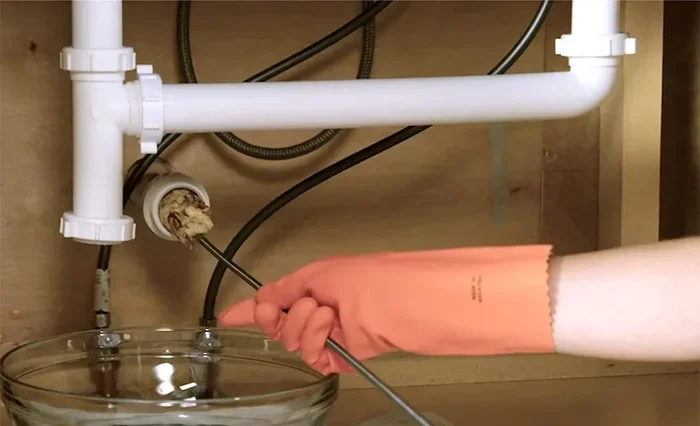
A drain snake is a flexible cable that reaches deep into pipes to pull out or break apart stubborn clogs. This tool is essential for clog removal that home remedies cannot handle.
- Feed the snake cable into the drain opening slowly.
- Turn the handle clockwise as you push it deeper.
- When you feel resistance, rotate and push gently to break through the blockage.
- Pull the snake out and clean off any debris.
- Flush the drain with hot water to clear remaining particles.
Drain snakes are affordable and available at most hardware stores. They are a worthwhile investment for anyone who deals with frequent slow drains.
## Preventing Future Clogs
The best way to deal with a clogged drain is to stop it from happening in the first place. Simple daily habits can keep your kitchen plumbing in great shape for years.
### Daily Habits for a Clear Drain
Small changes in your routine make a big difference in drain maintenance. Here are easy habits to adopt:
- Run hot water after every use — This melts away grease before it solidifies.
- Use a drain strainer — It catches food particles and hair before they enter the pipe.
- Clean the strainer daily — Empty it into the trash to prevent buildup.
- Do a monthly baking soda flush — This keeps grease and soap scum from accumulating.
After rinsing dishes from a meal, whether you made a simple canned tuna recipe or something more elaborate, taking a few extra seconds to rinse the strainer can save you from a major clog later.
### What Not to Put Down Your Drain
Knowing what to avoid is just as important as knowing what to use. Keep these items out of your drain:
- Cooking grease and oil — These solidify and create thick blockages.
- Coffee grounds — They clump together and trap other debris.
- Eggshells — The membrane can wrap around pipes and catch food particles.
- Pasta and rice — These expand with water and swell inside pipes.
- Stringy vegetables — Celery and onion skins can wrap around drain components.
If you love cooking rich meals like the best vegetarian ragu recipe, you will generate more grease and food scraps than usual. Always wipe pans with a paper towel before washing them to remove excess grease.
## When to Call a Professional
Most kitchen clogs respond well to home remedies and basic tools. However, some situations require professional help. Recognizing these signs early can save you from expensive repairs.
Call a plumber if you notice any of the following:
- The clog returns repeatedly despite your efforts.
- Water backs up into other drains in the kitchen.
- You hear gurgling sounds from multiple drains at once.
- There is a foul smell coming from the drain that does not go away.
- You suspect a tree root or major pipe damage.
Professional plumbers have specialized equipment like camera inspections and hydro-jetting tools that can diagnose and fix deep pipe problems. It is always better to call a pro early rather than let a small issue turn into a major plumbing emergency.
## Quick Tips for Immediate Relief
Sometimes you need fast results and do not have time for a full treatment. Here are quick tips that provide immediate relief:
- Use a wet-dry vacuum — Set it to liquid mode and create a seal over the drain to suction out the clog.
- Try a wire hanger — Straighten a hanger, create a small hook, and fish out debris from the drain.
- Use a wet cloth — Plug overflow holes with a wet cloth to increase suction when plunging.
- Apply enzyme-based drain cleaner — These natural bacteria-based products eat organic matter safely.
These quick fixes can buy you time until you can perform a more thorough cleaning with baking soda and vinegar or a drain snake.
## Conclusion
Dealing with a clogged kitchen sink does not have to be stressful or expensive. With the right home remedies to unclog kitchen sink, you can handle most clogs in minutes using items already in your pantry. Baking soda and vinegar, boiling water, and salt mixtures work wonderfully for everyday blockages. For tougher clogs, a plunger or drain snake gets the job done without harsh chemicals.
Prevention is the real game changer. Simple habits like using a drain strainer, avoiding grease, and doing monthly maintenance flushes keep your drains clear and your kitchen running smoothly. Remember that persistent clogs or recurring issues are signs to call a professional plumber.
Now that you have all these tips, you can tackle any clog with confidence. Your kitchen sink will be flowing freely again in no time.
Key Takeaways
- Baking soda and vinegar is the most effective and natural drain cleaner for minor clogs.
- Boiling water alone can dissolve grease buildup and clear slow drains fast.
- A plunger or drain snake handles stubborn clogs that home remedies cannot fix.
- Daily prevention habits like avoiding grease and food scraps keep drains clear long-term.
- Call a plumber if home methods fail or you notice signs of serious plumbing issues.
Frequently Asked Questions
What is the fastest way to unclog a kitchen sink?
The fastest method is using a plunger combined with boiling water. Plunge the drain for 15 to 20 seconds to break up the clog, then flush with boiling water. For grease clogs, pouring baking soda followed by vinegar and waiting 15 minutes also works very quickly.
Can baking soda and vinegar really unclog a drain?
Yes, the chemical reaction between baking soda and vinegar creates fizzing action that breaks down organic matter and clears minor clogs. This method works best for slow drains and light grease buildup. For severe blockages, you may need to repeat the process or use a drain snake.
Is it safe to use boiling water on kitchen pipes?
Boiling water is safe for metal pipes and PVC pipes if you let the water cool for a minute first. However, avoid pouring boiling water directly into PVC pipes as the extreme heat can warp the material. Always use caution and pour in stages.
How often should I clean my kitchen drain?
You should do a monthly drain cleaning with baking soda and hot water to prevent buildup. Daily habits like running hot water after washing dishes and using a drain strainer also help maintain clear pipes between deeper cleanings.
What should I avoid putting down my kitchen drain?
Avoid grease, cooking oil, coffee grounds, eggshells, pasta, rice, and stringy vegetables. These items expand, solidify, or cling to pipe walls and create blockages over time. Always dispose of these items in the trash or compost bin instead.
When should I stop trying home remedies and call a plumber?
Call a plumber if the clog returns after multiple attempts, if water backs up into other drains, or if you notice persistent bad odors. These signs may indicate a deeper pipe problem that requires professional equipment and expertise to fix properly.
=== META TITLE ===
Best to Unclog Kitchen Sink Quickly with These Tips
=== URL SLUG ===
best-to-unclog-kitchen-sink-quickly
=== SEO TITLE ===
Best to Unclog Kitchen Sink Quickly with Home Remedies