
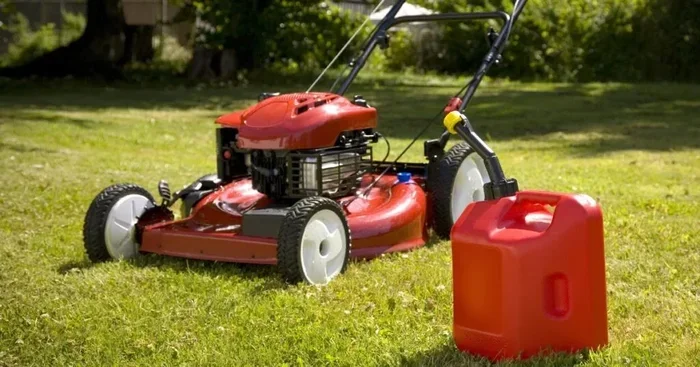
Lawn mower gas and car gas are not always the same thing. Using lawn mower gas in your car can be safe in small amounts, but it depends on the fuel type, ethanol content, and how old the gas is. Regular gasoline from the pump works fine in most cars, but fuel meant for small engines may contain additives that could harm your vehicle over time. Always check what kind of gas your lawn mower uses before pouring it into your car.
Have you ever found yourself staring at a gas can leftover from your lawn mower and wondered if you could use it in your car? It is a common question, especially after a long summer of mowing the yard. You do not want to waste good fuel, but you also do not want to risk damaging your car engine. The answer is not as simple as yes or no. It depends on the type of gas, the age of the fuel, and what kind of engine your car has.
In this guide, we will walk through everything you need to know about using lawn mower gas in your car. We will look at the different fuel types, the risks involved, and how to tell if your gas is still safe. By the end, you will know exactly what to do the next time you are low on fuel and have a half-empty gas can sitting in your garage.
Key Takeaways
- Lawn mower gas is often regular gasoline: Most four-stroke lawn mowers use the same fuel as cars, but two-stroke mowers need a gas-oil mix.
- Ethanol content matters a lot: High ethanol blends can damage car engines, especially older models that are not ethanol-compatible.
- Old gas is a big risk: Gas that has been sitting in a lawn mower gas can for months loses its quality and can clog fuel lines in your car.
- Small amounts are usually fine: If you accidentally put a little lawn mower gas in your car, it is unlikely to cause serious damage.
- Always store gas properly: Use approved containers and add fuel stabilizer to keep gas fresh for longer periods.
- Check your owner’s manual: Your car manufacturer will tell you exactly what type of fuel is safe for your engine.
📑 Table of Contents
- What Is Lawn Mower Gas and How Is It Different From Car Gas?
- Can You Safely Put Lawn Mower Gas in Your Car?
- What Happens If You Put Lawn Mower Gas in Your Car?
- How to Tell If Your Lawn Mower Gas Is Still Good for Your Car
- Best Practices for Storing Gas Safely
- Common Mistakes People Make With Lawn Mower Gas
- How to Safely Transfer Gas From Your Lawn Mower to Your Car
- Final Thoughts on Using Lawn Mower Gas in Your Car
What Is Lawn Mower Gas and How Is It Different From Car Gas?
Not all gas is created equal. The fuel you put in your lawn mower might look the same as what you pump at the station, but there are important differences. Understanding these differences is the first step in knowing whether it is safe to use lawn mower gas in your car.
Types of Fuel Used in Lawn Mowers
Most modern lawn mowers fall into two categories: four-stroke and two-stroke engines. Each one requires a different type of fuel.
- Four-stroke lawn mowers: These use regular gasoline, just like your car. You fill them up at the pump with standard unleaded fuel. No mixing is needed.
- Two-stroke lawn mowers: These require a mix of gasoline and special two-stroke oil. You combine them in a specific ratio before pouring them into the tank. Never put this mixed fuel in your car.
If you have a push reel mower or a newer riding mower, there is a good chance it uses regular gasoline. Check the label on your fuel cap or read the owner’s manual to be sure.
How Car Gasoline Differs
Car gasoline is formulated for high-compression engines. It goes through stricter refining processes and must meet specific standards set by the government. Lawn mower gas is made for smaller engines that run at lower speeds and under different conditions. While the base fuel can be the same, the additives and ethanol levels may vary.
Here is a quick look at the key differences:
- Octane rating: Most cars need 87 octane (regular) or higher. Lawn mowers also use 87 octane, so this part matches up.
- Ethanol content: Many gas stations sell E10 fuel, which has 10% ethanol. Some lawn mower fuel may have higher ethanol levels, especially if it is labeled as E15 or E85.
- Additives: Car fuel often contains detergents and cleaning agents. Small engine fuel may skip these or use different ones.
Can You Safely Put Lawn Mower Gas in Your Car?
The short answer is: it depends. In most cases, a small amount of lawn mower gas will not hurt your car. But there are some important exceptions you need to know about before you pour that gas can into your fuel tank.
When It Is Safe
If the gas in your lawn mower can is regular unleaded gasoline with no more than 10% ethanol, you can safely use it in your car. This is the most common type of fuel for both lawn mowers and passenger vehicles. A few gallons will not cause any problems.
Here are the situations where using lawn mower gas in your car is perfectly fine:
- The gas is fresh and has been stored properly in a sealed container.
- It is regular unleaded gasoline with 10% ethanol or less.
- Your car engine is designed to run on regular fuel.
- You are only adding a small amount to top off your tank.
When It Is Not Safe
There are certain situations where you should never put lawn mower gas into your car. These include:
- Two-stroke fuel mixtures: Gas mixed with oil for a two-stroke lawn mower will damage your car engine. The oil will not burn properly and will leave behind residue.
- High ethanol blends: Fuels with 15% or more ethanol (E15, E85) can harm car engines that are not designed for them. Older cars are especially vulnerable.
- Old or contaminated gas: Gas that has been sitting in a lawn mower can for more than 30 days may have degraded. It can cause starting problems and fuel system issues.
- Gas with water contamination: If water has gotten into the gas can, it can cause serious engine problems.
If you are ever unsure about the type of fuel in your gas can, it is better to be safe than sorry. Do not put it in your car.
What Happens If You Put Lawn Mower Gas in Your Car?
So what actually happens if you accidentally pour lawn mower gas into your car? The effects depend on the type of fuel and how much you put in.
Short-Term Effects
If you put a small amount of regular lawn mower gas in your car, you probably will not notice anything wrong. Your car will run just fine. The engine will burn the fuel normally, and you will not see any immediate problems.
However, if the gas is old or has a high ethanol content, you might notice some of these short-term issues:
- Rough idling or slight engine shaking
- Difficulty starting the car
- A slight decrease in fuel efficiency
- Unusual smells coming from the exhaust
Long-Term Effects of Repeated Use
If you make a habit of using lawn mower gas in your car, the long-term effects can be more serious. Over time, the additives and ethanol levels can cause buildup in your fuel system. This can lead to clogged fuel injectors, damaged fuel lines, and even problems with the catalytic converter.
Here are some of the long-term risks to watch out for:
- Fuel system corrosion: Ethanol is a solvent that can eat away at rubber seals and metal parts over time.
- Carbon buildup: Lower-quality fuel may leave more carbon deposits on engine parts.
- Engine knocking: Fuel with the wrong octane or additives can cause knocking sounds in the engine.
- Reduced engine life: Consistently using poor-quality fuel can shorten the life of your engine.
Quick Tip: If you accidentally put two-stroke fuel or bad gas in your car, do not drive far. Pull over safely, turn off the engine, and have the fuel system drained. Continuing to drive can cause expensive damage.
How to Tell If Your Lawn Mower Gas Is Still Good for Your Car
Not all gas goes bad at the same rate. Knowing how to check the quality of your lawn mower gas can save you from making a costly mistake.
Signs That Gas Has Gone Bad
Old gas loses its ability to combust properly. Here are the signs that your fuel has degraded:
- Discoloration: Fresh gas is clear and light amber. Dark or brownish gas has likely gone bad.
- Strange smell: Bad gas has a sour or varnish-like odor. Fresh gas has a sharp, clean smell.
- Visible debris: If you see particles or sediment in the gas can, the fuel is contaminated.
- Separation: If the fuel looks layered or separated, water may have mixed in.
How Long Does Lawn Mower Gas Last?
Gas begins to degrade within 30 days of being sitting in a container. Without a fuel stabilizer, lawn mower gas can go bad in as little as two to three months. If you have a gas can that has been sitting in your garage for over six months, it is best to dispose of it properly rather than use it in your car.
Here is a simple timeline to help you:
- 0-30 days: Gas is fresh and safe to use.
- 30-90 days: Gas is still usable but may have lost some potency. Add a fuel stabilizer if possible.
- 90+ days: Gas is likely degraded and should not be used in your car.
Testing Your Gas at Home
You do not need a lab to check if your gas is still good. Here are a few simple tests you can do at home:
- Visual check: Pour a small amount into a clear glass jar. Look for color changes or separation.
- Smell test: Open the container and take a careful sniff. Bad gas smells harsh and chemical.
- Water test: Drop a small amount of gas into a cup of water. If it dissolves or mixes, water contamination may be present.
Best Practices for Storing Gas Safely
Proper storage is the key to keeping your fuel fresh and safe for both your lawn mower and your car. Whether you are filling up a gas can for your mower or storing fuel for later use, these best practices will help you avoid problems.
Choosing the Right Container
Always store gas in an approved fuel container. These containers are designed to handle gasoline safely and prevent leaks and evaporation. Never use milk jugs, water bottles, or other improvised containers.
- Use containers certified by UL (Underwriters Laboratories) or FM (Factory Mutual).
- Choose containers with tight-fitting caps and proper ventilation.
- Label each container with the date you filled it.
- Store containers in a cool, dry place away from direct sunlight.
Adding Fuel Stabilizer
If you plan to store gas for more than a month, add a fuel stabilizer. This simple product extends the shelf life of gasoline by preventing oxidation and evaporation. Just pour the recommended amount into your gas can and shake it well.
Expert Insight: Fuel stabilizers can keep gas fresh for up to 12 months. This is especially useful if you store your lawn mower over the winter and want to use the remaining fuel in your car the following spring.
Safe Disposal of Old Gas
Never pour old gas down the drain, into the ground, or into the trash. It is a fire hazard and harmful to the environment. Instead, take it to a local hazardous waste disposal center or a gas station that accepts used fuel. Many auto parts stores also offer gas recycling services.
Common Mistakes People Make With Lawn Mower Gas
Even well-meaning homeowners can make mistakes when it comes to handling fuel. Here are the most common errors and how to avoid them.
Mixing Up Fuel Types
The most common mistake is grabbing the wrong gas can. Keep your lawn mower fuel separate from your car fuel. Use clearly labeled containers, and never mix different types of gas in the same can.
Ignoring the Ethanol Problem
Many people do not realize that ethanol can cause serious damage to small engines and car engines alike. Always check the ethanol content of your fuel. For cars, stick with E10 or lower. For lawn mowers, E10 is generally safe, but E15 and E85 should be avoided.
Leaving Gas in the Lawn Mower Over Winter
Leaving old gas in your lawn mower over the winter is a recipe for problems. The fuel degrades, leaves deposits, and can make your mower hard to start in the spring. Always drain the fuel tank or use a fuel stabilizer before storing your mower for the season.
Pouring Gas Near Open Flames
This one should go without saying, but it happens more often than you would think. Always refuel your lawn mower and your car in well-ventilated areas, away from open flames, sparks, and hot engines.
If you are interested in learning more about fuel storage and small engine maintenance, you might also enjoy our guide on Greek Salad In A Jar for a fresh and easy meal idea, or check out our Eggs In Purgatory recipe for a delicious weekend breakfast. These are great ways to spend your time when you are not in the garage!
How to Safely Transfer Gas From Your Lawn Mower to Your Car
If you have determined that your lawn mower gas is safe to use in your car, here is how to transfer it properly.
Step-by-Step Transfer Process
- Check the fuel type: Confirm the gas is regular unleaded with 10% ethanol or less.
- Inspect the gas can: Look for cracks, leaks, or contamination.
- Pour slowly: Use a funnel to avoid spills. Pour the gas into your car’s fuel tank slowly.
- Do not overfill: Leave room for expansion, especially in hot weather.
- Secure the cap: Make sure your gas cap is tightly sealed after filling up.
- Drive gently at first: For the first few miles, drive at moderate speeds to let the engine adjust to the fuel.
Following these steps will help ensure a smooth transfer and protect your car engine from any potential issues.
Final Thoughts on Using Lawn Mower Gas in Your Car
So, can you put lawn mower gas in your car? The answer is yes, with some important caveats. Regular gasoline from a lawn mower can be used in your car as long as it is fresh, the ethanol content is 10% or less, and it has not been contaminated. Two-stroke fuel mixtures, old gas, and high-ethanol fuels should never go into your car.
The best approach is to prevent the situation altogether. Keep your lawn mower fuel and car fuel separate, label your containers clearly, and always store gas properly. If you do find yourself with leftover lawn mower gas, use your judgment. When in doubt, dispose of it safely and buy fresh fuel from the pump.
Taking care of your fuel means taking care of your car and your lawn mower. A little knowledge goes a long way in preventing expensive repairs and keeping both machines running smoothly for years to come.
Frequently Asked Questions
Can I put lawn mower gas in my car if it is regular gasoline?
Yes, if the gas is regular unleaded gasoline with no more than 10% ethanol and has been stored properly, it is generally safe to use in your car. Just make sure it is not old or contaminated before pouring it into your fuel tank.
What happens if I put two-stroke fuel in my car by mistake?
Two-stroke fuel contains oil that is not designed for car engines. It can cause smoking, poor performance, and damage to the catalytic converter. If this happens, have the fuel system drained as soon as possible and avoid driving the car.
How long does lawn mower gas last before it goes bad?
Without a fuel stabilizer, lawn mower gas can go bad in 30 days. With a stabilizer, it can last up to 12 months. Always check the quality of old gas before using it in your car.
Is ethanol-free gas better for cars and lawn mowers?
Yes, ethanol-free gas is generally better for both car engines and small engines. It does not attract moisture, causes less corrosion, and has a longer shelf life. However, it may be harder to find and can cost more at the pump.
Can old gas from a lawn mower damage my car engine?
Yes, old gas can cause starting problems, rough idling, and fuel system clogs. Degraded fuel loses its combustibility and leaves behind harmful deposits. Always use fresh gas in your car whenever possible.
What should I do with old lawn mower gas?
Do not pour old gas down the drain or into the trash. Take it to a local hazardous waste center, a gas station that accepts used fuel, or an auto parts store with a recycling program. Dispose of it safely and responsibly.
=== CONCLUSION ===
Using lawn mower gas in your car is possible in many cases, but it requires a bit of knowledge and caution. Always check the fuel type, the ethanol content, and the age of the gas before making the transfer. Fresh, regular unleaded gasoline is usually safe, but mixed fuels, high-ethanol blends, and old gas should be avoided at all costs.
By following the tips and guidelines in this article, you can make informed decisions about your fuel and protect both your car and your lawn mower. Remember, when it comes to fuel, it is always better to be safe than sorry. Take a few extra minutes to check your gas before you pour, and your engine will thank you for it.

