
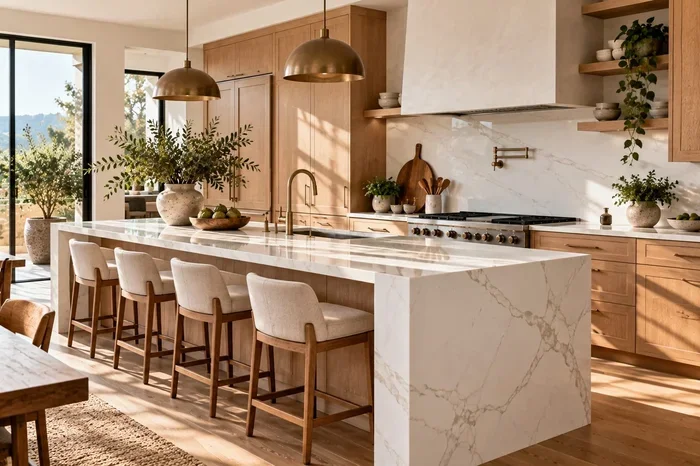
Premade kitchen countertops are a smart, budget-friendly way to upgrade your kitchen without the wait or cost of custom options. They come in a wide range of materials like quartz, granite, laminate, and butcher block to match any style. Whether you are a DIY enthusiast or hiring a pro, these surfaces are designed for quick, seamless installation. In this guide, you will learn about the best materials, how to choose the right one, and pro tips for a flawless finish. Transform your kitchen with premade kitchen countertops that look custom-made but cost a fraction of the price.
Your kitchen deserves a fresh look, and premade kitchen countertops are one of the easiest ways to achieve that. Whether you are renovating an entire space or simply updating tired surfaces, premade options deliver style, durability, and value in a single package.
If you have been wondering whether prefabricated countertops can truly match the look and feel of custom stone, the answer is a resounding yes. Modern manufacturing has made it possible to offer stunning surfaces that rival high-end custom work, all at a fraction of the cost. In this guide, we will walk you through everything you need to know about choosing, buying, and installing premade kitchen countertops that will transform your space.
From quartz and granite to budget-friendly laminate and warm butcher block, there is a premade option for every taste and budget. Let us dive in and explore the best choices for your kitchen.
Key Takeaways
- Affordability: Premade kitchen countertops cost significantly less than custom-built options, making them ideal for budget-conscious renovations.
- Fast Installation: Most premade options can be installed in a single day, reducing kitchen downtime.
- Wide Material Variety: From quartz to laminate, there is a premade option for every style and budget.
- Easy DIY-Friendly: Many premade countertops are designed for simple installation, even for beginners.
- Durable and Long-Lasting: Quality premade surfaces like quartz and granite offer excellent durability and resistance to daily wear.
- Endless Design Options: You can find premade countertops in countless colors, patterns, and edge profiles to match your kitchen aesthetic.
📑 Table of Contents
What Are Premade Kitchen Countertops?
Premade kitchen countertops are factory-produced surfaces that come in standard sizes and shapes. Unlike custom countertops, which are built from scratch to fit your exact measurements, premade options are manufactured in bulk and shipped to stores or directly to your home.
These surfaces are also called prefabricated countertops or stock countertops. They are available in a wide range of materials, including stone, solid surface, laminate, and wood. Most premade countertops come in standard lengths, typically 25 to 30 feet long, and can be cut to fit your kitchen layout during installation.
The beauty of premade kitchen countertops lies in their convenience. You do not need to wait weeks for measurements, templating, and fabrication. Many premade options are ready to ship and can be installed within days of purchase. This makes them a popular choice for kitchen renovation projects where time and budget matter.
How Are They Different from Custom Countertops?
Custom countertops are built specifically for your kitchen. A fabricator visits your home, takes precise measurements, and creates a one-of-a-kind surface. This process offers unlimited design flexibility but comes with a higher price tag and longer wait times.
Premade kitchen countertops, on the other hand, are produced in standard sizes and styles. While you may have fewer options for unique shapes or edge profiles, the savings are significant. You can often save 30 to 50 percent compared to custom options. For most homeowners, the trade-off is well worth it.
Types of Premade Kitchen Countertop Materials
The material you choose for your premade kitchen countertops will determine the look, feel, durability, and price. Here is a closer look at the most popular options available on the market today.
Quartz Premade Countertops
Quartz is one of the most popular choices for premade kitchen surfaces. It is an engineered stone made from natural quartz crystals bonded with resin. This creates a non-porous surface that resists stains, scratches, and bacteria.
Quartz premade countertops come in a stunning array of colors and patterns. You can find options that mimic the look of natural stone or bold, modern designs that make a statement. Quartz surfaces are low maintenance and do not require sealing, which makes them a favorite among busy homeowners.
One of the best things about quartz premade countertops is their consistency. Because they are factory-made, every slab looks uniform and high-quality. You will not find the natural variations or imperfections that sometimes occur with natural stone.
Granite Premade Countertops
Granite slabs offer a timeless, elegant look that never goes out of style. Each piece of granite is unique, with natural veining and color variations that add character to any kitchen. Granite premade countertops are heat-resistant, scratch-resistant, and incredibly durable.
While granite is a natural stone, premade granite options are still more affordable than custom-cut slabs. You can find beautiful granite surfaces at most home improvement stores. Just keep in mind that granite does require periodic sealing to maintain its stain resistance.
If you love the look of natural stone but want to save money, premade kitchen countertops in granite are an excellent choice. They bring a touch of luxury to your kitchen without the custom price tag.
Laminate Premade Countertops
Laminate countertops are the most budget-friendly option for premade surfaces. They are made from layers of resin-soaked paper bonded to a particleboard core and topped with a decorative melamine finish. Modern laminate has come a long way and now mimics the look of stone, wood, and solid surfaces.
Laminate is lightweight, easy to clean, and available in countless colors and patterns. It is also one of the easiest materials to install yourself, making it a popular choice for DIY kitchen upgrades. However, laminate is more susceptible to scratches and water damage than stone or quartz.
If you are working with a tight budget or renting your home, laminate premade kitchen countertops offer a fantastic way to refresh your space without a big investment.
Butcher Block and Wood Countertops
Butcher block adds warmth and charm to any kitchen. Made from strips of hardwood like maple, oak, or walnut, butcher block countertops create a cozy, inviting atmosphere. They are perfect for farmhouse-style, rustic, or Scandinavian kitchens.
Wood countertops are gentle on knives and can be sanded and refinished over time. However, they require more care than stone or quartz. You will need to oil them regularly and avoid leaving standing water on the surface. With proper maintenance, wood premade countertops can last for decades.
Solid Surface Premade Countertops
Solid surface materials like Corian are made from a blend of acrylic, polyester, and natural minerals. They create a seamless, non-porous surface that can be repaired if scratched or dented. Solid surface countertops are available in many colors and can even mimic the look of natural stone.
One of the biggest advantages of solid surface is that seams can be made nearly invisible. This gives your kitchen a smooth, continuous look. Premade solid surface options are more affordable than custom versions and are a great choice for a clean, modern aesthetic.
Tile Premade Countertops
Tile countertops offer endless design possibilities. You can mix colors, patterns, and tile sizes to create a truly unique look. Tile is heat-resistant and easy to replace if a single piece gets damaged.
However, tile countertops have grout lines that can collect dirt and stains. If you love the look of tile but want less maintenance, consider premade tile slabs, which come with the tiles already set and grouted at the factory.
Benefits of Choosing Premade Kitchen Countertops
There are many reasons why homeowners are choosing premade kitchen countertops over custom options. Here are the biggest advantages.
Cost Savings
The most obvious benefit of premade countertops is the price. Because they are mass-produced, manufacturers can offer them at a much lower cost than custom surfaces. You can expect to save anywhere from 30 to 50 percent compared to a custom stone or quartz countertop.
For a typical kitchen renovation, this savings can add up to thousands of dollars. That money can go toward new cabinets, flooring, or appliances. Budget-friendly countertops do not mean low quality. Many premade options are made from the same materials as their custom counterparts.
Faster Installation
Time is another major advantage. Custom countertops can take four to six weeks from measurement to installation. Premade kitchen countertops are ready to go as soon as you purchase them. In many cases, installation can be completed in a single day.
This speed is especially helpful if your kitchen is your main cooking area and you cannot afford to be without it for weeks. A quick countertop swap can have your kitchen looking brand new in less than 48 hours.
Wide Selection
Manufacturers produce premade countertops in a huge variety of colors, patterns, and finishes. Whether you prefer the look of marble, the durability of quartz, or the warmth of wood, there is a premade option for you. You can visit a showroom or browse online to compare hundreds of options side by side.
Easy Replacement
If your current countertops are outdated or damaged, premade kitchen countertops are a perfect replacement solution. They can often be installed directly over your existing surfaces, saving you the cost and mess of removing old countertops. This makes the entire process faster, cleaner, and more affordable.
Consistent Quality
Factory production ensures that every premade countertop meets consistent quality standards. You will not find weak spots, uneven surfaces, or manufacturing defects that sometimes occur with handmade custom pieces. This reliability gives you peace of mind and a beautiful finished product.
How to Choose the Right Premade Kitchen Countertop
With so many options available, choosing the right premade kitchen countertops can feel overwhelming. Here are the key factors to consider before you make a decision.
Consider Your Budget
Start by setting a realistic budget for your countertop project. Laminate countertops are the most affordable, typically ranging from $20 to $50 per square foot. Quartz premade countertops usually cost between $40 and $80 per square foot. Granite and solid surface options fall somewhere in between.
Remember to factor in the cost of installation, edge profiling, and any additional cuts for sinks or cooktops. Getting quotes from multiple suppliers can help you find the best deal.
Think About Your Lifestyle
How you use your kitchen matters when choosing a countertop material. If you cook frequently and need a surface that can handle heat, scratches, and stains, quartz or granite is a smart choice. If you have a tight budget and want a quick update, laminate works well.
For families with young children, consider a material that is easy to clean and repair. If you love the idea of a warm, natural surface, butcher block or solid surface might be the way to go.
Match Your Kitchen Style
Your countertop should complement your kitchen cabinets, backsplash, and flooring. For a modern look, choose quartz in a solid color or a subtle pattern. For a traditional kitchen, granite or butcher block adds warmth and character.
Take samples home before you decide. Place them next to your cabinets and flooring in different lighting conditions. This simple step can save you from choosing a material that does not quite fit your space.
Check the Edge Profiles
The edge profile of your premade kitchen countertops affects both the look and the feel of your kitchen. Common edge profiles include bullnose, beveled, ogee, and straight. Some premade options come with a standard edge, while others allow you to choose or customize.
A rounded bullnose edge is soft and traditional. A beveled edge adds a sleek, modern touch. The right edge profile can elevate the entire look of your kitchen, so do not overlook this detail.
Measure Your Space Accurately
Before you buy, measure your kitchen counter area carefully. Note the length, width, and any cutouts for sinks or cooktops. Bring these measurements with you when you shop for premade countertops. Most premade options come in standard lengths that can be trimmed to fit.
If you are unsure about measurements, many home improvement stores offer free measuring services. Taking the time to get accurate measurements ensures a proper fit and prevents costly mistakes.
Installation Tips for Premade Kitchen Countertops
Installing premade kitchen countertops is easier than most people think. With the right tools and a little patience, you can do it yourself or guide a professional through the process.
DIY Installation: What You Need to Know
If you are handy and enjoy home improvement projects, installing premade countertops yourself is entirely possible. Here is what you need to get started:
- A level work surface: Make sure your cabinets are level and secure before you begin.
- A circular saw with a diamond blade: This is essential for cutting the countertop to size.
- Clamps and support brackets: These hold the countertop in place during installation.
- Construction adhesive: A high-quality adhesive bonds the countertop to the cabinets.
- Scribe tools: These help you trace the cabinet edge onto the countertop for a precise fit.
- Sandpaper: Use it to smooth any cut edges after cutting.
Start by dry-fitting the countertop to check for gaps and alignment. Once you are satisfied with the fit, apply adhesive, set the countertop in place, and clamp it securely. Allow the adhesive to cure for at least 24 hours before using the counter.
Hiring a Professional
If DIY is not your thing, hiring a professional is a smart move. Most countertop installers charge between $100 and $300 for labor, depending on the complexity of the job. A professional will ensure a perfect fit, clean seams, and proper support for undermount sinks.
When hiring a pro, ask for references and check reviews. Make sure they have experience with premade countertops specifically. A skilled installer can make even a budget-friendly material look like a high-end custom job.
Quick Tips for a Flawless Finish
- Always support long countertop sections with additional brackets or corbels to prevent sagging.
- Use a silicone caulk at the seam where the countertop meets the wall for a clean, flexible finish.
- Install your backsplash before or at the same time as the countertop for a seamless look.
- Make sure your sink is properly supported and sealed to prevent water damage underneath.
- Wipe up spills promptly on laminate surfaces to prevent staining and moisture damage.
Common Mistakes to Avoid
Even with the best intentions, mistakes can happen during a countertop project. Here are the most common errors and how to avoid them.
Skipping the Sealing Process
Natural stone countertops like granite and marble need to be sealed to protect against stains and moisture. Skipping this step can lead to discoloration and damage over time. Always apply a high-quality sealer and reapply it every one to two years.
Choosing the Wrong Material for Your Needs
Not every countertop material is right for every kitchen. If you are a heavy cook, avoid laminate, which scratches and burns easily. If you have a limited budget, do not choose marble, which requires frequent maintenance. Choose a material that fits both your style and your daily routine.
Ignoring Edge Profiles
The edge profile may seem like a minor detail, but it affects both aesthetics and safety. Sharp, square edges can be a hazard in a busy kitchen. Rounded edges are safer and more comfortable to lean against. Take the time to choose an edge profile that suits your kitchen design.
Not Accounting for Overhang
Standard countertop overhang is 1 to 1.5 inches beyond the cabinet face. If you plan to install bar stools, you may want a wider overhang of 12 to 16 inches. Failing to plan for overhang can result in an uncomfortable or impractical setup.
Forgetting About Plumbing and Electrical
Before you install your premade kitchen countertops, make sure all plumbing and electrical work is complete. Cutting holes for sinks and cooktops after the countertop is installed can be tricky and may compromise the surface. Coordinate with your plumber and electrician ahead of time.
Conclusion
Premade kitchen countertops are a fantastic choice for anyone looking to upgrade their kitchen quickly and affordably. They offer the same beauty and durability as custom surfaces, but at a much lower cost and with faster installation. Whether you choose quartz, granite, laminate, butcher block, or solid surface, there is a premade option that will fit your style and budget.
By understanding the different materials available, considering your lifestyle and kitchen style, and following proper installation tips, you can achieve a stunning kitchen transformation. Premade kitchen countertops are not just a practical choice, they are a smart investment that adds value and appeal to your home.
Take the time to explore your options, compare prices, and choose a surface that you will love for years to come. With the right premade kitchen countertop, your kitchen can look like a million bucks without the million-dollar price tag.
Frequently Asked Questions
What are premade kitchen countertops made of?
Premade kitchen countertops are available in a variety of materials, including quartz, granite, laminate, butcher block, solid surface, and tile. Each material offers different benefits in terms of durability, appearance, and price, so you can choose the one that best fits your kitchen style and budget.
How much do premade kitchen countertops cost?
The cost of premade kitchen countertops varies by material. Laminate options typically range from $20 to $50 per square foot, while quartz and granite can range from $40 to $100 per square foot. Compared to custom countertops, premade options can save you 30 to 50 percent on your project.
Can I install premade kitchen countertops myself?
Yes, many premade countertops are designed for DIY installation. You will need basic tools like a circular saw, level, and clamps, along with construction adhesive. If you are not comfortable with DIY projects, hiring a professional installer is always an option and ensures a flawless finish.
How long do premade kitchen countertops last?
The lifespan of premade kitchen countertops depends on the material. Quartz and granite can last 20 to 30 years or more with proper care. Laminate countertops typically last 10 to 20 years, while butcher block can last decades if regularly oiled and maintained. Choosing a high-quality material and following care guidelines will maximize durability.
Are premade countertops as good as custom countertops?
In many cases, yes. Modern premade countertops are manufactured using the same materials and processes as custom options. While they may offer fewer design variations, the quality is comparable. For most homeowners, premade countertops provide excellent value and a beautiful finished look.
What is the easiest premade countertop material to install?
Laminate countertops are the easiest premade option to install. They are lightweight, come in standard sizes, and require minimal cutting and fitting. Quartz premade countertops are also relatively straightforward, though they are heavier and may require two people for handling during installation.
=== END ===

