
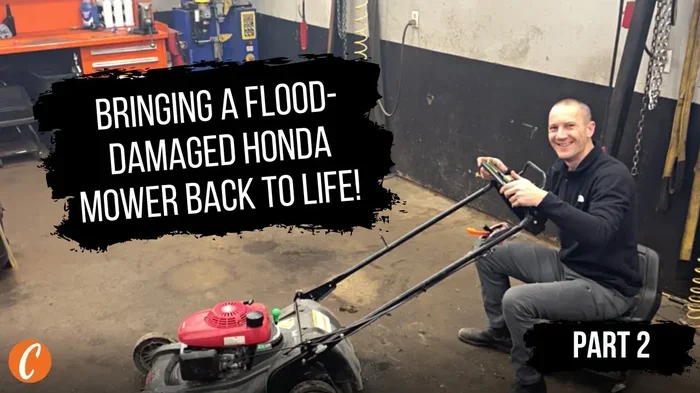
A flooded lawn mower engine happens when too much fuel builds up in the combustion chamber. You should typically wait 15 to 30 minutes after flooding before attempting to restart. The exact wait time depends on your mower type, how much fuel overflowed, and the weather conditions. Follow the right steps, and you can fix the problem quickly without calling a repair shop.
You pulled the cord one too many times, and now your lawn mower won’t start. The engine is flooded, and gasoline is pooling where it shouldn’t be. It’s a frustrating moment, especially when you have a yard full of grass waiting to be cut.
Here’s the thing most people don’t realize. A flooded engine is not a serious mechanical failure. It’s a common issue that happens to almost every mower owner at some point. The fix is usually simple, and the most important step is knowing exactly how long to wait after flooding lawn mower engine before trying again.
In this guide, we’ll cover everything you need to know. From understanding why engines flood to step-by-step fixes and prevention tips, you’ll have a complete toolkit for handling this problem. Let’s dive in and get your mower running again.
Key Takeaways
- Wait 15 to 30 minutes: This is the standard recovery time for a flooded engine. Let the excess fuel evaporate naturally before trying again.
- Check the spark plug first: A wet spark plug is the #1 sign of a flooded engine. Pull it out, dry it, and reinstall it.
- Use the choke correctly: Too much choke is the leading cause of engine flooding. Use it only when starting a cold engine.
- Drain excess fuel when needed: If waiting alone doesn’t work, you may need to manually drain fuel from the carburetor and fuel line.
- Prevent future flooding: Regular small engine maintenance and proper starting techniques can keep your lawn mower running smoothly all season.
- Know when to call a pro: Persistent flooding or starting problems may point to a deeper carburetor issue that needs professional attention.
📑 Table of Contents
What Happens When You Flood a Lawn Mower Engine
Understanding Engine Flooding
Engine flooding occurs when too much fuel enters the combustion chamber. The cylinder gets saturated with gasoline, and the spark plug can’t ignite the fuel-air mixture. Think of it like trying to light a wet match. The spark is there, but the fuel overwhelms the system.
This happens most often when you choke the engine too much or pull the cord too many times without the engine catching. Both push mower and riding mower engines are susceptible. The gasoline overflows into the crankcase and soaks the spark plug and air filter.
When a gasoline engine floods, the fuel mixes with the engine oil. This can dilute the oil and reduce lubrication. That’s why it’s important to address flooding quickly. Leaving it too long can cause additional damage to internal components.
Common Engine Flooding Symptoms
How do you know if your engine is flooded? Look for these clear engine flooding symptoms:
- Strong gasoline smell: You can smell raw fuel near the engine or exhaust area.
- Wet spark plug: Pull the spark plug out and check for fuel residue on the tip.
- No response when pulling the cord: The pull cord feels stuck or very resistant.
- Black smoke from the exhaust: This indicates unburned fuel is escaping through the exhaust.
- Engine cranks but won’t start: The engine turns over but refuses to catch and run.
- Fuel pooling around the mower: You may see gasoline leaking or dripping from the engine area.
Quick Tips: Recognizing a Flooded Engine Fast
- Sniff around the engine and exhaust area. A strong gas smell is the first clue.
- Pull the spark plug wire off and inspect the plug. If it looks wet, the engine is flooded.
- Don’t keep pulling the cord repeatedly. This makes the flooding worse.
Common Mistakes That Make Flooding Worse
Many people make the same mistakes when dealing with a flooded engine. Avoid these pitfalls:
- Keep pulling the cord: This pushes more fuel into the cylinder. Stop pulling after 3 to 5 attempts.
- Leave the choke on: Keeping the choke engaged floods the engine further. Turn it off completely.
- Ignore the fuel valve: Leaving the fuel valve open continues to feed fuel into a flooded system.
- Skip checking the oil: Fuel can contaminate the engine oil. Always check the oil level after a flood event.
Expert Insights: Why Patience Is Your Best Tool
Small engine repair professionals agree that patience is the number one fix for a flooded engine. Rushing the process by trying to start the mower again too soon only repeats the flooding cycle. Letting the excess fuel evaporate naturally is the safest and most effective approach. Give your engine the time it needs, and the starting problems will resolve on their own in most cases.
How Long to Wait After Flooding Your Lawn Mower Engine
The most asked question is simple: how long to wait after flooding lawn mower engine? The answer depends on a few factors, but the general rule is straightforward. Wait at least 15 to 30 minutes before attempting another start.
Wait Time for Push Mowers
For a standard push mower with a small gasoline engine, 15 to 20 minutes is usually enough. The engine is smaller, so the fuel evaporates faster. If the weather is warm and dry, you might be ready in as little as 10 minutes.
However, if the engine is really soaked, give it the full 30 minutes. It’s better to wait a few extra minutes than to try starting it too early and repeat the flooding cycle.
Wait Time for Riding Mowers
Riding mowers have larger engines, so they hold more fuel when flooded. Wait at least 20 to 30 minutes before trying again. In cold or humid conditions, you might need to wait up to 45 minutes.
The bigger engine means more fuel in the combustion chamber and more fuel in the fuel line and carburetor. All of that excess fuel needs time to evaporate or drain away before the engine can fire properly.
Factors That Affect Wait Time
Several factors influence how long you should wait:
- Amount of fuel overflow: A minor flood clears faster than a severe one.
- Ambient temperature: Warm weather speeds up evaporation. Cold weather slows it down.
- Humidity levels: High humidity makes it harder for fuel to evaporate from the engine components.
- Engine size: Smaller engines clear faster than larger ones.
- Air flow around the engine: Good ventilation helps fuel evaporate more quickly.
- Whether the spark plug was removed: Removing the spark plug allows fuel to evaporate from the cylinder faster.
Expert Insights: The Role of Evaporation
When you wait after a flood, you’re giving the gasoline time to evaporate naturally. The fuel vapors escape through the exhaust port and the spark plug hole. This is why removing the spark plug can speed up the process. It creates an opening for the fuel vapors to escape more freely. Once the cylinder is dry, the spark plug can create the ignition needed to start the engine.
Step-by-Step Guide to Fixing a Flooded Lawn Mower Engine
Waiting is only part of the solution. Once enough time has passed, you need to take the right steps to get your engine running. Here is a clear, step-by-step process for fixing a flooded engine on your lawn mower.
Step 1: Turn Off the Fuel Valve
Before you do anything else, locate the fuel valve and turn it off. This stops the flow of gasoline into the engine. On most mowers, the fuel valve is located near the bottom of the fuel tank or along the fuel line. This simple step prevents further fuel overflow while you work on the engine.
Step 2: Remove the Spark Plug
Pull the spark plug wire off the spark plug. Then use a spark plug socket to remove the plug itself. This is a critical step. With the spark plug removed, the fuel vapors can escape from the cylinder more easily. It also lets you inspect and dry the plug.
Check the spark plug for fuel residue. If it looks wet or fouled, clean it with a dry cloth or let it air dry. You can also use compressed air to blow out any fuel from the plug and the spark plug hole.
Step 3: Drain Excess Fuel
With the spark plug removed, tilt the mower slightly to help excess fuel drain out. Place a towel or shallow pan underneath to catch the gasoline. Drain fuel carefully and dispose of it properly at a recycling center.
You can also try starting the engine briefly without the spark plug (just pull the cord a few times). This helps push excess fuel out of the cylinder. Be careful and make sure there are no fuel fumes near any ignition source.
Step 4: Clean or Replace the Air Filter
A clogged or fuel-soaked air filter restricts airflow to the engine. This makes carburetor flooding worse and prevents proper combustion. Remove the air filter and check it carefully.
- Foam air filter: Wash it with warm soapy water, rinse thoroughly, and let it dry completely.
- Paper air filter: If it’s soaked with fuel, replace it with a new one. Paper filters cannot be cleaned effectively.
A clean air filter ensures the right air-fuel mixture reaches the combustion chamber. This is a key part of small engine maintenance that many people overlook.
Step 5: Check the Choke and Primer Bulb
Make sure the choke is in the fully open position. A closed choke restricts airflow and can cause flooding. Also inspect the primer bulb. If the primer bulb is cracked or stuck, it can push too much fuel into the carburetor, leading to repeated flooding.
Step 6: Reassemble and Try Starting
Once you’ve completed all the steps above, it’s time to try starting the engine again:
- Reinstall the clean or dried spark plug.
- Reconnect the spark plug wire.
- Turn the fuel valve back on.
- Set the choke to the start position (closed).
- Pull the cord smoothly and steadily. Do not yank it hard.
If the engine starts but runs rough, let it idle for a few minutes. The engine needs time to burn off any remaining fuel residue in the system.
Quick Tips: Speed Up the Recovery Process
- On a warm day, remove the spark plug and wait 5 minutes before reassembling. This gives fuel extra time to evaporate.
- Use a clean rag to wipe down the engine exterior and remove any visible fuel spills.
- If the engine still won’t start after waiting, try pulling the cord 5 to 6 times with the spark plug removed. This helps clear residual fuel from the cylinder.
- Never use starting fluid or ether as a shortcut. These can damage small engines and create safety hazards.
Common Causes of Engine Flooding
Understanding why your engine floods in the first place helps you prevent it from happening again. Here are the most common causes of a flooded lawn mower engine.
Too Much Choke
The choke restricts airflow to create a richer fuel mixture for cold starts. But leaving the choke on for too long is the number one cause of engine flooding. Once the engine warms up, the choke should be moved to the open position. Many people forget this simple step and end up with a soaked engine.
Faulty Primer Bulb
The primer bulb pushes fuel into the carburetor to help with starting. Over time, the bulb can crack, harden, or stick. A faulty primer bulb delivers too much fuel, which leads to flooding. Inspect your primer bulb regularly and replace it if you notice cracks or stiffness.
Carburetor Problems
The carburetor mixes air and fuel in the right ratio for combustion. When the carburetor malfunctions, it can deliver too much fuel. Common carburetor issues include a stuck float valve, clogged jets, or a worn diaphragm. These problems cause carburetor flooding and persistent starting problems.
Old or Contaminated Fuel
Gasoline degrades over time. Old fuel can form varnish and deposits that clog the fuel system. Contaminated fuel from a dirty gas can also introduce impurities that disrupt proper fuel delivery. Always use fresh fuel and store it in a clean, sealed container.
Common Mistakes
- Using fuel that’s more than 30 days old without a stabilizer.
- Storing the mower with fuel left in the carburetor over winter.
- Over-priming the engine by pressing the primer bulb too many times.
- Ignoring regular maintenance like cleaning the carburetor and replacing filters.
Prevention Tips to Avoid Future Flooding
The best way to deal with a flooded engine is to prevent it from happening in the first place. These simple prevention tips will save you time and frustration throughout the mowing season.
Proper Starting Techniques
- Set the choke to closed for starting a cold engine, then move it to open once the engine warms up.
- Limit pull cord attempts to 5 or 6 pulls. If the engine doesn’t start, wait a few minutes before trying again.
- Don’t press the primer bulb more than 3 to 4 times when starting.
- Make sure the fuel valve is on before starting and off when storing the mower.
Regular Maintenance Schedule
Consistent small engine maintenance keeps your mower running smoothly and prevents flooding issues:
- Every use: Check the fuel level and inspect for leaks.
- Every month: Clean or replace the air filter. Inspect the spark plug.
- Every season: Drain old fuel and replace with fresh gasoline. Clean the carburetor.
- Before storage: Run the engine until the fuel line is empty to prevent fuel sitting in the carburetor.
Fuel Storage Best Practices
- Use fresh gasoline. Don’t fuel your mower with gas that’s been sitting in a can for more than 30 days.
- Add fuel stabilizer if you need to store fuel for longer periods.
- Store fuel in an approved, sealed container away from heat sources.
- Never store the mower with a full tank of fuel for extended periods, especially over winter.
Expert Insights: The Importance of Off-Season Maintenance
Many lawn mower troubleshooting issues, including repeated flooding, stem from poor off-season storage. When fuel sits in the carburetor over winter, it breaks down and forms sticky residues. These residues clog the float valve and jets, causing fuel delivery problems in spring. A simple step like draining the fuel tank before storage can save you hours of lawn mower troubleshooting in the mowing season.
When to Call a Professional for Engine Repair
Most flooded engine situations are easy to fix at home. But sometimes, the problem goes deeper than a simple flood. Knowing when to call in a professional saves you time and prevents costly mistakes.
Signs You Need Expert Help
- The engine floods repeatedly even after following all the fix steps.
- You notice fuel leaking from the carburetor or fuel line connections.
- The engine starts but dies immediately after running for a few seconds.
- You see oil that looks milky or diluted, indicating fuel contamination.
- The mower has been sitting unused for a long time and won’t start at all.
- You hear unusual sounds like knocking or grinding coming from the engine.
Cost Considerations
Professional engine repair costs vary depending on the issue. A simple carburetor cleaning might cost $50 to $100. More serious repairs like replacing a carburetor or fixing internal engine damage can range from $150 to $400 or more. Regular maintenance is far cheaper than major repairs, so staying on top of your small engine maintenance routine pays off in the long run.
For push mower and riding mower engines alike, a qualified small engine technician can diagnose problems quickly and accurately. Don’t hesitate to reach out if you’re unsure about any step in the repair process.
Conclusion
A flooded lawn mower engine is a common and fixable problem. The key is knowing exactly how long to wait after flooding lawn mower engine before trying again. In most cases, 15 to 30 minutes of patience is all you need. Combine that wait time with the right fix steps, and your mower will be back to cutting grass in no time.
Remember to check the spark plug, drain excess fuel, clean the air filter, and inspect the choke and primer bulb. These simple actions resolve the vast majority of flooding issues. And by following the prevention tips in this guide, you can avoid the frustration of a flooded engine in the future.
Take care of your lawn mower, and it will take care of your yard. Happy mowing!
Frequently Asked Questions
How long should I wait after flooding my lawn mower engine?
You should wait at least 15 to 30 minutes after flooding a lawn mower engine before trying to start it again. The exact wait time depends on how much fuel overflowed, the engine size, and the weather conditions. For riding mowers or cold weather, you may need to wait up to 45 minutes.
Can I fix a flooded lawn mower engine without removing the spark plug?
Yes, you can try waiting for the fuel to evaporate naturally without removing the spark plug. However, removing the spark plug speeds up the drying process significantly. It also lets you inspect and clean the plug, which improves your chances of a successful restart.
Why does my lawn mower engine keep flooding?
Repeated flooding is usually caused by a stuck choke, a faulty primer bulb, or carburetor problems. A clogged air filter or old fuel can also contribute to the issue. Regular small engine maintenance, including cleaning the carburetor and replacing filters, helps prevent recurring flooding.
Is it safe to use starting fluid on a flooded lawn mower engine?
No, it is not recommended. Starting fluid or ether can damage small engines and create a fire or explosion hazard. The safest approach is to wait for the excess fuel to evaporate and then follow the proper fix steps for a flooded engine.
What should I do if fuel gets into the engine oil?
If fuel contaminates the engine oil, drain the oil and replace it with fresh oil. Fuel-diluted oil loses its lubricating ability and can cause serious engine damage. Check the oil after any flooding incident and change it if it looks milky or smells like gasoline.
How can I prevent my lawn mower engine from flooding in the future?
Use proper starting techniques, don’t leave the choke on after the engine warms up, and avoid over-priming. Use fresh fuel, replace the air filter regularly, and drain old fuel before long-term storage. These simple habits go a long way in preventing engine flooding and other starting problems.

