
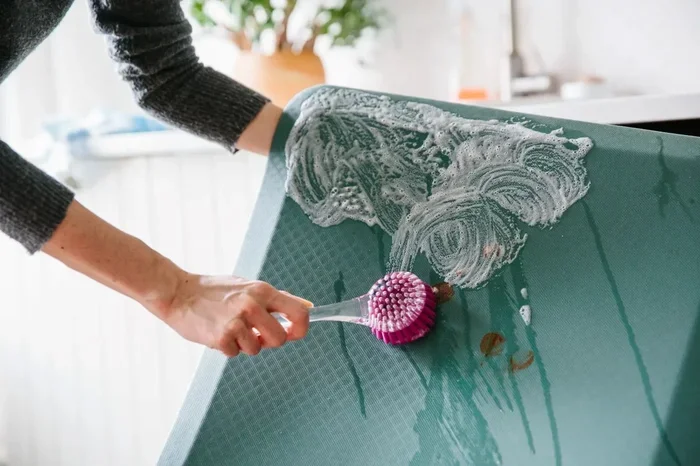
Washing kitchen rugs regularly keeps your kitchen hygienic and your floors looking great. This guide covers everything you need to know about how to wash kitchen rugs, from pre-treating stains to machine washing and drying. Follow our tips to deep clean your rugs at home and extend their life significantly.
This is a comprehensive guide about how to wash kitchen rugs.
Key Takeaways
- Always check the care label: Knowing your rug’s material determines the best washing method.
- Pre-treat stains before washing: This simple step removes stubborn kitchen spills effectively.
- Machine wash on gentle cycle: Most kitchen rugs can go in the washer with the right settings.
- Use cold water and mild detergent: Hot water can damage fibers and cause shrinkage.
- Dry rugs flat or hang them: Proper drying prevents mold and keeps rugs looking fresh.
- Deep clean every two weeks: Regular washing removes bacteria and keeps your kitchen rug hygienic.
- Avoid harsh chemicals: Gentle cleaners protect rug fibers and colors.
[FEATURED_IMAGE_PLACEHOLDER]
Kitchen rugs collect crumbs, spills, grease, and bacteria faster than almost any other rug in your home. They sit right where food prep happens, so they take a beating every single day. Keeping them clean is not just about looks. It is about making sure your kitchen stays healthy and safe for your family.
If you have been wondering how to wash kitchen rugs the right way, you are in the right place. This guide walks you through every step. You will learn the best washing methods, stain removal tricks, and drying techniques that make your rugs look brand new. Whether your rug is small or large, machine washable or delicate, we have you covered. Let us get started.
Why Kitchen Rugs Get Dirty So Fast
Kitchen rugs work hard every day. They catch falling food, absorb spills, and trap dust and grease from foot traffic. Unlike rugs in bedrooms or living rooms, kitchen rugs face a unique set of challenges. Understanding these helps you wash them more effectively.
The Hidden Dirt on Kitchen Floor Mats
Most people do not realize how much buildup happens on their kitchen rugs. Bacteria, mold spores, and food particles settle deep into the fibers. Over time, this creates odors and even health concerns. Studies show that kitchen rugs can harbor more germs than a toilet seat in some cases. That is why regular rug cleaning is so important.
Grease from cooking splashes onto the surface. Sugar from spilled drinks sticks to the fibers. And crumbs from snacks work their way deep down. All of this makes your rug a breeding ground for bacteria if you do not clean it often enough.
Signs Your Kitchen Rug Needs Washing
How do you know when it is time to wash your rug? Look for these clear signs:
- Visible stains or discoloration that do not go away with spot cleaning.
- Unpleasant odors even after airing the rug out.
- Sticky or gritty texture when you walk on it barefoot.
- Increased allergy symptoms like sneezing or itching near the rug area.
- Dull or faded appearance compared to when the rug was new.
Noticing any of these signs means it is time to give your rug a thorough wash. Do not wait until the problem gets worse. Regular kitchen rug maintenance keeps your rug looking and feeling its best.
Preparing Your Kitchen Rug for Washing
Before you start washing, proper preparation makes a big difference. Taking a few minutes to prep your rug ensures a better clean and protects the fibers from damage.
Step 1: Check the Care Label
Every rug comes with a care label. This label tells you what materials the rug is made from and what washing methods are safe. Some kitchen rugs are machine washable, while others need hand washing or even professional cleaning. Always check first.
If the label says “machine wash,” you are in luck. If it says “dry clean only,” take it to a professional. Ignoring the care label can ruin your rug and shorten its lifespan significantly.
Step 2: Shake Out and Vacuum
Before washing, take your rug outside and shake it well. This removes loose crumbs, dust, and debris. Follow up by vacuuming both sides of the rug. Vacuuming pulls out dirt that is embedded in the fibers and ready to wash.
This step is simple but often skipped. Skipping it means your washing machine has to work harder, and the dirt can redeposit onto your rug during the wash cycle. A quick vacuum makes a real difference in the final result.
Step 3: Pre-Treat Stains
Stains are the biggest challenge with kitchen rugs. Grease stains, coffee spills, and food dyes can set in fast. Pre-treating them before washing gives you the best chance of removing them completely.
Make a simple paste with baking soda and water. Apply it directly to the stain and let it sit for 15 to 20 minutes. For tough grease stains, add a drop of dish soap to the paste. Gently scrub with a soft brush, then rinse with cold water before putting the rug in the washer.
How to Wash Kitchen Rugs by Machine
Machine washing is the most convenient way to clean most kitchen rugs. It saves time and effort while delivering excellent results. Here is exactly how to do it right.
Choose the Right Washing Machine
Most standard kitchen rugs fit in a top-loading washing machine. If your rug is large or oversized, you may need access to a laundromat with an extra-large capacity machine. Do not cram a large rug into a small washer. It needs room to move freely for a thorough clean.
Front-loading machines work well too, but be careful not to overload them. A properly loaded washer allows water and detergent to circulate evenly around the rug. This leads to a much better cleaning result.
Use the Right Detergent and Settings
Select a mild, gentle detergent for washing your kitchen rug. Avoid bleach and harsh chemicals. These can damage the fibers and fade the colors of your rug. A gentle cycle with cold water is almost always the safest choice.
Here is a quick guide for machine washing settings:
- Water temperature: Cold water prevents shrinkage and color bleeding.
- Cycle type: Gentle or delicate cycle protects the rug fibers.
- Spin speed: Use a low spin speed to avoid tangling and stretching.
- Detergent amount: Use less than you normally would for a full load of clothes.
Adding a half cup of white vinegar to the rinse cycle helps remove odors and leaves your rug smelling fresh. It is a natural and safe way to boost your rug washing machine results without any harsh chemicals.
Wash One Rug at a Time
It can be tempting to wash multiple rugs together to save time. However, washing one rug at a time gives you the best cleaning results. Multiple rugs tangle together and do not get as thorough a wash. They also take longer to dry and may develop mildew if not dried properly.
If you must wash more than one rug, make sure they are similar in size and material. Never wash a heavy kitchen rug with a lightweight decorative one. The weight difference can cause uneven washing and potential damage to your machine.
Hand Washing Kitchen Rugs the Right Way
Not every kitchen rug can go in the washing machine. Some are too large, too delicate, or made from materials that require hand washing. Hand washing gives you more control and is gentler on sensitive fibers.
When Hand Washing Is the Best Option
Hand washing works best for rugs made from natural fibers like jute, sisal, or wool. These materials can shrink or become misshapen in a machine. Silk kitchen rugs also need the gentle touch of hand washing to stay beautiful and intact.
If your rug has a rubber backing, hand washing is also recommended. The rubber can deteriorate in a washing machine, causing the backing to crack or peel over time. Checking the material first saves you from a costly mistake.
The Hand Washing Process Step by Step
Follow these steps for a thorough hand wash:
- Fill a bathtub or large basin with cold water and a small amount of mild detergent.
- Submerge the rug completely and let it soak for 15 to 20 minutes.
- Gently agitate the rug by pressing down on it and moving it back and forth in the water.
- Drain the soapy water and refill with clean cold water for rinsing.
- Repeat rinsing until all the soap is gone and the water runs clear.
- Press out excess water gently. Do not wring or twist the rug, as this can damage the fibers.
Hand washing takes more time, but it is worth it for delicate rugs. The gentle process preserves the texture, color, and shape of your kitchen floor mats much better than machine washing ever could.
Drying and Fluffing Your Kitchen Rug
Drying is just as important as washing. How you dry your rug affects its texture, shape, and longevity. Getting this step right makes a huge difference in the final result.
Air Drying vs. Machine Drying
Air drying is always the safest option for kitchen rugs. Hang the rug over a clothesline or drying rack in a well-ventilated area. If you hang it outside, choose a shaded spot. Direct sunlight can fade the colors of your rug over time, especially for colored or patterned rugs.
Machine drying is possible for some rugs, but only on a low heat or no heat setting. High heat can cause shrinkage and damage the fibers. Always check the care label before putting your rug in the dryer. When in doubt, air dry.
Fluffing Your Rug After Drying
Once your rug is completely dry, it may look flat or matted. This is normal after washing. To restore the fluffy texture, use a stiff brush and brush the rug in the direction of the fibers. Work in small sections for the best results.
You can also use a lint roller to pick up any remaining fuzz or debris. For rugs with a rubber backing, lay them flat on a clean surface to dry. This prevents the rubber from warping or curling at the edges.
Proper drying also prevents mold and mildew growth. Make sure your rug is completely dry before placing it back on the kitchen floor. Even slight moisture trapped in the fibers can lead to unpleasant odors and bacterial growth over time.
Stain Removal Tips for Kitchen Rugs
Kitchen rugs face constant exposure to stains. Grease, wine, coffee, and food dyes are everyday enemies. Knowing how to tackle each type of stain makes a world of difference in your rug cleaning routine.
Grease Stains
Grease is one of the most common stains on kitchen rugs. To remove it, sprinkle cornstarch or baking soda directly on the stain. Let it sit for 30 minutes to absorb the grease, then brush it off. Follow up with a mixture of dish soap and warm water dabbed onto the stain with a clean cloth.
Coffee and Tea Stains
For coffee or tea stains, blot the area immediately with a clean cloth to absorb as much liquid as possible. Then apply a solution of one part white vinegar to two parts cold water. Blot gently and repeat until the stain fades. Avoid rubbing, as this pushes the stain deeper into the fibers.
Food Dye and Color Stains
Food dyes from berries, sauces, or colorful foods can be stubborn. Mix oxygen-based bleach with cold water and apply it to the stain. Let it sit for 30 minutes, then rinse thoroughly with cold water. Always test this solution on a small hidden area first to make sure it does not affect the rug’s color.
Quick action is the key to stain removal. The longer a stain sits, the harder it becomes to remove. Address spills as soon as they happen for the best results.
Common Mistakes to Avoid When Washing Kitchen Rugs
Even with the best intentions, mistakes happen. Here are common errors that can damage your kitchen rugs during the washing process.
- Using hot water: Hot water causes many rug materials to shrink and colors to bleed. Always stick with cold water.
- Overloading the washing machine: A crowded washer does not clean effectively and can stretch or tear the rug.
- Using too much detergent: Excess detergent leaves residue in the fibers that attracts dirt faster.
- Skipping the pre-treatment step: Pre-treating stains before washing gives you much better results than relying on the wash alone.
- Not drying the rug completely: Damp rugs develop mold and mildew quickly, especially in humid kitchens.
- Using harsh chemicals or bleach: These damage fibers and fade colors, making your rug look worn out faster.
Avoiding these mistakes protects your investment and keeps your kitchen rug cleaning routine effective and safe for your rugs.
How Often Should You Wash Kitchen Rugs?
The frequency of washing depends on how much your kitchen rug gets used and exposed to spills and foot traffic. As a general rule, wash your kitchen rug at least once every two weeks. If your rug is in a high-traffic area or you cook frequently, you may need to wash it weekly.
Spot cleaning between washes also helps maintain the rug’s appearance and hygiene. A quick wipe with a damp cloth after spills prevents stains from setting in. Regular deep clean rugs sessions combined with daily spot care keep your kitchen rug looking fresh and feeling clean all the time.
Think of it like washing dishes. You do not wait until there is a sink full of dirty dishes to start cleaning. The same principle applies to your kitchen rugs. Consistent care makes each wash easier and more effective.
Expert Tips for Long-Lasting Kitchen Rug Freshness
Professional cleaners share some insider tips that make a real difference in how long your kitchen rugs stay clean and fresh between washes.
Use a rug protector spray. Applying a fabric protector creates a barrier against spills and stains. It gives you extra time to clean up accidents before they set in. These sprays are affordable and easy to apply at home.
Rotate your rugs regularly. If you have multiple kitchen rugs, rotate them every few weeks. This distributes wear evenly and prevents one rug from getting overly worn while others stay relatively clean. Rotation also gives you time to wash each rug thoroughly without disrupting your daily routine.
Place a mat underneath. A quality undermat catches crumbs and moisture before they reach your rug. This keeps your rug cleaner for longer and reduces how often you need to wash it. It is a simple addition that pays off in the long run.
Wash rugs in the morning. Washing your kitchen rugs in the morning gives them the entire day to air dry. This reduces the risk of mildew and ensures they are completely dry before evening use. It also aligns with the natural humidity levels, which tend to be lower in the morning.
These small habits add up over time. They keep your wash kitchen rugs routine simple and effective while extending the life of your rugs significantly.
Conclusion
Knowing how to wash kitchen rugs properly makes a huge difference in the cleanliness and appearance of your kitchen. From checking the care label to choosing the right washing method, every step matters. Regular washing removes hidden bacteria, eliminates odors, and keeps your rugs looking brand new for years to come.
Whether you prefer machine washing for convenience or hand washing for delicate rugs, the key is consistency. Wash your rugs regularly, treat stains promptly, and dry them thoroughly. These simple habits transform your kitchen rug cleaning routine from a chore into an easy part of your home maintenance.
Your kitchen rug works hard for you every day. Give it the care it deserves with these proven washing techniques. Start today, and you will notice the difference in freshness, appearance, and even the smell of your kitchen. Clean rugs make for a clean home, and your family will thank you for it.
Frequently Asked Questions
Can I wash a kitchen rug with a rubber backing in the washing machine?
It is best to hand wash rugs with rubber backing. The washing machine can cause the rubber to deteriorate, crack, or peel over time. If you must machine wash, use a gentle cycle with cold water and skip the spin cycle entirely. Lay the rug flat to dry afterward to prevent the rubber from warping.
What is the best detergent for washing kitchen rugs?
A mild, gentle detergent works best for kitchen rugs. Avoid bleach, optical brighteners, and heavy fragrances. These chemicals can damage fibers and leave residues that attract dirt. For an extra natural boost, add a half cup of white vinegar to the rinse cycle to remove odors and soften the fibers.
How long does it take for a kitchen rug to dry after washing?
Drying time depends on the rug material, thickness, and humidity levels. Most kitchen rugs dry within 12 to 24 hours when air dried in a well-ventilated area. Thicker rugs may take longer. Always make sure the rug is completely dry before placing it back on the floor to prevent mold and mildew growth.
Can I use a steam cleaner on my kitchen rug?
Yes, steam cleaning is a great option for many kitchen rugs, especially those made from durable synthetic fibers. Steam cleaning removes deep-down dirt and bacteria without using harsh chemicals. However, check the care label first, as some natural fiber rugs like wool or silk may not respond well to steam cleaning.
How do I remove grease stains from a kitchen rug?
Start by sprinkling cornstarch or baking soda on the grease stain and letting it sit for 30 minutes. Brush off the powder, then apply a small amount of dish soap mixed with warm water to the stain. Gently blot with a clean cloth and rinse with cold water. Repeat if needed until the grease stain is fully removed.
Is it safe to wash kitchen rugs with other items in the machine?
It is better to wash kitchen rugs alone or with similar items of the same size and color. Mixing rugs with clothing or other items can cause tangling and uneven cleaning. The weight of a wet rug can also strain your washing machine if it is not balanced properly. Washing rugs separately gives you the best and safest results.
Frequently Asked Questions
What is how to wash kitchen rugs?
how to wash kitchen rugs is an important topic with many practical applications.

