
The Mediterranean kitchen is more than a cooking space — it is a lifestyle centered on fresh ingredients, healthy fats, and vibrant flavors. This guide covers everything you need to know, from kitchen design and essential staples to popular recipes and practical tips. Whether you are a beginner or a seasoned cook, you will find actionable advice to bring the Mediterranean kitchen into your home.
Key Takeaways
- Fresh, whole ingredients form the backbone of every Mediterranean kitchen, from olive oil to seasonal vegetables and legumes.
- Mediterranean kitchen design emphasizes warmth, simplicity, and a connection to nature with natural materials and open layouts.
- Olive oil is the cornerstone fat used in cooking, dressing, and preserving throughout the region.
- Stocking your pantry with Mediterranean staples like herbs, spices, grains, and canned goods makes everyday cooking effortless.
- Mediterranean recipes are diverse and adaptable, making it easy to incorporate healthy, flavorful meals into your routine.
📑 Table of Contents
- What Is a Mediterranean Kitchen?
- Core Elements of a Mediterranean Kitchen
- Mediterranean Kitchen Design and Layout
- Essential Ingredients to Stock Your Mediterranean Kitchen
- Popular Mediterranean Kitchen Recipes and Dishes
- Building a Mediterranean Kitchen Lifestyle
- Common Mistakes to Avoid in a Mediterranean Kitchen
- Expert Tips for Your Mediterranean Kitchen
- Conclusion
What Is a Mediterranean Kitchen?
A Mediterranean kitchen is more than just a room where you prepare food. It is a philosophy of cooking rooted in the traditions of countries bordering the Mediterranean Sea. Think of Greece, Italy, Spain, Turkey, and Morocco. Each of these places shares a love for fresh, seasonal, and wholesome ingredients.
The Mediterranean kitchen is built around simplicity. There are no fancy techniques required. Instead, the focus is on quality ingredients, minimal processing, and letting natural flavors shine. This approach has made Mediterranean cuisine one of the most popular and respected food traditions in the world.
People who embrace the Mediterranean kitchen style often cook with olive oil instead of butter. They eat plenty of vegetables, fish, whole grains, and legumes. Red meat is enjoyed less frequently. Herbs like basil, oregano, and rosemary replace heavy sauces. The result is food that is both delicious and nutritious.
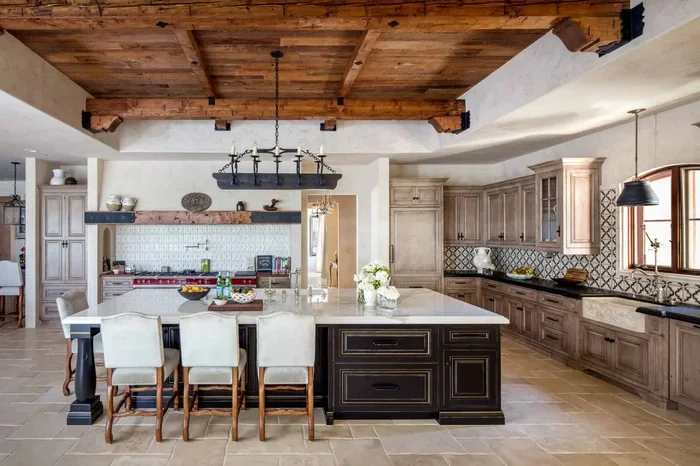
But the Mediterranean kitchen is not just about food. It is also about how you set up your cooking space. The design of a Mediterranean kitchen often features open shelves, natural stone, warm wood tones, and a sense of openness. It feels inviting and relaxed, much like the regions it represents.
Whether you want to redesign your cooking space or simply cook healthier meals, understanding the Mediterranean kitchen is a great place to start. This guide will walk you through every aspect, from design to ingredients to recipes.
Core Elements of a Mediterranean Kitchen
Every Mediterranean kitchen shares a few essential elements. These are the building blocks that make this style of cooking so distinctive and enjoyable.
Olive Oil as the Foundation
Olive oil is the single most important ingredient in any Mediterranean kitchen. It replaces butter, margarine, and other cooking fats. Extra virgin olive oil is used for dressings, drizzling, and low-heat cooking. Regular olive oil works well for sautéing and roasting.
Olive oil brings healthy monounsaturated fats to your meals. It is rich in antioxidants and has been linked to heart health. In the Mediterranean kitchen, olive oil is not just a cooking fat — it is a flavor enhancer. A simple drizzle over grilled vegetables or fresh bread can transform a dish.
When shopping for olive oil, look for cold-pressed, extra virgin varieties. These retain the most nutrients and have the best flavor. Store your oil in a cool, dark place to keep it fresh.
Fresh Ingredients and Seasonal Produce
The Mediterranean kitchen thrives on fresh, seasonal produce. Tomatoes, cucumbers, zucchini, bell peppers, eggplants, and leafy greens are staples. Fruits like lemons, oranges, figs, and grapes add natural sweetness and brightness.
Seasonal shopping is a core principle. In summer, you will find an abundance of ripe tomatoes and fresh herbs. In winter, root vegetables and citrus fruits take center stage. Cooking with what is in season ensures the best flavor and nutrition.
Visit local farmers markets whenever possible. The produce is fresher, and you support local growers. Plus, seasonal ingredients inspire creativity in the Mediterranean kitchen. You will find yourself trying new recipes based on what is available.
Herbs and Spices That Define Mediterranean Flavors
Fresh herbs are essential in the Mediterranean kitchen. Basil, oregano, thyme, rosemary, mint, and parsley are used constantly. These herbs add depth and aroma without extra calories or sodium.
Spices like cumin, paprika, cinnamon, and sumac also play important roles, especially in North African and Middle Eastern variations of Mediterranean cuisine. Spice blends like za’atar and ras el hanout bring complex flavors to simple dishes.
Growing your own herb garden is a wonderful way to bring the Mediterranean kitchen to life. Even a small windowsill with basil, rosemary, and mint can make a big difference in your everyday cooking.
Mediterranean Kitchen Design and Layout
The design of a Mediterranean kitchen reflects the warmth and openness of the region. It is not just about cooking — it is about creating a space that feels welcoming and functional.
Open layouts are common in Mediterranean homes. The kitchen often flows into the dining and living areas. This encourages family togetherness and makes entertaining guests easy. In the Mediterranean kitchen, cooking is a social activity, not a chore done behind closed doors.
Natural materials are key. Stone countertops, wooden cabinets, and ceramic tiles create a warm, earthy feel. Colors tend to be soft and warm — whites, creams, terracotta, and sandy tones. These hues evoke the sun-drenched coastlines of the Mediterranean region.
Open shelving is another signature feature. Instead of hiding dishes and glasses behind closed doors, open shelves display them proudly. This makes the kitchen feel airy and accessible. It also reflects the Mediterranean lifestyle of simplicity and honesty.
Natural light is essential. Large windows, skylights, and even interior windows that let light flow between rooms are common. In many Mediterranean homes, the kitchen is bright and airy, even in smaller spaces.
If you cannot renovate your kitchen entirely, you can still bring the Mediterranean kitchen feel into your home. Use warm-toned tiles, add open shelving, display colorful ceramic dishes, and keep your countertops clutter-free. Small changes can make a big difference.
Essential Ingredients to Stock Your Mediterranean Kitchen
Building a well-stocked Mediterranean kitchen starts with a few pantry staples. Once you have these basics, preparing healthy and flavorful meals becomes effortless.
Here is a list of must-have ingredients for your Mediterranean kitchen:
- Extra virgin olive oil — the foundation of Mediterranean cooking
- Canned tomatoes — for sauces, stews, and soups
- Dried legumes — lentils, chickpeas, and white beans
- Whole grains — couscous, bulgur, and whole wheat pasta
- Fresh herbs — basil, oregano, rosemary, and parsley
- Spices — cumin, paprika, cinnamon, and sumac
- Cheese — feta, halloumi, and Parmesan
- Nuts and seeds — almonds, pine nuts, and sesame seeds
- Citrus fruits — lemons and oranges for brightness
- Garlic and onions — the aromatic base of countless dishes
With these ingredients on hand, you can prepare a wide variety of Mediterranean recipes at any time. The beauty of the Mediterranean kitchen is that these staples are versatile and long-lasting. They form the base for countless meals.
Fresh seafood is another important component. Fish like sardines, salmon, and sea bass are rich in omega-3 fatty acids. They are central to the Mediterranean diet and add wonderful flavor to the kitchen.
Popular Mediterranean Kitchen Recipes and Dishes
The Mediterranean kitchen offers a treasure trove of recipes. From simple salads to hearty stews, there is something for every palate and skill level.
Mediterranean Style Hummus
Hummus is one of the most beloved dishes from the Mediterranean kitchen. Creamy, savory, and packed with protein, it makes a perfect snack or meal component. A Mediterranean style hummus uses chickpeas, tahini, lemon juice, garlic, and olive oil. It is simple to make and incredibly satisfying.
You can enjoy hummus with fresh pita bread, raw vegetables, or as a spread in wraps. For a more elaborate dish, try topping your hummus with roasted red peppers, olives, or a drizzle of spicy harissa. The Mediterranean kitchen encourages creativity with toppings and presentations.
Making hummus at home is surprisingly easy. A food processor does most of the work. Soak dried chickpeas overnight, then blend them with tahini, lemon, garlic, and a generous pour of olive oil. The result is far superior to store-bought versions.
If you want to explore more hummus variations, check out our guide to Mediterranean Style Hummus for tips and creative recipes that will elevate your Mediterranean kitchen experience.
Mediterranean Tarts
Tarts are another staple of the Mediterranean kitchen. They can be savory or sweet, making them perfect for any meal of the day. A Mediterranean tart typically features a flaky crust filled with vegetables, cheese, herbs, or fruits.
Savory tarts might include roasted tomatoes, spinach, and feta cheese. Sweet tarts could feature figs, honey, and almonds. The Mediterranean kitchen celebrates these versatile dishes because they use simple ingredients and come together beautifully.
Tarts are also excellent for entertaining. They can be made ahead of time and served at room temperature. This makes them ideal for picnics, potlucks, and casual gatherings. A well-made tart from your Mediterranean kitchen always impresses guests.
For detailed recipes and creative tart ideas, explore our collection of Mediterranean Tarts to find inspiration for your next meal.
Other Must-Try Mediterranean Dishes
Beyond hummus and tarts, the Mediterranean kitchen offers many other wonderful dishes. Here are some classics worth trying:
- Greek Salad — tomatoes, cucumbers, olives, feta, and olive oil
- Shakshuka — eggs poached in a spiced tomato sauce
- Ratatouille — a French vegetable stew with eggplant and zucchini
- Paella — a Spanish rice dish with seafood and saffron
- Lentil Soup — hearty, healthy, and full of Mediterranean spices
- Stuffed Grape Leaves — rice, herbs, and lemon wrapped in grape leaves
Each of these dishes represents the best of the Mediterranean kitchen. They are simple, nutritious, and full of flavor. You do not need advanced cooking skills to prepare them. That is the beauty of Mediterranean cuisine.
Building a Mediterranean Kitchen Lifestyle
The Mediterranean kitchen is not just about what you cook — it is about how you approach food and cooking. This lifestyle emphasizes mindfulness, togetherness, and enjoyment.
One of the core principles is eating slowly and savoring each bite. In the Mediterranean kitchen, meals are not rushed. They are occasions for connection. Families gather around the table, share stories, and enjoy the food together. This approach to eating has been linked to better digestion and greater satisfaction with meals.
Meal planning in the Mediterranean kitchen is flexible. There are no rigid rules. Instead, you cook with what is available and fresh. This makes the style of cooking adaptable to any budget, any season, and any lifestyle.
Another important aspect is reducing waste. The Mediterranean kitchen uses every part of an ingredient. Vegetable scraps become broth. Stale bread becomes croutons or bread pudding. Leftover vegetables are tossed into frittatas or salads. This resourceful approach is both economical and environmentally friendly.
Cooking with others is also a cherished tradition. In many Mediterranean cultures, food preparation is a shared activity. Children learn to cook by watching and helping family members. This creates a sense of community and passes down traditions through generations.
You can adopt these principles in your own Mediterranean kitchen. Invite friends or family to cook with you. Share meals at the table instead of in front of the TV. Use fresh, local ingredients whenever possible. Small changes can lead to a more joyful and healthful way of cooking and eating.
Common Mistakes to Avoid in a Mediterranean Kitchen
Even experienced cooks can make mistakes when building a Mediterranean kitchen. Here are some pitfalls to watch out for.
Using low-quality olive oil. The flavor and health benefits of olive oil depend on its quality. Avoid refined or blended oils. Choose cold-pressed extra virgin olive oil for the best results.
Overcooking vegetables. One of the joys of the Mediterranean kitchen is the freshness of vegetables. Overcooking removes nutrients and dulls flavors. Steam, roast, or eat vegetables raw to preserve their natural taste.
Skipping herbs. Fresh herbs are not optional in the Mediterranean kitchen. They bring life and complexity to every dish. If you cannot grow your own, buy fresh herbs from the store and use them generously.
Relying on processed ingredients. The Mediterranean kitchen is all about whole, unprocessed foods. Canned goods are fine, but avoid pre-made sauces, mixes, and flavored packets. The best dishes come from simple, real ingredients.
Ignoring the social aspect. Cooking in the Mediterranean kitchen is meant to be shared. Do not isolate your cooking to the stove. Bring others into the process and enjoy meals together.
Expert Tips for Your Mediterranean Kitchen
Experienced cooks in the Mediterranean kitchen follow a few principles that make their cooking effortless and delicious.
First, always keep good olive oil within arm’s reach. You will use it constantly — for cooking, dressing, and finishing dishes. Having it close at hand encourages you to use it more and reach for less healthy fats.
Second, invest in a good sharp knife. In the Mediterranean kitchen, much of the prep work involves chopping fresh vegetables and herbs by hand. A sharp knife makes this faster and more enjoyable.
Third, learn to make your own pesto and vinaigrettes. These simple sauces elevate any dish. A basic vinaigrette of olive oil, lemon juice, salt, and pepper can transform a plain salad into something memorable.
Fourth, embrace leftovers. The Mediterranean kitchen is creative with what remains. Yesterday’s roasted vegetables become today’s soup or pasta topping. This reduces waste and saves time.
Finally, keep your kitchen organized and clutter-free. A clean, open Mediterranean kitchen invites you to cook. When your workspace is tidy, you are more likely to prepare meals from scratch rather than reaching for convenience foods.
Conclusion
The Mediterranean kitchen offers so much more than a collection of recipes. It is a way of cooking, eating, and living that has stood the test of time. From the simple elegance of Mediterranean style hummus to the comforting warmth of Mediterranean tarts, this culinary tradition brings joy, health, and flavor to every meal.
By embracing the core elements — fresh ingredients, quality olive oil, aromatic herbs, and a welcoming kitchen space — you can transform your own cooking. The Mediterranean kitchen is accessible to everyone, regardless of your skill level or budget. Start with a few staple ingredients. Add a good bottle of olive oil. And most importantly, cook with joy and share with the people you love.
The beauty of the Mediterranean kitchen lies in its simplicity and its generosity. Every meal is an opportunity to nourish your body and connect with others. So open your pantry, step into your kitchen, and let the flavors of the Mediterranean inspire you. Your journey into this wonderful culinary world starts today.
Frequently Asked Questions
What makes a Mediterranean kitchen different from other kitchens?
A Mediterranean kitchen focuses on fresh, whole ingredients like olive oil, vegetables, legumes, and herbs. The design tends to be open, warm, and inviting, using natural materials. The cooking style emphasizes simplicity and letting natural flavors shine.
Can I build a Mediterranean kitchen on a budget?
Absolutely. Many Mediterranean kitchen staples like dried legumes, whole grains, and seasonal vegetables are affordable. Olive oil is an investment, but a little goes a long way. Focus on quality ingredients rather than expensive equipment.
Is the Mediterranean kitchen suitable for vegetarians and vegans?
Yes, the Mediterranean kitchen is naturally plant-friendly. Legumes, grains, vegetables, fruits, nuts, and seeds form the foundation of many dishes. While traditional Mediterranean cuisine includes seafood and dairy, it is easy to adapt for vegetarian and vegan diets.
What are the most important spices for a Mediterranean kitchen?
Essential spices include cumin, paprika, cinnamon, sumac, oregano, and thyme. Fresh herbs like basil, rosemary, and parsley are equally important. These Mediterranean spices add depth and aroma without extra salt or calories.
How can I make my kitchen feel more Mediterranean?
Start with warm colors, natural materials, and open shelving. Add ceramic dishes, a herb garden, and a good bottle of olive oil on the counter. The Mediterranean kitchen feel comes from a sense of openness, warmth, and connection to food.
What are some easy Mediterranean kitchen recipes for beginners?
Great starter recipes include Greek salad, hummus, roasted vegetables with olive oil, and simple pasta with tomatoes and herbs. These dishes require minimal ingredients and technique. Once comfortable, you can explore more complex Mediterranean recipes like tarts, stews, and seafood dishes.
=== CONCLUSION ===
The Mediterranean kitchen is a beautiful and practical approach to cooking and living. It brings together fresh ingredients, thoughtful design, and a joyful way of sharing meals. By following the tips and ideas in this guide, you can create a Mediterranean kitchen that nourishes your body and delights your senses.

