
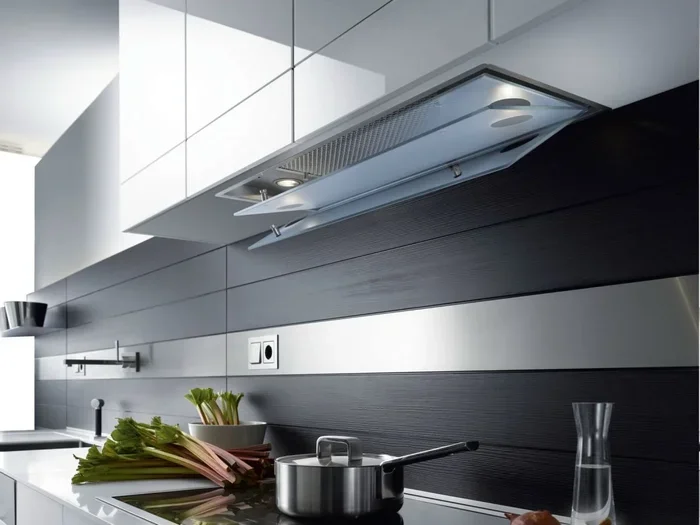
A kitchen extractor hood is one of the most important upgrades you can make to any kitchen. It removes cooking fumes, grease, and odors quickly, keeping your air fresh and clean. Whether you choose a ducted or recirculating model, the right hood improves air quality and makes cooking more enjoyable. This guide covers everything you need to know about selecting, installing, and maintaining a kitchen extractor hood. Read on to discover how this essential appliance can truly transform your cooking space.
Key Takeaways
- Better Air Quality: A kitchen extractor hood removes harmful cooking fumes, grease particles, and kitchen odor from your home instantly.
- Multiple Types Available: From ducted hoods to recirculating models and island hoods, there is a perfect fit for every kitchen layout.
- Easy Maintenance: Regular cleaning of grease filters and fan blades keeps your hood running efficiently for years.
- Noise Matters: Modern kitchen extractor hoods offer quiet operation with adjustable fan speed settings for comfortable use.
- Smart Investment: Installing a kitchen extractor hood protects your cabinets, walls, and ceiling from grease buildup and long-term damage.
📑 Table of Contents
- What Is a Kitchen Extractor Hood and Why Do You Need One?
- How a Kitchen Extractor Hood Improves Air Quality
- Types of Kitchen Extractor Hoods Explained
- Choosing the Right Kitchen Extractor Hood for Your Space
- Installation Tips and Maintenance Essentials
- The Hidden Benefits of a Kitchen Extractor Hood
- Conclusion
What Is a Kitchen Extractor Hood and Why Do You Need One?
A kitchen extractor hood is a device mounted above your stove or cooktop. It pulls smoke, steam, grease, and cooking fumes out of your kitchen. Some models push air through filters and release it back into the room. Others duct the air outside through a pipe or wall vent.
You might also hear people call it a range hood, cooker hood, or chimney hood. These names all refer to the same essential appliance. The purpose is simple: keep your kitchen air clean while you cook.
Without proper kitchen ventilation, grease settles on your cabinets, walls, and countertops. Cooking fumes linger long after you finish dinner. Lingering kitchen odor can spread to other rooms. A good extraction fan solves all of these problems.
Many homeowners underestimate how much a kitchen extractor hood changes their daily cooking experience. It is not just about removing smoke. It is about creating a more comfortable, healthier, and more pleasant space to prepare meals.
If you love cooking but hate the mess that comes with it, a hood is a must-have. It works silently in the background every time you turn on your stove. Over time, you will notice a huge difference in how clean your kitchen stays.
How Does a Kitchen Extractor Hood Work?
The basic mechanism is straightforward. A fan inside the hood pulls air upward from the cooktop. The air passes through a grease filter that catches oil and food particles. Then the cleaned air either exits through a duct to the outside or passes through a carbon filter and returns to the room.
Ducted hoods send contaminated air outside. This is the most effective option for removing smoke and odors completely. Recirculating hoods filter the air and push it back inside. They work well in kitchens where installing ductwork is not possible.
How a Kitchen Extractor Hood Improves Air Quality
Cooking produces more than just smoke. It releases tiny grease particles, water vapor, and harmful compounds into the air. Without a kitchen extractor hood, these pollutants float around your home and settle on every surface.
Studies show that indoor air can be more polluted than outdoor air. Cooking without ventilation contributes to this problem. A range hood with strong airflow capacity makes a measurable difference in your home’s air quality.
What Gets Removed by a Kitchen Extractor Hood?
Here is a quick look at what a kitchen extractor hood captures during a typical cooking session:
- Cooking fumes from frying, sautéing, and boiling
- Grease particles that would otherwise coat your kitchen surfaces
- Steam and moisture that can lead to mold and condensation
- Kitchen odor from strong spices, fish, or burnt food
- Carbon monoxide and nitrogen dioxide from gas stoves
These pollutants are invisible but harmful. Over months and years, they build up on your walls, ceilings, and furniture. A ventilation system with a reliable hood prevents this buildup and keeps your kitchen fresher.
Health Benefits of Better Kitchen Ventilation
Clean air matters for your health. Cooking fumes can irritate your eyes, throat, and lungs. People with asthma or allergies are especially sensitive to poor indoor air quality.
A kitchen extractor hood reduces your exposure to these irritants. It also lowers the risk of long-term respiratory issues. For families with young children or elderly members, this is especially important.
Beyond health, clean air means less cleaning. You spend less time wiping down grease-covered surfaces. Your kitchen stays looking newer for longer. This alone is a compelling reason to invest in a quality hood.
Types of Kitchen Extractor Hoods Explained
Not all kitchen extractor hoods are the same. Different styles suit different kitchens, budgets, and cooking habits. Understanding the options helps you make the right choice.
Ducted (External) Hoods
A ducted hood connects to a pipe that leads outside. It pushes smoke, grease, and odors directly out of your home. This is the most powerful and effective type of kitchen ventilation.
Ducted hoods require professional installation if you do not already have an exhaust vent. They work best when the duct run is short and straight. Flexible ducts can handle bends, but sharp turns reduce airflow capacity.
Recirculating (Ductless) Hoods
A recirculating hood filters air through charcoal and grease filters, then blows it back into the kitchen. It does not need external ductwork. This makes it popular for apartments and kitchens without exterior walls.
These hoods are convenient but less effective than ducted models. You will need to replace carbon filters regularly. They still do a good job of reducing kitchen odor and catching grease.
Under-Cabinet Hoods
An under-cabinet hood mounts beneath your kitchen cabinets. It saves space and works well in smaller kitchens. These are among the most popular styles for standard countertops.
They are easy to install and come in many sizes. Look for models with strong extraction fan performance. Some under-cabinet hoods include built-in lighting, which is a nice bonus.
Island Hoods
An island hood hangs from the ceiling above a kitchen island. It is a stunning design choice that also works very well. Island hoods pull air upward from all directions.
They are perfect for open-plan kitchens. Many island hoods feature modern designs with stainless steel finishes and sleek lines. They tend to be more expensive but make a bold statement.
Chimney Hoods
A chimney hood is a tall, narrow unit that rises from the cooktop to the ceiling. It creates a dramatic visual effect while delivering strong extraction power. Chimney hoods work well with both gas and electric cooktops.
Choosing the Right Kitchen Extractor Hood for Your Space
Selecting the right kitchen extractor hood depends on several factors. Consider your kitchen size, cooking habits, budget, and layout before you buy.
Size and Coverage
The hood should be at least as wide as your cooktop. For a standard four-burner stove, aim for a hood that is 30 inches or wider. A wider hood captures more smoke and prevents fumes from escaping the sides.
For larger kitchens or commercial-style ranges, consider a hood that is 36 inches or more. Coverage matters more than style. A hood that is too small will not do its job effectively.
Airflow Capacity
Airflow capacity is measured in cubic feet per minute (CFM). Higher CFM means stronger extraction. Here is a simple guide:
| Kitchen Size | Recommended CFM | Cooking Style |
|---|---|---|
| Small (under 100 sq ft) | 400-600 CFM | Light cooking, occasional frying |
| Medium (100-200 sq ft) | 600-900 CFM | Regular cooking, moderate frying |
| Large (over 200 sq ft) | 900-1200+ CFM | Heavy cooking, frequent frying and searing |
These numbers are a good starting point. If you cook with a lot of oil or wok frequently, go for a higher CFM rating.
Noise Level
Nobody wants a loud hood disrupting dinner conversations. Noise level is measured in sones. Lower numbers mean quieter operation. A good kitchen extractor hood should run at around 4-6 sones on its highest setting.
Many modern hoods include multiple fan speed settings. This lets you adjust the noise and power based on what you are cooking. A gentle simmer needs low speed. A stir-fry needs high speed.
Filter Types and Maintenance
Grease filters trap oil and food particles. Most are made of aluminum or stainless steel and are dishwasher-safe. Clean your grease filter every one to two months for best performance.
Carbon filters are used in recirculating hoods. They absorb odors but cannot be washed. Replace them every three to six months depending on how often you cook.
Style and Material
Stainless steel hoods are durable, easy to clean, and fit most kitchen styles. They are the most popular choice for a reason. You can also find hoods in black, white, copper, and custom finishes.
Consider your kitchen’s overall design. A stainless steel hood pairs well with modern and traditional kitchens alike. Choose a style that complements your cabinets and countertops.
Built-In Lighting
Many hoods include LED lights above the cooktop. This is a practical feature that improves visibility while you cook. Good lighting helps you monitor food and prevents accidents.
Look for hoods with dimmable lights. This lets you set the brightness based on your needs. Some models offer warm light tones that create a cozy atmosphere in the kitchen.
Installation Tips and Maintenance Essentials
Proper installation and regular maintenance keep your kitchen extractor hood running at peak performance. A poorly installed hood will not work effectively, no matter how expensive it is.
Installation Tips for a Kitchen Extractor Hood
- Check the duct route. Keep the duct run as short and straight as possible. Every bend reduces airflow and noise.
- Use the right duct size. Most hoods require a 6-inch or 8-inch duct. Match the duct size to your hood’s specifications.
- Seal all connections. Use foil tape or mastic sealant on duct joints. Leaks reduce efficiency and let grease escape into your walls.
- Install a backdraft damper. This prevents outside air from flowing back into your kitchen when the hood is off.
- Mount at the right height. Most manufacturers recommend 24-30 inches between the cooktop and the hood. Check your specific model’s guidelines.
- Ensure electrical compatibility. Some hoods require hardwiring. Others plug into a standard outlet. Verify this before installation.
If you are not comfortable with electrical or ductwork, hire a professional. A proper installation protects your kitchen and ensures your hood works as intended.
Maintenance Schedule for Your Kitchen Extractor Hood
Regular maintenance extends the life of your hood and keeps it working efficiently. Here is a simple maintenance routine:
- Weekly: Wipe down the exterior with a damp cloth. Remove any splatter on the hood surface.
- Monthly: Check the grease filter. Clean it in warm soapy water or run it through the dishwasher.
- Every 3-6 months: Replace carbon filters in recirculating models. Inspect the fan motor for unusual sounds.
- Annually: Clean the ductwork if accessible. Check for grease buildup in the ventilation system.
Neglecting maintenance leads to reduced performance and unpleasant kitchen odor. A few minutes of care each month goes a long way.
Common Mistakes to Avoid
Here are some mistakes homeowners make with their kitchen extractor hood:
- Choosing a hood that is too small. This is the most common error. A small hood cannot handle the smoke from a large cooktop.
- Ignoring noise ratings. A powerful hood that is too loud will discourage you from using it.
- Skipping filter replacements. Clogged filters reduce airflow and let grease recirculate into your kitchen.
- Using the wrong duct material. Avoid plastic ducts. Use rigid metal or flexible aluminum ducts rated for kitchen ventilation.
- Running the hood after cooking only. Turn it on before you start cooking and keep it running for a few minutes after you finish.
The Hidden Benefits of a Kitchen Extractor Hood
Beyond removing smoke and odors, a kitchen extractor hood offers several hidden benefits that many homeowners overlook.
Protects Your Kitchen Surfaces
Grease settles on every surface in your kitchen when you cook without ventilation. Over time, this builds up on cabinets, walls, and even your refrigerator. A kitchen extractor hood catches most of this grease before it spreads.
This means less frequent deep cleaning and longer-lasting kitchen finishes. Your cabinets and walls stay looking clean and new for years.
Improves Cooking Confidence
When you know your range hood will handle the mess, you feel freer to experiment. You can try new recipes, sear meats at high heat, and fry foods without worrying about smoke alarms.
This confidence leads to more home cooking and better meals. A kitchen extractor hood indirectly improves your cooking skills by removing the fear of making a mess.
Increases Home Value
A quality hood is a desirable feature for homebuyers. Modern buyers look for updated kitchen ventilation systems when touring homes. A stylish, powerful hood can increase your home’s appeal and resale value.
Reduces Energy Costs
By removing excess humidity and heat from cooking, a hood helps your kitchen stay cooler. This can reduce your air conditioning costs in warmer months. It is a small but meaningful energy saving over time.
Quick Tips for Getting the Most from Your Kitchen Extractor Hood
- Always turn on the hood before you start cooking
- Use the highest fan speed when frying or searing
- Clean the grease filter regularly for maximum airflow
- Replace carbon filters on schedule for recirculating models
- Keep the exterior clean for a polished kitchen appearance
- Run the hood for 5-10 minutes after you finish cooking
These simple habits make a big difference. Your hood will work better, last longer, and keep your kitchen fresher with minimal effort.
Conclusion
A kitchen extractor hood is far more than a stylish addition above your stove. It is a functional essential that improves air quality, protects your kitchen surfaces, and makes cooking more enjoyable every single day.
Whether you choose a ducted or recirculating model, an under-cabinet or island design, the key is to select a hood that fits your kitchen size and cooking habits. Pay attention to airflow capacity, noise level, and filter type. These details determine real-world performance.
Installation and maintenance are simple when you follow the right steps. Clean your filters regularly, check your ductwork, and replace carbon filters as needed. A well-maintained hood serves you reliably for many years.
If you have been putting off this upgrade, now is the time. A kitchen extractor hood transforms not just your kitchen, but your entire cooking experience. The difference is immediate and noticeable from the very first use.
Take the time to choose the right model. Your kitchen and your family will thank you for it.
Frequently Asked Questions
How does a kitchen extractor hood work?
A kitchen extractor hood uses a fan to pull air from the cooking area upward through a grease filter. The air then either exits through a duct to the outside or passes through a carbon filter and returns to the room. This process removes smoke, grease, steam, and cooking odors effectively.
Can I install a kitchen extractor hood myself?
Yes, if you have basic DIY skills and your kitchen already has an external vent opening. You will need to connect the duct, ensure proper electrical wiring, and mount the hood securely. However, if your kitchen requires new ductwork or electrical work, hiring a professional is the safest choice.
What size kitchen extractor hood do I need?
The hood should be at least as wide as your cooktop. For a standard four-burner stove, a 30-inch hood is ideal. Match the airflow capacity (measured in CFM) to your kitchen size and cooking style. A simple rule is 100 CFM per linear foot of cooktop.
How often should I clean my kitchen extractor hood?
Wipe the exterior weekly and clean the grease filter every one to two months. For recirculating models, replace the carbon filter every three to six months. Regular cleaning keeps the hood running efficiently and prevents unpleasant kitchen odor buildup.
Is a ducted or recirculating hood better?
A ducted hood is more effective at removing smoke, grease, and odors completely. It pushes contaminated air outside. A recirculating hood filters air and returns it to the kitchen, which works well when external ducting is not possible. Choose ducted if you can; it is the superior option for air quality.
How loud is a kitchen extractor hood?
Noise levels vary by model and fan speed. Most modern hoods operate between 4 and 6 sones on high settings, which is comparable to a quiet conversation. Look for hoods with multiple fan speed settings so you can run them quietly during light cooking and increase power when needed.

