
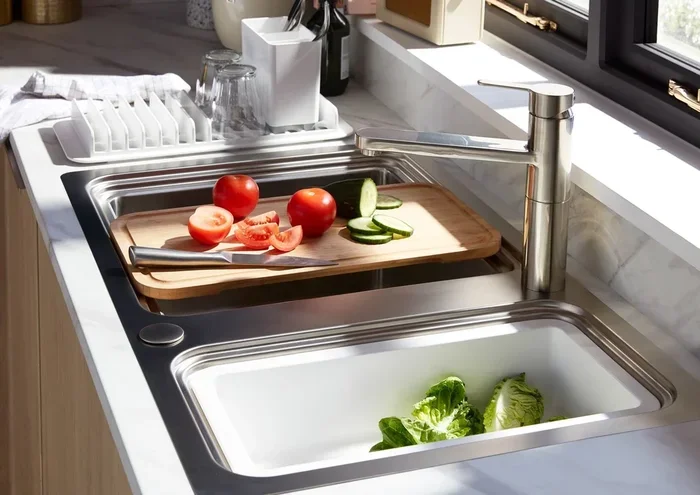
Kitchen sink food is all about using up every leftover ingredient in your fridge before it goes to waste. These budget-friendly recipes help you reduce food waste while creating tasty meals your whole family will enjoy. Whether you have random vegetables, stale bread, or leftover proteins, kitchen sink cooking turns scraps into something delicious.
Have you ever opened your fridge and found a half-used bag of spinach, some leftover chicken, and that jar of pasta sauce that’s been sitting there for a few days? We’ve all been there. Instead of letting those ingredients go to waste, there’s a simple approach that turns them into something wonderful. Kitchen sink food is all about using up every leftover ingredient you have on hand to create a delicious, satisfying meal.
The beauty of kitchen sink cooking is that it’s not a strict recipe. It’s a mindset. You look at what you have and build a meal around it. This approach saves money, reduces food waste, and often leads to surprisingly creative dishes. In this article, we’ll share practical kitchen sink food ideas, easy recipes, and tips to help you use up leftover ingredients like a pro.
If you’re tired of tossing wilted vegetables or forgotten proteins, this guide is for you. Let’s dive into the world of fridge cleanout meals and discover how zero waste cooking can be fun, affordable, and incredibly rewarding.
Key Takeaways
- Kitchen sink food saves money by using up every leftover ingredient instead of throwing it away.
- Zero waste cooking is easier than you think with a few simple strategies and creative recipes.
- Fridge cleanout meals like frittatas, stir fries, and soups work with almost any combination of leftovers.
- Budget-friendly meals from kitchen sink cooking can feed your family for less than ordering takeout.
- Meal prep and smart storage make it easier to always have leftover ingredients ready to use.
- One-pot dishes and sheet pan meals are perfect for combining random ingredients into a full dinner.
- Reducing food waste through kitchen sink food helps the planet and your grocery budget at the same time.
📑 Table of Contents
- What Is Kitchen Sink Food?
- Why Kitchen Sink Cooking Is a Game Changer
- Essential Pantry Staples for Kitchen Sink Meals
- Kitchen Sink Food Recipes to Try Tonight
- Tips for Making the Most of Leftover Ingredients
- Common Mistakes to Avoid with Kitchen Sink Cooking
- Expert Insights on Kitchen Sink Cooking
- Key Takeaways
- Frequently Asked Questions
- Conclusion
What Is Kitchen Sink Food?
Kitchen sink food refers to meals made by combining whatever leftover ingredients you have on hand. The name comes from the idea of throwing everything into the dish, just like tossing everything into a kitchen sink. There’s no strict recipe. There’s no need to go shopping for specialty items. You simply work with what’s already in your kitchen.
This style of cooking has become increasingly popular as more people look for ways to reduce food waste and save money on groceries. The concept is simple: instead of letting ingredients expire or get forgotten in the back of the fridge, you transform them into something tasty. Fridge cleanout meals can be as simple as a fried rice with leftover vegetables and rice, or as creative as a layered casserole with bits of cheese, leftover meat, and whatever veggies need using up.
Why Kitchen Sink Cooking Matters
Zero waste cooking is more than a trend. It’s a practical way to save money and help the environment. According to the United Nations, roughly one-third of all food produced globally is wasted. When you cook kitchen sink meals, you’re doing your part to cut down on that waste. You’re also stretching your grocery budget further, which matters for any household.
Beyond the financial and environmental benefits, kitchen sink cooking pushes you to be more creative in the kitchen. You start thinking about flavor combinations differently. You learn what works together and what doesn’t. Over time, you’ll find that leftover ingredient recipes become some of your favorites because they’re unique and personal to your kitchen.
Why Kitchen Sink Cooking Is a Game Changer
There are so many reasons to embrace kitchen sink food as your go-to approach to weeknight dinners. Let’s look at some of the biggest benefits.
It Saves You Money
When you cook meals based on what you already have, you buy fewer extra groceries. Think about how much money goes toward ingredients that sit in the fridge and eventually get thrown away. Kitchen sink cooking flips that pattern. You use everything you buy, which means less waste and more value from every dollar you spend at the store.
It Reduces Food Waste
Food waste is a serious problem in many households. Vegetables wilt, proteins expire, and half-used jars of sauces get pushed to the back of the fridge. Kitchen sink food ideas give every leftover ingredient a second life. Instead of tossing that last cup of cooked rice or the remaining bits of cheese, they become part of a new meal.
It Encourages Creativity
Following a recipe is great, but there’s something special about creating a meal from scratch using whatever you have. Kitchen sink cooking challenges you to think on your feet. You learn to balance flavors, textures, and proteins without a recipe card holding your hand. This kind of creative freedom makes you a better cook over time.
It’s Perfect for Busy Weeknights
When you’re tired after work, the last thing you want to do is plan an elaborate dinner. Kitchen sink meals are perfect for those nights because they require minimal prep and no extra shopping. You grab whatever’s in the fridge, throw it together, and have a home-cooked meal on the table in 20 to 30 minutes.
Essential Pantry Staples for Kitchen Sink Meals
To make kitchen sink cooking work smoothly, it helps to keep a few pantry staples on hand. These base ingredients pair well with almost any leftover and turn random scraps into a cohesive, delicious meal.
Olive Oil and Garlic
Good olive oil and garlic are the foundation of countless leftover ingredient recipes. A quick sauté of garlic in olive oil can transform leftover vegetables into a flavorful side dish or a base for a full meal. Keep a steady supply of both, and you’ll always have a starting point for your fridge cleanout meals.
Rice and Pasta
Cooked rice and leftover pasta are two of the most versatile ingredients for kitchen sink food. Fried rice is a classic way to use up leftover rice, vegetables, and proteins. Similarly, pasta can be tossed into a quick stir fry or baked into a comforting casserole. Both are cheap, store well, and absorb flavors beautifully.
Canned Tomatoes and Broth
A can of diced tomatoes or vegetable broth can turn a pile of random vegetables into a hearty soup or stew. These pantry staples add moisture, flavor, and body to any dish. Keep a few cans in your pantry, and you’ll always have a base ready for your next zero waste cooking project.
Eggs
Eggs are the ultimate kitchen sink food ingredient. They bind everything together, add protein, and work in almost any format. A quick frittata or omelet is one of the best ways to use up leftover vegetables, cheese, and meats. Eggs turn a random collection of ingredients into a complete, satisfying meal in minutes.
Cheese
Whether it’s shredded cheddar, crumbled feta, or the last bits of parmesan, cheese makes almost any kitchen sink meal better. It adds richness, flavor, and a satisfying texture. Sprinkle it over a stir fry, melt it into a casserole, or use it as a topping for soup. Cheese is a simple way to bring leftover ingredients together.
Kitchen Sink Food Recipes to Try Tonight
Ready to start cooking with your leftovers? Here are some easy kitchen sink food recipes that work with almost any combination of ingredients. Each one is designed to be flexible, so you can swap in whatever you have on hand.
1. The Ultimate Kitchen Sink Stir Fry
A stir fry is the perfect fridge cleanout meal. It comes together fast and lets you use up vegetables, proteins, and sauces all at once. Heat some oil in a wok or large skillet, add your leftover vegetables, and stir until they start to soften. Toss in any leftover cooked protein, add a sauce of soy sauce, garlic, and a pinch of sugar, and serve over rice or noodles.
The beauty of a stir fry is that there are no rules. You can use bell peppers, broccoli, carrots, snap peas, or whatever vegetables are about to go bad. Leftover chicken, beef, shrimp, or even tofu all work well. Add a fried egg on top for extra protein, and you have a complete budget-friendly meal in under 20 minutes.
2. Kitchen Sink Frittata
A frittata is one of the best leftover ingredient recipes because it handles almost any combination of ingredients. Beat a few eggs, pour them into a greased oven-safe skillet, and add your leftover vegetables, cheese, and proteins. Cook on the stovetop until the edges set, then transfer to the oven to finish. In about 25 minutes, you have a golden, protein-packed meal that uses up everything in the fridge.
Frittatas are great for meal prep too. You can make one on Sunday and eat it for breakfast or lunch throughout the week. They’re also wonderful at room temperature, making them perfect for packed lunches.
3. Hearty Kitchen Sink Soup
Soup is the ultimate zero waste cooking tool. Almost any vegetable, grain, or protein can go into a pot of soup. Start by sautéing onions and garlic in a large pot. Add any leftover vegetables, a can of broth, and some water. Season with salt, pepper, and herbs, and let it simmer until everything is tender.
For extra heartiness, add leftover cooked pasta, rice, or beans. A handful of spinach or kale works beautifully too. Top with cheese and crusty bread for a complete dinner. Kitchen sink soup is one of the easiest ways to turn a fridge full of odds and ends into a comforting, nourishing meal.
4. One-Pan Kitchen Sink Casserole
Casseroles are built for kitchen sink food. They’re designed to combine multiple ingredients into one dish and bake everything together. Start with a base of cooked pasta or rice, layer in leftover vegetables, add any remaining protein, and pour a simple sauce of cream, cheese, or tomato over the top. Bake until bubbly and golden.
Sheet pan versions work just as well. Spread leftover vegetables and proteins on a sheet pan, drizzle with olive oil, season well, and roast at 400°F for 20 to 25 minutes. It’s one of the easiest leftover ingredient recipes and requires almost no cleanup.
5. Creative Kitchen Sink Fried Rice
Fried rice is the classic fridge cleanout meal for a reason. It takes leftover rice and transforms it into something entirely new. Heat oil in a hot pan, scramble your eggs first, then set them aside. Add your leftover vegetables and proteins to the pan and stir-fry until crispy. Add the cold rice, pour in some soy sauce and a splash of sesame oil, and toss everything together.
Cold rice works best because it’s drier and fries up better. If you only have hot rice, spread it on a baking sheet and let it cool in the fridge for a few minutes before cooking. Fried rice is one of the most satisfying kitchen sink food ideas because it comes together so quickly and tastes amazing.
Tips for Making the Most of Leftover Ingredients
Cooking kitchen sink meals is easy once you develop a few good habits. These tips will help you make the most of every leftover ingredient and get the best results from your zero waste cooking efforts.
Shop Your Fridge First
Before you plan any meal, open your fridge and take stock of what you have. Make a list of ingredients that need to be used up soon. Build your meal plan around those items first. This simple habit is the foundation of great kitchen sink cooking and helps you avoid buying duplicates of ingredients you already have.
Store Leftovers Properly
Proper storage makes a huge difference in how long your leftovers last and how well they work in kitchen sink food recipes. Store cooked proteins in airtight containers and use them within three to four days. Vegetables should be kept in the crisper drawer or wrapped in damp paper towels. Label containers with dates so you always know what needs to be used first.
Embrace Imperfection
One of the best things about kitchen sink cooking is that there’s no such thing as a perfect combination. Some of the best meals come from unexpected ingredient pairings. If something tastes a little off, add more salt, a squeeze of lemon, or a drizzle of olive oil. Trust your instincts and don’t be afraid to experiment.
Keep a Running List of Favorites
When you create a great leftover ingredient recipe, write it down. Note what ingredients you used and how they worked together. Over time, you’ll build a personal collection of go-to kitchen sink food ideas that you can rely on whenever you need a quick, creative meal.
Use Your Freezer Wisely
If you have leftover ingredients that won’t get used right away, freeze them for later. Cooked rice, soups, and stews freeze beautifully. So do vegetable scraps like onion ends and carrot peels, which you can save to make homemade broth. Your freezer is a powerful tool for reducing food waste and always having ingredients ready for your next kitchen sink meal.
Think in Flavors, Not Just Ingredients
When combining leftovers, think about how flavors work together. Creamy ingredients like cheese and cream pair well with sharp vegetables like broccoli or kale. Soy sauce and sesame oil bring Asian flavors to almost any stir fry. Tomato-based sauces complement Italian herbs and Mediterranean vegetables. Thinking about flavor profiles helps you create budget-friendly meals that taste intentional, not random.
Common Mistakes to Avoid with Kitchen Sink Cooking
Kitchen sink food is flexible and forgiving, but there are a few common mistakes that can trip you up. Knowing what to avoid will help you get better results every time.
Overcrowding the Pan
When you’re making a stir fry or sauté, it’s tempting to throw everything in at once. But overcrowding the pan leads to steaming instead of browning. Your vegetables will turn mushy instead of getting that nice crispy edge. Cook in batches if you need to, and give each ingredient enough space to cook properly.
Forgetting to Season
Leftover ingredients can taste bland on their own, which is why seasoning is so important in kitchen sink cooking. Salt, pepper, garlic, and herbs make a huge difference. Taste as you go and adjust the seasoning until the flavors pop. A simple squeeze of lemon juice or a pinch of red pepper flakes can elevate even the most basic fridge cleanout meal.
Using Ingredients That Are Too Far Gone
While kitchen sink food is about using leftovers, there’s a line between using something that’s slightly past its prime and using something that’s actually spoiled. Check your ingredients carefully. If vegetables are slimy, meat smells off, or dairy has curdled, it’s best to toss them. Zero waste cooking is about reducing waste, not compromising food safety.
Ignoring Texture
Great meals have a balance of textures. If everything you’re combining is soft, the result can be mushy. Add something crunchy like toasted nuts, crispy fried onions, or fresh raw vegetables to give your kitchen sink meal more interest and contrast. Texture matters just as much as flavor.
Not Planning for Enough Volume
When you’re combining small amounts of various ingredients, the total volume might not be enough for a full meal. Plan for sides like bread, rice, or a simple salad to round things out. A piece of crusty toast or a bowl of quick rice can turn a kitchen sink stir fry into a complete dinner that everyone will enjoy.
Expert Insights on Kitchen Sink Cooking
Kitchen sink food has been practiced by home cooks and professional chefs alike for generations. Many of the world’s most beloved dishes started as leftover ingredient recipes that were created out of necessity.
Chef Massimo Bottura, the Italian mastermind behind Osteria Francescana, has spoken extensively about the importance of using every ingredient fully. His cookbook “Never Waste” is filled with creative ways to turn leftovers into restaurant-quality dishes. The philosophy behind kitchen sink cooking aligns perfectly with this mindset: every ingredient deserves a second chance.
In many cultures, zero waste cooking is not a trend but a tradition. Chinese fried rice, French ratatouille, Indian curries, and Mexican chilaquiles all started as ways to use up remaining ingredients. These dishes became beloved classics precisely because they turn simplicity into something extraordinary. When you cook kitchen sink food, you’re joining a long, global tradition of creative, resourceful cooking.
How to Build Your Kitchen Sink Meal
Building a kitchen sink meal is easier than you might think. Start with a base, which could be rice, pasta, bread, or even a simple bed of greens. Add your protein, whether it’s leftover meat, eggs, beans, or tofu. Then layer in your vegetables and any sauces or seasonings you have on hand. Finish with a topping like cheese, nuts, or fresh herbs. That’s it. You’ve created a complete meal from what was about to become waste.
The more you practice this approach, the more intuitive it becomes. Soon you’ll be able to look into your fridge and see a meal instead of a collection of random ingredients. That shift in perspective is the real magic of kitchen sink cooking.
Key Takeaways
- Kitchen sink food saves money by using up every leftover ingredient instead of throwing it away.
- Zero waste cooking is easier than you think with a few simple strategies and creative recipes.
- Fridge cleanout meals like frittatas, stir fries, and soups work with almost any combination of leftovers.
- Budget-friendly meals from kitchen sink cooking can feed your family for less than ordering takeout.
- Meal prep and smart storage make it easier to always have leftover ingredients ready to use.
- One-pot dishes and sheet pan meals are perfect for combining random ingredients into a full dinner.
- Reducing food waste through kitchen sink food helps the planet and your grocery budget at the same time.
Frequently Asked Questions
What exactly is kitchen sink food?
Kitchen sink food refers to meals made by combining whatever leftover ingredients you have in your fridge or pantry. There’s no specific recipe. The goal is to use up ingredients before they go to waste, turning random scraps into a delicious, complete meal. Think of it as creative, resourceful cooking that works with whatever you have on hand.
Is kitchen sink cooking the same as meal prep?
They share some similarities but are not the same. Meal prep involves planning and preparing meals in advance, often following specific recipes. Kitchen sink cooking is more spontaneous and flexible. You cook based on what needs to be used up. However, both approaches help reduce food waste and save time and money during the week.
Can I make kitchen sink meals if I don’t have many leftovers?
Absolutely. Kitchen sink food works with any amount of leftovers. Even if you only have a few vegetables, some eggs, and a piece of bread, you can create a satisfying meal. A simple omelet with leftover vegetables and toast is a perfect example of a kitchen sink meal made from just a few ingredients.
How do I know if my leftover ingredients are still safe to eat?
Always check for signs of spoilage before using leftovers in kitchen sink recipes. Look for sliminess on vegetables, off smells on proteins, and curdling in dairy products. When in doubt, it’s better to be safe and toss the ingredient. Zero waste cooking is about reducing waste, not taking risks with food safety.
What are the best pantry staples for kitchen sink cooking?
Some essential staples include olive oil, garlic, rice, pasta, canned tomatoes, broth, eggs, and cheese. These ingredients pair well with almost any leftover and form the foundation of many kitchen sink food ideas. Keeping these items on hand makes it easy to whip up a fridge cleanout meal at any time.
How can I get my kids to enjoy kitchen sink meals?
Kids often respond well to the novelty of kitchen sink cooking. Let them help choose ingredients and assemble the meal. Fried rice, frittatas, and soups are great starting points because they’re familiar and comforting. Involving kids in the process makes them more likely to try new combinations and enjoy the budget-friendly meals you create together.
Conclusion
Kitchen sink food is one of the most practical, creative, and rewarding approaches to everyday cooking. It turns the challenge of leftover ingredients into an opportunity for delicious, budget-friendly meals that your whole family can enjoy. Whether you’re making a quick stir fry, a comforting frittata, or a hearty soup, kitchen sink cooking proves that you don’t need fancy ingredients or complicated recipes to eat well.
The key is to start small. Next time you open your fridge and see a few leftover vegetables, some odds and ends of protein, and a sauce that needs using up, don’t let it go to waste. Embrace the challenge of kitchen sink food and see what you can create. With a little practice, you’ll find that fridge cleanout meals become some of the most anticipated and beloved dishes in your rotation.
Start today. Look at what’s in your kitchen, get creative, and discover how satisfying it is to turn leftovers into something truly delicious. Kitchen sink cooking isn’t just about saving money or reducing waste. It’s about making the most of what you have and finding joy in the simple act of cooking with intention.

