
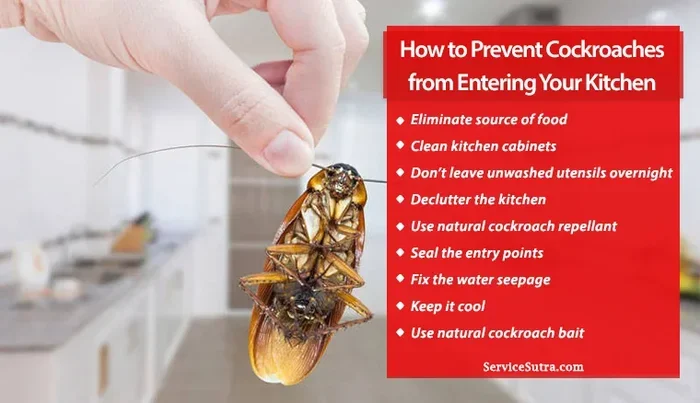
My kitchen is clean so why do I still have roaches? The answer might surprise you. Even spotless kitchens attract roaches because of hidden food, moisture, and tiny entry points that homeowners overlook. This guide reveals the real reasons roaches stay in clean homes and gives you actionable steps to eliminate them. You will learn about hidden attractants, prevention tips, and when to call a pro.
Key Takeaways
- Clean kitchens still attract roaches: Roaches need more than just food crumbs to survive, including water and shelter.
- Hidden food sources are the main culprit: Pantry items, pet food, and grease buildup often go unnoticed.
- Moisture draws roaches as much as food: Leaky pipes and damp areas create ideal roach habitats.
- Roaches enter homes through tiny gaps: Sealing cracks and checking entry points is essential for prevention.
- DIY methods work but professional help may be needed: Stubborn infestations often require expert intervention.
- Daily habits prevent future infestations: Small routine changes make a big difference in keeping roaches away.
[FEATURED_IMAGE_PLACEHOLDER]
📑 Table of Contents
Why Roaches Invade Clean Kitchens
You scrub your counters. You wipe down your stovetop. You take out the trash every night. So why on earth do you still see roaches scurrying across your floor? It is incredibly frustrating. You did everything right. You kept your kitchen spotless. Yet these pests still showed up uninvited.
The truth is that cleanliness alone does not guarantee a roach-free home. Roaches are survival experts. They can find what they need in the cleanest of kitchens. They seek three things: food, water, and shelter. And guess what? Your clean kitchen offers all three, sometimes in ways you never expected.
Understanding why roaches visit a clean kitchen is the first step toward solving the problem. It is not about being dirty. It is about being strategic. Once you know what attracts them, you can outsmart them. Let us dig into the real reasons these pests keep coming back.
What Attracts Roaches Besides Mess
Most people think roaches only come to dirty places. That is a myth. Roaches are opportunistic eaters. They will munch on almost anything. Even in a pristine kitchen, they find plenty to eat. Here are some hidden attractants you might not have considered.
- Grease buildup on cabinets and backsplashes — even wiped surfaces leave behind traces of grease that roaches love.
- Pet food left out overnight — your furry friends might be unintentionally inviting roaches in.
- Cardboard and paper products — roaches eat the glue in cardboard boxes and paper bags.
- Sticky residue inside recycling bins — that soda can you rinsed but not perfectly still has sugar residue.
- Fruit bowls with overripe produce — the fermenting sugars in ripe fruit are a roach buffet.
See? Even the cleanest kitchen has hidden food sources. Roaches are tiny and resourceful. They detect food smells from far away. A few crumbs behind the stove or a drip of honey under the sugar jar is enough to draw them in.
The Truth About Roach Entry Points
Here is something most homeowners do not think about. Roaches do not just appear inside your kitchen. They come from somewhere else. They enter through cracks, gaps, and openings you might not even notice. Your clean kitchen simply gives them a reason to stay once they get inside.
Roaches can squeeze through incredibly small spaces. A gap the size of a dime is enough for a german cockroach to slip through. They enter through:
- Cracks around windows and doors
- Gaps in walls where pipes enter the home
- Drain pipes and sewer lines
- Grocery bags and delivery boxes
- Shared walls in apartments and condos
So if your kitchen is clean but you still have roaches, the problem likely started outside. They found an entry point and discovered your kitchen was the perfect place to settle in. Warm, with access to water and food. It is like a five-star hotel for roaches.
Hidden Food Sources You Might Be Missing
You sweep your kitchen floor every day. You wash your dishes after every meal. But there is a good chance you are missing some key food sources that attract roaches. These hidden spots are exactly where roaches in clean kitchens thrive.
Pantry Items and Crumbs You Overlook
Think about your pantry. Do you have open food containers? Crumbs inside the cereal box? A dropped chip behind the snack shelf? These are goldmines for roaches. Even if your kitchen looks clean on the surface, the pantry tells a different story.
Here are common hidden food spots that attract roaches:
- The top of the refrigerator — dust and food debris collect up there.
- Under the toaster or toaster oven — crumbs fall and accumulate unnoticed.
- Inside the spice rack — tiny particles of seasoning attract roaches.
- Behind the microwave — splatter and crumbs build up over time.
- Under the kitchen table and chairs — crumbs from snacks and meals collect here.
Roaches are nocturnal. They come out at night when your kitchen is quiet. By then, even tiny food traces are enough to sustain them. The key is to eliminate these hidden food spots regularly.
How Pets and Grease Attract Roaches
If you have pets, you already know the deal. Pet food bowls left out overnight are like a dinner bell for roaches. Even a small amount of kibble or wet food can attract them. Grease is another big one. Your stovetop might look clean, but the grease splatter on the backsplash tells a different story.
Roach prevention starts with addressing these overlooked sources. Wipe down your stovetop after cooking. Store pet food in sealed containers. Clean behind appliances weekly. These small habits make a huge difference in keeping roaches away.
Quick Tip: Keep a small bowl of vinegar near your pet food area. It helps deter roaches naturally while keeping the area fresh.
Water Sources That Draw Roaches In
Here is something that surprises many people. Roaches need water more than they need food. A cockroach can survive about a month without food. But without water, they die within about a week. This means that moisture problems in your home are just as attractive to roaches as leftover food.
Leaky Pipes and Moisture Problems
Even a small drip under your sink creates a perfect roach habitat. Roaches love damp, dark places. Under the kitchen sink is one of their favorite hiding spots. If you have any leaks, even minor ones, you are essentially rolling out a welcome mat for roaches.
Common moisture sources that attract roaches include:
- Leaky faucets under the sink
- Condensation around refrigerator coils
- Damp areas near the dishwasher
- Standing water in the sink or drain
- Humid basements and crawl spaces connected to the kitchen
Fixing these moisture issues is a critical part of roach prevention. Check your plumbing regularly. Dry out damp areas. Use a dehumidifier if your kitchen tends to be humid. These steps remove one of the main reasons roaches stick around.
Fixing Common Plumbing Issues
You do not need to be a plumber to address most moisture problems. Start with the basics. Wipe up standing water in the sink every night. Dry the area around your dishwasher. Check under the sink for any drips or condensation. Fix leaky faucets promptly. These simple actions remove the water source that roaches depend on.
If you notice roach droppings near your plumbing fixtures, that is a clear sign they are using your water sources. Cockroach droppings look like small black specks, almost like ground pepper. Finding them near drains or pipes means roaches are actively using those water sources at night.
How Roaches Get Into Your Home
Even if your kitchen is spotless, roaches can still find their way inside. They are incredible hitchhikers. They travel in boxes, bags, and even on people. Understanding how they enter helps you stop them before they settle in.
Entry Points Most Homeowners Miss
Roaches are tiny and flexible. They slip through gaps that you would never notice. Here are the most common entry points that homeowners overlook:
- Gaps around utility lines — where pipes, cables, and wires enter your home through walls.
- Damaged weather stripping — worn seals around doors and windows create easy access.
- Vents and exhaust fans — uncovered or poorly screened vents let roaches crawl right in.
- Wall cracks and foundation gaps — even tiny hairline cracks are highways for roaches.
- Drain pipes — roaches travel through drains from the main sewer line into your home.
Sealing these entry points is one of the most effective ways to keep roaches out. Use caulk to fill cracks and gaps. Install weather stripping on doors. Make sure all vents have screens. These steps create a barrier that keeps pest control issues from starting in the first place.
Roach Eggs and Hidden Nests
One of the biggest reasons roach problems persist is eggs. A single female cockroach can produce dozens of egg cases in her lifetime. Each egg case contains multiple baby roaches. If you only see a few adult roaches, there could be hundreds of eggs hidden in walls, cabinets, or appliances.
Roach eggs are small, brown, and oval-shaped. They are often tucked away in dark, hidden spots. Common nesting areas include:
- Behind and inside kitchen cabinets
- Under the stove and refrigerator
- Inside cardboard boxes in the pantry
- Behind wallpaper and baseboards
- Inside drawer joints and appliance crevices
Finding and destroying egg cases is essential for long-term roach control. Simply killing the adults you see will not solve the problem. The eggs will hatch and start the cycle all over again.
Effective Ways to Get Rid of Roaches
Now that you understand why roaches are in your clean kitchen, let us talk about how to get rid of them. There are many methods available. Some work better than others. The key is to use a combination of approaches for the best results.
Natural and DIY Solutions
If you prefer to avoid harsh chemicals, there are several natural methods that work well. These are safe for homes with kids and pets when used correctly.
- Boric acid powder — sprinkle it in cracks and along baseboards. Roaches walk through it and carry it back to their nest.
- Diatomaceous earth — a natural powder that damages roach exoskeletons and dehydrates them.
- Baking soda and sugar bait — mix equal parts and place in small dishes. The sugar attracts them, and the baking soda does the rest.
- Essential oils — peppermint oil and eucalyptus oil repel roaches naturally.
- Sticky traps — place them in corners and along walls to catch roaches and monitor activity.
These natural solutions work well for mild infestations. They are part of a solid roach prevention strategy. However, for serious infestations, you may need stronger methods.
When to Call a Professional
Sometimes DIY methods are not enough. If you have tried everything and still see roaches, it is time to call in the experts. Professional pest control services have access to tools and treatments that are far more effective than anything you can buy at the store.
Consider calling a professional if:
- You see roaches during the day (this signals a large infestation)
- DIY methods have not worked after two weeks
- You find roach droppings in multiple areas of the kitchen
- You notice a musty odor that will not go away
- You live in an apartment building where roaches travel between units
A professional exterminator can identify the exact cockroach species causing your problem and target the treatment accordingly. Different species require different approaches. German cockroaches, for example, are much harder to eliminate than american cockroaches.
Preventing Future Roach Problems
Getting rid of roaches is only half the battle. Keeping them from coming back is the real challenge. Roach prevention is all about making your kitchen less attractive to these pests. Small daily habits create a big impact over time.
Daily Habits That Keep Roaches Away
Building a routine around kitchen cleanliness is one of the best defenses against roaches. You do not need to spend hours cleaning every day. Just a few consistent habits go a long way.
- Wash dishes immediately after meals — do not leave dirty dishes in the sink overnight.
- Wipe down counters after cooking — remove grease and food residue before it attracts roaches.
- Take out the trash every evening — use a bin with a tight-fitting lid.
- Store food in sealed containers — this includes pantry items, pet food, and leftovers.
- Clean under appliances weekly — move the fridge and stove to sweep up hidden crumbs.
- Fix leaks promptly — even small drips create moisture that draws roaches in.
- Empty recycling bins regularly — rinse containers before placing them in the bin.
These habits might seem basic. But they are the foundation of effective kitchen pest control. Most homeowners skip one or two of these steps and wonder why roaches keep coming back.
Long-Term Roach Prevention Tips
Beyond daily habits, there are longer-term strategies that protect your home. These steps create a lasting barrier against roaches and other kitchen pests.
- Seal all cracks and gaps — use caulk around windows, doors, pipes, and baseboards every few months.
- Declutter regularly — roaches love hiding in piles of paper, boxes, and bags.
- Inspect grocery bags and packages — roaches hitchhike into homes in boxes and bags.
- Use bait stations proactively — place them in key areas even when you do not see roaches.
- Schedule regular pest inspections — a professional can catch problems before they become infestations.
- Keep humidity low — use exhaust fans and dehumidifiers to eliminate moisture sources.
Prevention is always easier than elimination. Once you build these habits into your routine, you will notice a dramatic drop in roach activity. Your clean kitchen will stay clean, and the roaches will stay away.
Common Mistakes People Make When Dealing with Roaches
Many homeowners make mistakes that actually make the roach problem worse. Being aware of these errors helps you avoid them and tackle the issue more effectively.
Mistake 1: Only Killing the Roaches You See
When you spot a roach in your kitchen, your first instinct is to kill it. That is normal. But here is the thing — for every roach you see, there are probably many more hiding out of sight. Visible roaches represent only a small fraction of the actual population.
Focus on eliminating the entire colony, not just the individual roaches you encounter. Use bait stations and gel baits that roaches carry back to their nest. This approach targets the source of the problem.
Mistake 2: Ignoring Moisture Issues
As we discussed earlier, roaches need water to survive. Many homeowners focus only on food sources and completely ignore moisture. If you have a leaky pipe or a damp area under your sink, no amount of cleaning will keep roaches away. Fix the moisture problem first, then maintain your kitchen cleanliness.
Mistake 3: Using the Wrong Products
Not all roach sprays are created equal. Some products only kill roaches on contact. They do nothing to eliminate the colony. Others contain chemicals that repel roaches temporarily but do not solve the root cause. Look for products with boric acid or fipronil as active ingredients. These are proven to be effective for long-term roach control.
Key Takeaways
- Clean kitchens still attract roaches: Roaches are drawn to hidden food, moisture, and shelter, not just mess.
- Seal entry points to stop roaches from getting in: Tiny gaps around pipes, doors, and windows are common entry routes.
- Eliminate hidden food sources: Pantry items, pet food, and grease buildup attract roaches even in clean homes.
- Fix moisture problems immediately: Leaky pipes and damp areas create ideal roach habitats.
- Use a combination of methods for best results: DIY solutions work for mild infestations, but professionals handle serious problems.
- Daily habits prevent future infestations: Consistent cleaning and maintenance keep roaches from coming back.
- Patience is key: Roach elimination takes time. Stick with your prevention plan for lasting results.
Conclusion
Dealing with roaches in a clean kitchen is one of the most frustrating experiences a homeowner can face. You did everything right. You kept your kitchen spotless. You wiped down every surface. And yet, those unwelcome guests still showed up. The good news is that my kitchen is clean so why do I have roaches is a question with a clear answer. It is not about being dirty. It is about understanding what roaches truly need to survive.
Hidden food sources, moisture problems, tiny entry points, and roach eggs are the real culprits. Once you address these issues, you take control of the situation. The tips and strategies in this guide give you everything you need to eliminate roaches and prevent them from coming back.
Remember that roach prevention is an ongoing process. It is not a one-time fix. Build good daily habits, stay vigilant about moisture and entry points, and do not hesitate to call a professional when needed. Your clean kitchen deserves to stay roach-free. With the right approach, you can make that happen.
Start today. Pick one or two tips from this article and put them into action. Small changes lead to big results. You will be surprised at how quickly your roach problem shrinks when you tackle it strategically. Your kitchen is clean. Now make sure it stays that way — roach-free and welcoming for you, not for pests.
Frequently Asked Questions
Why do I have roaches if my kitchen is always clean?
Roaches are attracted to more than just dirt. They need food, water, and shelter to survive. Even in the cleanest kitchens, hidden food sources, moisture from leaks, and tiny entry points can draw roaches in. Cleanliness helps reduce the risk, but it does not eliminate it entirely.
What smell keeps roaches away from kitchens?
Peppermint oil, eucalyptus oil, and vinegar are natural scents that repel roaches. You can dilute essential oils with water and spray them along baseboards and entry points. While these smells deter roaches, they work best as part of a broader prevention strategy.
How long does it take to get rid of roaches in a clean home?
It typically takes two to four weeks to see significant results with DIY methods. For severe infestations, professional pest control may take one to two treatments over several weeks. Consistency with prevention habits is key to long-term success.
Can roaches live in a spotless house?
Yes, absolutely. Roaches can survive in spotless homes because they are resourceful scavengers. They find food in tiny crumbs, grease residue, pet food, and even paper products. They also need very little water to survive. A clean home is less attractive to roaches, but it is not a guarantee against infestation.
What is the fastest way to kill roaches in the kitchen?
Boric acid powder and gel baits are the fastest DIY solutions. They work by roaches carrying the poison back to their nest, which kills the colony. For immediate results, sticky traps catch roaches quickly, but they do not solve the root cause of the infestation.
Should I be worried about roaches in a clean kitchen?
Yes, roaches in any home pose health risks. They carry bacteria, contaminate food surfaces, and can trigger allergies and asthma. Even in a clean kitchen, a roach presence should be addressed promptly to protect your family’s health and prevent the problem from growing.

