
Remodeling your kitchen before selling can significantly increase your home’s resale value and attract more buyers. A well-planned kitchen renovation offers a strong return on investment, but it is not always necessary. This guide covers when a kitchen upgrade makes sense, what changes deliver the best results, and how to decide if the investment is worth it for your specific situation.
You are thinking about selling your home. Maybe you have already listed it. Or maybe you are just starting to explore the idea. Either way, one question keeps popping up: should you remodel your kitchen before selling?
The kitchen is often called the heart of the home. Buyers walk in and their eyes go straight to it. A dated or worn-out kitchen can drag down your entire listing. But a fresh, modern kitchen can make your property stand out in a crowded real estate market.
Here is the tricky part. Not every kitchen project pays off. Some upgrades give you excellent return on investment. Others drain your budget without adding much value. This article breaks it all down so you can make a smart, confident decision.
Key Takeaways
- Kitchen remodels boost resale value: Buyers notice kitchens first, and a thoughtful update can raise your property value significantly.
- Minor updates often work best: You do not always need a full gut renovation. Small, strategic changes can deliver big results.
- Return on investment varies: Some kitchen improvements recover 60-80% of their cost at resale, while others may not pay off.
- Know your market: The real estate market in your area determines which upgrades matter most to local buyers.
- Avoid over-improving: Spending beyond what your neighborhood supports can actually reduce your profit margin.
- Timing matters: Plan your kitchen renovation timeline carefully so it does not delay your home sale.
📑 Table of Contents
- Why the Kitchen Matters So Much When Selling
- Kitchen Remodel Versus Minor Kitchen Updates
- What Kitchen Upgrades Deliver the Best Return
- Budgeting for a Kitchen Remodel Before Selling
- DIY Kitchen Projects Versus Hiring a Professional
- Common Mistakes to Avoid When Remodeling Before Selling
- How to Decide If a Kitchen Remodel Is Right for You
Why the Kitchen Matters So Much When Selling
Let us start with the basics. Why does the kitchen get so much attention from homebuyers? It is simple. The kitchen is where families gather. It is where meals are cooked, homework gets done, and conversations happen every single day.
When buyers tour your home, they are imagining their life in that space. If the kitchen feels old or cramped, they start to wonder what else might be wrong. But if the kitchen feels bright, clean, and functional, they start to picture themselves cooking dinner and hosting friends.
Studies consistently show that the kitchen ranks among the top rooms buyers evaluate. In fact, many real estate experts say a kitchen home improvement can influence a buyer’s first impression more than almost anything else. That first impression directly affects how much they are willing to offer.
First Impressions Count
You only get a few seconds to grab a buyer’s attention. When they enter your home, the kitchen is often one of the first rooms they see. If it looks great, they feel positive right away. That positive feeling carries through the rest of the tour.
On the other hand, a kitchen with cracked countertops, old cabinets, and outdated fixtures sends the wrong message. Buyers start looking for problems. They start negotiating lower prices. You do not want that.
The Role of Kitchen Layout
Beyond aesthetics, the kitchen layout plays a big role. Buyers want a layout that makes sense. They want enough counter space. They want storage that works. If your current layout feels awkward, even small changes can make a huge difference.
You do not always need to knock down walls. Sometimes just repainting cabinets or adding new hardware transforms the entire feel of the room. These minor kitchen updates are affordable and highly effective.
Kitchen Remodel Versus Minor Kitchen Updates
This is where many homeowners get stuck. Should you do a full kitchen renovation or stick with smaller changes? The answer depends on your budget, your timeline, and the condition of your current kitchen.
When a Full Remodel Makes Sense
A full kitchen remodel is the right choice when your kitchen is seriously outdated. If your cabinets are falling apart, if the flooring is damaged, or if the layout does not work at all, a bigger project may be necessary.
Full remodels give you the freedom to change the layout, upgrade appliances, and install new kitchen countertops and cabinetry. They also allow you to modernize the entire space from top to bottom.
But full remodels cost more. They take longer. And they carry more risk. You need to be confident that the investment will pay off when you sell.
When Minor Updates Are Enough
Most homes do not need a full gut renovation. In many cases, minor kitchen updates are all it takes to make a strong impression on buyers.
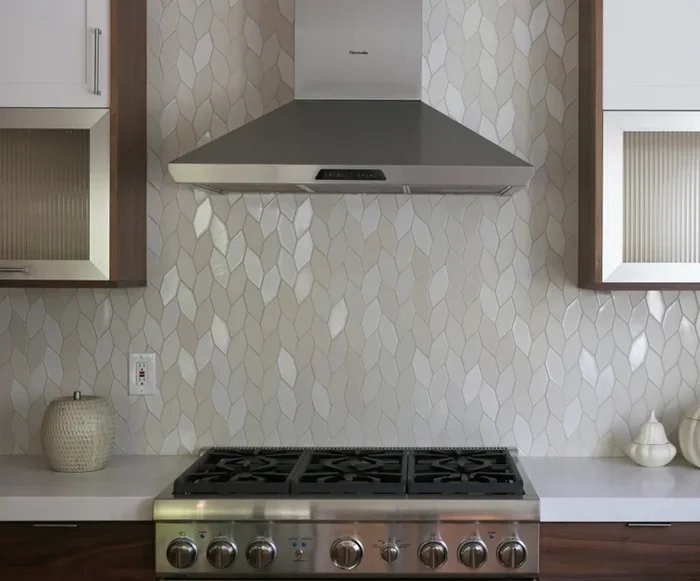
Think about painting cabinets instead of replacing them. Consider updating the kitchen backsplash with a fresh tile design. Replace old cabinet handles and faucets. These small changes can make a big impact without breaking the bank.
Minor updates also take less time. You can complete them in a weekend or over a couple of weeks. That means less disruption to your daily life and less risk of delaying your sale.
What Kitchen Upgrades Deliver the Best Return
Not all home improvements are created equal. Some upgrades give you a much better return on investment than others. Let us look at what actually moves the needle when it comes to selling your home.
Top Kitchen Improvements That Sell Homes
Based on real estate data and industry reports, here are the kitchen upgrades that buyers value most:
- New kitchen cabinets: Fresh cabinets instantly modernize the space. You can refinish existing ones or install new ones for a bigger impact.
- Updated countertops: Clean, attractive countertops make the kitchen feel polished. Quartz and granite remain popular choices.
- Modern kitchen fixtures: New faucets and sink fixtures are relatively affordable and highly visible to buyers.
- Fresh paint: A neutral coat of paint on walls or cabinets makes the kitchen feel clean and inviting.
- New flooring: Damaged or worn flooring is a red flag for buyers. New flooring signals that the home has been well cared for.
- Upgraded lighting: Bright, well-lit kitchens feel larger and more welcoming. Add under-cabinet lights or replace old fixtures.
- Appliance refresh: You do not need top-of-the-line appliances. Just make sure they work and look modern.
What Buyers Notice Most
Buyers focus on three main things when evaluating a kitchen. First, they look at the overall condition. Are there visible signs of wear and tear? Second, they assess the layout. Is the kitchen functional and easy to move through? Third, they evaluate the style. Does the kitchen feel current and well-maintained?
If you address these three areas, you are already ahead of most listings on the market. You do not need a complete kitchen upgrade to do this. Strategic, targeted improvements go a long way.
Budgeting for a Kitchen Remodel Before Selling
Money is always a factor when selling a home. You want to spend wisely. You do not want to pour thousands into a project that only adds a fraction of that cost to your final sale price.
Setting a Realistic Budget
Start by understanding your home’s current value. Look at comparable homes in your neighborhood. What are similar kitchens selling for? This gives you a baseline for how much you can reasonably invest.
A general rule of thumb is to spend no more than 10-15% of your home’s value on any single room renovation. If your home is worth $300,000, that means a kitchen budget of $30,000 to $45,000 at the most. For many sellers, a much smaller budget of $5,000 to $15,000 is plenty.
Understanding Return on Investment
The return on investment for kitchen remodels varies widely. According to industry reports, minor kitchen remodels recover about 70-80% of their cost at resale. Major remodels recover closer to 50-60%.
That means if you spend $10,000 on minor kitchen updates, you might recover $7,000 to $8,000 in your sale price. That is still a solid return. But if you spend $40,000 on a full remodel, you might only recover $20,000 to $24,000.
The key is to focus on improvements that buyers want and that fit within your neighborhood’s price range.
Avoiding Over-Improvement
One of the biggest mistakes sellers make is over-improving their home. If you live in a neighborhood of modest homes and you install a luxury kitchen with high-end finishes, you may not recover that investment. Buyers in that area simply will not pay a premium for features that go beyond what the neighborhood supports.
Always keep your neighborhood and price range in mind. Your goal is to make your kitchen competitive with similar homes in the area, not to create the most expensive kitchen on the block.
DIY Kitchen Projects Versus Hiring a Professional
When you are trying to sell your home quickly, every week counts. The decision to DIY or hire a professional can affect both your timeline and your budget.
Projects You Can Do Yourself
Some kitchen improvements are straightforward and do not require professional skills. Here are a few DIY-friendly projects that can make a big difference:
- Painting cabinets: A fresh coat of paint transforms old cabinets. You just need sandpaper, primer, and paint.
- Replacing cabinet hardware: New pulls and knobs are inexpensive and easy to install.
- Updating the backsplash: Peel-and-stick tile or simple subway tile can be installed over a weekend.
- Deep cleaning: A thorough deep clean of the entire kitchen makes a huge visual impact.
- Staging the kitchen: Adding fresh flowers, a new rug, or decorative items makes the space feel inviting.
Projects That Need a Professional
Some projects are best left to the experts. Plumbing changes, electrical work, and structural modifications require licensed professionals. These projects also take longer and carry more risk if done incorrectly.
If you are considering a major kitchen renovation, hiring a professional ensures the work is done right and up to code. It also gives buyers confidence when they see the renovation was completed by a qualified contractor.
Common Mistakes to Avoid When Remodeling Before Selling
Even with the best intentions, sellers can make costly mistakes when remodeling their kitchen. Here are the most common pitfalls to avoid.
Making It Too Personal
Your kitchen remodel should appeal to the widest possible range of buyers. Avoid overly bold design choices like bright accent walls or unique tile patterns. Stick with neutral colors and classic styles that most people find appealing.
Buyers want to see a clean canvas. They want to imagine putting their own belongings in the space. If your kitchen feels too personalized, it can actually push some buyers away.
Ignoring Functionality
Style matters, but function matters more. Buyers want a kitchen that works well for their daily life. Make sure your remodel improves the flow and functionality of the space.
Add storage if the kitchen feels cramped. Improve the lighting if the space feels dark. Make sure the layout allows easy movement between the stove, sink, and refrigerator.
Skipping the Prep Work
Before you start any kitchen improvement project, take care of the basics. Fix leaky faucets. Patch holes in the walls. Replace broken tiles. These small repairs are inexpensive but they signal to buyers that the home has been well maintained.
Skipping prep work can make even a beautiful renovation feel incomplete. Buyers notice the small things.
How to Decide If a Kitchen Remodel Is Right for You
By now, you might be wondering whether a kitchen remodel is the right move for your situation. Here is a simple framework to help you decide.
Ask Yourself These Questions
- What is the condition of my current kitchen? If it is outdated, damaged, or dysfunctional, a remodel is likely worth it.
- What do comparable homes in my area look like? If similar homes have updated kitchens and yours does not, you may be at a disadvantage.
- What is my budget? Be honest about what you can afford without straining your finances.
- How quickly do I need to sell? If you need to sell fast, focus on quick-win updates rather than lengthy remodels.
- What does my real estate agent recommend? A good agent can give you honest advice based on local market conditions.
The Bottom Line
In most cases, some form of kitchen home improvement is worth it before selling. Even small updates can make a meaningful difference in how buyers perceive your home and how much they are willing to pay.
The key is to be strategic. Focus on improvements that deliver the most impact for the least cost. Avoid over-improving. And always keep your target buyer and local market in mind.
A well-planned kitchen renovation does not guarantee a higher sale price. But it absolutely increases your chances. It makes your home more competitive, more appealing, and more likely to attract strong offers.
So before you list your home, take a hard look at your kitchen. Ask yourself what changes would make the biggest difference. Then make those changes with confidence, knowing you are investing wisely in your home’s future.
The kitchen is where memories are made. Make sure yours makes the right impression on the next family who walks through the door.
Frequently Asked Questions
Do I need a full kitchen remodel before selling my home?
No, a full remodel is rarely necessary. Most sellers see great results from minor kitchen updates like repainting cabinets, updating fixtures, and refreshing the backsplash. Focus on improvements that are affordable and highly visible to buyers.
How much should I spend on a kitchen remodel before selling?
A good rule of thumb is to spend 10-15% of your home’s value on the entire renovation. For most sellers, a budget of $5,000 to $15,000 is sufficient for impactful kitchen improvement projects that deliver strong return on investment.
What kitchen upgrades add the most value when selling?
New cabinets, updated countertops, modern fixtures, fresh paint, and new flooring are the upgrades that add the most value. These changes address the three things buyers notice most: condition, layout, and style.
Can I sell my home with an outdated kitchen?
Yes, you can sell a home with an outdated kitchen, but it may take longer and attract fewer offers. Buyers often factor the cost of a future kitchen renovation into their offer price, which can lower your final sale price.
How long does a kitchen remodel take before selling?
Minor updates can be completed in one to two weeks. A full kitchen renovation typically takes four to eight weeks. If timing is critical, stick to smaller projects that can be finished quickly without delaying your listing.
Should I hire a professional or DIY my kitchen remodel?
It depends on the project. Simple tasks like painting cabinets and replacing hardware are great DIY projects. Anything involving plumbing, electrical work, or structural changes should be handled by a licensed professional to ensure safety and quality.
=== CONCLUSION ===
Should you remodel your kitchen before selling? In most cases, the answer is yes. A thoughtful kitchen home improvement strategy can boost your property value, attract more buyers, and help you sell faster. But the key is to be smart about it.
Focus on improvements that deliver the best return on investment. Avoid over-improving for your neighborhood. And always keep your target buyer in mind. Whether you choose a full kitchen renovation or simple minor kitchen updates, the goal is the same: make your kitchen feel welcoming, functional, and current.
Take the time to plan your project carefully. Set a realistic budget. Choose improvements that make the biggest visual impact. And when buyers walk through your door, let your kitchen be the room that wins them over.

