A fitted kitchen is a custom-designed kitchen where every element — from cabinets to countertops — is built to fit your space perfectly. It maximizes storage, boosts home value, and creates a seamless look. In this guide, you will learn the key benefits, design options, and how to plan your own fitted kitchen renovation.
Have you ever walked into a kitchen and thought, “This space feels like it was made just for me”? That is the magic of a fitted kitchen. Unlike loose furniture or freestanding units, every piece in a fitted kitchen is custom-built to match your room’s exact dimensions. The result is a seamless, organized, and beautiful space that makes cooking and entertaining a joy.
Whether you are renovating an old home or building from scratch, understanding what a fitted kitchen offers can change the way you think about your home. This guide covers everything you need to know — from design ideas to cost considerations and practical tips.
## What Exactly Is a Fitted Kitchen?
A fitted kitchen is a kitchen design where all the cabinetry, storage units, and fixtures are custom-built to fit the room precisely. Instead of placing standalone furniture pieces, every element is attached or built into the space. This includes base cabinets, wall-mounted units, countertops, and even built-in appliances.
The term “fitted” means exactly what it sounds like. Everything fits. There are no awkward gaps between the wall and a cabinet. No unused corners collecting dust. Every inch of your kitchen is accounted for.
### How It Differs From a Freestanding Kitchen
A freestanding kitchen uses separate pieces of furniture. Think of a standalone island, a free-standing oven, or a table that sits in the middle of the room. These pieces can be moved around. They offer flexibility but often leave unused space behind.
A fitted kitchen, on the other hand, is permanent. The units are fixed to the walls and floor. This approach creates a polished, unified look. It also makes better use of every corner and cranny.
### Common Features of a Fitted Kitchen
– Custom-built cabinets that reach the ceiling
– Integrated appliances for a clean look
– Built-in lighting solutions
– Tailored countertop materials like granite or quartz
– Pull-out drawers and corner units for smart storage
– Seamless backsplashes and wall panels
## Why a Fitted Kitchen Transforms Your Home
A fitted kitchen does more than just look good. It changes the way you live. Let us explore the real reasons why homeowners choose this design approach.
### Maximizes Every Square Foot
One of the biggest advantages of a fitted kitchen is space optimization. Custom cabinets are designed to fill every nook and cranny. Even awkward corners become functional storage areas.
For small kitchens, this is a game-changer. You get more storage without losing floor space. For large kitchens, it creates a sense of order and purpose.
### Creates a Seamless and Cohesive Look
Freestanding furniture can make a kitchen feel disjointed. A fitted kitchen brings everything together. The cabinets, countertops, and appliances all flow as one unified design.
This seamless look makes your kitchen feel larger and more expensive than it might actually be. It is one of the reasons homebuyers love fitted kitchens.
### Increases Property Value
If you are thinking about selling your home in the future, a fitted kitchen is one of the best investments you can make. Kitchens are one of the top rooms buyers focus on. A well-designed fitted kitchen signals quality and attention to detail.
Studies show that kitchen renovations offer some of the best returns on investment. A fitted kitchen stands out in listings and open houses.
### Improves Daily Functionality
A fitted kitchen is designed around how you actually cook and live. The layout places everything within easy reach. Your pots, pans, utensils, and ingredients are organized exactly where you need them.
This kind of thoughtful design reduces clutter and stress. Cooking becomes more enjoyable when your workspace is clean and organized.
## Popular Fitted Kitchen Design Styles
Not all fitted kitchens look the same. There are many styles to choose from. Here are some of the most popular options.
### Modern Minimalist Fitted Kitchens
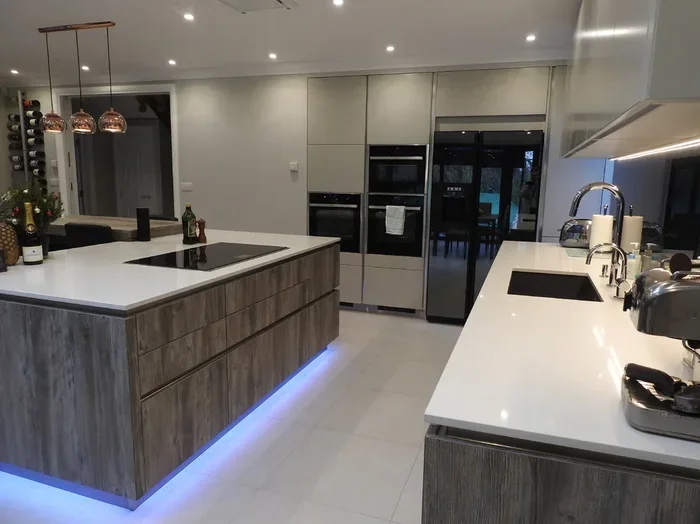
Modern minimalist designs focus on clean lines and neutral colors. Flat-panel cabinets, handle-less drawers, and sleek countertops define this style. The color palette usually includes white, grey, and soft tones.
This style works well in apartments and modern homes. It creates a calm, uncluttered atmosphere that feels open and airy.
### Traditional Fitted Kitchens
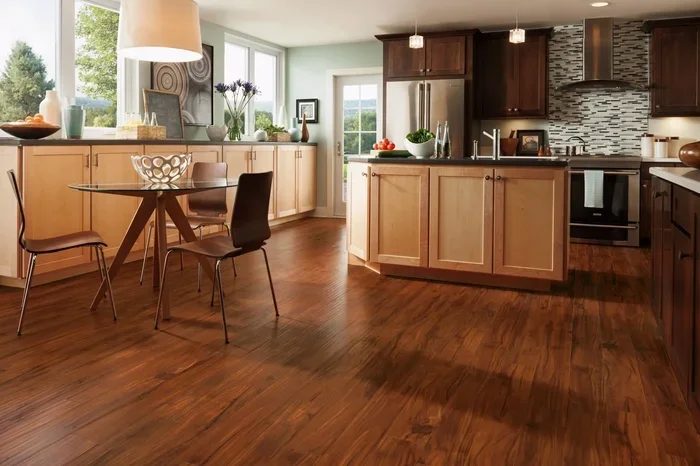
Traditional designs use classic materials like wood and stone. Raised panel cabinets, ornate handles, and warm tones give a timeless feel. This style suits older homes and cottage-style kitchens.
A traditional fitted kitchen often features detailed cabinetry and elegant hardware. It feels warm and inviting.
### Contemporary Fitted Kitchens
Contemporary design blends modern and traditional elements. It is more flexible and creative. You might see bold colors, mixed materials, or unique lighting fixtures.
This style appeals to homeowners who want something current but not overly minimalist. It allows for personal expression.
### Rustic Farmhouse Fitted Kitchens
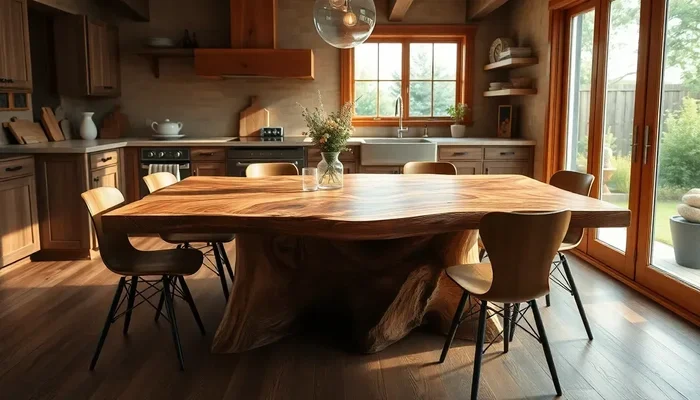
Rustic designs use natural materials like reclaimed wood and exposed brick. Open shelving, farmhouse sinks, and warm lighting add character. This style feels cozy and lived-in.
A farmhouse fitted kitchen often includes built-in breakfast bars and farmhouse-style cabinets. It is perfect for families who love a casual, welcoming feel.
## Planning Your Fitted Kitchen: Key Considerations
Before you start designing, there are several important factors to consider. Planning ahead saves time, money, and frustration.
### Measuring Your Space Accurately
Precise measurements are the foundation of any fitted kitchen. You need to measure the length, width, and height of your kitchen carefully. Include window and door placements, plumbing locations, and electrical outlets.
Even a small measurement error can cause major problems during installation. Consider hiring a professional for this step.
### Choosing the Right Layout
The layout determines how your kitchen flows. Here are the most common options:
- L-Shaped Layout: Cabinets along two adjacent walls. Great for small to medium kitchens.
- U-Shaped Layout: Cabinets along three walls. Offers lots of counter space and storage.
- Galley Layout: Cabinets on two parallel walls. Ideal for narrow kitchens.
- Island Layout: A central island added to an existing layout. Perfect for open-plan spaces.
Each layout has its strengths. Your choice depends on your kitchen size, shape, and lifestyle.
### Selecting Materials and Finishes
The materials you choose define the look and durability of your fitted kitchen. Here are the most common options:
– Wood: Classic and warm. Requires regular maintenance.
– Laminate: Affordable and easy to clean. Available in many styles.
– Quartz: Durable and non-porous. Resists stains and scratches.
– Granite: Natural stone with unique patterns. Very long-lasting.
– MDF: Budget-friendly and smooth-finished. Good for painted cabinets.
Each material has pros and cons. Your budget and style preference will guide the choice.
### Budgeting for Your Fitted Kitchen
A fitted kitchen is an investment. Costs vary widely based on materials, size, and complexity. Here is a rough breakdown:
- Basic fitted kitchen: $5,000 – $10,000
- Mid-range fitted kitchen: $10,000 – $25,000
- Premium fitted kitchen: $25,000 – $50,000+
These estimates include cabinetry, countertops, and installation. Appliances and lighting may be extra. Always set aside 10-15% for unexpected costs.
## Step-by-Step Process to Install a Fitted Kitchen
Installing a fitted kitchen is a multi-step process. Understanding each stage helps you stay organized and informed.
### Step 1: Design and Consultation
Start by meeting with a kitchen designer. They will discuss your needs, style preferences, and budget. The designer creates a detailed plan with 3D visualizations.
During this stage, you can explore ideas like built-in breakfast bars or custom pantry solutions. This is also a great time to discuss how you use your kitchen daily.
### Step 2: Demolition and Preparation
If you are replacing an existing kitchen, the old units need to be removed. The walls, floor, and plumbing may need adjustments. This step sets the stage for proper installation.
### Step 3: Cabinet Installation
The base and wall cabinets are installed first. These form the structural backbone of your fitted kitchen. Each unit is secured firmly to the walls and floor.
Precision is critical here. Even small misalignments can affect the entire look.
### Step 4: Countertop and Sink Installation
Once the cabinets are in place, countertops are fitted. The sink is cut into the countertop and connected to plumbing. This step brings your kitchen closer to its finished look.
### Step 5: Appliance and Fixture Fitting
Ovens, dishwashers, and refrigerators are installed next. Handles, knobs, and lighting fixtures are added. Every detail is checked for proper function.
### Step 6: Final Inspection and Finishing
The last step is a thorough inspection. The installer checks all doors, drawers, and appliances. Any adjustments are made before you move in.
## Quick Tips for Getting the Most Out of Your Fitted Kitchen
- Plan for traffic flow. Leave enough space between counters and islands for comfortable movement.
- Use pull-out shelves. They make reaching items in deep cabinets much easier.
- Invest in good lighting. Under-cabinet lights brighten your workspace and add ambiance.
- Choose durable materials. Your kitchen takes a lot of wear and tear. Build it to last.
- Add a breakfast bar. It creates a casual dining area and extra prep space. Think of how Greek Salad In A Jar pairs perfectly with a morning coffee at your new kitchen bar.
- Consider future needs. Design with flexibility so your kitchen works for years to come.
## Common Mistakes to Avoid When Designing a Fitted Kitchen
Even the best plans can go wrong. Here are common pitfalls to watch out for.
### Skipping the Planning Phase
Rushing into installation without proper planning leads to costly mistakes. Take time to design every detail. A thoughtful plan prevents expensive changes later.
### Ignoring Ventilation
Good ventilation keeps your kitchen fresh and safe. Do not overlook range hoods and airflow. A fitted kitchen should feel comfortable, not stuffy.
### Overloading on Trends
Trends come and go. Choose a timeless design that you will still love in ten years. A fitted kitchen is a long-term investment. Stick with classic choices for major elements like cabinet style and countertop material.
### Underestimating Storage Needs
It is easy to underestimate how much storage you actually need. Plan for more than you think you will use. A well-designed fitted kitchen includes plenty of drawers, shelves, and pantry space.
### Choosing Style Over Function
Beautiful cabinets mean nothing if they are hard to use. Prioritize function alongside aesthetics. A kitchen that looks great but feels impractical will frustrate you every day.
## Expert Insights on Fitted Kitchen Design
Interior designers agree that a fitted kitchen is one of the most impactful home improvements. According to design professionals, the key to a successful fitted kitchen lies in balancing form and function.
“Every element should serve a purpose,” says kitchen designer Sarah Mitchell. “The best fitted kitchens feel effortless because every detail has been carefully considered.”
Another expert, James Rivera, emphasizes the importance of workflow. “The kitchen triangle — the relationship between the stove, sink, and fridge — is still the gold standard. A fitted kitchen should enhance this natural flow.”
## How a Fitted Kitchen Compares to Other Kitchen Types
Understanding how a fitted kitchen compares to other options helps you make a confident decision.
| Feature | Fitted Kitchen | Freestanding Kitchen | Semi-Fitted Kitchen |
|—|—|—|—|
| Customization | High | Low | Medium |
| Space Efficiency | Excellent | Moderate | Good |
| Cost | Higher | Lower | Moderate |
| Installation | Professional | DIY-friendly | Mixed |
| Durability | Very High | Moderate | Good |
| Aesthetic Appeal | Seamless | Varied | Balanced |
| Storage | Maximum | Limited | Good |
As you can see, a fitted kitchen leads in most categories. The higher cost is justified by the superior design and longevity.
## The Long-Term Benefits of a Fitted Kitchen
Investing in a fitted kitchen pays off in many ways over the years. The initial cost is higher than a freestanding setup, but the returns are significant.
– Durability: Built-in units last longer and withstand daily use better.
– Easy Maintenance: Seamless designs are easier to clean and keep tidy.
– Energy Efficiency: Integrated appliances often run more efficiently.
– Adaptability: A well-designed fitted kitchen can be updated with new hardware or finishes without a full renovation.
Homeowners who invest in a fitted kitchen consistently report higher satisfaction with their living spaces. It is one improvement that truly transforms daily life.
## Frequently Asked Questions About Fitted Kitchens
What is the difference between a fitted kitchen and a modular kitchen?
A fitted kitchen is custom-built for your specific space, while a modular kitchen uses pre-made units that are assembled on site. Fitted kitchens offer a more personalized fit, but modular kitchens can be more affordable and quicker to install.
How long does it take to install a fitted kitchen?
Installation typically takes between two to four weeks, depending on the complexity of the design and the size of the kitchen. Planning and design can add several more weeks before work begins.
Is a fitted kitchen more expensive than a standard kitchen?
Yes, a fitted kitchen generally costs more upfront because of custom design and professional installation. However, the long-term value, durability, and increased property value often make it a worthwhile investment.
Can I install a fitted kitchen myself?
While it is possible, professional installation is strongly recommended. Custom cabinetry requires precise measurements and specialized tools. A professional ensures everything fits perfectly and functions correctly.
What materials work best for fitted kitchen cabinets?
Wood, MDF, and laminate are the most popular choices. Wood offers a classic look and durability. MDF is budget-friendly and smooth. Laminate is affordable and easy to maintain. Your choice depends on your style preferences and budget.
How do I maintain a fitted kitchen?
Regular cleaning with gentle products keeps your fitted kitchen looking its best. Avoid abrasive cleaners on natural stone surfaces. Check cabinet hinges and drawer slides periodically and tighten them as needed. A little maintenance goes a long way in preserving the beauty and function of your kitchen.
## Conclusion
A fitted kitchen is more than just a design choice. It is a transformation. From maximizing your space to boosting your home’s value, the benefits are clear and lasting. Whether you prefer a sleek modern look or a warm traditional style, a fitted kitchen can be tailored to match your vision perfectly.
The key is thoughtful planning, quality materials, and professional execution. Take the time to design a kitchen that works for your daily life. When you step into your new fitted kitchen every morning, you will know that every detail was worth it.
Start planning today, and watch your home become the space you have always dreamed of.
Key Takeaways
- Custom Fit: A fitted kitchen is designed specifically for your space, leaving no gaps or wasted areas.
- Maximum Storage: Built-in cabinets and drawers help you organize everything efficiently.
- Boosts Home Value: A well-designed fitted kitchen increases property appeal and resale value.
- Endless Design Options: You can choose from modern, traditional, and minimalist styles.
- Cost-Effective Long Term: Though the upfront cost is higher, durability and functionality save money over time.
- Professional Planning Matters: Working with a designer ensures optimal layout and material choices.
- Transforms Your Space: A fitted kitchen changes how your entire home feels and functions.
Frequently Asked Questions
What is what is a fitted kitchen?
what is a fitted kitchen is an important topic with many practical applications.