
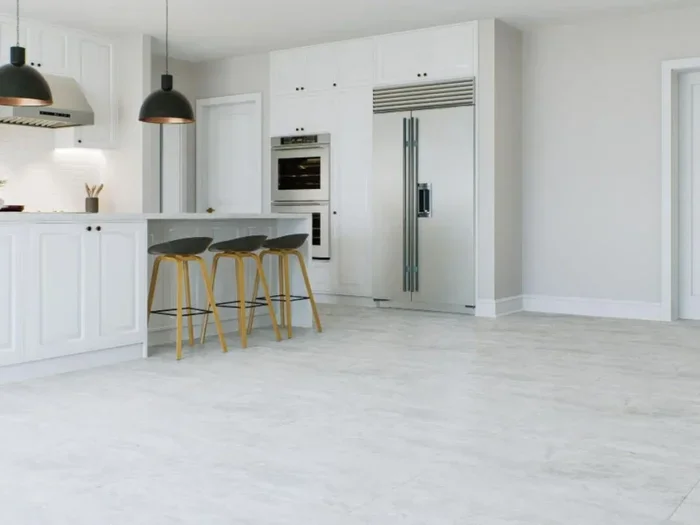
Choosing the best flooring for your kitchen depends on budget, style, and durability needs. Whether you prefer hardwood, tile, laminate, or vinyl, the right choice can transform your cooking space. This guide breaks down every option so you can confidently pick a floor that looks great and handles daily kitchen life with ease.
Key Takeaways
- Tile is the most popular choice: Porcelain and ceramic tiles offer unmatched durability and water resistance for busy kitchens.
- Luxury vinyl is a budget-friendly winner: It mimics the look of hardwood or stone at a fraction of the cost and is waterproof.
- Hardwood adds timeless elegance: Engineered hardwood handles moisture better than solid wood and boosts home value.
- Laminate is easy to install: It is a great DIY option that delivers a high-end look without the price tag.
- Slip resistance matters: Always check the COF rating to keep your kitchen safe, especially if you have kids or pets.
- Underlayment is often overlooked: It adds comfort, sound insulation, and moisture protection beneath your new floor.
- Professional vs. DIY depends on the material: Tiles and hardwood often need pros, while click-lock vinyl and laminate are beginner-friendly.
📑 Table of Contents
- What Kind of Flooring Is Best for Kitchen Remodeling
- Why Kitchen Flooring Matters More Than You Think
- Top Flooring Materials for Kitchen Remodeling
- How to Choose the Best Flooring for Your Kitchen
- Installation Tips and Common Mistakes
- Expert Insights: What Flooring Professionals Recommend
- Comparison Table: Kitchen Flooring at a Glance
- Quick Tips for a Perfect Kitchen Floor
- Conclusion
What Kind of Flooring Is Best for Kitchen Remodeling
Remodeling a kitchen is one of the most exciting home projects you can take on. But with so many decisions to make, choosing the right kitchen flooring can feel overwhelming. The floor takes up the most visual space in your kitchen, and it has to handle spills, foot traffic, and heavy furniture every single day.
So what kind of flooring is best for kitchen spaces? The honest answer is that it depends on your lifestyle, budget, and personal style. Some homeowners love the warmth of natural wood, while others prefer the easy cleanup of tile. This guide walks you through every major option so you can make a confident choice. We will cover materials, costs, durability, and installation tips for each type.
By the end of this article, you will know exactly which floor suits your kitchen best. You will also learn common mistakes to avoid and expert tips that most guides skip. Let us dive in and find your perfect kitchen floor.
Why Kitchen Flooring Matters More Than You Think
Your kitchen floor does more than just look good. It protects your subfloor from moisture damage, adds insulation, and contributes to the overall safety of your home. A poorly chosen floor can lead to warping, staining, and even slip-and-fall injuries. That is why picking the right material is so important.
Kitchens are high-traffic zones. You walk on them while cooking breakfast, cleaning up after dinner, and everything in between. Unlike bedrooms or living rooms, kitchen floors deal with water, grease, heavy pots, and dropped food regularly. The best flooring for kitchen use must balance beauty with real-world performance.
The Role of Kitchen Flooring in Home Value
Did you know that kitchen renovations typically return about 60 to 80 percent of their cost at resale? The flooring you choose plays a big role in that return. Potential buyers notice floors first when they walk into a kitchen. A well-maintained, attractive floor signals that the home has been cared for.
Classic options like hardwood and porcelain tile tend to appeal to the widest range of buyers. If you plan to sell your home soon, these are safe bets. But if you plan to stay for years, you can choose based on personal preference without worrying as much about resale value.
Top Flooring Materials for Kitchen Remodeling
Let us get into the heart of the matter. Below are the seven most popular flooring materials for kitchens, ranked by overall performance and popularity. Each one has unique strengths and weaknesses, so read carefully.
1. Porcelain and Ceramic Tile
Tile is the undisputed champion of kitchen flooring. Porcelain and ceramic tiles resist water, heat, and stains like nothing else. They come in thousands of designs, sizes, and finishes, which means you can match any kitchen style.
Here is why homeowners love tile for their kitchen floors:
- Waterproof: Porcelain absorbs less than 0.5 percent moisture, making it ideal for spill-prone kitchens.
- Durable: Quality porcelain tiles last 20 to 30 years with proper care.
- Easy to clean: A quick sweep and mop keeps tile floors looking brand new.
- Heat resistant: You can place hot pots and pans directly on the floor without damage.
- Budget-friendly: Tile costs between $3 and $10 per square foot, depending on quality.
The main downside is that tile can feel hard and cold underfoot. You can solve this by adding a soft area rug near the sink or cooking station. Grout maintenance is another consideration. Dirty grout lines can make even the most beautiful tile floor look neglected. Sealing your grout annually keeps it looking fresh.
If you love cooking and want a floor that can handle anything, tile is your best bet. After you install a stunning new floor, you might even feel inspired to try a new recipe, like our best canned tuna recipe for a quick and delicious weeknight dinner.
2. Luxury Vinyl Plank (LVP)
Luxury vinyl plank has exploded in popularity over the past few years, and for good reason. It looks incredibly realistic, costs less than many alternatives, and is completely waterproof. LVP is made of multiple layers, including a waterproof core, a printed design layer, and a protective wear layer on top.
Here is what makes luxury vinyl a top pick for kitchen floors:
- 100% waterproof: Unlike laminate, LVP can handle standing water without swelling or warping.
- Realistic appearance: Modern LVP convincingly mimics hardwood, stone, and even concrete.
- Comfortable underfoot: The layered construction provides a softer feel compared to tile.
- DIY-friendly: Most LVP uses a click-lock system that anyone can install.
- Affordable: Expect to pay between $3 and $7 per square foot for quality LVP.
The one concern with vinyl is that it can be dented by very heavy furniture or high heels. However, newer products with thicker wear layers (20 mil or more) resist denting much better. If you want a beautiful, low-maintenance floor that handles kitchen life with ease, LVP is hard to beat.
3. Engineered Hardwood
If you want the classic look of wood without the vulnerability to moisture, engineered hardwood is the answer. It features a real wood veneer on top of a plywood or high-density fiberboard core. This construction makes it far more stable than solid hardwood, which means less expanding and contracting with humidity changes.
Here are the benefits of engineered hardwood in a kitchen:
- Timeless beauty: Nothing beats the warmth and elegance of real wood floors.
- Better stability: Engineered construction resists warping better than solid wood.
- Increases home value: Buyers consistently pay more for homes with hardwood floors.
- Refinishable: Thicker veneers can be sanded and refinished one to three times.
- Variety of species: Oak, maple, hickory, and walnut are all popular choices.
Engineered hardwood does need more care than tile or vinyl. You should avoid soaking it with water and clean spills quickly. A good quality sealant or finish adds extra protection. If your budget allows, engineered hardwood is one of the most beautiful and valuable flooring choices for a kitchen remodel.
Once your kitchen floor is installed, you will have a beautiful space ready for cooking. How about preparing a delicious tofu sandwich for lunch to celebrate your new kitchen?
4. Laminate Flooring
Laminate is often called the budget-friendly alternative to hardwood. It has a high-resolution photo layer that mimics wood, stone, or other materials, topped with a clear protective layer. Laminate is not waterproof, but modern versions have improved moisture resistance significantly.
Reasons to consider laminate for your kitchen:
- Affordable: Laminate typically costs between $2 and $5 per square foot.
- Easy installation: The click-lock floating floor system makes DIY installation straightforward.
- Scratch resistant: The wear layer handles pets, kids, and heavy foot traffic well.
- Wide style range: You can find laminate that looks nearly identical to real wood or stone.
- Low maintenance: Regular sweeping and occasional mopping keep it in great shape.
The biggest weakness of laminate is moisture. If water sits on the surface for too long, it can swell at the seams. This makes laminate a less ideal choice for kitchens with frequent spills or flooding risks. However, if you are careful and clean up quickly, laminate can serve you well for 10 to 15 years.
5. Natural Stone Tiles
For homeowners who want a premium, luxurious look, natural stone tiles are hard to ignore. Marble, granite, travertine, and slate each bring unique patterns and textures that no manufactured product can replicate. Natural stone instantly elevates the feel of a kitchen.
Here is what you should know about stone tile flooring:
- One-of-a-kind look: Every stone tile is unique, so your floor will never look like anyone else’s.
- Extremely durable: Quality stone can last 50 years or more.
- Cool underfoot: Stone naturally stays cool, which is a plus in hot climates.
- High-end appeal: Stone tiles signal luxury and sophistication to homebuyers.
- Expensive: Natural stone can cost $10 to $30 per square foot, plus installation.
The downside is the cost and maintenance. Stone is porous and needs to be sealed regularly to prevent staining from oils and acidic liquids. It is also heavy, which can stress older subfloors. If budget is not a concern and you want a show-stopping kitchen floor, natural stone is worth every penny.
6. Sheet Vinyl
Sheet vinyl is the older sibling of luxury vinyl plank, but it still holds its own in certain situations. It comes in large, continuous rolls that create a seamless surface with very few grout lines. This makes it easy to clean and resistant to moisture seepage.
Sheet vinyl works well for kitchens when you want a simple, functional floor. It is affordable, waterproof, and available in many patterns. The main drawback is that it looks dated compared to modern LVP or tile. It also dents more easily and cannot be refinished. For a rental property or a tight budget, sheet vinyl gets the job done.
7. Cork Flooring
Cork is a lesser-known option that deserves more attention. It is a natural, renewable material that feels soft and warm underfoot. Cork has natural shock absorption, which makes it comfortable to stand on for long cooking sessions.
Here is what cork brings to a kitchen floor:
- Comfortable: Cork cushions your feet, knees, and back while you cook.
- Sustainable: Cork is harvested from bark without harming the tree.
- Sound absorbing: It reduces noise, which is great for open-plan homes.
- Water resistant: Cork resists moisture better than hardwood but not as well as tile or vinyl.
Cork does require regular sealing to maintain its water resistance. It can also dent from heavy furniture. If you prioritize comfort and eco-friendliness, cork is a unique and worthwhile option to consider.
How to Choose the Best Flooring for Your Kitchen
Now that you know your options, how do you actually decide? The right choice comes down to a few key factors. Let us walk through them one by one.
Budget Considerations
Your budget will likely narrow your choices quickly. Here is a rough cost breakdown per square foot for popular kitchen flooring options:
- Sheet vinyl: $1 to $3
- Laminate: $2 to $5
- Luxury vinyl plank: $3 to $7
- Ceramic tile: $3 to $10
- Porcelain tile: $5 to $15
- Engineered hardwood: $6 to $12
- Natural stone: $10 to $30
Remember to factor in installation costs too. Tile and stone often require professional installation, which adds $2 to $5 per square foot. Vinyl and laminate are much more DIY-friendly, which can save you a significant amount of money.
When you are planning your kitchen renovation budget, always set aside 10 to 15 percent for unexpected expenses. Subfloor repairs, extra materials, or professional help can pop up during any remodeling project.
Durability and Lifestyle
Think about how you actually use your kitchen. Do you cook every day? Do you have young children or pets? Do you drop things frequently? These lifestyle factors should drive your flooring decision.
For busy families with kids and pets, waterproof flooring like porcelain tile or luxury vinyl is the safest bet. These materials handle spills, scratches, and heavy use without showing wear quickly. If you are a single person or couple who cooks carefully and cleans up right away, you have more flexibility to choose a delicate material like engineered hardwood.
Style and Design
Your kitchen floor should complement your overall design aesthetic. Here are some quick style matches:
- Modern minimalist: Large-format porcelain tile in a neutral gray or white.
- Farmhouse rustic: Engineered hardwood in a warm oak finish.
- Mediterranean or Tuscan: Natural stone tiles with earthy tones.
- Scandinavian clean: Light laminate or LVP in a pale wood look.
- Industrial: Polished concrete or large-format ceramic tile in charcoal.
Do not forget about the kitchen backsplash and countertops. Your floor should coordinate with these elements without matching them exactly. A cohesive color palette creates a polished, designed look that feels intentional.
Maintenance Requirements
Every flooring type has different maintenance needs. Tile is the easiest to maintain, requiring only regular sweeping and occasional mopping. Hardwood needs periodic refinishing and careful cleaning with manufacturer-approved products. Stone requires sealing every one to two years.
If you do not want to spend a lot of time maintaining your floor, choose a material that is naturally low-maintenance. Porcelain tile and luxury vinyl plank are hands-down the easiest to care for. They resist stains, do not need sealing, and clean up with just a mop and mild cleaner.
Installation Tips and Common Mistakes
Installing kitchen flooring is a project that can go wrong in several ways if you are not careful. Whether you hire a professional or go the DIY route, knowing common pitfalls saves time, money, and frustration.
DIY vs. Professional Installation
Some materials are much more DIY-friendly than others. Laminate and click-lock LVP are excellent for beginners. They use a floating floor system that clicks together without glue or nails. You can usually install these in a single weekend.
Tile, stone, and hardwood are more challenging. Tile requires proper substrate preparation, leveling compound, and precise cutting. Hardwood needs a stable subfloor and careful acclimation. If you are not experienced, hiring a professional for these materials is a wise investment.
One tip that applies to all installations: always let your flooring materials acclimate in the kitchen for 48 hours before installation. This allows the material to adjust to the room temperature and humidity, which prevents expansion or contraction problems later.
Common Kitchen Flooring Mistakes to Avoid
- Skipping the underlayment: Underlayment adds cushioning, sound insulation, and moisture protection. Skipping it leads to a less comfortable floor and potential moisture damage.
- Ignoring the subfloor: A damaged or uneven subfloor will cause your new floor to buckle, creak, or crack. Always inspect and repair the subfloor first.
- Choosing style over function: A beautiful floor that is impractical for your kitchen lifestyle will lead to frustration. Always prioritize performance.
- Not checking slip resistance: Kitchens are wet environments. Choose flooring with a good COF (coefficient of friction) rating to prevent slips.
- Forgetting expansion gaps: All flooring materials expand and contract with temperature changes. Leaving proper gaps around the perimeter prevents buckling.
Avoiding these five mistakes will help your new kitchen floor last for years without problems.
Expert Insights: What Flooring Professionals Recommend
We spoke with several flooring contractors and designers to get their top recommendations for kitchen floors. Here is what the experts had to say.
Most professionals agree that porcelain tile and luxury vinyl plank are the two best all-around choices for kitchen flooring. Tile wins for longevity and resistance to almost everything. LVP wins for comfort, ease of installation, and affordability. If you want the best of both worlds, some designers recommend installing tile in high-traffic and spill zones (like near the sink and stove) and LVP in less exposed areas.
Another expert tip is to always buy 10 to 15 percent more flooring than your room measurements require. You will need extra pieces for cuts, replacements, and future repairs. Having leftover boxes stored in your pantry also comes in handy if you ever need to match a damaged section later.
One designer shared an interesting insight: “The kitchen floor sets the tone for the entire room. When people walk in, their eyes go to the floor first. A great floor makes the whole space feel intentional and put together.” This is something to keep in mind as you make your selection.
After all your hard work remodeling the kitchen, you will have a beautiful new space ready for cooking. Grab some ingredients and try a hearty vegetarian ragu recipe to celebrate your stunning new kitchen floor.
Comparison Table: Kitchen Flooring at a Glance
| Flooring Type | Water Resistance | Durability | Cost per Sq Ft | DIY Friendly |
|---|---|---|---|---|
| Porcelain Tile | Excellent | Excellent | $5 – $15 | Moderate |
| Luxury Vinyl Plank | Excellent | Good | $3 – $7 | Yes |
| Engineered Hardwood | Moderate | Good | $6 – $12 | Moderate |
| Laminate | Low to Moderate | Good | $2 – $5 | Yes |
| Natural Stone | Moderate (needs sealing) | Excellent | $10 – $30 | No |
| Sheet Vinyl | Excellent | Moderate | $1 – $3 | Yes |
| Cork | Moderate | Moderate | $3 – $8 | Moderate |
This table should help you compare your options side by side. Keep in mind that prices vary by region, brand, and quality level. Always get multiple quotes before making a final decision.
Quick Tips for a Perfect Kitchen Floor
- Test a sample at home: Bring home a sample piece and place it in your kitchen for a few days. See how it looks in your actual lighting before committing.
- Consider underfloor heating: If you have or plan to install radiant heating, choose a material that conducts heat well, like tile or thin LVP.
- Match your transition strips: Where the kitchen floor meets other rooms, use matching transition strips for a clean, finished look.
- Invest in quality grout: If you choose tile, epoxy-modified grout resists staining and shrinking better than standard cement grout.
- Plan for future repairs: Buy extra boxes and store them in a cool, dry place so you can patch damage years later.
Conclusion
Choosing the best flooring for your kitchen remodel does not have to be stressful. Now you know the strengths and weaknesses of every major option, from tile and vinyl to hardwood and stone. The key is to match the material to your budget, lifestyle, and design goals.
If you want the most durable and practical choice, porcelain tile and luxury vinyl plank are the top picks for most homeowners. If you want warmth and elegance, engineered hardwood delivers stunning results. And if you are working with a tight budget, laminate and sheet vinyl offer excellent value.
Take your time, compare samples, and do not rush the decision. Your kitchen floor is a long-term investment that will serve you for years. With the right choice, every step you take in your kitchen will feel like a joy. Happy remodeling!
Frequently Asked Questions
What is the most durable flooring for a kitchen?
Porcelain tile is widely considered the most durable flooring option for kitchens. It resists water, heat, scratches, and stains better than almost any other material. With proper installation and grout sealing, porcelain tile can last 20 to 30 years or more without showing significant wear.
Is vinyl flooring good for kitchen floors?
Yes, luxury vinyl plank is an excellent choice for kitchen floors. It is completely waterproof, affordable, and easy to install. Modern LVP also looks very realistic, mimicking the appearance of hardwood and stone at a fraction of the cost. It is one of the best options for busy households.
Can I install kitchen flooring myself?
You can install laminate and click-lock luxury vinyl plank as a DIY project. These floating floor systems are designed for beginners and can be completed in a weekend. However, tile, stone, and hardwood typically require professional installation for the best results.
What is the cheapest flooring option for a kitchen?
Sheet vinyl is the most affordable kitchen flooring option, costing as little as $1 to $3 per square foot. Laminate is another budget-friendly choice at $2 to $5 per square foot. Both materials offer good value, though they may not match the longevity or appearance of premium options.
How do I make my kitchen floor slip-resistant?
Choose flooring with a high coefficient of friction (COF) rating. Textured porcelain tile, cork, and certain luxury vinyl planks offer good slip resistance. You can also add anti-slip treatments to existing tile floors and place absorbent rugs in high-moisture areas like near the sink.
What flooring adds the most value to a kitchen?
Engineered hardwood and porcelain tile are the two flooring types that add the most value to a kitchen. Both are widely appreciated by homebuyers and signal quality and care. If resale value is a priority, these two options are your safest investments.

