
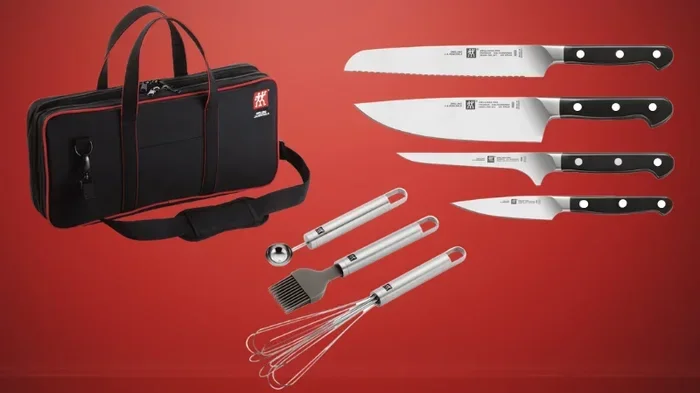
So what knives do they use on Hell’s Kitchen? The chefs on the show rely on premium brands like Wüsthof and Henckels, with the chef’s knife being the star of the kitchen. Whether you’re a home cook or an aspiring chef, understanding these knife choices can level up your own cooking game. The Hell’s Kitchen kitchen setup mirrors professional restaurant standards, and the knives chosen for the show reflect that commitment to quality. Let’s dive into the full breakdown.
Key Takeaways
- Wüsthof and Henckels dominate: These are the two most common knife brands seen on the show.
- The chef’s knife is essential: Almost every chef on Hell’s Kitchen carries a high-quality chef’s knife as their go-to tool.
- Knife care matters just as much as the knife itself: Sharpening and maintenance routines are a big part of the show’s kitchen culture.
- Different knives serve different purposes: From paring knives to bread knives, the Hell’s Kitchen chefs use a full range of blade types.
- You can replicate the setup at home: You don’t need a professional kitchen to own the same quality knives used on the show.
- Japanese and German steel are both represented: The show features a mix of knife-making traditions from around the world.
📑 Table of Contents
The Knives Behind the Hell’s Kitchen Legend
Every great chef needs great tools. And when it comes to what knives do they use on Hell’s Kitchen, the answer tells a story about professional cooking standards. The show has been running for decades, and the kitchen equipment has always reflected top-tier quality.
Hell’s Kitchen is not just a cooking competition. It’s a window into how professional kitchens operate. The knives visible on the show are not random props. They are carefully selected tools that working chefs trust every single day. When you watch the contestants chop, dice, and slice their way through challenges, you are seeing real culinary technique backed by real professional gear.
The knives on Hell’s Kitchen have become a topic of interest among home cooks and food enthusiasts. People want to know what makes these tools special and whether they can use the same ones in their own kitchens. The good news is that most of these knives are widely available and affordable for everyday cooks.
Understanding the knife choices on the show gives you insight into what professional kitchens value. It also helps you make better buying decisions for your own kitchen. Let’s break down everything you need to know.
Whether you’re dreaming of running your own restaurant or just want to improve your home cooking, the Hell’s Kitchen knife setup is a great place to start. The show’s chefs use their knives for everything from simple Beans On Toast prep to elaborate multi-course dishes under intense pressure.
Top Knife Brands Used on the Show
When we talk about what knives do they use on Hell’s Kitchen, brand names come up fast. The two brands that appear most frequently are Wüsthof and Henckels. Both are German-made and known for their durability and precision.
Wüsthof Knives
Wüsthof is a household name in professional kitchens. The brand has been making knives since 1814 in Solingen, Germany. On Hell’s Kitchen, you’ll often see the Wüsthof Classic series. These knives feature full tang construction, which means the blade runs the entire length of the handle. This design offers excellent balance and strength.
Wüsthof knives are known for their razor-sharp edges right out of the box. The steel used in their blades holds an edge well, which means less frequent sharpening. For a high-pressure environment like Hell’s Kitchen, that reliability is everything.
Henckels Knives
Zwilling J.A. Henckels is another German powerhouse. This brand has been producing knives since 1731. On the show, you’ll notice Henckels knives frequently in the hands of contestants. The Henckels Professional S series is a popular choice among the chefs.
Henckels knives are slightly lighter than Wüsthof in many models. They still offer excellent build quality and sharpness. Some chefs on the show prefer the feel of Henckels handles, which are ergonomically designed for long hours of use.
Other Brands That Appear
While Wüsthof and Henckels are the stars, you’ll occasionally spot other brands on the show. MAC knives, a Japanese brand, have made appearances. Shun knives, another Japanese favorite, have also been spotted. These brands bring a different blade philosophy to the table.
Japanese knives tend to be harder and thinner than their German counterparts. They excel at precision cuts and delicate work. German knives, on the other hand, are tougher and better suited for heavy-duty tasks. The Hell’s Kitchen knife collection includes both traditions, giving chefs the best of both worlds.
Types of Knives Chefs Reach For on Hell’s Kitchen
The knives on Hell’s Kitchen aren’t just one type. The chefs use a variety of blades for different tasks. Understanding these types helps you build a well-rounded kitchen knife collection.
The Chef’s Knife
The chef’s knife is the workhorse of any kitchen. It’s the first knife a Hell’s Kitchen contestant reaches for. This versatile blade handles chopping, slicing, dicing, and mincing with ease. On the show, you’ll see chef’s knives in the 8 to 10-inch range.
A quality chef’s knife like the Wüsthof Classic 8-inch or the Henckels Professional 8-inch can handle almost any kitchen task. The broad blade allows for a rocking motion that makes quick work of vegetables and herbs.
The Paring Knife
For smaller, more detailed work, the paring knife comes into play. This short, nimble blade is perfect for peeling, trimming, and intricate cuts. Hell’s Kitchen chefs use paring knives when they need precision that a larger blade can’t provide.
The Bread Knife
The serrated bread knife is essential for slicing through loaves without crushing them. On the show, bread knife tasks come up during dinner service challenges. A sharp serrated edge glides through crusty bread cleanly, which matters when presentation counts.
The Utility Knife
The utility knife fills the gap between a chef’s knife and a paring knife. It’s a mid-size blade that handles medium-sized tasks with ease. Some Hell’s Kitchen chefs keep a utility knife in their station for quick, everyday cuts.
The Boning Knife
When meat is on the menu, the boning knife takes center stage. This flexible, narrow blade is designed to separate meat from bone with precision. Hell’s Kitchen challenges often feature protein-heavy tasks where a sharp boning knife is indispensable.
How the Chefs Keep Their Knives Sharp
Having a great knife isn’t enough. Keeping it sharp is just as important. On Hell’s Kitchen, knife maintenance is taken seriously. Dull knives are dangerous knives, and the show’s chefs know this all too well.
Sharpening Stones
Many professional chefs on the show use sharpening stones, also called whetstones. These stones grind the blade at the correct angle to restore a sharp edge. A typical routine involves using a coarse stone followed by a fine stone for a polished finish.
Honing Rods
Between sharpenings, honing rods keep knives in top shape. A honing rod doesn’t actually remove metal. Instead, it straightens the blade’s edge. Hell’s Kitchen chefs often hone their knives before each service to maintain peak performance.
Knife Steels and Maintenance Tips
Here are some quick tips for keeping your knives sharp at home:
- Hone before every use. This takes just a few seconds and makes a big difference.
- Sharpen every few months. Depending on usage, a professional sharpening session every 3 to 6 months works well.
- Never leave knives in a sink. Hot water and soap can damage handles and dull blades.
- Use a cutting board. Never cut on glass, marble, or granite surfaces. Wood or plastic boards protect the blade.
- Store knives properly. Use a knife block, magnetic strip, or blade guards. Never toss loose knives into a drawer.
Proper maintenance extends the life of your knives significantly. A well-cared-for Wüsthof or Henckels knife can last a lifetime. The Hell’s Kitchen chefs treat their blades with respect, and you should too.
What You Can Learn from Hell’s Kitchen Knife Choices
The Hell’s Kitchen kitchen setup offers valuable lessons for home cooks. You don’t need a professional-grade kitchen to apply these principles. Start with a quality chef’s knife and build from there.
Invest in Quality Over Quantity
Hell’s Kitchen chefs don’t carry dozens of knives. They have a few high-quality blades that they trust completely. A single excellent chef’s knife outperforms a drawer full of cheap alternatives. When building your collection, prioritize quality over quantity.
Choose the Right Knife for the Job
One of the biggest mistakes home cooks make is using the wrong knife. A chef’s knife isn’t ideal for peeling garlic. A paring knife isn’t great for slicing a butternut squash. Match the blade to the task, and you’ll get better results every time.
Keep It Simple
The beauty of the Hell’s Kitchen knife approach is its simplicity. A chef’s knife, a paring knife, and a bread knife cover 90 percent of home cooking tasks. You don’t need a massive knife block to cook like a pro.
Practice Your Knife Skills
The chefs on Hell’s Kitchen make everything look effortless because they’ve practiced thousands of times. You can improve your knife skills at home with simple exercises. Try slicing onions uniformly, dicing onions into tiny pieces, or chiffonading basil leaves. These drills build muscle memory and confidence.
If you’re looking for recipe inspiration to practice your new knife skills, check out this Creamy Beans On Toast recipe or try making Frozen Watermelon On A Stick for a fun, no-cook project that still benefits from good knife work.
Knife Safety on a Busy Kitchen Line
Hell’s Kitchen is fast-paced and high-pressure. Safety is always a priority, and proper knife handling is a big part of that. The chefs on the show demonstrate techniques that every cook should learn.
The Claw Grip
The claw grip is the foundation of safe knife work. You curl your fingertips under and use your knuckles as a guide for the blade. This technique keeps your fingers safe while giving you precise control over cuts.
Cutting Away from Your Body
Always cut away from yourself. This seems obvious, but it’s easy to forget in a rush. The Hell’s Kitchen chefs never cut toward their bodies, even under time pressure.
Keeping Your Station Clean
A cluttered station leads to accidents. The show’s chefs keep their workspace organized with clean cutting boards, clear surfaces, and proper storage for their kitchen knives. A tidy station is a safe station.
Final Thoughts on Hell’s Kitchen Knives
The answer to what knives do they use on Hell’s Kitchen comes down to quality, tradition, and practicality. Wüsthof and Henckels lead the pack, but the real secret is the commitment to using the right tool for each task. The chefs on the show treat their knives as extensions of their hands, and that mindset is something every cook can adopt.
Whether you’re a beginner or a seasoned home cook, the Hell’s Kitchen knife philosophy is simple: invest in good blades, take care of them, and practice your technique. You don’t need a television show kitchen to cook with confidence and precision.
Start with a solid chef’s knife, add a paring knife and a bread knife, and you’ll have the foundation that every Hell’s Kitchen contestant relies on. From there, let your cooking goals guide your next purchases. The world of professional kitchen knives is vast, but you only need a few great tools to elevate your cooking to the next level.
The next time you watch Hell’s Kitchen, pay attention to the knives. You’ll notice details you’ve never seen before. And who knows, you might just find your next favorite kitchen tool.
Frequently Asked Questions
What brand of knives does Gordon Ramsay use on Hell’s Kitchen?
Gordon Ramsay has been seen using Wüsthof knives on the show. Wüsthof is a premium German brand known for its sharpness and durability. Ramsay prefers knives that hold up under intense kitchen pressure, and Wüsthof delivers on that front.
Can I buy the same knives used on Hell’s Kitchen?
Absolutely. Most of the knives on the show are commercially available brands like Wüsthof and Henckels. You can purchase these knives online or at kitchen supply stores. You don’t need special access to get the same quality tools.
How often do Hell’s Kitchen chefs sharpen their knives?
The chefs on the show sharpen their knives regularly, typically every few weeks during filming. They also hone their knives daily before service. At home, sharpening every few months and honing before each use is a solid routine.
What is the most important knife for a home kitchen?
The chef’s knife is the most important knife for any home cook. It handles the majority of cutting tasks, from vegetables to herbs to proteins. A quality 8-inch chef’s knife like the Wüsthof Classic or Henckels Professional is a great starting point.
Are Japanese knives better than German knives?
Neither is better; they serve different purposes. Japanese knives are harder and thinner, making them ideal for precision cuts. German knives are tougher and better for heavy-duty work. Many professional kitchens, including those on Hell’s Kitchen, use both types.
How do I know which knife to buy for my kitchen?
Start with a chef’s knife and a paring knife. These two cover most cooking tasks. If you bake often, add a bread knife. Think about the types of food you cook most and build your collection from there. Quality matters more than quantity every time.
=== CONCLUSION ===
The knives on Hell’s Kitchen tell us a lot about what makes a professional kitchen tick. From the trusted brands to the specific blade types, every choice serves a purpose. The chefs on the show rely on Wüsthof, Henckels, and other premium brands to get the job done under the brightest lights and the toughest scrutiny.
Understanding what knives do they use on Hell’s Kitchen gives you practical knowledge you can apply right away. Invest in quality, maintain your blades, and practice your knife skills. These are the same principles that separate the pros from the amateurs, whether on television or in your own kitchen.
So the next time you step into your kitchen, pick up your chef’s knife with confidence. You now know what the best in the business trust, and you can bring that same standard to your own cooking. Your knives are only as good as the hands that use them, and with the right tools and the right technique, you’ll be cooking like a Hell’s Kitchen chef in no time.

