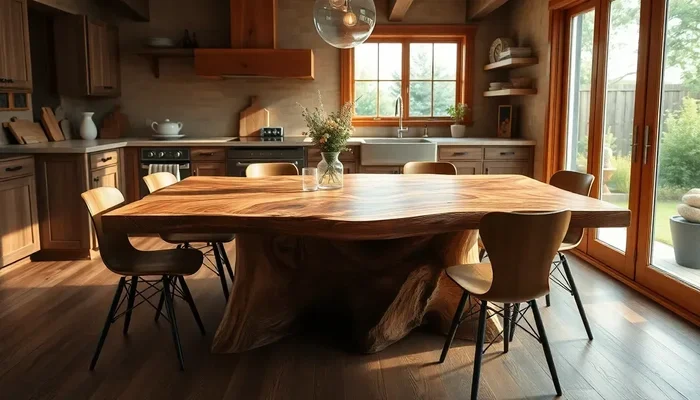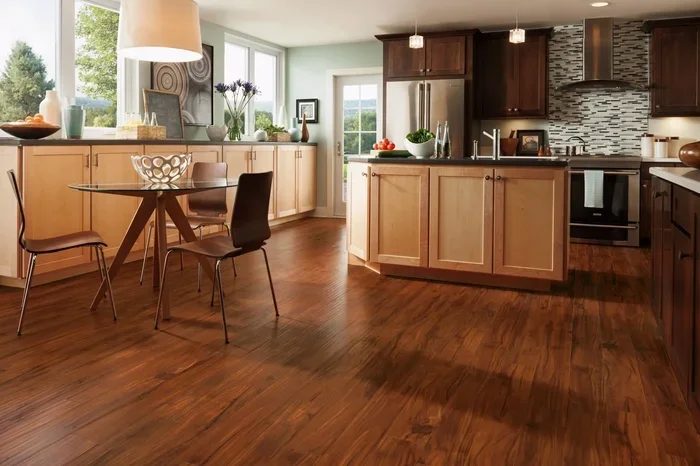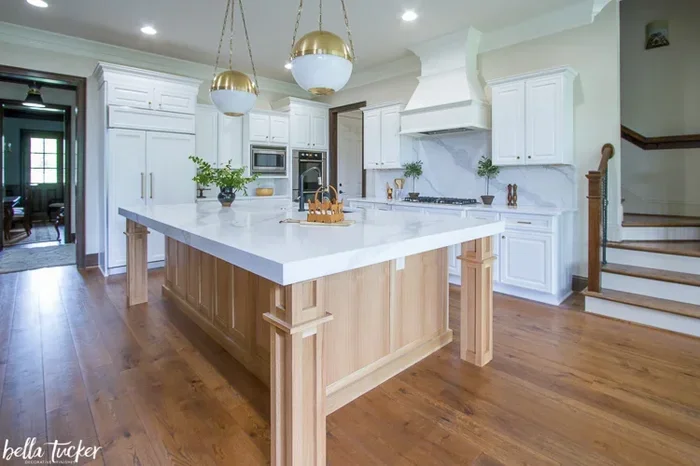
A white oak kitchen island brings warmth, durability, and timeless elegance to any home. This guide covers design ideas, material benefits, lighting tips, and layout inspiration to help you create the kitchen of your dreams. Whether you prefer a modern minimalist look or a rustic farmhouse feel, white oak adapts beautifully to every style.
Nothing beats the look and feel of a white oak kitchen island in the heart of your home. It is more than just a prep surface. It is a statement piece that ties your entire kitchen together. If you are planning a kitchen makeover or just dreaming about upgrades, this guide is for you.
White oak has become one of the most popular choices for kitchen islands. And it is easy to see why. The wood features a beautiful grain pattern, a warm golden tone, and incredible strength. It works in small galley kitchens and large open spaces alike. Whether your style is modern, farmhouse, or coastal, white oak fits right in.
In this article, we will walk you through everything you need to know. You will find design ideas, material benefits, lighting tips, and layout suggestions. We will also share practical advice on care and maintenance. By the end, you will have a clear vision of how to bring a white oak kitchen island into your home.
Key Takeaways
- Versatile Material: White oak complements both modern and traditional kitchen styles with its natural grain and warm tone.
- Durability and Strength: White oak is a hard, resilient wood that resists moisture and wear, making it ideal for high-use kitchen surfaces.
- Design Flexibility: From sleek minimalist islands to rustic farmhouse designs, white oak can be styled in countless ways.
- Lighting Matters: The right pendant lights and under-cabinet illumination elevate the look and function of your island.
- Proper Care Extends Life: Regular sealing and gentle cleaning keep your white oak island looking beautiful for decades.
- Open Layouts Work Best: Pairing your island with an open concept kitchen maximizes space and flow.
📑 Table of Contents
Why White Oak Is a Top Choice for Kitchen Islands
Wooden kitchen islands have been trending for years, but white oak stands out from the crowd. It offers a unique combination of beauty, strength, and versatility that few other materials can match. Let us break down why this wood is so beloved by homeowners and designers alike.
Natural Beauty and Grain
White oak has a distinctive grain that adds visual interest without being overwhelming. The rays and flecks in the wood create a subtle shimmer that catches the light beautifully. This natural pattern means no two islands look exactly the same. Each piece of wood tells its own story through the grain.
The warm, honey-gold color of white oak blends with almost any kitchen palette. It pairs well with white cabinets, dark granite countertops, and stainless steel appliances. You can also stain it darker or lighter to match your specific vision. This adaptability makes it a favorite among interior designers.
Durability and Hardness
White oak is a dense, hard wood. It rates high on the Janka hardness scale, which means it resists dents and scratches better than many softer woods. In a busy kitchen where people chop, knead, and place hot items down, durability matters a lot.
White oak also handles moisture better than most hardwoods. It is naturally resistant to water absorption, which helps prevent warping and swelling. This makes it a smart choice for kitchen environments where spills and humidity are part of daily life.
Longevity and Value
A well-built white oak kitchen island can last for decades. Unlike laminate or tile surfaces that may chip or stain, wood can be sanded, refinished, and renewed. This means your island ages gracefully rather than showing wear and tear.
From a home value perspective, a quality wood island adds perceived value to your kitchen. Buyers love the warmth and character that real wood brings. If you plan to sell your home someday, a white oak kitchen island can be a strong selling point.
Design Styles That Showcase White Oak
One of the best things about white oak is how well it works with different design styles. Let us explore some popular looks you can achieve with this beautiful wood.
Modern Minimalist
For a clean, modern look, pair your white oak island with simple lines and neutral colors. Think white walls, matte black hardware, and sleek pendant lights. A minimalist island keeps the wood grain as the star of the show. Avoid clutter and let the natural beauty of the wood speak for itself.
In an open concept kitchen, a minimalist white oak island creates a seamless flow between cooking, dining, and living areas. The warm wood tone softens the clean lines and adds inviting character. This style works especially well in contemporary homes with lots of natural light.
Farmhouse and Rustic
White oak is a natural fit for farmhouse-style kitchens. Combine it with shiplap walls, butcher block countertops, and vintage-inspired fixtures. The wood’s natural warmth enhances the cozy, welcoming feel of a farmhouse kitchen.
Consider adding a butcher block section to your island for extra prep space. This combination of white oak cabinetry and butcher block countertop creates a stunning focal point. You can find affordable options at a kitchen supplies sale to keep your budget in check.
Coastal and Scandinavian
If you love a light, airy feel, white oak works beautifully in coastal and Scandinavian designs. Pair it with pale blue or soft gray accents, white subway tile, and natural fiber textiles. The wood adds warmth without making the space feel heavy.
Scandinavian design emphasizes simplicity and functionality. A white oak kitchen island with clean storage and hidden compartments fits this philosophy perfectly. Keep the design uncluttered and let the wood’s natural elegance do the heavy lifting.
Sizing and Layout: Getting the Dimensions Right
The size of your island matters just as much as the material. A too-small island feels cramped, while a too-large one can overwhelm the space. Getting the dimensions right ensures your kitchen looks balanced and functions well.
Standard Island Dimensions
A typical kitchen island should be at least 42 inches wide for comfortable prep work. The standard length ranges from 6 to 10 feet, depending on your kitchen size. Allow at least 36 to 42 inches of clearance between the island and surrounding cabinets for easy movement.
For seating, plan for about 24 to 30 inches of width per person. This gives everyone enough elbow room without feeling crowded. If you are unsure about sizing, check out our guide on how to determine pendant size for kitchen island for helpful measurement tips.
Layout Options for Different Kitchen Sizes
Small kitchens benefit from a narrow, rectangular island. This preserves floor space while still adding valuable counter and storage area. A galley kitchen can handle a slim island along one wall if the other side has adequate clearance.
Large open kitchens can accommodate larger, L-shaped, or even peninsular islands. These bigger designs can incorporate seating, storage, and even a small sink or cooktop. The key is to maintain good traffic flow and keep the island proportional to the room.
Lighting Your White Oak Kitchen Island
Lighting can make or break the look of your kitchen island. The right fixtures highlight the wood grain, create ambiance, and improve functionality for cooking and dining. Let us explore the best lighting options for a white oak island.
Pendant Lights Over the Island
Pendant lights are the most popular choice for kitchen islands. They hang directly above the counter and provide focused task lighting. For white oak, consider fixtures in brass, matte black, or brushed nickel. These metals complement the warm tone of the wood without clashing.
Choose pendant lights that are proportional to your island length. A general rule is to allow about 12 inches of overhang per fixture. For a 6-foot island, two to three pendants work well. For more guidance on selecting the right size, read our article on how to determine pendant size for kitchen island.
Under-Cabinet and Recessed Lighting
In addition to pendants, under-cabinet lights add a soft glow that highlights your white oak cabinetry. LED strip lights work great for this purpose. They are energy-efficient and provide even illumination across the countertop.
Recessed ceiling lights also play an important role. They provide general ambient light and prevent dark spots in the kitchen. A combination of pendant lights, under-cabinet LEDs, and recessed fixtures creates a layered lighting design that looks professional and feels welcoming.
Finishes and Maintenance Tips
Protecting your white oak kitchen island ensures it stays beautiful for years. The right finish enhances the wood grain and provides a durable surface. Here is what you need to know about finishing and caring for your island.
Choosing the Right Finish
There are several finish options for white oak. Oil-based finishes penetrate deep into the wood and bring out the natural grain. They give the surface a warm, rich look that is easy to touch up if damaged. Polyurethane finishes create a harder, more protective surface but can look more plastic-like over time.
Many homeowners prefer a natural oil finish for white oak because it lets the wood breathe and age gracefully. Tung oil and Danish oil are popular choices. They require periodic reapplication but keep the wood looking fresh and nourished.
Daily Care and Cleaning
Taking care of your white oak island is simple. Wipe up spills promptly to prevent staining, especially from acidic liquids like lemon juice or vinegar. Use a soft cloth with mild soap and water for routine cleaning. Avoid harsh chemical cleaners that can strip the finish and dry out the wood.
Every few months, apply a thin layer of food-safe oil to keep the surface moisturized. This prevents drying and cracking. Use cutting boards and trivets to protect the finish from scratches and heat marks. With basic care, your white oak kitchen island will maintain its stunning appearance for many years.
Bringing It All Together: Your Island Design Checklist
Before you start building or ordering your white oak kitchen island, use this checklist to stay organized. It covers the key decisions you need to make for a successful project.
- Measure your space: Know your available room before choosing island dimensions.
- Choose your style: Decide between modern, farmhouse, coastal, or another aesthetic.
- Select the wood grade: Higher grades show more consistent grain and fewer knots.
- Plan your lighting: Choose pendant lights and supplemental fixtures early in the design process.
- Add functional features: Consider built-in storage, outlets, or a sink for added convenience.
- Budget for finishing: Include the cost of finish materials and any professional installation fees.
- Explore kitchen renovations Sydney services: If you are in the area, local experts can help bring your vision to life with quality craftsmanship.
Conclusion
A white oak kitchen island is one of the best investments you can make in your home. It combines natural beauty, lasting durability, and incredible versatility. Whether your kitchen is small and cozy or large and open, white oak adapts to your needs and style.
From choosing the right dimensions to selecting the perfect lighting, every detail matters. Take your time, plan carefully, and trust your instincts. The best kitchen island is one that reflects your personality and makes your daily cooking experience more enjoyable. Start exploring your options today, and imagine the stunning kitchen you deserve.
Frequently Asked Questions
Is white oak good for kitchen islands?
Yes, white oak is an excellent choice for kitchen islands. It is hard, durable, and naturally resistant to moisture. Its beautiful grain pattern and warm tone add character and value to any kitchen space.
How much does a white oak kitchen island cost?
The cost varies depending on size, design complexity, and finishes. A basic white oak island can start around $2,000, while custom designs with premium features may cost $8,000 or more. Labor costs for professional installation should also be factored in.
Can I stain a white oak kitchen island a different color?
Absolutely. White oak takes stain very well and can be darkened or lightened to match your kitchen décor. Popular stain colors include walnut, ebony, and natural. Always test a small area first to ensure the color meets your expectations.
How do I protect my white oak island from water damage?
Apply a quality wood finish or oil regularly to create a moisture barrier. Always use coasters and trivets under glasses and hot items. Wipe up spills immediately, especially acidic liquids like citrus juice or vinegar.
What lighting works best over a white oak kitchen island?
Pendant lights are the most popular choice. Look for fixtures in brass, matte black, or brushed nickel to complement the warm wood tone. Under-cabinet LED lights and recessed ceiling fixtures add layers of ambient and task lighting.
Can a white oak kitchen island work in a small kitchen?
Yes, white oak works beautifully in small kitchens. Choose a narrow, streamlined island to preserve floor space. The light, warm tone of white oak makes small spaces feel more open and inviting rather than cramped.