Starting a gas lawn mower doesn’t have to be frustrating. This guide walks you through every step to get your gas lawn mower running smoothly, from checking fuel to pulling the cord. Whether you own a push mower or a riding mower, these simple tips will save you time and keep your lawn care routine hassle-free.
Key Takeaways
- Prep your mower first: Check fuel, oil, and the spark plug before every start.
- Use the choke and primer bulb correctly: These two features make cold starts much easier.
- Follow a step-by-step process: A clear sequence prevents missed steps and starting problems.
- Maintain your mower regularly: Clean air filters and fresh fuel keep the engine running strong.
- Safety always comes first: Wear proper gear and check your surroundings before starting.
- Troubleshoot common issues fast: Know what to do when your mower won’t start on the first pull.
📑 Table of Contents
- How to Start a Gas Lawn Mower With These Simple Steps
- Why Proper Startup Matters for Your Mower Engine
- Step-by-Step Guide on How to Start a Gas Lawn Mower
- Common Starting Problems and How to Fix Them
- Quick Tips for a Smooth Start Every Time
- Safety Precautions Before Starting Your Mower
- Seasonal Maintenance to Keep Your Mower Running Strong
- Push Mower vs Riding Mower: Starting Differences
- Conclusion
How to Start a Gas Lawn Mower With These Simple Steps
There’s something satisfying about firing up a gas lawn mower on a Saturday morning. The smell of fresh-cut grass fills the air, and your yard starts looking sharp right away. But let’s be honest. Sometimes, getting that engine going feels harder than mowing the lawn itself.
If you’ve ever stood over your mower, pulling the cord and getting nothing but frustration, you’re not alone. A push mower or riding mower can be tricky to start, especially after it’s been sitting for a few weeks. The good news? Starting your gas-powered mower doesn’t require a mechanic. It just takes a few simple steps and a little know-how.
In this guide, we’ll walk you through the entire process. You’ll learn how to prepare your mower, what to do before you pull that cord, and how to keep your lawn mower maintenance on track all season long. By the end, you’ll be starting your mower like a pro.
Why Proper Startup Matters for Your Mower Engine
Starting your gas lawn mower the right way isn’t just about convenience. It directly affects how long your mower lasts. A rough start puts extra stress on the mower engine and can cause wear over time. When you follow the correct startup process, you protect your investment and avoid costly repairs.
Think of it this way. You wouldn’t start a car in freezing weather without letting it warm up first. The same logic applies to your gas-powered mower. Taking those extra 30 seconds to prepare makes a big difference. Your engine runs smoother, your lawn mowing session goes faster, and your mower stays reliable for years.
What Happens When You Skip Prep Steps
Skipping prep steps leads to real problems. Here’s what can go wrong when you rush the startup:
- Flooded engine: Too much fuel floods the carburetor, and your mower won’t start.
- Stale fuel issues: Old gas gunk clogs the fuel line and blocks proper flow.
- Spark plug failure: A dirty or wet spark plug prevents the engine from igniting.
- Air filter blockage: A clogged filter starves the engine of oxygen, causing rough running.
None of these problems are serious. But they’re easy to avoid with a quick pre-start checklist. That’s exactly what we’ll cover next.
Step-by-Step Guide on How to Start a Gas Lawn Mower
Now let’s get into the action. Follow these steps every time you start your mower. The process works for most push mowers and riding mowers alike. Once you do it a few times, it becomes second nature.
Step 1: Check the Fuel Tank
Start by looking at the fuel tank. You need fresh gasoline for your mower to run properly. Old fuel that’s been sitting in the tank for more than 30 days can cause starting problems. If the gas looks dark or smells sour, drain it and refill with clean fuel.
Most mowers use regular unleaded gasoline with an octane rating of 87 or higher. Avoid ethanol-blended fuels when possible, since they can damage small engines over time. Fill the tank to about three-quarters full to allow for expansion.
Step 2: Check the Oil Level
Next, pull out the dipstick and check the oil. Your mower engine needs oil to lubricate all the moving parts. Low oil can cause serious damage, even if the engine starts.
Wipe the dipstick clean, reinsert it, then pull it out again to read the level. The oil should fall between the two marks on the dipstick. If it’s low, add the recommended small-engine oil until it reaches the full line.
Step 3: Inspect the Spark Plug
The spark plug creates the tiny spark that ignites the fuel in the engine. A dirty or damaged spark plug is one of the most common reasons a mower won’t start.
Pull the spark plug wire off the plug first. Then use a spark plug socket to remove the plug. Look for signs of wear, carbon buildup, or wet fuel deposits. If the plug looks rough, clean it with a wire brush or replace it with a new one. It’s a cheap fix that solves so many starting problems.
Step 4: Set the Choke and Primer Bulb
This is where most people go wrong. The choke lever controls how much air flows into the carburetor. For a cold start, you want the choke in the closed position. This creates a richer fuel mixture that ignites more easily.
Find the primer bulb on the side of the engine. Press it 3 to 5 times to push fuel into the carburetor. You’ll feel the bulb get firm as it fills. This step makes cold starts much smoother, especially in cooler weather.
Step 5: Turn On the Fuel Valve
Locate the fuel valve on the bottom of the fuel tank. Make sure it’s switched to the “on” position. Without fuel flowing to the engine, your mower won’t start no matter how many times you pull the cord.
Some mowers also have a fuel shutoff valve for storage. Always double-check that this valve is open before you try to start the engine. It’s a simple step, but it’s easy to overlook.
Step 6: Pull the Starter Cord
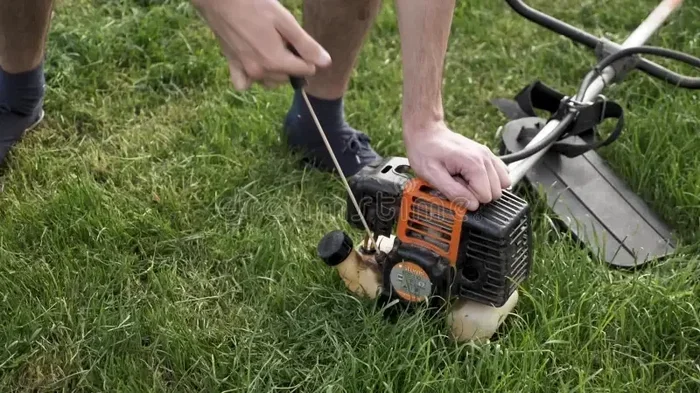
Now for the moment of truth. Stand behind the mower and grip the starter cord handle firmly. Pull it in one smooth, steady motion. Don’t yank it hard. A controlled pull works better than a frantic jerk.
If the engine doesn’t start on the first pull, wait 10 seconds before trying again. This gives excess fuel time to clear out of the carburetor. After 3 to 4 pulls, stop and check for flooding. Let the mower sit for a few minutes if the engine smells like gas.
Step 7: Let the Engine Warm Up
Once your mower starts, don’t rush into mowing. Let the engine warm up for 30 seconds to one minute. This allows the oil to circulate and the engine parts to expand to their normal running temperature.
After the warm-up, you can move the choke lever to the open position. This lets the engine breathe normally during operation. A warm engine runs cleaner, cuts better, and lasts longer.
Common Starting Problems and How to Fix Them
Even when you follow every step, things can go wrong. Here are the most common starting problems and what to do about them.
Mower Won’t Start at All
If you get nothing when you pull the cord, check these things first. Make sure the fuel valve is on. Confirm there’s fresh gas in the tank. Check that the choke is in the closed position for a cold start. And verify that the spark plug wire is securely connected.
Sometimes the issue is simpler than you think. The mower might be in neutral, or the safety brake might not be engaged. Many modern mowers have a dead-man lever that must be held in order to start. Always check your owner’s manual for the specific requirements of your model.
Engine Cranks But Won’t Fire
When the engine turns over but won’t catch, the problem is usually fuel-related. The carburetor might be clogged, or the fuel lines could be blocked. Try pressing the primer bulb several more times to force fuel into the system.
Another common culprit is a dirty air filter. If the filter is clogged, the engine can’t get the air it needs to mix with fuel. Remove the air filter and inspect it. Clean it with soap and water if it’s a foam filter, or replace it if it’s paper.
Mower Starts Then Stalls
A mower that starts but immediately stalls usually has a fuel delivery problem. The fuel line might have a kink, or the fuel filter could be clogged. Check for any visible blockages in the fuel system.
Stale fuel is another frequent cause. If gas has been sitting in the mower for more than a month, drain the tank and refill with fresh fuel. Adding a fuel stabilizer during the off-season prevents this problem from happening again.
Quick Tips for a Smooth Start Every Time
Want to make starting your mower effortless? Follow these quick tips and you’ll never struggle with your gas lawn mower again.
- Use fuel stabilizer. Add a fuel stabilizer to your gas before storing the mower. This keeps the fuel fresh for months and prevents starting problems in spring.
- Store your mower properly. Keep the mower in a dry, sheltered area. Moisture can cause rust and corrosion in the engine and fuel system.
- Run the mower dry before storage. At the end of the season, run the mower until the fuel tank is empty. This prevents fuel buildup and gum deposits in the carburetor.
- Keep spare spark plugs on hand. A fresh spark plug ensures reliable starts all season. They’re inexpensive and easy to swap out.
- Clean the deck after each use. Clippings buildup under the deck can affect performance and blade sharpness.
These small habits add up to big savings. You’ll spend less time troubleshooting and more time enjoying a freshly cut lawn.
Safety Precautions Before Starting Your Mower
Safety should always come first when operating any power equipment. Before you start your gas-powered mower, take a moment to follow these precautions.
Wear the Right Gear
Always wear closed-toe shoes when mowing. Heavy gloves protect your hands from hot engine parts and sharp debris. Safety glasses keep grass clippings and dust out of your eyes. And if your mower doesn’t have a built-in noise reducer, consider wearing ear protection.
Clear the Mowing Area
Walk the lawn before you start the mower. Remove any sticks, rocks, toys, or garden hoses from the mowing path. These objects can become dangerous projectiles when hit by the spinning mower blade.
Also check for any low-hanging branches or wires. The mower deck can hit obstacles you don’t see from a standing position. A quick scan of the area prevents damage to your mower and your property.
Never Start the Mower Indoors
Gas mowers produce carbon monoxide, which is deadly in enclosed spaces. Always start and operate your mower outdoors in a well-ventilated area. This is a non-negotiable safety rule. Even starting the mower in a garage with the door open can be dangerous.
After you finish mowing, let the mower cool down before storing it. A hot engine in a closed shed can create a fire hazard. Give it at least 15 to 20 minutes to cool before putting it away.
Seasonal Maintenance to Keep Your Mower Running Strong
Starting your mower is just the beginning. Regular lawn mower maintenance keeps everything running at peak performance. Here’s what to do throughout the season.
Monthly Maintenance Checklist
- Check and change the oil every 20 to 25 hours of use.
- Clean or replace the air filter monthly during heavy use.
- Inspect the spark plug every month and clean or replace as needed.
- Sharpen or replace the mower blade at least once per season.
- Check the fuel lines for cracks or leaks.
End-of-Season Care
When the mowing season ends, your mower needs proper care before storage. Drain any remaining fuel from the tank and run the engine until it stalls. This clears the fuel lines and prevents stale fuel from gumming up the carburetor over winter.
Remove the spark plug and add a teaspoon of clean oil into the cylinder. Pull the starter cord a few times to coat the cylinder walls. This prevents rust and keeps the engine ready for the next season. Store your mower in a dry place with the fuel valve turned off.
Following these maintenance steps means your mower will start easily every single time you need it. No more frustrating mornings spent wrestling with a stubborn engine.
Push Mower vs Riding Mower: Starting Differences
While the basic startup process is similar, there are a few differences between starting a push mower and a riding mower. Understanding these differences helps you start each type correctly.
| Feature | Push Mower | Riding Mower |
|---|---|---|
| Starting Method | Pull cord | Key ignition or pull cord |
| Choke Control | Lever near engine | Dashboard or throttle lever |
| Primer Bulb | Yes, on the engine | Yes, usually near the air filter |
| Safety Brake | Handle bar lever | Seat switch and brake pedal |
| Warm-Up Time | 30 seconds to 1 minute | 1 to 2 minutes |
The main difference is that riding mowers have additional safety features like a seat switch and brake pedal. Always sit on the seat and press the brake before turning the key. For push mowers, hold the dead-man lever while pulling the cord.
After you start either type, let the engine warm up before engaging the blades. This protects the mower engine and gives you a cleaner cut from the very first pass.
Once your lawn is looking great, you might want to cool off with something refreshing. Check out frozen watermelon on a stick for a perfect summer treat after a hard day of yard work.
Conclusion
Starting a gas lawn mower is simple once you know the right steps. Check your fuel and oil, inspect the spark plug, set the choke, press the primer bulb, and pull the cord with confidence. A little preparation goes a long way toward a smooth startup every time.
Remember to follow the safety precautions and keep up with regular maintenance. Your mower will reward you with reliable performance season after season. With the tips in this guide, you’ll spend less time troubleshooting and more time enjoying a beautiful, well-kept lawn.
Now that you know exactly how to start a gas lawn mower, grab your gear and get out there. Your lawn is waiting. And after you’re done, a cool treat like greek salad in a jar makes the perfect post-mowing reward.
Frequently Asked Questions
How do I start a gas lawn mower for the first time?
For a first-time start, fill the fuel tank with fresh gasoline, check the oil level, and set the choke lever to the closed position. Press the primer bulb 3 to 5 times to push fuel into the carburetor. Then pull the starter cord with a smooth, steady motion. Let the engine warm up for about a minute before you begin mowing.
Why won’t my gas lawn mower start even with fuel and spark?
If you have fuel and spark but the mower still won’t start, check the air filter. A clogged air filter blocks oxygen from reaching the engine, which prevents combustion. Also inspect the fuel line for kinks or blockages. Stale fuel can clog the carburetor, so draining and refilling with fresh gas often solves the problem.
How often should I replace the spark plug in my gas lawn mower?
Replace the spark plug once per mowing season or every 25 hours of use, whichever comes first. A clean spark plug ensures reliable starts and smooth engine performance. Check the plug monthly and clean it with a wire brush if it shows carbon buildup.
Can I start a gas lawn mower without using the choke?
You can start a warm mower without the choke, but for cold starts, the choke is essential. The choke restricts air flow to create a richer fuel mixture that ignites more easily. Once the engine warms up, move the choke to the open position so the engine runs normally.
Is it safe to start a gas lawn mower in a garage?
No, you should never start a gas lawn mower in a garage, even with the door open. Gas mowers produce carbon monoxide, which is colorless, odorless, and extremely dangerous. Always start and operate your mower outdoors in a well-ventilated area to stay safe.
What type of gasoline should I use in my gas lawn mower?
Use regular unleaded gasoline with an octane rating of 87 or higher. Avoid ethanol-blended fuels, especially those with more than 10% ethanol, as they can damage small engine components over time. Fresh fuel is always best, so try to use gasoline within 30 days of filling the tank.