Custom kitchen hoods bring real value to your home by improving air quality, boosting kitchen style, and adding long-term property worth. These ventilation solutions are built to your exact space, cooking habits, and design preferences. This guide covers everything you need to know about choosing, installing, and maintaining the perfect custom hood for your kitchen.
Custom kitchen hoods bring real value to your home in more ways than one. They are not just about clearing smoke from your stove. These hoods improve air quality, boost kitchen style, and add lasting worth to your property. When you choose custom kitchen hoods, you get a ventilation solution built for your exact space and cooking habits. This guide covers everything you need to know about why custom kitchen hoods are a smart investment for any home.
Many homeowners focus on countertops, cabinets, and flooring when planning a kitchen update. But the range hood is one of the most overlooked pieces. A custom hood does more than look good. It removes grease, odors, and excess heat from your kitchen air. Standard hoods come in fixed sizes and styles. They rarely fit unique kitchen layouts perfectly. That is where custom kitchen hoods shine. They give you full control over design, materials, and performance.
Key Takeaways
- Perfect Fit: Custom kitchen hoods are built to your exact kitchen dimensions and layout, ensuring a flawless fit that standard hoods cannot match.
- Superior Ventilation: A custom ventilation system sized to your cooking habits removes more grease, smoke, and odors than off-the-shelf options.
- Design Flexibility: Choose from a wide range of range hood styles, materials, and finishes to create a hood that complements your kitchen aesthetic.
- Increased Home Value: Investing in a quality custom hood boosts your kitchen appeal and adds long-term value to your home.
- Better Air Quality: The right kitchen range hood keeps your kitchen air cleaner, healthier, and more comfortable for everyday cooking.
- Long-Term Durability: Quality custom hood materials like stainless steel, copper, and hardwood stand the test of time with proper care.
📑 Table of Contents
- What Are Custom Kitchen Hoods?
- Benefits of Choosing Custom Kitchen Hoods
- Popular Custom Kitchen Hood Styles
- Choosing the Right Materials and Finishes
- Sizing and Power: Getting It Right
- Custom Kitchen Hoods and Your Kitchen Remodeling Plan
- Expert Insights: Why Custom Kitchen Hoods Are Worth It
- Key Takeaways
- Conclusion
What Are Custom Kitchen Hoods?
A custom kitchen hood is a ventilation unit built to your exact specifications. Unlike off-the-shelf options, a custom range hood is designed from scratch. The size, shape, materials, and features all match your kitchen. Think of it as a tailored suit for your cooking space.
Kitchen ventilation is the primary job of any hood. But custom hoods go far beyond basic function. They become a design centerpiece. Many homeowners choose custom hoods because standard models simply do not fit their vision. Whether you have an open-concept layout or a cozy galley kitchen, a custom kitchen hood can be built to fit perfectly.
How Custom Hoods Differ from Standard Hoods
Standard hoods come in a few common sizes. They work fine for many kitchens. But they have clear limits. A standard kitchen range hood may be too short, too narrow, or the wrong style for your space.
Custom hoods solve these problems. Here are key differences:
- Size: Custom hoods fit your exact stove or cooktop dimensions.
- Shape: You can choose a sleek rectangular shape, a curved canopy, or even a custom silhouette.
- Materials: Pick from stainless steel, copper, wood, brass, or mixed finishes.
- Features: Add built-in lighting, custom fan speeds, or hidden storage.
- Style: Match your hood to your kitchen aesthetic, whether modern, rustic, or classic.
The custom hood cost is higher than a standard unit. But the value you get in fit, finish, and function makes it worthwhile. A standard hood is a generic choice. A custom hood is a personal one.
Benefits of Choosing Custom Kitchen Hoods
Why should you invest in a custom ventilation solution? The benefits go well beyond looking good. Let us explore the real advantages of choosing custom kitchen hoods for your home.
Better Ventilation Performance
A custom kitchen exhaust system is sized for your actual cooking needs. If you love to sear, fry, or smoke, you need serious power. Standard hoods often lack the airflow capacity for heavy cooking. Custom hoods let you choose the right kitchen hood fan size and motor strength.
Better ventilation means cleaner air. It means less grease buildup on your cabinets and walls. It also means fewer odors lingering after dinner. A well-designed custom ventilation system keeps your kitchen fresh and comfortable all day long.
Perfect Fit for Any Kitchen Layout
Every kitchen is different. Island kitchens, peninsula setups, and wall-mounted ranges all have unique needs. A custom range hood is built around your specific layout. This is especially important for island kitchen hood installations, where standard sizes often do not work well.
When the hood fits perfectly, it performs better. Airflow is more efficient. There are fewer gaps where grease and smoke can escape. The result is a cleaner, healthier kitchen environment for you and your family.
Enhanced Home Value
Kitchen remodeling is one of the top home improvement investments. Adding a custom hood boosts that value even more. Buyers notice quality ventilation and unique design features. A stunning custom hood can be a strong selling point when you decide to move.
Even if you are not planning to sell soon, custom hoods improve your daily living experience. You enjoy a better-looking, better-functioning kitchen every single day. That kind of value goes beyond money.
Popular Custom Kitchen Hood Styles
Custom hoods come in many styles. The right choice depends on your kitchen design and personal taste. Let us look at the most popular options for custom kitchen hoods.
Modern Minimalist Hoods
Clean lines and simple shapes define modern minimalist hood design ideas. These hoods often feature flush-mount panels and hidden controls. Stainless steel and matte black finishes are popular choices. They work beautifully in contemporary and ultra-modern kitchens where simplicity is key.
Kitchen hood lighting is often integrated into these designs. LED strips hidden beneath the hood provide bright, even illumination of your cooking surface. This is both functional and visually striking. A modern minimalist hood keeps the focus on clean air and clean lines.
Rustic and Farmhouse Styles
Rustic hoods bring warmth and character to any kitchen. Wood accents, iron finishes, and aged copper are common in this style. A copper range hood is a standout choice for farmhouse kitchens. The natural patina that develops over time adds unique charm and personality.
These hoods often feature decorative elements like exposed beams or vintage-style fans. They pair well with open shelving, butcher block counters, and warm lighting. If your kitchen has a cozy, inviting feel, a rustic custom hood fits right in.
Traditional and Classic Designs
Classic range hood styles include symmetrical shapes and ornate detailing. Crown molding, decorative brackets, and rich wood finishes are common. These hoods suit formal kitchens and traditional home designs where elegance matters.
A custom cabinet hood that matches your existing cabinetry creates a seamless look. The hood becomes part of the kitchen rather than a separate addition. This approach works beautifully in homes with classic architectural details.
Industrial and Urban Hoods
Industrial-style hoods embrace raw, unfinished materials. Black iron, exposed ductwork, and brushed metal are signature elements. These hoods look great in loft-style apartments and open-plan spaces with an urban edge.
Hood design ideas in the industrial style often include visible hardware and bold proportions. They make a statement without being overly ornate. If you love the look of exposed structures and utilitarian design, an industrial custom hood is a perfect match.
Choosing the Right Materials and Finishes
The material you choose affects both the look and durability of your custom hood. Here is a closer look at the most popular custom hood materials and what they offer.
Stainless Steel
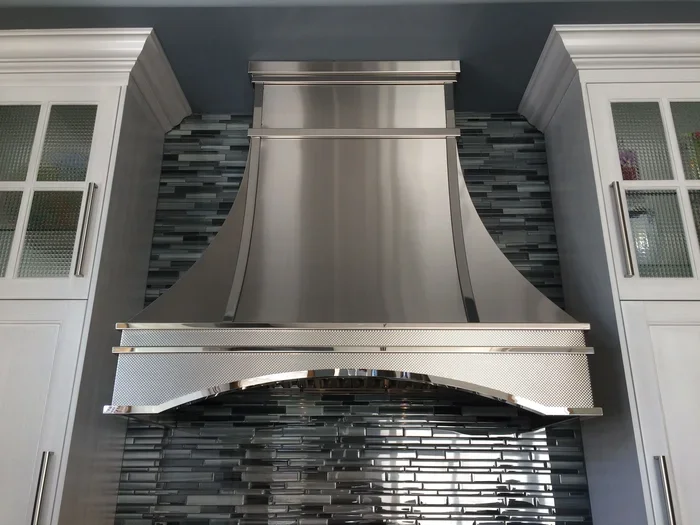
A stainless steel hood is the most popular choice for a reason. It is durable, easy to clean, and resists heat and corrosion. Stainless steel fits nearly any kitchen style, from modern to transitional. It is a safe, versatile choice that never goes out of style.
One thing to keep in mind: fingerprints and smudges show easily on stainless steel. Many homeowners opt for a brushed or matte finish to reduce this issue. A brushed finish hides marks while still looking polished and professional.
Copper and Brass
Copper and brass hoods add a touch of luxury to any kitchen. They develop a natural patina over time, which many homeowners love. A copper range hood is a stunning focal point in any kitchen. The warm, rich tones create a sense of depth and character.
These metals require a bit more care. Regular polishing keeps them looking their best. But the rich, warm tone they bring to a space is unmatched. If you want your hood to be a conversation starter, copper or brass is the way to go.
Wood and Mixed Finishes
Wood hoods bring natural warmth to a kitchen. They work especially well in rustic, farmhouse, and traditional settings. Common wood choices include oak, walnut, and cherry. Each wood type has its own grain pattern and color, giving you plenty of options.
Mixed finishes combine wood with metal or glass elements. This approach adds visual interest and lets you coordinate with other kitchen features. A wood-and-stainless combo, for example, balances warmth and modernity beautifully.
Glass and Tile Accents
Glass panels behind the hood make cleanup a breeze. They are also great for adding color or texture to your design. Some homeowners use tile backsplashes that extend up into the hood area for a cohesive look. This ties the hood into the rest of your kitchen design.
| Material | Durability | Maintenance | Best For |
|---|---|---|---|
| Stainless Steel | High | Low | Modern, transitional kitchens |
| Copper | Medium | Medium | Farmhouse, luxury kitchens |
| Wood | Medium | Medium | Rustic, traditional kitchens |
| Glass | High | Low | Easy cleanup, contemporary styles |
| Brass | Medium | Medium | Classic, elegant designs |
Each material has its strengths. Your choice should reflect your kitchen style and how much upkeep you are willing to do. There is no wrong answer. Only the right choice for your home.
Sizing and Power: Getting It Right
Range hood sizing is one of the most important decisions you will make. A hood that is too small will not ventilate properly. One that is too large can be overwhelming and waste energy. Getting the size right is essential for performance.
How to Measure for the Right Size
Start with your cooktop or stove width. The hood should extend at least three inches beyond each side of the cooking surface. For example, a 30-inch cooktop needs a hood that is at least 36 inches wide. This ensures proper coverage of the entire cooking area.
Height matters too. Most kitchen hood installation guides recommend mounting the hood between 24 and 36 inches above the cooktop. Gas stoves usually need more height than electric ones. Always check the manufacturer’s guidelines for safe mounting distances.
CFM: What It Means and Why It Matters
CFM stands for cubic feet per minute. It measures how much air your hood can move. Higher CFM means stronger ventilation. Here is a simple guide to help you choose the right power level:
- Light cooking (boiling, simmering): 100 to 200 CFM
- Moderate cooking (frying, sautéing): 200 to 400 CFM
- Heavy cooking (wok cooking, smoking): 400 to 600+ CFM
Your kitchen exhaust fan power should match your cooking habits. If you cook frequently and prepare bold, flavorful meals, aim for the higher end of the range. A powerful custom ventilation system makes a noticeable difference in air quality.
Quick Tips for Sizing Your Custom Hood
Here are some practical tips to get your range hood sizing right:
- Measure your cooktop width before choosing a hood size.
- Consider your kitchen square footage for overall ventilation needs.
- Factor in whether you cook with gas or electric.
- Think about how often you cook intensely versus light meals.
- Consult a professional if you are unsure about range hood sizing for your space.
Common Mistakes in Hood Sizing
Many homeowners make sizing mistakes that hurt performance. Here are a few to avoid with your custom kitchen hoods:
- Undersizing: A too-small hood cannot handle the smoke and grease. You will notice lingering odors and greasy surfaces on your cabinets.
- Ignoring duct size: The ductwork must match the hood’s CFM rating. Undersized ducts reduce performance and strain the motor.
- Forgetting about noise: More powerful fans can be louder. Look for hoods with noise-reducing features if this matters to you.
- Skipping the filter: Always include a quality grease filter. It protects your kitchen ventilation system and makes hood filter replacement much easier.
Custom Kitchen Hoods and Your Kitchen Remodeling Plan
If you are planning a kitchen remodeling project, a custom hood should be part of the plan from the very start. It is much easier to design the hood into the layout than to add it later. Early planning saves time, money, and headaches.
Working with Your Kitchen Designer
Share your hood design ideas early in the process. A good designer will help you choose the right size, style, and placement. They will also make sure the electrical and ductwork can support your custom kitchen exhaust system.
Ask for input on kitchen hood lighting placement. Proper lighting under the hood improves safety and makes food preparation easier. It also highlights the hood as a design feature. Good lighting transforms the look and feel of your cooking space.
Budgeting for a Custom Hood
Custom hood cost varies widely based on materials, size, and features. A basic custom stainless steel hood might start around $1,500. High-end copper or wood hoods with premium features can reach $5,000 or more. The wide range gives you flexibility to find the right option for your budget.
Here is a rough breakdown of what affects the price:
- Materials: Stainless steel is more affordable than copper or hand-carved wood.
- Size: Larger hoods require more materials and more powerful fans.
- Features: Built-in lighting, smart controls, and custom finishes add cost.
- Installation complexity: Custom ductwork or hard-to-reach placements increase labor costs.
Think of the custom hood cost as a long-term investment. A quality custom hood lasts for years and adds value to your home every day. It is one of those upgrades that you use and enjoy for a long time.
Installation Timeline
Most kitchen hood installations take one to three days, depending on complexity. If you are doing a full kitchen remodel, the hood can often be installed alongside other work. This saves time and reduces overall project costs.
Make sure your custom ventilation system is tested before the project wraps up. Check that the fan runs smoothly and that airflow meets your expectations. A little extra attention at this stage pays off in the long run. You want your new custom kitchen hoods to work perfectly from day one.
Maintenance Tips for Your Custom Hood
Taking care of your custom hood keeps it looking and working great for years. Simple maintenance goes a long way. Here are easy tips to follow:
- Clean the grease filter every one to two months, depending on how often you cook.
- Wipe down the exterior with a mild cleaner appropriate for your material.
- Check the hood filter replacement schedule and replace filters as needed.
- Listen for unusual noises, which may signal a fan or motor issue.
- Have a professional inspect the ductwork and fan motor annually.
Regular maintenance keeps your kitchen ventilation running at peak performance. It also prevents grease buildup that can become a fire hazard over time. A little care goes a long way toward protecting your investment.
Expert Insights: Why Custom Kitchen Hoods Are Worth It
Interior designers and kitchen contractors agree on one thing: custom hoods make a real difference. They elevate the entire kitchen experience. Here is what the experts have to say about investing in custom kitchen hoods.
Custom kitchen hoods are not just about aesthetics. They solve real ventilation problems. A well-designed hood improves air quality, reduces grease accumulation, and makes your kitchen more comfortable. These benefits compound over the years. You will notice the difference every time you cook.
Many homeowners report that their custom hood becomes the favorite feature of their kitchen. It is the piece that ties the whole room together. Whether you are remodeling or building from scratch, a custom hood is a decision you will not regret. The right custom kitchen hood brings both beauty and brains to your space.
Key Takeaways
- Perfect Fit: Custom kitchen hoods are built to your exact kitchen dimensions and layout, ensuring a flawless fit that standard hoods cannot match.
- Superior Ventilation: A custom ventilation system sized to your cooking habits removes more grease, smoke, and odors than off-the-shelf options.
- Design Flexibility: Choose from a wide range of range hood styles, materials, and finishes to create a hood that complements your kitchen aesthetic.
- Increased Home Value: Investing in a quality custom hood boosts your kitchen appeal and adds long-term value to your home.
- Better Air Quality: The right kitchen range hood keeps your kitchen air cleaner, healthier, and more comfortable for everyday cooking.
- Long-Term Durability: Quality custom hood materials like stainless steel, copper, and hardwood stand the test of time with proper care.
Conclusion
Custom kitchen hoods bring real value to your home in so many ways. They improve air quality, boost ventilation performance, and elevate the look of your kitchen. Unlike standard hoods, a custom solution is designed around your unique space and cooking needs. The difference is noticeable from the first time you turn it on.
Whether you are in the middle of a kitchen remodeling project or simply upgrading your current setup, a custom hood is a smart choice. The right custom kitchen hood combines function and beauty in a way that standard options simply cannot achieve. You deserve a kitchen that works as hard as you do.
Take the time to explore hood design ideas and talk with a professional about your options. The investment pays off every time you cook a meal. Your kitchen deserves a hood that looks great and performs even greater. Custom kitchen hoods deliver on that promise every single day. Start planning yours today and enjoy the difference for years to come.
Frequently Asked Questions
What makes custom kitchen hoods different from standard hoods?
Custom kitchen hoods are built to your exact specifications. You choose the size, shape, materials, and features. Standard hoods come in fixed sizes and limited styles. A custom hood fits your kitchen perfectly and matches your personal taste.
How much do custom kitchen hoods cost?
The custom hood cost varies based on materials, size, and features. Basic custom stainless steel hoods start around $1,500. High-end copper or wood hoods with premium features can reach $5,000 or more. The investment adds value to your home over time.
What is the best material for a custom kitchen hood?
Stainless steel is the most popular choice because it is durable and easy to clean. Copper and brass add luxury and warmth. Wood brings a rustic feel. The best material depends on your kitchen style and how much maintenance you are willing to do.
How do I know what size custom kitchen hood I need?
Start by measuring your cooktop width. The hood should extend at least three inches beyond each side. For CFM, aim for 200 to 400 CFM for moderate cooking and 400+ CFM for heavy cooking. Proper range hood sizing ensures the best ventilation performance.
Can custom kitchen hoods be installed in any kitchen layout?
Yes, that is one of the biggest advantages. Custom hoods work in any layout, including island kitchens, peninsulas, and wall-mounted setups. A professional can design the hood to fit your specific space and ventilation needs perfectly.
How often do I need to replace the filter on my custom hood?
Grease filters should be cleaned every one to two months depending on your cooking frequency. Replaceable charcoal filters typically need replacement every six to twelve months. Regular hood filter replacement keeps your kitchen ventilation system running efficiently and safely.