
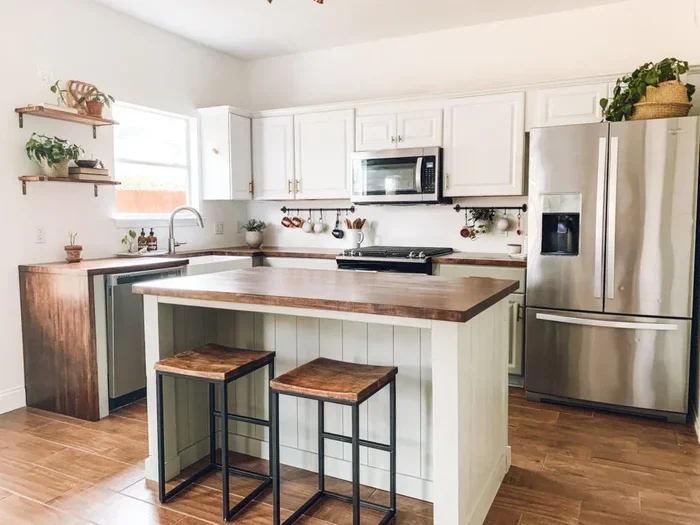
Planning a kitchen remodel without overspending is easier than you think. This guide walks you through budgeting, layout planning, material choices, and smart upgrades that deliver big impact for less money. You will learn proven strategies to keep your kitchen renovation on track and under budget.
Planning a kitchen remodel can feel overwhelming. You want a beautiful space, but you also want to keep your wallet happy. The good news is that a stunning kitchen does not require a massive budget. With the right plan, you can transform your cooking space into something you love without going over budget.
Whether you are updating a few fixtures or doing a full gut renovation, preparation is everything. A solid plan helps you make smarter decisions at every step. It keeps you focused and prevents costly surprises. In this guide, we will walk you through every phase of planning a kitchen renovation that stays on budget.
The best part? You do not need to sacrifice style to save money. Small changes can make a huge difference. Let us dive into the steps that will help you plan like a pro.
Key Takeaways
- Set a realistic budget first: Always include a 10-20% contingency fund for unexpected costs during your kitchen remodel.
- Focus on high-impact changes: Cabinet refacing, new hardware, and fresh paint deliver stunning results at a fraction of the cost.
- Choose materials wisely: Compare options like quartz vs. granite and luxury vinyl vs. hardwood to find the best value.
- Plan your layout carefully: A functional kitchen layout improves daily workflow and adds long-term value to your home.
- Time your project smartly: Avoid peak seasons to save on labor costs and reduce delays from contractor availability.
- Mix DIY with professional work: Tackle simple tasks yourself and hire experts for complex jobs like plumbing and electrical.
📑 Table of Contents
Set Your Budget and Define Your Goals
Before you buy a single material, you need a clear budget. This is the foundation of every successful kitchen remodel. Without one, it is easy to overspend and regret your choices later.
Know What You Can Actually Afford
Start by looking at your finances honestly. How much can you comfortably spend without stressing your savings? A good rule of thumb is to set aside 10 to 20 percent of your total budget for unexpected costs. Renovations almost always come with surprises.
Write down your number and stick to it. This becomes your spending ceiling. Every decision you make from here on out should align with this figure.
Separate Must-Haves from Nice-to-Haves
Make two lists. The first list includes things you absolutely need. Think broken cabinets, outdated plumbing, or unsafe electrical work. The second list covers things you would love to have but can live without.
This simple exercise helps you prioritize. When money gets tight, you already know where to cut back. Your must-haves get funded first. Nice-to-haves become stretch goals you can work toward later.
Get Realistic Cost Estimates
Research costs in your local area. Cabinet prices, countertop materials, and labor rates vary by region. Get at least three quotes from contractors before committing. Do not forget to factor in permits if your project requires them.
A thorough cost estimate protects you from budget creep. Budget creep happens when small expenses add up over time. Tracking every dollar keeps you in control.
Choose a Kitchen Layout That Works for You
Your kitchen layout affects everything from daily convenience to home value. Getting this right saves you money and headaches in the long run. A well-planned layout also makes the space feel larger and more functional.
Understand the Kitchen Work Triangle
The work triangle connects your stove, sink, and refrigerator. This concept has been a staple of kitchen design ideas for decades. The goal is to create an efficient flow between these three key areas.
Keep the triangle compact but not cramped. Each leg should measure between four and nine feet. This balance reduces wasted steps and makes cooking feel effortless.
Popular Layout Options to Consider
Different layouts suit different spaces and lifestyles. Here are the most common options:
- Galley Kitchen: Two parallel counters with a walkway in the middle. Great for small spaces and efficient cooking.
- L-Shaped Layout: Counters along two adjacent walls. This design opens up floor space and works well for families.
- U-Shaped Layout: Counters on three walls. Offers plenty of storage and counter space for serious cooks.
- Island Layout: Adds a central counter for extra prep space and social seating. Best for larger kitchens with open floor plans.
Pick the layout that fits your space and cooking habits. Do not force a trendy design if it does not work for your needs.
Select Materials That Deliver Style and Savings
Materials make or break a kitchen remodel budget. The right choices give you the look you want without the premium price tag. Smart material selection is one of the biggest levers for staying under budget.
Countertop Choices That Save Money
Countertops are a focal point in any kitchen. But they do not have to cost a fortune. Here is a quick comparison of popular options:
- Quartz: Durable, low maintenance, and available at many price points. A solid mid-range choice for most budgets.
- Granite: Natural stone with unique patterns. Requires sealing and can be pricier than quartz.
- Laminate: The most budget-friendly option. Modern laminates look surprisingly realistic and come in many styles.
- Butcher Block: Warm and inviting. Affordable but requires regular maintenance and oiling.
Consider your lifestyle when choosing. If you cook often and want something tough, quartz is hard to beat. If you are on a tight budget, quality laminate does the job beautifully.
Flooring Options That Stand Up to Daily Use
Kitchen floors take a beating. You need something durable and easy to clean. Luxury vinyl plank is a top choice for budget-conscious homeowners. It looks like real wood or stone but costs a fraction of the price.
Ceramic tile is another excellent option. It comes in countless styles and handles spills and scratches well. If you prefer a softer feel, engineered hardwood offers the look of real wood at a lower cost.
Backsplash Ideas That Add Personality
A backsplash is one of the easiest ways to add style without a big expense. Subway tile is a classic choice that works with almost any design. Peel-and-stick tile is a budget-friendly alternative that DIYers love.
Do not overlook the power of a simple, clean backsplash. It ties the whole room together and makes your countertops and cabinets pop.
Make Smart Appliance and Fixture Decisions
Appliances and fixtures can drain your budget fast if you are not careful. The key is to upgrade strategically. Focus on what you actually need and what will make the biggest difference.
Upgrade Appliances With Purpose
You do not need top-of-the-line appliances to love your kitchen. Mid-range brands often offer excellent features at reasonable prices. Look for Energy Star-rated options. They save money on utility bills over time.
If your current appliances still work, consider keeping them. Refinishing old appliances or replacing just the handles is a quick and cheap update. This approach keeps your kitchen renovation budget intact for bigger priorities.
Lighting Fixes That Transform the Space
Good lighting makes a small kitchen feel bigger and a large kitchen feel welcoming. Start with bright overhead fixtures. Then add task lighting under cabinets where you prep food.
LED strip lights are affordable and easy to install. They provide excellent illumination and last for years. A well-lit kitchen also makes the space feel more open and airy.
Plumbing and Electrical: When to Call a Pro
Some tasks are best left to professionals. Moving plumbing lines or rerouting electrical wiring requires licensed expertise. Attempting DIY electrical or plumbing work can lead to costly mistakes and safety hazards.
Get professional quotes for these jobs upfront. Knowing the costs early helps you plan your budget planning more accurately. Always verify that your contractor is licensed and insured.
Manage Your Timeline and Stay on Track
A well-managed timeline keeps your project organized and your stress levels low. Delays cost money, so staying on schedule is essential for budget control.
Create a Realistic Project Timeline
Break your kitchen remodel into phases. Start with demolition and rough work. Then move to installation of cabinets, countertops, and flooring. Finish with painting, hardware, and final touches.
Add buffer time between phases. Things rarely go exactly as planned. A realistic timeline accounts for weather delays, material shipping issues, and unexpected discoveries behind walls.
DIY vs Hiring Professionals
Tackling some tasks yourself can save significant labor costs. Painting, cabinet hardware installation, and backsplash tile work are great DIY projects. However, structural changes, plumbing, and electrical work should always be handled by licensed professionals.
Know your limits honestly. A mistake during a DIY project can end up costing more than hiring a pro from the start. Focus your DIY efforts on low-risk, high-reward tasks.
Keep Communication Open with Your Contractor
If you hire a contractor, clear communication is your best tool. Discuss your budget upfront and agree on a detailed scope of work. Get everything in writing.
Regular check-ins during the project prevent misunderstandings. Ask for progress photos if you cannot visit the site daily. A good contractor welcomes transparency and keeps you informed.
Enjoy Your New Kitchen and Make It Last
Once the work is done, take time to enjoy your new space. A successful kitchen remodel is about more than just looks. It is about creating a room that works for your daily life.
Host a small gathering and put your new space to the test. Invite friends over and cook a meal together. You might even try out some fun recipes like Greek Salad In A Jar for an easy, crowd-pleasing dish that works perfectly in a fresh kitchen setup. Or keep things light with a refreshing Frozen Watermelon On A Stick for your guests during summer entertaining in your newly upgraded space.
Maintain your new kitchen with simple routines. Clean countertops daily, seal natural stone annually, and address small issues before they become big problems. A little care goes a long way in preserving your investment.
Remember that a kitchen renovation is a journey, not a destination. Enjoy the process and the results. Your new kitchen will serve you well for years to come.
Frequently Asked Questions
How much does a kitchen remodel usually cost?
The average cost ranges from $15,000 to $40,000 for a mid-range renovation. However, costs vary widely based on your location, materials, and the scope of work. Always include a contingency fund of 10 to 20 percent for unexpected expenses.
What is the best way to save money on a kitchen remodel?
Keep your existing layout if possible. Changing the plumbing and electrical layout adds significant costs. Focus on cosmetic updates like new cabinet hardware, paint, and lighting for maximum impact at minimal cost.
Should I do a full gut renovation or a partial remodel?
A partial remodel is usually more budget-friendly and faster to complete. A full gut renovation makes sense when your layout is outdated or your systems need replacing. Evaluate your needs honestly before deciding.
How long does a kitchen remodel typically take?
A partial remodel usually takes 4 to 6 weeks. A full renovation can take 8 to 12 weeks or longer. The timeline depends on the scope of work, material availability, and whether any structural changes are involved.
Can I live in my home during a kitchen remodel?
Yes, but it can be challenging. Set up a temporary kitchen area with basic appliances. Expect dust, noise, and limited access to your cooking space during the project. Planning ahead makes the process much smoother.
What should I look for in a kitchen remodel contractor?
Check for proper licensing, insurance, and positive reviews. Ask for references and look at completed projects. A reliable contractor provides detailed written estimates and communicates clearly throughout the process.
=== CONCLUSION ===
Planning a kitchen remodel without going over budget is absolutely achievable. Start with a clear budget, choose a layout that fits your lifestyle, and select materials that balance style with savings. Make strategic decisions about appliances, lighting, and fixtures. Manage your timeline carefully and communicate openly with your contractor.
Small, thoughtful changes often deliver the biggest impact. You do not need to spend a fortune to create a kitchen you love. With the right plan and realistic expectations, your kitchen renovation can stay on budget and exceed your goals.
Start planning today. Your dream kitchen is closer than you think.

