
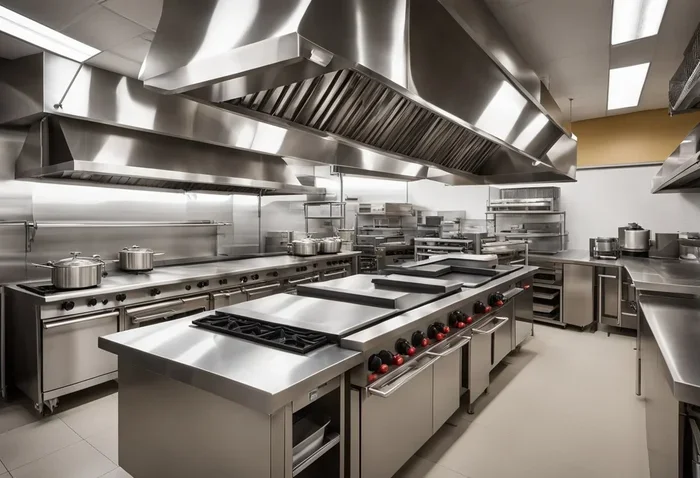
Looking for the best industry kitchen reviews? You are in the right place. This guide covers everything you need to know about choosing commercial kitchen equipment, designs, and layouts that actually work. We break down top brands, common mistakes, and practical tips to save you time and money.
Finding the right industry kitchen setup can feel overwhelming. There are so many brands, styles, and options out there. That is exactly why industry kitchen reviews matter so much. They cut through the noise and help you make smart decisions.
Whether you are opening a new restaurant, upgrading a cafeteria, or remodeling a food truck, the choices you make today affect your daily operations for years. A good kitchen layout saves time. The right equipment reduces waste. And the best ventilation keeps your team safe and comfortable.
In this guide, we share industry kitchen reviews that actually help you choose. We break down what to look for, which brands stand out, and the mistakes most people make. By the end, you will feel confident about your next kitchen decision.
Key Takeaways
- Know what matters: Industry kitchen reviews help you avoid costly buying mistakes.
- Focus on workflow: The best kitchen layout boosts speed and efficiency.
- Quality brands last longer: Stick with trusted names for reliability.
- Budget wisely: You do not need to spend a fortune to get great results.
- Safety and ventilation count: These features are non-negotiable in any commercial kitchen.
- Read real user feedback: Reviews from actual kitchen operators give the best insight.
📑 Table of Contents
Why Industry Kitchen Reviews Matter
Not all kitchen reviews are created equal. Many online guides push products based on sponsorships or affiliate links. That is not what we are about. Our goal is to give you honest, practical insights based on real-world use.
When you read industry kitchen reviews from people who actually work in commercial kitchens, you get a much clearer picture. You learn what works under pressure. You discover which equipment holds up during a dinner rush. And you find out what problems to watch out for before they cost you money.
What Makes a Review Trustworthy?
A trustworthy review comes from someone with hands-on experience. Look for reviewers who work in restaurants, hotels, or food service operations. They understand the daily demands of a busy kitchen. They know what breaks down and what lasts.
Here are a few signs a commercial kitchen review is worth your time:
- The reviewer shares both pros and cons, not just praise.
- They mention long-term performance, not just first impressions.
- They include real numbers, like energy usage or prep time savings.
- They compare multiple options instead of pushing one product.
When you find reviews like that, you can trust the information. These are the reviews that actually help you choose the right setup for your space.
Top Features to Look For in Industry Kitchens
Every commercial kitchen has different needs. A bakery has different equipment than a steakhouse. But some features matter across the board. Let us walk through the essentials that any good industry kitchen review should cover.
Layout and Workflow
The layout of your kitchen affects everything. How fast your team can move. How smoothly orders get processed. A good commercial kitchen design follows the work triangle concept. That means the stove, sink, and fridge are close enough to minimize wasted steps.
Think about your daily routine. Where do you prep ingredients? Where do plates get finished? Your kitchen workflow optimization should match how your team actually works. Not how a textbook says it should work.
Here are key layout tips from top industry kitchen reviews:
- Keep hot zones and cold zones separate to avoid cross-contamination.
- Make sure there is enough counter space between stations.
- Place the dishwashing area near the serving window for fast turnover.
- Leave wide walkways so multiple people can move at once.
Equipment Quality and Durability
Commercial kitchen equipment takes a beating. It runs for hours every day. It handles high heat, heavy use, and constant cleaning. That is why equipment quality matters so much in any industry kitchen review.
Look for equipment made from stainless steel. It resists rust, handles heat well, and wipes down easily. Brands like Turbo Air, Vollrath, and Hobart show up again and again in solid restaurant kitchen appliance reviews.
When comparing options, pay attention to these details:
- Warranty length and what it covers.
- Replacement part availability.
- Energy consumption ratings.
- Noise level during operation.
Ventilation and Safety
A good ventilation system is not a luxury. It is a necessity. Without proper airflow, your kitchen becomes hot, smoky, and uncomfortable. Worse, poor ventilation creates fire hazards and health code violations.
Every thorough industry kitchen review should mention ventilation. Look for systems with make-up air units and hood filters that are easy to clean. Your team will thank you, and your inspectors will too.
Safety features to watch for include:
- Automatic gas shut-off valves.
- Non-slip flooring that meets safety standards.
- Fire suppression systems built into hoods.
- Proper electrical grounding on all equipment.
Best Industry Kitchen Brands Reviewed
Not all brands deliver the same quality. Some excel in specific categories. Let us look at a few names that consistently show up in the best industry kitchen reviews.
Turbo Air
Turbo Air makes refrigeration and prep equipment that holds up well in busy environments. Their reach-in coolers and prep tables show up often in commercial kitchen equipment reviews. They offer solid value for the price, and their units tend to run quietly.
One thing reviewers love about Turbo Air is their focus on energy efficient kitchen designs. Their models use less power than many competitors, which adds up to real savings on utility bills over time.
Vollrath
Vollrath is a go-to for professional cooking equipment. Their mixers, steamers, and prep tools earn high marks in professional cooking equipment reviews. The build quality is excellent, and their customer service is responsive when you need replacement parts.
If you run a high-volume kitchen, Vollrath equipment handles the demand well. Many operators report years of reliable service with minimal maintenance.
Hobart
Hobart needs no introduction in the restaurant kitchen equipment world. Their mixers and prep machines are industry standards. When you see a Hobart machine in a commercial kitchen review, it usually comes with strong recommendations.
The downside? Hobart products tend to cost more upfront. But the durability and resale value often make them worth the investment for serious operations.
Common Mistakes When Choosing an Industry Kitchen
Even with the best industry kitchen reviews, people still make avoidable mistakes. Let us talk about the ones that trip up most buyers.
Skipping the Layout Planning
The biggest mistake is buying equipment before planning the layout. Many people walk into a store, fall in love with a piece of gear, and then figure out where it goes later. That almost always leads to problems.
You end up with cramped walkways. Equipment that blocks traffic flow. Stations too far apart. All of this slows your team down and creates frustration during busy shifts.
Instead, start with a floor plan. Map out your workflow first. Then choose equipment that fits the space and the process. This simple step saves thousands of dollars in rework later.
Ignoring Maintenance Needs
Every piece of commercial equipment needs regular maintenance. But many buyers forget to factor this into their decision. They focus on the purchase price and ignore the long-term costs.
A good kitchen equipment maintenance routine includes daily cleaning, weekly deep checks, and annual professional servicing. When you choose equipment with easy access to parts and simple cleaning, you save time and money over the life of the machine.
Overlooking Ventilation Requirements
Some operators buy great equipment and then realize their ventilation system cannot handle the load. This is a costly fix that many people do not plan for.
Before you finalize your kitchen setup, check your local health and fire codes. Make sure your ventilation design meets the requirements for your specific equipment. This one step can save you from expensive upgrades down the road.
Industry Kitchen Design Tips That Actually Work
Good design makes a huge difference in how smoothly your kitchen runs. Here are some tips that consistently show up in the best industry kitchen reviews.
Use the Assembly Line Approach
Many successful kitchens use an assembly line layout. Ingredients enter at one end. Dishes leave at the other. Each station handles one part of the process. This approach reduces confusion and speeds up service.
Think about how a fast food restaurant works. The fry station, the grill, the assembly area, and the pickup window are all in a logical sequence. You can apply the same principle to any commercial kitchen layout, no matter the cuisine.
Maximize Vertical Space
Floor space is expensive. Look up. Wall-mounted shelves, overhead storage, and hanging racks free up valuable counter space. Many kitchen storage solutions that work well in home kitchens also work in commercial settings.
Just make sure anything stored overhead is secure and does not interfere with ventilation hoods or sprinkler heads.
Choose Easy-to-Clean Surfaces
Your kitchen needs to stay clean. Health inspectors check this regularly. The best commercial kitchen flooring is non-porous, slip-resistant, and easy to mop. Sealed concrete and epoxy coatings are popular choices.
For walls and backsplashes, go with stainless steel or tile that you can wipe down quickly. Avoid materials that trap grease or absorb odors.
How to Budget for Your Industry Kitchen Setup
Setting up a commercial kitchen takes a significant investment. But with smart planning, you can get great results without blowing your budget.
Prioritize the Essentials
Not everything needs to be top-of-the-line. Focus your budget on the equipment you use most. That usually means your range, your refrigeration, and your ventilation system. These are the workhorses of your kitchen.
You can save money on smaller items like prep tables or storage racks. Look for quality options that do not carry the premium brand price tag. Many solid restaurant kitchen appliance brands offer great value at lower price points.
Consider Used Equipment
Do not rule out used equipment. Many commercial kitchens sell well-maintained machines at a fraction of the cost. The key is to inspect carefully and buy from a reputable source.
Look for equipment with remaining warranty. Check for worn parts. And make sure the model is still supported by the manufacturer for replacement parts. A well-chosen used machine can serve you just as well as a new one.
Factor in Operating Costs
The purchase price is only part of the story. Energy costs, maintenance, and repairs add up over time. When comparing options in your industry kitchen reviews, look at the total cost of ownership, not just the sticker price.
An energy-efficient model might cost more upfront but save you hundreds per year in utility bills. That is money back in your pocket over the life of the equipment.
Key Takeaways
- Trustworthy reviews matter: Stick with sources that share honest pros and cons from real operators.
- Layout drives efficiency: Plan your workflow before buying any equipment.
- Quality equipment pays off: Durable brands like Turbo Air, Vollrath, and Hobart earn top marks in industry kitchen reviews.
- Avoid common pitfalls: Do not skip layout planning, ignore maintenance, or overlook ventilation needs.
- Design for cleanliness: Choose surfaces and flooring that make daily cleaning easy.
- Budget smartly: Prioritize essentials, consider used options, and factor in long-term operating costs.
Choosing the right industry kitchen setup does not have to be stressful. With the right industry kitchen reviews as your guide, you can make informed decisions that serve your business well for years. Focus on workflow, invest in quality where it counts, and avoid the common traps that catch so many operators off guard.
Take what you have learned here and apply it to your own kitchen project. Whether you are starting fresh or making upgrades, the best decisions come from preparation and honest research. Your kitchen is the heart of your operation. Make it work for you.
Frequently Asked Questions
What should I look for in industry kitchen reviews?
Look for reviews that cover real-world performance, not just marketing claims. Trustworthy industry kitchen reviews mention durability, ease of maintenance, and long-term reliability. Reviews from actual commercial kitchen operators carry the most weight.
How much should I budget for a commercial kitchen setup?
Budgets vary widely based on the size of your operation. A small cafe might spend $15,000 to $50,000, while a large restaurant could need $100,000 or more. Focus on quality essentials like your range, refrigeration, and ventilation first.
What is the best layout for a commercial kitchen?
The assembly line or galley layout works well for most operations. It keeps the workflow moving in one direction and reduces cross-traffic. The best commercial kitchen design matches your specific menu and service style.
Can I use used equipment in my commercial kitchen?
Yes, used equipment can be a smart choice if you inspect it carefully. Look for well-known restaurant kitchen appliance brands that hold up over time. Just make sure replacement parts are still available and the unit passes a thorough check.
How often does commercial kitchen equipment need maintenance?
Daily cleaning is essential for all equipment. Monthly deep inspections help catch small issues before they become big problems. Annual professional servicing keeps everything running smoothly and extends the life of your investment.
Why is ventilation so important in a commercial kitchen?
Proper ventilation removes heat, smoke, and grease from the air. It keeps your kitchen comfortable and safe. It also helps you pass health and fire inspections. A good industry kitchen review will always evaluate the ventilation setup as a key factor.

