
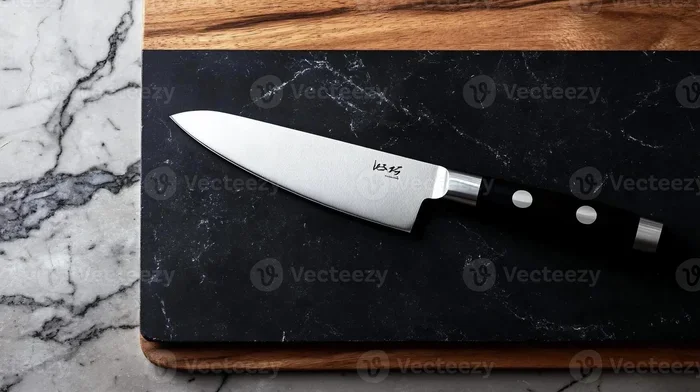
Beat kitchen knives combine premium craftsmanship with everyday affordability to make cooking faster, safer, and more enjoyable. Whether you are a beginner or a seasoned home chef, the right set of beat kitchen knives can dramatically improve your meal prep and slicing performance. In this guide, we break down the top options, key features to look for, and practical tips to keep your blades in top shape.
There is something magical about picking up a really good knife and starting to prep food. The way it glides through vegetables, the clean cuts, the confidence it gives you — it changes how you feel about cooking entirely. That is exactly what beat kitchen knives do for thousands of home cooks every single day.
If you have been struggling with dull, flimsy blades that make every meal feel like a chore, it is time for an upgrade. Beat kitchen knives are designed to deliver professional-level cutting performance at a price that makes sense for everyday kitchens. You do not need to be a trained chef to appreciate the difference a sharp, well-balanced blade makes.
In this guide, we will walk you through everything you need to know about choosing, using, and caring for beat kitchen knives. From understanding blade types to learning proper maintenance, you will come away with the knowledge to transform your cooking experience for the better. Let us get started.
Key Takeaways
- Beat kitchen knives offer excellent value for home cooks who want professional-grade performance without the premium price tag.
- The right knife set includes a chef knife, paring knife, and serrated knife to cover all your kitchen tasks.
- High-carbon stainless steel blades stay sharper longer and resist rust and corrosion better than standard options.
- Ergonomic handles reduce hand fatigue and improve safety during extended meal prep sessions.
- Proper maintenance like regular honing and hand washing dramatically extends the life of your beat kitchen knives.
- Investing in quality cutlery saves money in the long run because premium blades last for years.
- Japanese and German steel options each offer unique benefits depending on your cooking style and preferences.
📑 Table of Contents
- Why Beat Kitchen Knives Deserve a Spot in Your Kitchen
- Types of Beat Kitchen Knives You Need
- What Makes Beat Kitchen Knives Stand Out
- How to Choose the Right Beat Kitchen Knife Set
- Caring for Your Beat Kitchen Knives
- Common Mistakes People Make with Kitchen Knives
- Expert Tips for Getting the Most from Your Beat Kitchen Knives
- Final Thoughts: Transform Your Cooking Today
Why Beat Kitchen Knives Deserve a Spot in Your Kitchen
Every home cook knows the frustration of working with subpar tools. A dull knife slows you down, makes cutting dangerous, and ruins the texture of your ingredients. Beat kitchen knives solve all of these problems with thoughtfully designed blades that stay sharp and perform beautifully meal after meal.
The Difference Quality Knives Make
When you use a premium chef knife from a trusted brand, you notice the difference immediately. The blade cuts through ingredients with minimal resistance. Your cuts are more precise, your prep time drops significantly, and the whole cooking process becomes more enjoyable. Cheap knives require extra force, which leads to uneven cuts and potential injuries.
Quality kitchen cutlery also matters for presentation. Clean, uniform slices make your dishes look more professional, even when you are just making a simple salad or chopping onions for a stir fry. The right tools elevate every dish you create.
Affordability Without Compromise
One of the biggest advantages of beat kitchen knives is the price-to-performance ratio. You get blades that rival much more expensive options without breaking the bank. This makes them perfect for people who want to invest in their cooking without spending a fortune on high-end brands.
Many budget knife sets use soft steel that dulls within weeks. Beat kitchen knives use harder, higher-quality steel that retains its edge much longer. Over time, this means fewer replacements and less money spent on knife sharpeners or new sets every year.
Types of Beat Kitchen Knives You Need
A complete kitchen setup requires more than just one blade. Different tasks call for different types of knives. Here is a breakdown of the essential beat kitchen knives every home cook should consider adding to their collection.
The Chef Knife: Your All-Day Workhorse
The chef knife is the backbone of any kitchen. It handles chopping, slicing, dicing, and mincing with ease. A good beat kitchen knife in the 8-inch chef category gives you the versatility to tackle almost any cutting task. Look for a blade with a slight curve at the edge, which allows for a smooth rocking motion on your cutting board.
When choosing a chef knife, pay attention to the blade sharpness out of the box. The best beat kitchen knives come factory-sharp and ready to use right away. You should not need to sharpen them extensively before your first use.
The Paring Knife for Detail Work
For smaller tasks like peeling fruits, trimming vegetables, or deveining shrimp, a paring knife is indispensable. Beat kitchen knives in the paring category are typically lightweight and easy to maneuver, which makes precision work feel effortless. The short blade gives you excellent control for intricate cuts and detailed garnishes.
The Serrated Bread Knife
A serrated knife is essential for slicing bread without crushing it, but it also works beautifully on tomatoes and other soft-skinned fruits. Beat kitchen knives with serrated edges feature sharp, pointed teeth that grip the surface and cut cleanly without applying downward pressure. This makes them safer and more effective than a straight-edged blade for certain tasks.
The Utility Knife: The Perfect Middle Ground
If the chef knife feels too big and the paring knife feels too small for a particular job, the utility knife fills that gap. Beat kitchen knives in the utility size range typically measure between 4 and 6 inches, making them ideal for slicing sandwiches, cutting herbs, and handling medium-sized vegetables. Think of it as the versatile middle child of your knife block.
What Makes Beat Kitchen Knives Stand Out
Not all knives are created equal. When you are shopping for beat kitchen knives, there are specific features that separate the good options from the great ones. Understanding these factors helps you make a smart purchase that will serve you well for years.
Blade Material and Construction
The material used for the blade is the single most important factor in knife performance. Beat kitchen knives typically use high-carbon stainless steel, which offers the best of both worlds. The carbon adds hardness and edge retention, while the stainless component prevents rust and staining. Some premium lines also incorporate Japanese steel techniques that produce exceptionally thin and sharp blades.
Look for knives that are forged rather than stamped. Forged blades are made from a single piece of metal that is heated and shaped under pressure. This creates a stronger, more durable blade with a thicker spine that provides better balance. Beat kitchen knives in the forged category tend to outperform stamped alternatives in both longevity and cutting feel.
Handle Design and Ergonomics
Your knife handle affects everything from comfort to safety. Beat kitchen knives with ergonomic handles are designed to fit naturally in your hand, reducing strain during long cooking sessions. Look for handles made from materials like pakkawood, G-10 composite, or high-quality synthetic materials that resist moisture and stay comfortable even when your hands are wet.
The tang of the knife — the part of the blade that extends into the handle — also matters. Full tang knives, where the metal runs the entire length of the handle, offer better balance and durability. Most quality beat kitchen knives feature a full tang construction.
Balance and Weight
A well-balanced knife feels like an extension of your hand. When you hold a beat kitchen knife, the weight should be distributed evenly between the blade and the handle. If the knife feels tip-heavy, it will fatigue your hand faster and make precise cuts more difficult. If it feels handle-heavy, you lose cutting power and control.
The best kitchen cutlery brands pay close attention to balance during the design process. When you pick up a beat kitchen knife, hold it at the bolster and see if it stays balanced or tips in either direction. This simple test tells you a lot about the overall quality of the knife.
How to Choose the Right Beat Kitchen Knife Set
Buying individual knives is great if you know exactly what you need. But for most home cooks, a well-curated knife set provides the best value and covers all your bases. Here is how to choose the right beat kitchen knives set for your kitchen.
Assess Your Cooking Style
Think about what you cook most often. If you prepare a lot of vegetables, prioritize a sharp chef knife and a good pairing knife. If you bake bread regularly, invest in a high-quality serrated knife. Your cooking habits should guide which beat kitchen knives you choose and how many pieces you need in your set.
For most households, a starter set with a chef knife, paring knife, and serrated knife covers about 90 percent of daily cutting tasks. You can always add specialty knives later as your skills and confidence grow.
Consider Storage Solutions
How you store your beat kitchen knives affects their longevity. A knife block keeps blades protected and organized on the countertop, making them easy to grab when you need them. Magnetic knife strips save drawer space and keep blades safely suspended. Knife guards or blade sleeves work well for drawer storage and travel.
Avoid tossing loose knives into a drawer with other utensils. This dulls the edges quickly and increases the risk of cuts when you reach in. Proper knife storage is one of the simplest ways to extend the life of your blades.
Look for Warranty and Support
Quality beat kitchen knives come with a warranty that reflects the manufacturer’s confidence in their product. Look for sets that offer at least a limited lifetime warranty. This protects your investment and shows that the brand stands behind the quality of their materials and craftsmanship.
Caring for Your Beat Kitchen Knives
Even the best beat kitchen knives will lose their edge if you do not take care of them properly. Good maintenance habits keep your blades performing at their best for years, sometimes decades. Here is everything you need to know about caring for your kitchen knives.
Honing vs. Sharpening
Many people confuse honing with sharpening, but they are two different processes. Honing realigns the microscopic edge of the blade using a honing steel. You should hone your beat kitchen knives before or after every use. Sharpening removes material to create a new edge and should only be done every few months, depending on usage.
Using a knife sharpener or a whetstone is the best way to sharpen your blades at home. If you prefer professional service, many kitchen supply stores offer sharpening for a reasonable fee. Regular honing between sharpenings keeps your knives feeling sharp and performing well.
Cleaning and Storage Best Practices
Always hand wash your beat kitchen knives with warm soapy water and dry them immediately. Dishwashers are the enemy of quality blades. The harsh detergents, high heat, and jostling against other items can dull the edge, damage the handle, and cause rust spots on the blade.
Store your knives in a knife block, on a magnetic strip, or with blade guards. Never leave them loose in a drawer where they can knock against other utensils and lose their edge.
Cutting Surface Matters
The surface you cut on affects your blade’s sharpness just as much as how you care for the knife. Cutting directly on hard surfaces like glass, granite, or ceramic will dull your beat kitchen knives extremely fast. Always use a wooden or plastic cutting board to protect your blades.
If you notice your knife struggling to cut through a tomato or tearing instead of slicing, it is time to hone or sharpen the blade. Catching dullness early makes the maintenance process much easier and faster.
Common Mistakes People Make with Kitchen Knives
Even experienced home cooks sometimes make mistakes that shorten the life of their beat kitchen knives. Avoiding these common errors will help you get the most out of your investment.
- Using the wrong knife for the task. Do not try to cut bread with a chef knife or open packages with a paring knife. Each blade has a purpose, and using it correctly keeps the edge sharper longer.
- Letting knives sit dirty after use. Food acids and moisture can corrode blades if you leave them unwashed. Always rinse and clean your knives promptly after cutting.
- Storing knives loosely in drawers. This dulls edges and creates safety hazards. Invest in proper knife storage solutions.
- Ignoring the honing steel. Regular honing takes seconds and makes a huge difference in cutting performance. Make it a habit.
- Cutting on hard surfaces. Glass and stone boards destroy blade edges quickly. Stick to wood or plastic boards.
- Using excessive force. A sharp knife does the work for you. If you are pressing hard, the blade is probably dull and needs honing or sharpening.
Expert Tips for Getting the Most from Your Beat Kitchen Knives
Professional chefs and cooking instructors share a few insider tips that make working with beat kitchen knives even more enjoyable and efficient.
Master the Claw Grip
When chopping vegetables, curl your fingertips inward and use your knuckles as a guide for the blade. This knife skills technique, sometimes called the claw grip, keeps your fingers safe and gives you more control over the cut. It takes a few days to get comfortable, but once you master it, you will never go back.
Keep a Honing Routine
Make honing part of your daily kitchen habit. Before you start cooking or right after you finish, run your blade along a honing steel a few times on each side. This simple 30-second routine keeps your beat kitchen knives performing at peak level between sharpenings.
Invest in a Good Cutting Board
A quality wooden or bamboo cutting board protects your blades and provides a stable, safe surface for all your cutting tasks. It is one of the best investments you can make alongside your kitchen cutlery collection.
Learn to Read Your Blade
Your knife tells you when it needs attention. If it starts tearing instead of slicing, or if you find yourself pressing harder than usual, it is time to hone or sharpen. Paying attention to these signals keeps your beat kitchen knives in top condition and prevents accidents caused by dull blades.
Final Thoughts: Transform Your Cooking Today
The right set of beat kitchen knives is one of the simplest and most impactful upgrades you can make to your kitchen. Whether you are a weekend cook experimenting with new recipes or someone who prepares meals for a family every night, quality knives change the entire experience of food preparation.
Beat kitchen knives deliver professional performance, lasting durability, and exceptional value. They make chopping faster, slicing cleaner, and cooking more enjoyable. Once you experience the difference that quality blades make, you will wonder how you ever cooked without them.
Start with a solid chef knife and build your collection from there. Take care of your blades, hone them regularly, and store them properly. Your beat kitchen knives will reward you with years of reliable, beautiful performance in the kitchen.
The best time to upgrade your kitchen cutlery is right now. Your future self, standing at the counter with a perfectly sliced onion and a smile on their face, will thank you.
Frequently Asked Questions
What makes beat kitchen knives different from regular knives?
Beat kitchen knives are designed with premium materials and ergonomic construction that sets them apart from standard mass-produced options. They feature harder steel that stays sharp longer, better-balanced handles that reduce fatigue, and precision engineering that delivers consistent cutting performance every time you use them.
How often should I sharpen my beat kitchen knives?
Most beat kitchen knives only need professional sharpening every 6 to 12 months with regular home use. In between sharpenings, honing with a steel before or after each use keeps the blade aligned and performing at its best. If you notice the knife tearing food instead of slicing cleanly, it is time for a touch-up.
Can beat kitchen knives go in the dishwasher?
No, you should always hand wash beat kitchen knives with warm soapy water and dry them immediately. Dishwashers expose blades to harsh detergents, high heat, and impacts with other items that can dull the edge, damage the handle, and cause corrosion over time.
Are beat kitchen knives worth the investment?
Absolutely. Quality beat kitchen knives save you money over time because they last longer and perform better than cheap alternatives. They also make cooking faster, safer, and more enjoyable, which adds real value to your daily kitchen routine. The price-to-performance ratio of beat kitchen knives is hard to beat.
What is the best way to store beat kitchen knives?
The best storage options for beat kitchen knives include a wooden knife block, a magnetic wall strip, or individual blade guards placed in a drawer. All of these methods protect the blade edges from damage and keep your knives organized and easy to access during meal prep.
Do beat kitchen knives come with a warranty?
Most reputable sellers of beat kitchen knives offer at least a limited lifetime warranty that covers manufacturing defects. This warranty reflects the confidence the brand has in their materials and craftsmanship. Always check the specific warranty terms before purchasing to understand what is covered.

