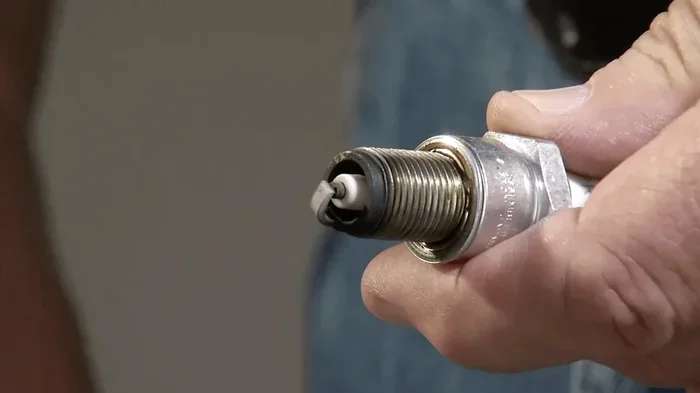
No, all lawn mower spark plugs are not the same. Different engines require different spark plug sizes, heat ranges, and configurations. Choosing the right plug matters for engine performance, fuel efficiency, and starting reliability. This guide covers everything you need to know about lawn mower spark plugs and how to find the correct one for your machine.
You grab your lawn mower on a sunny Saturday morning, ready to tackle the overgrown grass. You pull the cord, or hit the start button, and… nothing. Or maybe it starts but runs rough and stalls every few seconds. Before you call a repair tech or buy a whole new machine, there is one small, cheap part that could be the culprit. The spark plug.
Here is the question many homeowners ask: are all lawn mower spark plugs the same? The short answer is no. Not even close. Lawn mower engines come in many shapes and sizes, and each one needs a specific spark plug to work correctly. Using the wrong plug can lead to starting problems, poor performance, and even engine damage.
In this guide, we will walk through everything you need to know about lawn mower spark plugs. We will cover the different types, how to find the right one for your machine, and how to replace it yourself. By the end, you will feel confident tackling this simple maintenance task like a pro.
Key Takeaways
- Spark plugs are not universal: Lawn mower engines use different spark plugs based on engine size, type, and manufacturer.
- Check your owner’s manual: The best way to find the right plug is to consult your mower’s manual or the old plug itself.
- NGK and Champion are the top brands: These two manufacturers dominate the small engine spark plug market.
- Spark plug gap matters: Setting the correct gap ensures proper firing and engine performance.
- Signs of a bad plug: Difficulty starting, rough idle, and poor fuel economy often point to spark plug issues.
- Replacement is easy: Most homeowners can swap out a spark plug in under 15 minutes with basic tools.
- Don’t ignore heat range: Using the wrong heat range can cause engine damage over time.
📑 Table of Contents
- Why Spark Plugs Matter for Your Lawn Mower
- Different Types of Lawn Mower Spark Plugs
- How to Find the Right Spark Plug for Your Mower
- Popular Spark Plug Brands and Models
- Understanding Spark Plug Specifications
- Step-by-Step Guide to Replacing Your Spark Plug
- Common Spark Plug Problems and How to Fix Them
- Can You Use a Car Spark Plug in a Lawn Mower?
- When to Consider Upgrading Your Spark Plug
- Final Thoughts on Lawn Mower Spark Plugs
Why Spark Plugs Matter for Your Lawn Mower
The spark plug might be a tiny part, but it plays a huge role. Without it, your engine simply will not run. Here is how it works. When you pull the starter cord or press the start button, the ignition coil sends a high-voltage electrical current to the spark plug. The plug creates a spark in the combustion chamber. That spark ignites the fuel and air mixture, which creates the small explosions that power your engine.
If the spark plug is worn, dirty, or the wrong type, that whole process breaks down. You might notice engine performance problems like:
- Hard starting or no start at all
- Rough idle or stalling
- Reduced fuel efficiency
- Sluggish cutting power
- Black smoke or fuel smell
Think of the spark plug as the heartbeat of your small engine. If the heartbeat is weak or irregular, the whole system suffers. That is why picking the right plug is so important.
How Often Should You Replace Your Spark Plug?
Most manufacturers recommend replacing your spark plug once per mowing season. Some plugs can last up to 25 hours of use, while others may need attention every 10 hours. If you use your mower heavily, check the plug more often. A quick visual inspection can tell you a lot. Look for a worn electrode, carbon buildup, or a cracked porcelain insulator. Any of these signs mean it is time for a new one.
Different Types of Lawn Mower Spark Plugs
Not all spark plugs are created equal. There are several types used in lawn mowers, and understanding the differences helps you make the right choice.
Single Cylinder vs. Twin Cylinder Plugs
The most basic distinction is between single cylinder engines and twin cylinder engines. A single cylinder engine, which is common in push mowers, uses one spark plug. A twin cylinder engine, often found in riding mowers and larger push mowers, uses two plugs. These plugs are usually different models and cannot be swapped between the two engines.
For example, a Briggs and Stratton single cylinder engine might use a Champion RJ19LM plug, while the same brand’s twin cylinder engine might require a different part number entirely. Always check both cylinders on a twin cylinder mower.
Resistor vs. Non-Resistor Plugs
Some spark plugs have a built-in resistor, and some do not. The resistor helps reduce electromagnetic interference. This is important for mowers with electronic ignition systems or those that share space with sensitive electronics. Most modern mowers use resistor plugs. If you are unsure, check your manual or look at the old plug for markings.
Standard vs. Extended Reach Plugs
The reach of a spark plug refers to how deep it threads into the engine block. Some engines need a standard reach plug, while others require an extended reach version. Using the wrong reach can mean the plug does not seat properly, leading to poor sealing and engine problems.
How to Find the Right Spark Plug for Your Mower
Finding the correct replacement spark plug does not have to be complicated. There are several reliable ways to get it right.
Method 1: Check Your Owner’s Manual
Your owner’s manual is the best place to start. It will list the exact spark plug part number, heat range, and gap specification for your specific mower model. If you no longer have the paper manual, most manufacturers publish digital versions on their websites. Just search for your model number.
Method 2: Look at the Old Plug
If you already have the old plug in hand, you can read the markings directly on it. The part number is stamped on the metal shell. Write it down or take a photo. This is the fastest way to find an exact match. Common markings you might see include NGK or Champion brand names, along with a model number like NGK B2LM or Champion RG4HC.
Method 3: Use an Online Cross-Reference Tool
Many spark plug manufacturers offer free online cross-reference tools on their websites. You enter your mower brand and model, and the tool tells you which plug fits. NGK and Champion both offer these tools. They are especially helpful if you have lost your manual.
Method 4: Ask a Hardware or Small Engine Store
Your local hardware store or small engine dealer can help too. Bring the old plug with you or know your mower model number. They can match it quickly and accurately.
Popular Spark Plug Brands and Models
Two brands dominate the lawn mower spark plug world. Understanding them helps when you are shopping.
NGK Spark Plugs: NGK is a Japanese manufacturer known for quality and consistency. Their plugs are widely used in small engines. Popular models include the NGK B2LM, NGK B5LM, and NGK BPMR7A. NGK plugs are known for their durability and consistent spark.
Champion Spark Plugs: Champion is an American brand with a long history in small engine plugs. Common models include the Champion RJ19LM, Champion RG4HC, and Champion RN2C. Champion plugs are easy to find at most hardware stores.
Both brands offer excellent options. The key is matching the specific part number to your engine. Do not assume a plug from one brand will work just because it looks similar to another brand’s plug.
Understanding Spark Plug Specifications
When you are shopping for a new plug, you will encounter a few key specifications. Understanding these helps you make the right choice.
Thread Size
The thread size refers to the diameter of the plug’s threads that screw into the engine. The most common thread size for lawn mowers is 14mm. Some older engines or specific brands may use 12mm or 18mm. Always match the thread size exactly. A plug with the wrong thread size will not fit properly and could damage the engine.
Spark Plug Gap
The spark plug gap is the tiny distance between the center electrode and the side electrode. This gap is critical. If it is too wide, the spark may not fire. If it is too narrow, the spark may be weak. Most lawn mower plugs require a gap of 0.020 to 0.030 inches. Check your manual for the exact specification. Use a feeler gauge to set the gap correctly before installing the new plug.
Heat Range
The heat range refers to how quickly the plug dissipates heat. A lower number means a hotter plug, and a higher number means a cooler plug. Using the wrong heat range can cause problems. A plug that is too hot may cause pre-ignition. A plug that is too cold may foul quickly with carbon buildup. Always use the heat range recommended by your mower’s manufacturer.
Step-by-Step Guide to Replacing Your Spark Plug
Replacing a lawn mower spark plug is one of the easiest maintenance tasks you can do. Most people finish in under 15 minutes. Here is how to do it.
- Disconnect the spark plug wire. Pull the boot off the plug. Do not just yank the wire. Grab the boot and twist gently to remove it.
- Remove the old plug. Use a spark plug socket and ratchet to unscrew the old plug. Turn counterclockwise. If the plug is hard to reach, a spark plug extension can help.
- Check the new plug gap. Before installing the new plug, verify the gap with a feeler gauge. Adjust it if needed by gently bending the side electrode.
- Thread in the new plug. Hand-thread the new plug first to avoid cross-threading. Once it is snug, use the socket to tighten it. Do not overtighten. A snug fit is all you need.
- Reconnect the spark plug wire. Push the boot firmly onto the new plug until it clicks into place.
- Start the mower. Try starting the engine. It should fire up quickly and run smoothly.
Quick Tip: Apply a small amount of dielectric grease inside the spark plug boot before reattaching it. This makes future removal easier and helps prevent corrosion.
Common Spark Plug Problems and How to Fix Them
Even with the right plug, problems can still occur. Here are the most common issues and what to do about them.
Plug Won’t Start
If your mower will not start, the spark plug is often the first thing to check. Remove the plug and inspect it. Look for fuel fouling, carbon buildup, or a cracked porcelain insulator. If the plug looks bad, replace it. You can also test for spark by grounding the plug against the engine block and pulling the starter. If you see no spark, the plug may be faulty or the ignition coil may be the problem.
Black Carbon Buildup
A black, sooty coating on the plug usually means the engine is running rich. This can happen if the air filter is clogged or the carburetor needs adjustment. Replace the air filter and check the carburetor settings. A dirty air filter restricts airflow, which throws off the fuel and air mixture.
White or Light Brown Deposits
Light colored deposits on the plug can indicate a lean fuel mixture. This might be caused by a vacuum leak or a carburetor issue. Check for loose connections or cracked hoses near the carburetor.
Misfiring or Rough Running
If your mower runs rough or misfires, the spark plug gap may be off. Check the gap and adjust it to the factory specification. Also inspect the plug wire for cracks or damage. A damaged wire can cause intermittent spark loss.
Can You Use a Car Spark Plug in a Lawn Mower?
Many people wonder if they can grab a spark plug from the garage and use it in their mower. The answer is usually no. Car spark plugs and lawn mower spark plugs are designed for different engines. Car engines run at higher RPMs and under different conditions than small engines. The spark plug heat range, thread size, and gap specifications are different. Using a car plug in a mower can lead to poor performance or engine damage. Always use a plug designed for small engines.
When to Consider Upgrading Your Spark Plug
If your mower is older or you use it heavily, you might benefit from an upgraded plug. Some aftermarket plugs are designed for better performance and longer life. Platinum and iridium plugs, for example, last longer than standard copper plugs. However, for most residential mowers, a standard replacement plug works perfectly fine. Upgrading is most beneficial for commercial mowers or mowers that run for extended periods.
Before upgrading, make sure the aftermarket plug matches all the specifications for your engine. Check the thread size, reach, heat range, and gap. Using a performance plug that does not match your engine specifications can cause more harm than good.
Final Thoughts on Lawn Mower Spark Plugs
The answer to the question are all lawn mower spark plugs the same is a clear no. Every mower engine has specific plug requirements based on its design, size, and manufacturer. Taking the time to find the right plug pays off in better starting, smoother running, and improved fuel efficiency. It is a small part that makes a big difference.
Remember to check your plug at least once per season. Replace it when you see signs of wear. Keep a spare plug in your garage so you are always ready. With the right plug and a little maintenance knowledge, your mower will keep running strong for years to come.
Do not let a simple spark plug problem ruin your mowing day. Take five minutes to check it, and you will save yourself from bigger headaches down the road. Your lawn and your wallet will thank you.
Frequently Asked Questions
Can I use any spark plug in my lawn mower?
No, you cannot use just any spark plug. Each mower engine requires a specific plug based on thread size, heat range, and gap. Check your owner’s manual or the old plug to find the correct replacement.
How do I know if my spark plug is bad?
Signs of a bad spark plug include difficulty starting, rough idle, poor fuel economy, and black smoke. You can also remove the plug and inspect it for carbon buildup, a worn electrode, or a cracked insulator.
How often should I replace my lawn mower spark plug?
Most manufacturers recommend replacing the spark plug once per mowing season or every 25 hours of use. If you notice starting problems before that time, check the plug sooner.
What is the spark plug gap and why does it matter?
The spark plug gap is the distance between the center electrode and the side electrode. It matters because the gap controls the strength and consistency of the spark. Too wide or too narrow a gap can cause starting and performance issues.
Are NGK spark plugs better than Champion spark plugs?
Both NGK and Champion are excellent brands widely used in small engines. Neither is universally better. The right plug is the one that matches your engine’s specifications. Check your manual for the recommended brand and model.
Do I need special tools to replace a lawn mower spark plug?
You need a spark plug socket and a ratchet. A spark plug gap tool is also helpful for setting the correct gap. These tools are inexpensive and available at any hardware store.
=== CONCLUSION ===
Taking care of your lawn mower spark plugs is one of the simplest things you can do to keep your machine running well. Now you know the answer to are all lawn mower spark plugs the same. They are not. Each engine has its own requirements, and matching those requirements is the key to reliable performance. Use the tips in this guide to find the right plug, replace it correctly, and keep your mower in top shape all season long.