
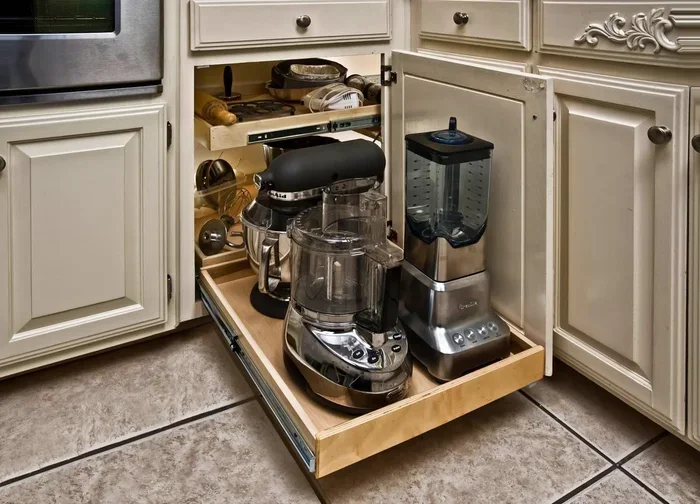
Storing large kitchen appliances properly saves you money, prevents damage, and keeps your appliances ready for the next use. Whether you are renovating, downsizing, or simply clearing out kitchen space, knowing the right way to store bulky items like refrigerators, ovens, and dishwashers makes all the difference. This guide walks you through every step of the process so you can protect your investment with confidence.
Storing large kitchen appliances is not as simple as shoving them into a corner and closing the door. Whether you are moving, renovating, or just clearing out space, the way you handle your big kitchen gear determines how well they hold up over time. A refrigerator, oven, or dishwasher can be a significant investment, and you deserve to protect that investment the right way.
So how do you store large kitchen appliances without the hassle? The answer lies in a few smart preparation steps, choosing the right storage spot, and following some straightforward best practices. This guide breaks everything down so you can store your appliances safely, keep them in great condition, and avoid the headaches that come with poor storage habits.
Let us walk through the entire process together. By the end of this article, you will feel confident and ready to tackle your appliance storage project like a pro.
Key Takeaways
- Clean and dry appliances before storage: Moisture is the biggest enemy of stored appliances.
- Choose the right storage location: Climate-controlled spaces work best for long-term storage.
- Disassemble where possible: Removing shelves and parts saves space and prevents damage.
- Use proper covers and padding: Protect surfaces from dust, dents, and scratches.
- Avoid common mistakes like storing appliances on their sides: This can damage internal components.
- Plan for long-term maintenance: Periodic checks keep appliances in top shape during storage.
📑 Table of Contents
- Why Proper Appliance Storage Matters
- Preparing Your Large Appliances for Storage
- Best Storage Locations for Big Kitchen Appliances
- Step-by-Step Guide to Storing Large Appliances
- Common Mistakes to Avoid When Storing Appliances
- Tips for Long-Term Appliance Storage
- Bringing Appliances Back Into Use After Storage
- Conclusion
Why Proper Appliance Storage Matters
You might wonder why all the fuss about storing appliances properly. Can you not just throw them in a garage or basement and call it done? Well, the truth is that improper storage leads to real problems. Moisture damage, pest infestations, cracked surfaces, and broken internal parts are all common outcomes of careless appliance storage.
When you take the time to store appliances correctly, you save money on repairs or replacements. You also save yourself the frustration of pulling a dusty, damaged appliance out of storage only to find it does not work anymore. Proper storage keeps your kitchen equipment ready to go whenever you need it next.
Protecting Your Investment
Large kitchen appliances are not cheap. A quality refrigerator or oven can cost hundreds or even thousands of dollars. Storing them the right way means that money stays protected. Think of storage prep as an insurance policy for your appliances.
Beyond the financial aspect, there is also the matter of convenience. When you know your appliances are stored safely, you do not have to worry about them every single day. You can focus on other parts of your life or project without the nagging stress of wondering if your gear is okay in storage.
Preventing Costly Damage
Water damage is one of the biggest risks for stored appliances. Even small amounts of moisture left inside a dishwasher or refrigerator can lead to mold, rust, and unpleasant odors. Pests like mice and cockroaches love to nest inside warm, dark appliances, and they can chew through wires and insulation.
Physical damage is another concern. A dented refrigerator door or a scratched oven surface might seem minor, but it can affect performance and resale value down the road. Taking a few extra hours to prepare and protect your appliances goes a long way toward avoiding these issues.
Preparing Your Large Appliances for Storage
Before you move any appliance into storage, preparation is key. This step is where most people cut corners, and it always comes back to bite them. Taking the time to properly clean, dry, and disassemble your appliances makes the whole storage process smoother and safer.
Step 1: Deep Clean Every Appliance
Start by giving each appliance a thorough cleaning. For a refrigerator, remove all shelves, drawers, and compartments. Wash them with warm soapy water and dry them completely. Wipe down the interior and exterior with a gentle cleaner, and make sure no food residue is left behind.
For an oven or stovetop, remove the racks and soak them in warm soapy water. Scrub the interior to get rid of any baked-on grease. A dishwasher needs its filter cleaned and its interior run through a short cycle with vinegar to eliminate odors and buildup.
Here is a quick checklist for cleaning:
- Remove all removable parts and wash them separately
- Use mild detergent and warm water for interior surfaces
- Wipe down exterior surfaces with a soft cloth
- Dry every surface completely with a clean towel
- Leave doors and compartments open for a few hours to air out
Step 2: Disconnect and Drain All Water Lines
Appliances that use water need special attention. A refrigerator with a water dispenser or ice maker has a line that must be shut off and drained. A dishwasher has hoses that carry water, and these need to be disconnected and drained completely.
For washing machines and dishwashers, run a rinse cycle with no detergent to flush out any remaining water. Then tilt the appliance slightly to let any trapped water drain out. Leaving even small amounts of water inside can lead to mold growth and rust during storage.
Step 3: Remove Shelves, Racks, and Accessories
Take out every removable part you can. Refrigerator shelves, oven racks, dishwasher racks, and washing machine dispensers should all be removed and stored separately. This not only protects these parts from breaking but also makes the main appliance lighter and easier to move.
Wrap each removed part in bubble wrap or soft cloth and store them in a labeled box. When it is time to put everything back together, you will be glad you organized things this way.
Best Storage Locations for Big Kitchen Appliances
Where you store your appliances matters just as much as how you prepare them. Not every spot in your home or storage unit works equally well for large kitchen gear. Let us look at the best options and what to consider for each one.
Climate-Controlled Storage Units
If you need to store appliances for more than a few weeks, a climate-controlled storage unit is your best bet. These units maintain steady temperature and humidity levels, which protects your appliances from the damage that extreme heat, cold, or moisture can cause.
Climate-controlled spaces are especially important for refrigerators and dishwashers, which have sensitive internal components that can be ruined by temperature swings. They also protect against rust and corrosion on metal parts and keep seals and gaskets from drying out or cracking.
Garage and Basement Considerations
A garage or basement can work for short-term storage, but they come with risks. Garages can get very hot in summer and very cold in winter. Basements tend to be damp, which invites moisture problems and pest activity.
If you must store appliances in a garage or basement, take extra precautions. Place appliances on elevated platforms or pallets to keep them off the floor. Use dehumidifiers to manage moisture levels, and check on the appliances regularly for any signs of damage or pest activity.
Indoor Closet or Pantry Space
For smaller kitchen appliances like microwaves, stand mixers, or coffee makers, indoor storage works well. A closet or pantry keeps them at a stable temperature and protects them from dust and damage. However, large appliances like refrigerators and ovens simply do not fit in most indoor spaces, so this option is really only practical for compact items.
Comparing Storage Locations
| Location | Best For | Pros | Cons |
|---|---|---|---|
| Climate-Controlled Unit | Long-term storage of all appliances | Stable temp and humidity; protects against damage | Costs monthly rental fees |
| Garage | Short-term storage (weeks to months) | Free if you already have one; easy access | Temperature extremes; dust and pests |
| Basement | Short-term storage | Cool and shaded; usually free space | High humidity; moisture and mold risks |
| Indoor Closet/Pantry | Small countertop appliances | Climate stable; convenient access | Very limited space for large appliances |
Step-by-Step Guide to Storing Large Appliances
Now that you know the why and where, let us get into the how. This step-by-step guide walks you through the actual process of storing your large kitchen appliances safely and efficiently.
Step 1: Measure Your Appliances and Storage Space
Before you start moving anything, measure both your appliances and the space where you plan to store them. Large refrigerators can be over six feet tall, and ovens are heavy and bulky. Knowing the exact dimensions helps you plan the layout and avoid getting stuck with an appliance that does not fit.
Write down the height, width, and depth of each appliance. Then measure the doorways, hallways, and storage spaces you will need to navigate. This simple step prevents a lot of frustration and potential damage during the moving process.
Step 2: Secure Loose Parts and Doors
Tape down any loose doors, shelves, or compartments so they do not swing open during transport or while in storage. Use painter’s tape or soft straps to secure refrigerator and oven doors. Never use duct tape directly on appliance surfaces, as it can leave residue and damage the finish.
For dishwashers and washing machines, secure the door with a bungee cord or strap. This prevents the door from swinging open and absorbing impact if the appliance gets bumped.
Step 3: Wrap and Protect Each Appliance
Wrap each appliance in moving blankets or thick bubble wrap to protect against scratches and dents. For refrigerators and ovens, cover the entire unit including the top. Use appliance-specific covers if you have them, or heavy-duty moving blankets as a great alternative.
Do not use plastic sheeting directly on the appliance surface. Plastic traps moisture against the finish and can cause discoloration or mold growth. Instead, use breathable fabric covers or blankets that allow air circulation while keeping dust out.
Step 4: Move Appliances Safely
When moving large appliances, always lift from the bottom. Never drag them across the floor, as this can damage the flooring, the appliance wheels, and the internal components. Use a dolly or appliance cart for heavy items like refrigerators and ovens.
If you are moving a refrigerator, keep it upright at all times. Laying a refrigerator on its side can cause the compressor oil to flow into the cooling lines, which can damage the system. The same rule applies to washing machines and dishwashers.
Step 5: Position Appliances in Storage
Place appliances on a flat, stable surface in your storage area. Use wooden pallets or furniture pads to create a barrier between the appliance and the floor. This protects against moisture wicking up from concrete floors and provides a buffer against temperature changes.
Leave some space between appliances for air circulation. Proper airflow helps prevent moisture buildup and keeps the storage area smelling fresh. Do not push appliances tightly against walls, as this can trap moisture and cause surface damage over time.
Common Mistakes to Avoid When Storing Appliances
Even with the best intentions, people make mistakes when storing large kitchen appliances. Knowing what to avoid can save you a lot of trouble and expense. Here are the most common errors and how to steer clear of them.
Skipping the Cleaning Step
This is the number one mistake people make. Storing a dirty appliance invites mold, pests, and odors that can set in quickly. Even a few crumbs left inside a refrigerator can attract bugs and create a foul smell that is very hard to get rid of later.
Always clean your appliances thoroughly before storage. It takes a few hours but saves you from a world of headaches when you are ready to use them again.
Storing Appliances on Their Side
As mentioned earlier, laying a refrigerator or washing machine on its side can cause serious internal damage. The compressor oil and other fluids can shift into places they should not be, leading to performance issues or complete failure when you try to use the appliance again.
Always store appliances in their upright position. If you absolutely must lay something on its side for transport, let it sit upright for at least 24 hours before plugging it in or turning it on.
Using Plastic Wrap Directly on Appliances
Plastic wrap or plastic sheeting seems like a convenient way to protect appliances, but it actually traps moisture against the surface. Over time, this moisture can cause rust, mold, and discoloration.
Use breathable fabric covers, moving blankets, or specially designed appliance storage bags instead. These materials protect against dust while allowing air to circulate freely.
Ignoring Humidity and Temperature Changes
A damp basement or a hot garage can wreak havoc on stored appliances. Metal parts rust, rubber seals crack, and electrical components can fail when exposed to extreme conditions over time.
Choose a storage location with stable climate conditions whenever possible. If you must store in a garage or basement, use a dehumidifier and check on the appliances regularly.
Tips for Long-Term Appliance Storage
If you are storing appliances for several months or longer, a few extra steps will help keep them in excellent condition. Long-term storage requires a bit more attention, but the payoff is worth it when your appliances work perfectly the moment you bring them back into your kitchen.
Check on Your Appliances Regularly
Plan to visit your storage area at least once a month. Look for signs of moisture, pest activity, or physical damage. Open refrigerator and oven doors briefly to let fresh air circulate inside. This quick check takes only a few minutes but can catch small problems before they become big ones.
Use Desiccants and Pest Deterrents
Place silica gel packets or moisture absorbers inside appliances and around the storage area. These help control humidity and keep the air dry. For pest prevention, use natural deterrents like cedar blocks or peppermint sachets near stored appliances.
Do Not Plug In Appliances in Storage
Never plug in an appliance while it is in storage. Even if the storage area has power outlets, keeping appliances unplugged prevents electrical issues, energy waste, and potential fire hazards. Only plug in appliances once they are back in their intended location and fully ready for use.
Keep Records and Photos
Take photos of each appliance before you store it. Note any existing scratches, dents, or wear and tear. Keep this documentation in a safe place. If you ever need to file an insurance claim or sell the appliance later, having a record of its condition before storage is incredibly valuable.
Bringing Appliances Back Into Use After Storage
When the time comes to bring your appliances out of storage, a little patience goes a long way. Let each appliance sit upright and unplugged for at least 24 hours before plugging it in. This allows any fluids or oils that may have shifted during storage to settle back into their proper place.
Clean each appliance one more time before using it. Dust and debris can accumulate during storage, and a quick wipe-down ensures everything is fresh and ready for action. Check all connections, hoses, and seals for any signs of damage or wear before turning the appliance on.
If something does not seem right after plugging in the appliance, do not force it. Contact a professional technician to inspect it. It is always better to be safe than to risk further damage by running a compromised appliance.
Conclusion
Knowing how to store large kitchen appliances without the hassle is a skill that pays off every single time. From thorough cleaning and careful disassembly to choosing the right storage location and protecting your appliances with proper covers, each step plays an important role in keeping your investment safe.
The key is preparation. A little effort upfront prevents damage, saves money, and makes the whole process smoother. Whether you are storing appliances for a few weeks during a kitchen renovation or for several months while you downsize, these tips will serve you well.
Take the time to do this right, and your appliances will be ready to go the moment you need them again. You will avoid the hassle, protect your wallet, and enjoy the peace of mind that comes from knowing your kitchen gear is stored safely and securely.
Frequently Asked Questions
Can I store a refrigerator on its side?
You should always store a refrigerator in its upright position. Laying it on its side can cause the compressor oil to flow into the cooling lines, which may damage the system. If you must transport it on its side, let it sit upright for at least 24 hours before plugging it in.
How do I protect appliances from moisture in a garage?
Place appliances on raised platforms or pallets to keep them off the concrete floor. Use a dehumidifier in the garage to manage moisture levels. Wrap appliances in breathable fabric covers rather than plastic to allow air circulation and prevent condensation buildup.
How long can I safely store kitchen appliances?
With proper preparation and the right storage location, most large kitchen appliances can be stored safely for several months to even years. Climate-controlled storage units offer the best protection for long-term storage. Regular check-ins every few weeks help catch any issues early.
Should I leave the doors of stored appliances open or closed?
Leave doors slightly ajar when storing appliances for long periods. This allows air to circulate inside, which prevents mold, mildew, and stale odors from developing. Use a soft strap or bungee cord to keep the door from swinging fully open.
Do I need to clean a dishwasher before storing it?
Yes, absolutely. Run a rinse cycle with white vinegar to remove any food residue, grease, and odors. Remove the filter and wash it separately. Make sure the dishwasher is completely dry before wrapping it for storage to prevent mold growth.
What is the best way to wrap large appliances for storage?
Moving blankets are the best option for wrapping large appliances. They are thick, breathable, and provide excellent protection against scratches and dents. For extra protection, layer bubble wrap around delicate areas like glass surfaces or control panels before wrapping with a blanket.

