Kitchen cabinet repair parts can help you fix common problems like loose hinges, broken drawer slides, and damaged cabinet doors without spending a fortune. Replacing just a few key components can make your cabinets look and work like new again. This guide covers every essential part you need to tackle kitchen cabinet repairs on your own.
Kitchen cabinets take a lot of daily wear and tear. Doors stick, drawers slide crooked, and hinges wobble loose over time. The good news is that you do not need to replace your entire kitchen to fix these problems. Kitchen cabinet repair parts are affordable, easy to find, and simple to install. With the right components, you can bring your cabinets back to life for just a few dollars. This guide walks you through every essential part you need, how to choose the right ones, and where to buy them.
Many homeowners panic when they see a crack in a cabinet door or a drawer that no longer closes smoothly. They assume the only solution is a costly kitchen remodel. But that is almost never true. Cabinet repair parts exist for nearly every common problem. A broken hinge, a worn-out drawer slide, or a cracked shelf support can all be fixed quickly. You just need to know what to look for. Let us dive into the most common cabinet issues and the parts that fix them.
Key Takeaways
- Save Money: Using kitchen cabinet repair parts costs a fraction of what you would pay for full cabinet replacement.
- Easy Fixes: Most common cabinet problems can be solved with simple parts like hinges, slides, and knobs.
- Know Your Parts: Understanding cabinet hardware names helps you find the right replacement fast.
- DIY Friendly: You do not need professional skills to install most cabinet repair components.
- Quality Matters: Buying durable parts the first time saves you from repeat repairs later.
- Multiple Sources: You can find cabinet replacement parts at hardware stores, online shops, and even salvage yards.
📑 Table of Contents
- Common Kitchen Cabinet Problems and How to Spot Them
- Essential Kitchen Cabinet Repair Parts You Should Know
- How to Choose the Right Replacement Parts for Your Cabinets
- Step-by-Step Guide to Repairing Kitchen Cabinets Yourself
- Cabinet Repair vs. Replacement: Which Saves More Money?
- Where to Buy Quality Kitchen Cabinet Repair Parts
- Quick Tips for Successful Cabinet Repairs
- Common Mistakes to Avoid When Repairing Cabinets
- Expert Insights on Extending Cabinet Life
- Key Takeaways
- Conclusion
Common Kitchen Cabinet Problems and How to Spot Them
Doors That Won’t Close Properly
This is one of the most frequent cabinet complaints. A door that sticks, gaps, or hangs crooked usually points to a hinge problem. Over time, the screws in your cabinet hinges loosen from regular use. The door shifts and no longer aligns with the frame. Sometimes the hinge itself becomes worn or bent. In most cases, you can fix this by tightening the existing screws. But if the hinge is damaged, you need a cabinet hinge replacement. Soft-close hinges are a popular upgrade because they prevent slamming and extend the life of your doors.
Drawers That Stick or Slide Crooked
A drawer that sticks, wobbles, or refuses to slide out smoothly is frustrating. The culprit is usually worn-out drawer slides. These metal tracks guide the drawer in and out. After years of use, they get dirty, bent, or corroded. Drawer repair often means replacing the slides entirely. Full-extension slides give you better access to the back of the drawer. They are a simple upgrade that makes a big difference in how your kitchen feels.
Cracked or Damaged Cabinet Doors
Cabinet doors can crack from impact, humidity changes, or just age. Small cracks can be filled with wood filler and sanded smooth. But larger cracks or splits may need a full door replacement. Cabinet doors come in many styles, sizes, and materials. You can buy cabinet fronts separately and swap them onto your existing cabinet boxes. This is a great way to refresh your kitchen without replacing the entire cabinet.
Loose or Missing Hardware
Knobs, pulls, and handles are the parts you touch every day. They loosen, fall off, or just look worn out. Replacing cabinet hardware is one of the easiest and cheapest ways to update your kitchen. A new set of cabinet knobs or cabinet pulls can completely change the look of your cabinets. You do not even need to change the doors.
Essential Kitchen Cabinet Repair Parts You Should Know
Understanding the names and functions of different parts makes shopping much easier. Here are the most important kitchen cabinet repair parts you will encounter.
Cabinet Hinges
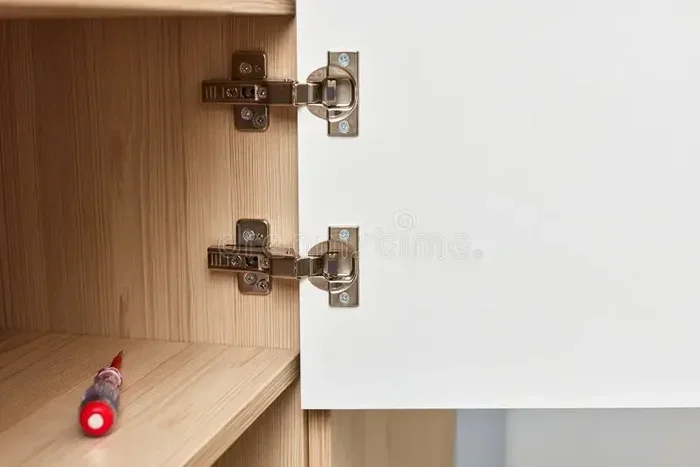
Cabinet hinges connect your doors to the cabinet frame. They come in many styles. Barrel hinges are hidden inside the door for a clean look. Surface-mount hinges attach to the outside and are easy to replace. Soft-close hinges have a hydraulic mechanism that prevents the door from slamming. These are the most popular choice for modern kitchens because they reduce noise and prevent damage over time. A hinge repair kit usually includes screws, pins, and replacement cups for common problems.
Drawer Slides
Drawer slides are the metal tracks that let drawers move smoothly. There are two main types. Side-mount slides attach to the sides of the drawer and cabinet. Undermount slides attach underneath and are hidden from view. Soft-close drawer slides slow the drawer as it reaches the closed position. This prevents rattling and extends the life of your drawers. When shopping for cabinet slides, make sure you measure the full length and weight capacity.
Shelf Supports and Pins
Shelf supports hold adjustable shelves in place. They come as metal pins or clips that fit into holes drilled in the cabinet sides. Shelf support pins are small but essential. If one breaks or goes missing, the shelf sags or collapses. Replacement pins are inexpensive and come in different sizes to fit various cabinet brands. Mounting brackets serve a similar purpose for fixed shelves that need extra support.
Cabinet Knobs and Pulls
Cabinet knobs are the small round or oval handles you grip to open a door. Cabinet pulls are longer bars that span the width of a drawer or door. Both types come in countless materials like brass, stainless steel, chrome, and ceramic. Replacing cabinet hardware is one of the fastest ways to give your kitchen a brand-new look without any major work.
Door Closers and Latches
Cabinet latches keep doors and drawers securely closed. Cabinet door closers are small mechanisms that gently pull a door shut. These parts are especially useful in busy kitchens where cabinets get bumped hard. A simple latch repair kit can fix most problems with these small but important components.
Wood Filler and Adhesives
For cracks, chips, and small holes, wood filler is your best friend. It fills gaps, dries hard, and can be sanded and painted over. Cabinet-grade adhesives help reattach loose joints and reinforce weak spots. These are not structural parts, but they play a big role in a successful cabinet restoration project.
How to Choose the Right Replacement Parts for Your Cabinets
Measure Everything Before You Buy
The biggest mistake people make is buying parts without measuring first. Use a tape measure and write down the dimensions of the part you need. For hinges, measure the door thickness and the overlay. For drawer slides, measure the full extension length. For knobs and pulls, measure the hole spacing on the door or drawer front. Accurate measurements save you time, money, and the frustration of returns.
Match the Style and Finish
Kitchen cabinets come in many styles from traditional to modern. Your replacement parts should match the existing look. If your cabinets have a brushed nickel finish, buy hardware in the same finish. Cabinet hardware replacement is easy, but mixing finishes can look jarring. Take a photo of your current hardware and bring it to the store. This makes matching much simpler.
Check the Weight Capacity
Not all cabinet repair parts are built the same. Heavy drawers need heavy-duty slides. Large cabinet doors need sturdy hinges with a high weight rating. Check the manufacturer specifications before you buy. Choosing parts that can handle the load prevents future problems and extends the life of your cabinets.
Consider the Cabinet Material
The material of your cabinets affects which parts work best. Solid wood cabinets can handle heavier hardware. Laminate or veneer cabinets need careful handling to avoid chipping. Particleboard cabinets are lighter and may need smaller screws and lighter-duty hinges. Always consider the material when selecting cabinet hardware and fasteners.
| Part Type | Common Problem | Replacement Cost | DIY Difficulty |
|---|---|---|---|
| Cabinet Hinges | Door sticks or gaps | $3-$15 per hinge | Easy |
| Drawer Slides | Drawer sticks or wobbles | $5-$20 per pair | Easy to Medium |
| Cabinet Knobs | Loose or outdated look | $1-$5 each | Very Easy |
| Cabinet Pulls | Loose or outdated look | $3-$10 each | Very Easy |
| Shelf Supports | Shelf sags or collapses | $0.50-$2 per pin | Very Easy |
| Cabinet Door Closers | Door slams shut | $5-$12 each | Easy |
| Cabinet Fronts (Doors) | Cracked or damaged door | $20-$80 per door | Medium |
Step-by-Step Guide to Repairing Kitchen Cabinets Yourself
Step 1: Gather Your Tools
Before you start, collect the basics. You need a screwdriver (Phillips and flathead), a drill, a tape measure, pliers, and a level. Keep your cabinet repair parts organized on a clean towel. Having everything ready prevents frustration and keeps the project moving smoothly.
Step 2: Remove the Damaged Part
Carefully remove the door, drawer, or shelf that needs repair. Take photos as you go so you remember how everything was connected. Label each screw and part if needed. This makes reassembly much easier and prevents confusion.
Step 3: Clean and Prep the Area
Wipe down the cabinet frame and remove any old adhesive, dirt, or debris. If you are using wood filler, sand the area lightly before applying. Clean surfaces help new parts adhere better and last longer.
Step 4: Install the New Part
Follow the manufacturer instructions for each part. For cabinet hinges, mark the screw holes, drill pilot holes if needed, and attach the hinge. For drawer slides, align them carefully and use a level to make sure the drawer slides straight. Take your time with this step. Proper alignment makes all the difference.
Step 5: Test and Adjust
Once installed, test the part by opening and closing the door or drawer several times. Check for smooth movement, proper alignment, and tight fit. Make small adjustments as needed. Tighten any loose screws and recheck your work. A little extra attention at this stage prevents problems later.
Cabinet Repair vs. Replacement: Which Saves More Money?
The Cost Comparison
Many homeowners wonder whether to repair or replace their cabinets. The answer usually favors repair. A full cabinet replacement can cost thousands of dollars, including materials, labor, and kitchen downtime. Kitchen cabinet repair parts cost a tiny fraction of that. A new set of hinges, slides, and hardware might run you $50 to $150 total. Compare that to $3,000 or more for a full cabinet replacement, and the choice is clear.
When Repair Makes the Most Sense
Repair is the smart choice when the cabinet box is still solid. If the structure is sound and only the hardware or doors are worn out, swapping parts is the way to go. Cabinet refacing is another budget-friendly option. It involves replacing just the doors and drawer fronts while keeping the existing cabinet boxes. This gives your kitchen a fresh look at a fraction of the cost of full replacement.
When Replacement Becomes Necessary
Sometimes replacement is the better choice. If the cabinet boxes are water-damaged, severely warped, or infested with pests, repair parts will not fix the problem. In these cases, full replacement makes more sense long-term. But even then, you can often keep some cabinet boxes and just replace the damaged ones. This hybrid approach saves money while still solving the problem.
Where to Buy Quality Kitchen Cabinet Repair Parts
Local Hardware Stores
Your local hardware store is a great first stop. Staff members can often help you find the right part and answer questions about installation. Stores like Home Depot, Lowe’s, and Ace Hardware carry a wide selection of cabinet hinges, slides, knobs, and pulls. The advantage of shopping locally is that you can see and feel the parts before buying them.
Online Retailers
Online shopping gives you access to a much wider selection of cabinet repair parts. Websites like Amazon, Rockler, and Woodcraft offer thousands of options with detailed specifications and customer reviews. You can compare prices easily and find parts for specific cabinet brands. Just make sure to read the return policy in case parts do not fit correctly.
Salvage Yards and Reclaimed Hardware Shops
For vintage or unique cabinets, salvage yards are goldmines. You can find original cabinet hardware from decades past that no longer gets manufactured. These parts add character and authenticity to older kitchens. Salvage shops also sell entire cabinet doors and fronts, which is perfect for cabinet restoration projects.
Manufacturer Direct
If you know your cabinet brand, check the manufacturer’s website. Many companies sell replacement parts directly. This is especially helpful for specialty items like specific hinge models or custom-sized cabinet fronts. Brands like Blum, Hettich, and Salice are well-known for high-quality cabinet hardware and replacement components.
Quick Tips for Successful Cabinet Repairs
- Always tighten screws before assuming a part is broken. Loose screws cause many problems that look like part failure.
- Keep spare parts on hand. Buy extra hinges, slides, and knobs when you find a deal. They always come in handy later.
- Use a level during installation. A crooked drawer or door is annoying and can cause further damage over time.
- Sand and prime wood filler before painting. This ensures a smooth, seamless finish that matches the rest of the cabinet.
- Lubricate drawer slides regularly. A little silicone spray keeps slides operating smoothly and prevents early wear.
Common Mistakes to Avoid When Repairing Cabinets
Buying the Wrong Size
The most common mistake is purchasing parts without proper measurements. A hinge that is one millimeter too small will not work correctly. Always double-check your measurements and compare them to the part specifications before ordering.
Over-Tightening Screws
It is tempting to crank screws as tight as possible. But over-tightening strips the wood and weakens the hold. Tighten just until the part is secure and snug. If the screw feels loose, try a slightly larger screw or use a toothpick with wood glue to reinforce the hole.
Ignoring the Root Cause
A sticky drawer might be caused by a swollen drawer from humidity, not just a bad slide. A door that gaps might be caused by a shifting foundation, not a loose hinge. Always investigate the root cause before replacing parts. Otherwise, you might fix the symptom only to have the problem return.
Skipping the Test Phase
Some people install parts and move on without testing. Always open and close every repaired door and drawer at least five times before calling the job done. This catches alignment issues and loose screws early.
Expert Insights on Extending Cabinet Life
Cabinet restoration experts agree that regular maintenance is the best investment you can make. A simple wipe-down of cabinet surfaces prevents buildup that can damage finishes over time. Checking hinges and slides once a year catches small problems before they become big ones. Applying a coat of furniture wax to wood cabinets protects the surface and keeps them looking beautiful for decades.
Another expert tip is to avoid overloading drawers. Every drawer has a weight limit, and exceeding it wears out slides and warps the box. Distribute heavy items across multiple drawers when possible. This small habit extends the life of your cabinet slides and keeps everything operating smoothly.
Key Takeaways
- Affordable Repairs: Kitchen cabinet repair parts cost a fraction of full cabinet replacement and solve most common problems.
- Know Your Parts: Understanding hinges, slides, knobs, and shelf supports helps you shop with confidence and find the right fit.
- Measure Twice: Always measure the existing part before buying a replacement to avoid returns and frustration.
- DIY Is Doable: Most cabinet repairs are simple enough for beginners with basic tools and a little patience.
- Quality Parts Last Longer: Investing in durable cabinet hardware from reputable brands saves money in the long run.
- Regular Maintenance Helps: Simple habits like lubricating slides and checking hinges prevent costly damage over time.
- Multiple Buying Options: You can find quality cabinet repair components at hardware stores, online retailers, and salvage shops.
Conclusion
Kitchen cabinet repair parts are the smartest investment you can make for your kitchen. They save you hundreds or even thousands of dollars compared to full cabinet replacement. Whether you need to swap out a hinge, replace a drawer slide, or install a new set of cabinet knobs, the right parts make the job quick and easy. Most repairs take less than an hour and require only basic tools. You do not need to be a professional carpenter to get great results.
The key is knowing which parts you need and choosing quality components that will last. With the information in this guide, you are now equipped to tackle the most common cabinet problems confidently. Kitchen cabinet repair is rewarding, budget-friendly, and surprisingly satisfying. So grab your screwdriver, pick up the right cabinet repair parts, and give your kitchen the refresh it deserves. Your cabinets will thank you for years to come.
Frequently Asked Questions
What are the most common kitchen cabinet repair parts?
The most common parts include cabinet hinges, drawer slides, cabinet knobs, cabinet pulls, shelf support pins, and door closers. These components handle the daily wear and tear of kitchen use and are the first parts to show signs of wear. Replacing any of these is simple and affordable.
How much does it cost to repair kitchen cabinets with replacement parts?
A basic cabinet repair using replacement parts typically costs between $20 and $150 depending on the number of parts needed. Individual hinges cost $3 to $15, drawer slides run $5 to $20 per pair, and knobs or pulls range from $1 to $10 each. This is a small fraction of what a full cabinet replacement would cost.
Can I replace cabinet doors without replacing the entire cabinet?
Yes, absolutely. You can buy cabinet fronts or replacement doors separately and attach them to your existing cabinet boxes. This is a popular way to update the look of your kitchen without the expense of replacing the entire cabinet structure. Just measure your current doors carefully before ordering.
Are soft-close hinges worth the extra cost?
Soft-close hinges are definitely worth the investment. They prevent cabinet doors from slamming shut, which reduces noise and prevents damage to both the doors and the cabinet frame over time. The smooth, quiet close also adds a premium feel to your kitchen. Most homeowners notice the difference immediately.
How do I find the right size drawer slides for my cabinets?
Measure the full length of your existing slide from front to back. Also check the width and weight capacity. Most drawer slides come in standard sizes like 12-inch, 18-inch, or 24-inch full extension. If you are unsure, remove the old slide and bring it with you to the store for an exact match.
Where can I find vintage or discontinued cabinet hardware?
Salvage yards, estate sales, and online marketplaces like eBay are excellent sources for vintage or discontinued cabinet hardware. You can also check with the cabinet manufacturer directly, as some companies maintain archives of older parts. Specialty hardware shops that focus on restoration projects are another great resource.