Choosing the best kitchen coffee maker depends on your brewing style, budget, and daily routine. This guide walks you through every type of coffee brewer, from drip machines to espresso makers, so you can make a confident decision. You will learn the key features that matter most, common mistakes to avoid, and expert tips that save you time and money.
Finding the perfect kitchen coffee maker can feel overwhelming. There are so many brands, styles, and price points on the market today. You might wonder if a drip coffee machine is really better than a pod machine. Or maybe you are torn between a French press and a programmable coffee maker. The truth is, there is no single best option. The right kitchen coffee maker depends entirely on your morning routine, taste preferences, and budget.
This guide breaks down every major type of coffee brewer available right now. We will walk you through the features that actually matter, compare popular models, and share tips from coffee experts. By the end, you will feel confident choosing a countertop coffee machine that fits your home perfectly. Let us dive in.
Key Takeaways
- Match the brewer to your lifestyle: A single serve coffee maker suits busy mornings, while a drip coffee machine works best for households that brew multiple cups at once.
- Focus on key features: Water reservoir size, brewing temperature, programmability, and carafe type make a big difference in daily convenience.
- Set a realistic budget: Great kitchen coffee makers exist at every price point, from affordable pod machines to premium bean to cup coffee makers.
- Avoid common buying mistakes: Skipping research on maintenance costs, ignoring brew strength settings, and choosing size over function are the top errors buyers make.
- Explore all coffee brewing methods: Drip, espresso, French press, pour over coffee, and pod machines each deliver a unique cup profile worth trying.
- Maintenance matters: Regular descaling, cleaning the coffee filter, and replacing parts keeps your countertop coffee machine running smoothly for years.
📑 Table of Contents
Types of Kitchen Coffee Makers
Not all coffee makers work the same way. Each type uses a different coffee brewing method, and that affects the flavor, speed, and ease of use. Understanding the main categories helps you narrow your choices fast.
Drip Coffee Machines
The drip coffee machine is the most popular kitchen coffee maker in homes around the world. It heats water and drips it through a basket of ground coffee beans. The brewed coffee collects in a carafe on a warming plate. Most drip machines have a water reservoir that holds enough water for four to twelve cups.
These machines are simple to use. You add water, drop in a coffee filter, add grounds, and press start. Many modern drip coffee machines come with coffee strength settings and programmable timers. This means your kitchen coffee maker can start brewing before you even walk into the kitchen.
Single Serve Coffee Maker Options
A single serve coffee maker is perfect for people who want one cup at a time. These machines use pre-packaged pods or capsules filled with ground coffee. You insert a pod, add water, and the machine brews a fresh cup in under a minute.
Brands like Keurig and Nespresso made the coffee pod machine famous. Today, you can find single serve coffee maker models from many brands at different price points. Some machines accept reusable pods, which saves money and reduces waste. If you live alone or have a small household, a single serve coffee maker is a smart choice.
Espresso Machines
An espresso maker forces hot water through finely ground coffee at high pressure. This creates a concentrated, rich shot of coffee with a layer of crema on top. You can use an espresso maker to make lattes, cappuccinos, and americano drinks at home.
There are three main types of espresso machines. Manual machines give you full control over pressure and brewing time. Semi-automatic machines handle water flow but let you grind and tamp the coffee yourself. Fully automatic and bean to cup coffee maker models grind the beans and brew the espresso with one touch. Espresso machines tend to cost more, but they open up a whole world of coffee drinks you can make at home.
French Press and Pour-Over Brewers
Not every coffee brewer uses electricity. The French press is a simple glass or stainless steel pot that steeps ground coffee in hot water. You press a metal plunger down to separate the grounds from the liquid. The result is a full-bodied cup with natural oils still in the brew.
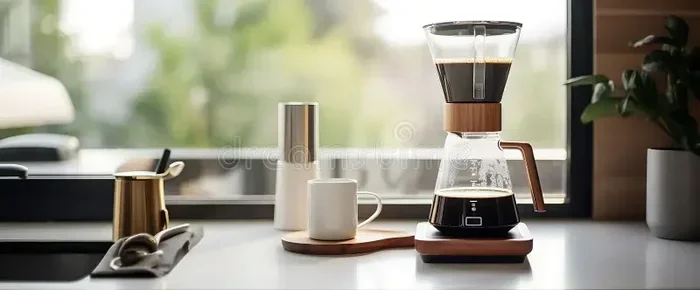
Pour over coffee is another manual method that has grown in popularity. You pour hot water slowly over ground coffee sitting in a paper or metal filter. The water drips through and into a cup or carafe below. Both the French press and pour over coffee methods give you control over brewing temperature and coffee brewing time. They do not require any electricity or complex parts.
Key Features to Look For
When shopping for a kitchen coffee maker, it is easy to get distracted by flashy extras. Focus on the features that truly impact your daily cup of coffee.
Water Reservoir and Coffee Maker Capacity
The water reservoir is where you fill the machine before brewing. A larger reservoir means fewer refills. If you brew coffee for a family, look for a kitchen coffee maker with at least a ten-cup capacity. Single users may prefer a smaller reservoir that keeps things compact on the counter.
Check whether the water reservoir is removable. A removable tank makes refilling and cleaning much easier. Some countertop coffee machine models also have a clear window so you can see the water level at a glance.
Brewing Temperature and Time
The ideal brewing temperature for coffee is between 195 and 205 degrees Fahrenheit. Machines that heat water to this range extract the best flavors from ground coffee. Cheaper models sometimes heat water too quickly or too slowly, which leads to weak or bitter coffee.
Coffee brewing time matters too. A good drip coffee machine should brew a full pot in about five to ten minutes. Single serve machines should complete a cup in under two minutes. If your kitchen coffee maker takes too long, it may not be heating water efficiently.
Programmability and Smart Features
A programmable coffee maker is a game changer for busy mornings. You can set a timer the night before and wake up to fresh coffee. Some models let you schedule brew times down to the minute.
Higher-end kitchen coffee makers now include smart features. You can control brewing with a phone app or voice commands through smart home systems. These coffee maker features add convenience, but they also raise the price. Decide whether you truly need these extras before spending extra money.
Comparing Popular Kitchen Coffee Maker Types
Not sure which type of coffee brewer fits your needs? Here is a side-by-side look at the most popular options.
| Feature | Drip Machine | Single Serve Pod | Espresso Machine | French Press |
|---|---|---|---|---|
| Best For | Families and regular drinkers | Quick single cups | Espresso lovers and milk drinks | Ritual lovers and rich flavor |
| Brew Time | 5-10 minutes | Under 2 minutes | 2-5 minutes | 4 minutes steeping |
| Capacity | 4-12 cups | 1 cup at a time | 1-2 shots per cycle | 2-4 cups per press |
| Price Range | $30-$200 | $50-$200 | $100-$800+ | $15-$60 |
| Cleanup | Easy, removable carafe | Very easy, discard pod | Moderate, parts to rinse | Simple, discard grounds |
| Requires Electricity | Yes | Yes | Yes | No |
| Coffee Flavor | Clean and consistent | Convenient, varies by pod | Rich and concentrated | Full-bodied and bold |
As you can see, each type of kitchen coffee maker has its own strengths. The best choice depends on how much coffee you drink, who you are brewing for, and how much effort you want to put in.
Quick Tips for Getting the Best Brew
Even the best kitchen coffee maker will make weak or bitter coffee if you do not use it correctly. Follow these simple tips to improve every cup.
- Use fresh, filtered water. The water makes up over 98 percent of your coffee. Good water quality leads to better flavor.
- Grind your beans just before brewing. A quality coffee grinder preserves the aromatic oils that give coffee its rich taste. Pre-ground coffee loses flavor fast.
- Measure your coffee grounds carefully. A general rule is two tablespoons of ground coffee per six ounces of water. Adjust based on your taste.
- Clean your machine regularly. Run a descaling cycle with white vinegar or a descaling solution every one to two months. This removes mineral buildup that affects brewing.
- Store coffee beans properly. Keep beans in an airtight container away from light and heat. Never store them in the refrigerator.
These small habits make a big difference. Your coffee brewing methods and the quality of your beans matter just as much as the machine itself.
Common Mistakes to Avoid
Buying a kitchen coffee maker is exciting, but many buyers make avoidable mistakes. Here are the ones to watch out for.
- Ignoring maintenance costs. Some machines look cheap upfront but need expensive filters, pods, or descaling products over time. Factor in ongoing costs before you buy.
- Choosing size over function. A sleek countertop coffee machine looks nice, but it may have a tiny water reservoir or limited brew settings. Always prioritize function first.
- Skipping the coffee grinder. Even the best coffee maker cannot fix stale or poorly ground beans. A coffee grinder is one of the most important tools for great coffee.
- Not testing the brew strength. Many modern machines offer adjustable strength settings. If your kitchen coffee maker does not let you control strength, your coffee may always taste the same.
- Buying more than you need. A couple that drinks one cup each morning does not need a twelve-cup drip machine. Match the coffee maker capacity to your actual daily use.
Avoiding these mistakes saves money and frustration. Take your time, do your research, and choose wisely.
Expert Insights on Kitchen Coffee Makers
We spoke with coffee professionals to get their honest advice on buying a kitchen coffee maker. Here is what they had to say.
Start with your brewing habits. “The best coffee brewer is the one you will actually use every day,” says Maria Lopez, a specialty coffee roaster with over ten years of experience. “If you hate cleaning parts, skip the manual French press and go with a simple drip machine or pod system.”
Do not overlook the thermal carafe. Many drip machines come with glass carafes that lose heat quickly. A thermal carafe keeps coffee hot for hours without burning it. If you like to refill your cup throughout the morning, this feature is worth the extra cost.
Invest in grind quality when possible. “Even a mid-range kitchen coffee maker produces amazing coffee if you start with freshly ground beans,” explains James Chen, a barista and coffee educator. “The coffee grinder is the unsung hero of a great cup.”
Read reviews before you buy. Look for verified customer reviews that mention long-term reliability. Pay attention to comments about durability, customer service, and ease of finding replacement parts for your coffee maker features.
How to Match Your Budget to the Right Coffee Maker
Price is always a factor when choosing a kitchen coffee maker. The good news is that excellent options exist at every budget level.
Budget models under $50 work well for basic drip brewing. They may lack advanced coffee maker features like programmability or strength control, but they get the job done. A basic single serve coffee maker in this range is perfect for someone who wants quick, easy cups.
Mid-range machines between $50 and $200 offer the best value for most households. You get programmable coffee maker features, better brewing temperature control, and durable construction. This is the sweet spot for most coffee brewing methods except high-end espresso.
Premium machines above $200 deliver advanced capabilities. High-end espresso machines and bean to cup coffee maker models fall in this category. They offer precise control over every variable and can produce café-quality drinks at home. If you are a serious coffee enthusiast, this investment pays off over time.
No matter your budget, prioritize build quality and warranty. A well-made kitchen coffee maker from a reputable brand will last many years with proper care.
Conclusion
Choosing the best kitchen coffee maker does not have to be complicated. Start by understanding your daily coffee habits. Decide whether you prefer a drip coffee machine, a single serve coffee maker, an espresso maker, or a manual brewer like a French press or pour over coffee setup. Focus on the features that matter most to you, such as water reservoir size, brewing temperature, and programmability.
Avoid common pitfalls like ignoring maintenance costs or buying a machine that is too large or too small for your needs. Follow the quick tips shared in this guide, and invest in a good coffee grinder to elevate your brewing game. With the right kitchen coffee maker on your countertop, every morning starts with a perfect cup of coffee made exactly the way you like it.
Take action today. Review your options, compare the models that caught your eye, and make a confident choice. Your perfect coffee brewer is waiting for you.
Frequently Asked Questions
What is the best type of kitchen coffee maker for a family?
A drip coffee machine is usually the best choice for families. It can brew multiple cups at once, has a large water reservoir, and is easy to operate. Look for models with a thermal carafe and programmable settings for added convenience.
How often should I clean my kitchen coffee maker?
You should rinse removable parts after every use and run a deep cleaning or descaling cycle every one to two months. Regular maintenance keeps your kitchen coffee maker brewing at the right brewing temperature and prevents mineral buildup that affects flavor.
Is a single serve coffee maker worth the cost?
Yes, if you mostly drink one cup at a time. A single serve coffee maker saves time and reduces waste compared to brewing a full pot. Just factor in the ongoing cost of pods or reusable capsules when calculating the total price.
Can I use a French press and a kitchen coffee maker together?
Absolutely. Many coffee lovers use a kitchen coffee maker for quick morning cups and a French press for weekend brewing or entertaining guests. Both coffee brewing methods have their place in the kitchen.
What should I look for in a programmable coffee maker?
Look for a programmable coffee maker with a clear timer display, a removable water reservoir, adjustable coffee strength settings, and a brew pause feature. These coffee maker features make daily use much more convenient and enjoyable.
Does brewing temperature really affect coffee taste?
Yes, it makes a big difference. Water that is too hot over-extracts the coffee and creates bitterness. Water that is too cool under-extracts and produces a weak, flat taste. The ideal brewing temperature between 195 and 205 degrees Fahrenheit brings out the best flavor from your coffee grounds.