
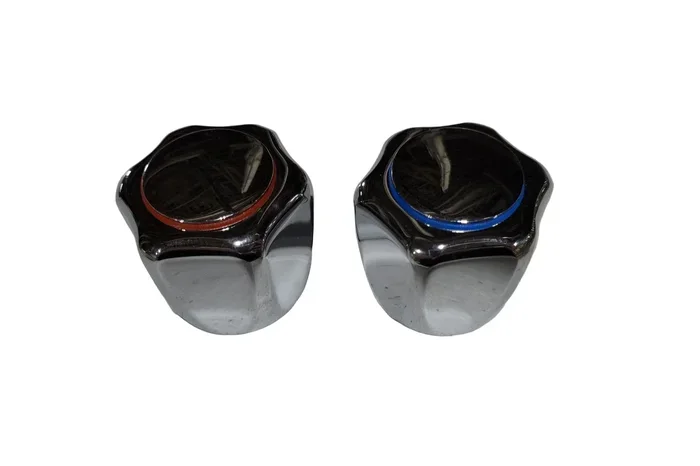
Choosing the right kitchen faucet with hot and cold handles can transform your cooking experience. This guide covers everything you need to know, from faucet types and key features to installation tips and top brands. You will learn how to pick a durable, stylish fixture that fits your kitchen perfectly.
A kitchen faucet with hot and cold handles is more than just a fixture above your sink. It is the tool you reach for dozens of times every day. Whether you are rinsing vegetables, washing dishes, or filling a pot with water, the right faucet makes the job easier and faster.
Not all faucets are created equal. Some last for decades. Others start leaking within a year. The difference often comes down to the type of handles, the materials used, and how well the faucet is installed. If you are shopping for a new faucet, this guide will walk you through everything you need to know.
We will cover the different types of two-handle faucets, the features that really matter, and how to avoid common buying mistakes. By the end, you will feel confident picking the perfect kitchen faucet with hot and cold handles for your home.
Key Takeaways
- Two-handle faucets offer precise temperature control: They let you adjust hot and cold water independently for a better cooking and washing experience.
- Material and finish matter for durability: Stainless steel, chrome, and brushed nickel are popular choices that resist corrosion and match any kitchen style.
- Ceramic disc valves are the gold standard: They provide leak-free operation and last for years with minimal maintenance.
- Proper installation makes a big difference: Following the right steps ensures your faucet works efficiently and lasts longer.
- Regular maintenance keeps your faucet looking new: Simple cleaning habits prevent buildup and extend the life of your fixture.
- Budget options exist at every price point: You do not need to spend a fortune to get a quality faucet with hot and cold handles.
📑 Table of Contents
- Why a Kitchen Faucet with Hot and Cold Handles Matters
- Types of Kitchen Faucets with Hot and Cold Handles
- Key Features to Look For
- Installation Tips for Your New Faucet
- Maintenance Tips to Keep Your Faucet Looking Great
- Common Mistakes to Avoid When Buying a Kitchen Faucet
- Top Brands for Kitchen Faucets with Hot and Cold Handles
- Final Thoughts
Why a Kitchen Faucet with Hot and Cold Handles Matters
You might wonder why handles still matter in a world of touchless and single-handle faucets. The truth is, hot and cold handles offer benefits that other designs simply cannot match. They give you exact control over water temperature, which matters a lot in the kitchen.
Better Temperature Control
When you have separate hot and cold handles, you can fine-tune the water temperature with precision. Want warm water for washing delicate produce? Just turn the hot handle slightly. Need cold water for filling a glass? Use the cold handle alone. This level of control is hard to achieve with single-handle models.
Many home cooks prefer two-handle faucets because they can set the temperature once and leave it. You do not have to keep adjusting while you rinse or fill pots. This small convenience adds up over time, especially during busy cooking sessions when you are preparing a meal and might also be making a sweet and tangy sauce recipe on the stove.
Classic Kitchen Aesthetic
Two-handle faucets have a timeless look. They suit traditional kitchen designs perfectly. But they also work well in modern kitchens when paired with the right finish. Chrome two-handle faucets, for example, give a clean, sleek appearance that complements many styles.
If you love the idea of a classic kitchen, a kitchen faucet with hot and cold handles is a great choice. It adds a touch of elegance that single-handle or touchless models sometimes lack.
Types of Kitchen Faucets with Hot and Cold Handles
Not all two-handle faucets are the same. There are different configurations, and each one works best in certain kitchen setups. Understanding these types will help you make a smarter purchase.
Widespread Faucets
Widespread faucets have two separate handles mounted on long spouts. The handles are placed far apart, usually about eight inches. This design looks elegant and works well in kitchens with a wide sink or countertop.
The main advantage of widespread faucets is their classic appearance. They feel more substantial and look like a premium fixture. They also tend to have a higher arc spout, which makes it easy to fit large pots underneath.
Centerset Faucets
Centerset faucets have the handles and spout connected to a single base plate. The handles are closer together, usually about four inches apart. This design fits most standard kitchen sinks without any special drilling.
Centerset faucets are a popular choice for smaller kitchens or apartments. They take up less space and are easier to install. If you are working with a tight budget, a centerset kitchen faucet with hot and cold handles is a practical option.
Mini-Widespread Faucets
Mini-widespread faucets are a middle ground. The handles are closer together than a full widespread but still separate from the spout. They offer a balanced look that works in most kitchen sizes.
This type is a great option if you want the classic two-handle look but do not have enough deck space for a full widespread faucet.
Key Features to Look For
When shopping for a kitchen faucet with hot and cold handles, not all features are created equal. Some matter more than others for everyday performance and durability.
Material and Finish Options
The material of your faucet affects how long it lasts and how it looks. Here are the most common options:
- Stainless Steel: Durable, corrosion-resistant, and easy to clean. Stainless steel is a top choice for busy kitchens.
- Chrome: Shiny and reflective. Chrome faucets look sleek and match almost any kitchen decor.
- Brushed Nickel: A matte finish that hides water spots well. It works great in modern and farmhouse-style kitchens.
- Bronze or Brass: These add a warm, classic touch. They are durable but may require more maintenance to keep them looking their best.
For a kitchen where you also enjoy cooking, you might want to pair your new faucet with fresh ingredients. After a long day of meal prep, a simple dish like butter beans and cherry tomatoes feels like the perfect reward.
Valve Types
The valve is the internal mechanism that controls water flow. The type of valve determines how smoothly your faucet operates and how long it lasts.
- Ceramic Disc Valves: These are the best option. They are durable, leak-free, and require very little maintenance. Look for faucets with ceramic disc valves for long-term reliability.
- Ball Valves: Common in single-handle faucets. They work well but can develop leaks over time.
- Cartridge Valves: Affordable and easy to replace. They work fine but may not last as long as ceramic disc valves.
For a kitchen faucet with hot and cold handles, ceramic disc valves are the clear winner. They ensure smooth operation and reduce the chance of leaks.
Spout Height and Reach
The spout height and reach affect how functional your faucet is in daily use. A tall arc spout gives you more room to rinse large pots and fill tall pitchers. If your sink is deep, a faucet with good reach prevents splashing.
Measure your sink before you buy. Make sure the spout can reach the back of the sink easily. A faucet that is too short will cause water to splash onto the counter.
Installation Tips for Your New Faucet
Installing a kitchen faucet with hot and cold handles is easier than most people think. With the right tools and a little patience, you can do it yourself in under an hour.
What You Will Need
Before you start, gather these tools and supplies:
- Adjustable wrench
- Plumber’s tape (Teflon tape)
- Screwdriver (Phillips or flathead, depending on your faucet)
- Bucket or towel to catch water
- Your new faucet and mounting hardware
Step-by-Step Installation
Start by turning off the water supply valves under your sink. Open the faucet to release any remaining water. Next, remove the old faucet by disconnecting the supply lines and unscrewing the mounting nut.
Clean the sink surface thoroughly. Apply plumber’s tape to the supply line threads. Then, install the new faucet following the manufacturer’s instructions. Connect the hot and cold supply lines, tighten all connections, and turn the water supply back on.
Check for leaks around the base and supply connections. If everything looks dry, you are all set. A properly installed faucet will serve you well for many years.
Once your kitchen is running smoothly with your new fixture, you can focus on the fun part: cooking. Try a fresh recipe like veggies and beans recipes to make the most of your upgraded kitchen setup.
Maintenance Tips to Keep Your Faucet Looking Great
A good faucet does not need a lot of care, but a few simple habits will keep it looking and working its best for years.
Regular Cleaning
Wipe down your faucet after each use. This prevents water spots and mineral buildup. For a deeper clean, use a soft cloth with mild soap. Avoid abrasive cleaners that can scratch the finish.
Dealing with Hard Water
If you live in an area with hard water, mineral deposits can build up on your handles and spout. Soak a cloth in white vinegar and wrap it around the affected areas for 30 minutes. Then wipe clean. This simple trick removes buildup without damaging the finish.
Checking for Leaks
Inspect your faucet regularly for any signs of dripping or leaking. A small leak can waste a surprising amount of water over time. If you notice any drips, check the valve or cartridge. Replacing these parts is usually quick and affordable.
Keeping up with maintenance means your kitchen faucet with hot and cold handles will stay in great shape. You will not need to replace it anytime soon.
Common Mistakes to Avoid When Buying a Kitchen Faucet
Many people make the same mistakes when shopping for a faucet. Avoiding these pitfalls will save you time, money, and frustration.
Ignoring Sink Compatibility
Not every faucet fits every sink. Check the number of holes in your sink before you buy. A centerset faucet needs a three-hole setup. A widespread faucet needs holes that are further apart. Buying the wrong size means returns and extra hassle.
Skipping Quality for Price
It is tempting to go with the cheapest option. But a low-quality faucet may leak, corrode, or break within a year or two. Spending a little more on a reputable brand with ceramic disc valves pays off in the long run.
Forgetting About the Finish
Your faucet finish should match other fixtures in your kitchen, such as cabinet handles and light fixtures. Chrome is the most versatile. But if your kitchen has a warm tone, brushed nickel or bronze might be a better fit.
Overlooking Water Pressure
Some faucets perform poorly with low water pressure. Check the faucet specifications to make sure it works well with your home’s water system. A good faucet should deliver a steady, satisfying flow regardless of pressure.
After you have sorted out your kitchen upgrade, you can relax with a simple snack. A plate of cheese crackers with peanut butter pairs nicely with a freshly upgraded kitchen.
Top Brands for Kitchen Faucets with Hot and Cold Handles
Several brands stand out when it comes to quality and reliability. Here are some of the best options to consider:
- Delta: Known for durable construction and innovative features. Delta faucets often come with ceramic disc valves and long warranties.
- Moen: A trusted name in home plumbing. Moen offers a wide range of two-handle faucets in different finishes and styles.
- Kohler: Kohler faucets combine quality with stylish design. They are a popular choice for kitchen remodels.
- Moen: Affordable yet reliable. Kraus faucets offer good value without sacrificing quality.
Each of these brands offers multiple models with hot and cold handles. Reading customer reviews and comparing features will help you find the best fit for your kitchen.
Final Thoughts
A kitchen faucet with hot and cold handles is a smart investment for any home. It gives you precise control over water temperature, adds a classic look to your kitchen, and holds up well over time. By choosing the right type, material, and features, you can enjoy a faucet that works beautifully for years.
Remember to consider your sink setup, your kitchen style, and your budget before you buy. Proper installation and regular maintenance will keep your faucet in top shape. And with so many quality brands available, finding the perfect match has never been easier.
Take your time, compare your options, and choose a faucet that meets your needs. Your kitchen will feel better for it every single day.
Frequently Asked Questions
What is the difference between a centerset and widespread faucet?
A centerset faucet has handles and spout on a single base plate with about four inches between handles. A widespread faucet has separate handles mounted on long spouts, usually eight inches apart. Widespread faucets look more elegant, while centerset faucets fit standard sinks more easily.
Are two-handle faucets better than single-handle faucets?
It depends on your preference. Two-handle faucets offer precise temperature control and a classic look. Single-handle faucets are more compact and easier to adjust. Both types work well in a kitchen. The best choice comes down to your style and how you use your sink.
How long does a kitchen faucet with hot and cold handles last?
A quality faucet can last 15 to 20 years or more with proper care. The key factors are the material, valve type, and how well you maintain it. Ceramic disc valves greatly extend the lifespan of any faucet.
Can I install a kitchen faucet myself?
Yes, most kitchen faucets are designed for DIY installation. You will need basic tools like an adjustable wrench and plumber’s tape. Just make sure to turn off the water supply before you start. If you feel unsure, a professional plumber can handle the job quickly.
What finish is easiest to clean on a kitchen faucet?
Chrome is the easiest finish to clean. It is smooth and reflective, so water spots wipe off easily. Brushed nickel is also a good choice because it hides water marks better than polished chrome. Avoid matte black finishes if you want low-maintenance cleaning.
Do I need to replace both handles if one leaks?
Not always. Often, a leak is caused by a worn cartridge or O-ring, which is a small and inexpensive part. You can replace just that component without changing the entire handle. Check the manufacturer’s guide for your specific faucet model to find the right replacement part.

