
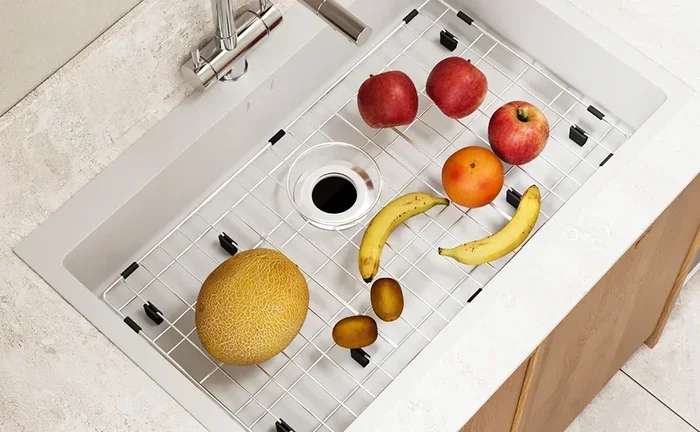
A kitchen sink protector is a simple yet essential tool that saves your sink from scratches, clogs, and daily wear. This guide covers everything homeowners need to know, from choosing the right type to installing and maintaining it properly. You will learn actionable tips that make kitchen cleanup faster, easier, and more effective.
Every homeowner knows the frustration of a scratched or clogged kitchen sink. Dishes clink against the basin. Food scraps slip down the drain. Soap scum builds up over time. These small daily problems add up fast.
A kitchen sink protector solves all of these issues and more. It is a simple device that fits inside your sink and acts as a barrier between your basin and daily use. Whether you have a stainless steel, porcelain, or composite sink, a protector keeps it looking new for years.
In this guide, we will walk you through everything you need to know. You will learn about different types of protectors, how to pick the right one, and how to get the most out of it. Let us dive in.
Key Takeaways
- Prevents scratches and damage: A sink protector shields your basin from heavy dishes, sharp utensils, and daily impact.
- Stops clogs before they start: Drain strainers catch food particles and debris, keeping your pipes clear and odor-free.
- Easy to install and clean: Most protectors fit right in and require only simple rinsing or machine washing.
- Multiple types available: Silicone mats, mesh strainers, and foam liners each offer unique benefits for different sink styles.
- Saves money long-term: Protecting your sink avoids costly repairs and replacements down the road.
- Boosts hygiene: A clean sink protector reduces bacteria buildup and keeps your kitchen sanitary.
📑 Table of Contents
- What Is a Kitchen Sink Protector and Why Do You Need One?
- Types of Kitchen Sink Protectors Available
- How to Choose the Right Kitchen Sink Protector
- Step-by-Step Guide to Installing Your Kitchen Sink Protector
- Common Mistakes Homeowners Make with Sink Protectors
- How to Clean and Maintain Your Kitchen Sink Protector
- Benefits You Might Not Know About
- Expert Insights on Sink Protection
- Final Thoughts
What Is a Kitchen Sink Protector and Why Do You Need One?
A sink protector is a mat, insert, or strainer that sits at the bottom of your kitchen sink. It cushions your dishes, catches food waste, and prevents scratches. Think of it as a shield for one of the most used parts of your kitchen.
Without a protector, every dish you wash risks scratching the surface. Heavy pots and pans can dent soft basins. Sharp knives or metal utensils leave marks that are hard to remove. Over time, these tiny damages make your sink look worn and old.
But the benefits go beyond looks. A sink guard also helps prevent clogs. It catches food particles before they go down the drain. This means fewer plumbing calls and less money spent on drain cleaning. It is a small investment that pays off big.
How a Sink Protector Works
Most kitchen sink protectors use a combination of cushioning and filtering. The soft material absorbs impact from dishes and utensils. At the same time, the surface texture or mesh layer traps debris. Water flows through easily, but solids stay behind.
Many protectors also include a raised edge or lip. This keeps the protector in place while you wash dishes. Some models even have a built-in cutting board surface or a colander section. These extra features make food prep and cleanup much more convenient.
Types of Kitchen Sink Protectors Available
Not all sink protectors are the same. Different materials and designs serve different needs. Here is a closer look at the most popular options on the market today.
Silicone Sink Mats
Silicone sink mats are the most popular choice among homeowners. They are flexible, durable, and easy to clean. The soft surface cushions dishes gently, and the non-slip backing keeps the mat from sliding around.
Silicone handles hot water well, so it works great near the faucet. It also resists mold and mildew, which is a big plus for kitchen hygiene. Most silicone mats are dishwasher safe, making cleanup a breeze.
Mesh Drain Strainers
A mesh drain strainer sits right over the drain opening. It catches food scraps and other debris while letting water flow through freely. These are perfect for preventing clogs in the first place.
Mesh strainers come in round, square, and custom shapes. You can find them in stainless steel, silicone, or plastic. They are lightweight and easy to remove for cleaning. Many homeowners use a mesh strainer alongside a sink mat for full protection.
Foam Sink Liners
Foam sink liners are lightweight and affordable. They cushion the sink bottom and help reduce noise from clanking dishes. Foam liners are great for rental homes or temporary use.
However, foam liners do not last as long as silicone or rubber options. They can tear or absorb odors over time. If you want a quick and budget-friendly solution, foam works well. For long-term protection, you may want to upgrade to a sturdier material.
Rubber Sink Protectors
Rubber sink protectors offer heavy-duty cushioning. They are thicker than foam and more durable. Rubber mats are ideal for sinks that see a lot of daily use.
They grip the sink bottom firmly and stay in place. Rubber also resists heat well, so hot pots and pans sit safely on the surface. The downside is that rubber can be heavier and harder to move around for cleaning.
How to Choose the Right Kitchen Sink Protector
With so many options available, picking the right one can feel overwhelming. Here are the key factors to consider before you buy.
Measure Your Sink Size
The first step is to measure your sink. Use a tape measure to get the length and width of the basin. Make sure the protector you choose fits snugly without overlapping the edges. A protector that is too small will shift during use. One that is too big may trap water and make the sink feel shallow.
Match the Material to Your Needs
Think about how you use your kitchen. Do you wash heavy pots daily? A silicone or rubber mat offers the best cushioning. Do you struggle with clogged drains? A mesh strainer should be your go-to. If you want a quiet kitchen, foam liners reduce noise effectively.
Also consider your sink material. Stainless steel sinks pair well with most protector types. Porcelain and composite sinks benefit from soft silicone mats that prevent chipping. Always check the product description to make sure it is compatible with your sink type.
Look for Easy Cleaning Features
A protector that is hard to clean defeats the purpose. Look for options that are dishwasher safe or easy to rinse by hand. Silicone and stainless steel models typically clean up quickly. Avoid protectors with deep grooves that trap food and bacteria.
Consider Extra Features
Some sink protectors come with extra features that add real value. Built-in cutting boards let you chop vegetables right in the sink. Colander-style protectors help you rinse fruits and vegetables without bending over. Drain stoppers with strainers let you fill the sink for washing dishes while still catching debris.
These extras are not necessary for everyone. But if they fit your cooking habits, they can make a big difference in your daily routine.
Step-by-Step Guide to Installing Your Kitchen Sink Protector
Installing a kitchen sink protector is simple. Most products require no tools and take less than a minute. Follow these steps for a perfect fit every time.
- Clean your sink thoroughly. Wash the basin with warm soapy water. Dry it completely before placing the protector. A clean surface helps the mat or strainer stay in place.
- Place the protector in the sink. Set it at the bottom of the basin. Make sure it covers the drain area if it is a mat or liner. Center it for the best fit.
- Check for movement. Run your hand across the protector to see if it shifts. A good protector should feel stable. If it slides around, try a different model with a stronger non-slip base.
- Test the drain flow. Run the faucet and check that water drains properly. A mesh strainer should allow water to pass through without pooling. A mat should not block the drain opening.
- Adjust as needed. If the protector feels off-center or interferes with the faucet, reposition it. Some models have adjustable edges or multiple size options.
That is it. Your sink guard is ready to protect your basin. Repeat this process whenever you move or replace your protector.
Common Mistakes Homeowners Make with Sink Protectors
Even with the best intentions, many people make mistakes when using sink protectors. Here are the most common ones and how to avoid them.
Skipping Regular Cleaning
A sink protector collects food particles, soap scum, and grease. If you do not clean it regularly, it can become a breeding ground for bacteria. Rinse your protector after each use. Wash it with warm soapy water at least once a week. Most silicone and stainless steel models can go in the dishwasher for a deeper clean.
Choosing the Wrong Size
One of the biggest mistakes is buying a protector without measuring first. A protector that is too small will not cover the sink properly. One that is too large can block the drain or create a tripping hazard when reaching into the sink. Always double-check your measurements before purchasing.
Ignoring Drain Maintenance
A sink protector helps catch debris, but it does not replace drain maintenance. You still need to clean your drain periodically. Remove the strainer or stopper and clear out any buildup. Pour boiling water down the drain once a week to keep things flowing smoothly.
Using a Damaged Protector
Over time, protectors can tear, crack, or lose their shape. A damaged protector does not offer the same level of protection. Inspect your protector regularly and replace it when you notice wear. A new protector costs very little compared to repairing a scratched or chipped sink.
How to Clean and Maintain Your Kitchen Sink Protector
Keeping your sink protector clean is essential for hygiene and longevity. The good news is that most protectors require very little effort to maintain.
Daily Cleaning Routine
After each use, give your protector a quick rinse under warm water. This removes loose food particles and soap residue. For silicone mats, a gentle wipe with a damp cloth is usually enough. Mesh strainers need a quick shake to dislodge trapped debris.
Deep Cleaning Once a Week
Once a week, give your protector a more thorough cleaning. Remove it from the sink and wash it with warm water and mild dish soap. For silicone and rubber protectors, you can also soak them in a solution of warm water and baking soda to remove odors.
Stainless steel mesh strainers can be scrubbed with a soft brush to clear any stubborn buildup. Avoid using harsh chemicals or abrasive sponges, as these can damage the protector material over time.
Drying and Storage
After cleaning, let your protector air dry completely before placing it back in the sink. Moisture trapped under a wet protector can lead to mold growth. If you are storing a spare protector, keep it in a dry place away from damp areas.
Benefits You Might Not Know About
Beyond the obvious scratch and clog protection, a kitchen sink protector offers several benefits that many homeowners overlook.
Noise Reduction
Washing dishes can be noisy, especially with hard surfaces like porcelain or stainless steel. A sink protector dampens the sound of clinking dishes and pots. Your kitchen stays quieter and more pleasant, especially during early morning or late evening cleanup.
Extended Sink Lifespan
Every scratch and dent shortens the life of your sink. Over time, damage accumulates and can lead to costly repairs or full replacement. A protector absorbs the impact and keeps your sink looking and functioning like new. This alone can save you hundreds of dollars in the long run.
Improved Hygiene
A clean sink protector helps maintain overall kitchen hygiene. It prevents food particles from sitting in the sink basin and going down the drain. This reduces the chances of odors, mold, and bacteria growth in and around your sink area.
Versatile Use
Many sink protectors double as cutting boards, colanders, or drying mats. This adds versatility to your kitchen without taking up extra counter space. You get more value out of a single product, which is always a smart choice for any homeowner.
Expert Insights on Sink Protection
We spoke with several kitchen maintenance experts to get their top tips for sink protection. Here is what they had to say.
Always pair a protector with proper drain care. Even the best strainer cannot prevent all buildup. Flush your drains with hot water regularly and use natural cleaners like baking soda and vinegar to keep pipes clear.
Choose quality over price. A cheap foam liner might seem like a good deal, but it will not last. Silicone and stainless steel protectors offer the best durability and performance. Investing in a quality product saves you money and hassle in the long run.
Replace your protector when it wears out. Do not wait until it falls apart. A worn-out protector does not protect as well and can actually trap more bacteria. Check your protector every few months and swap it out when needed.
Final Thoughts
A kitchen sink protector is one of the simplest and most affordable ways to keep your sink in great shape. It prevents scratches, stops clogs, reduces noise, and extends the life of your basin. With so many types available, there is a perfect protector for every kitchen and every homeowner.
Take a few minutes to measure your sink, choose the right type, and follow the care tips in this guide. Your sink will thank you for years to come. Start protecting your kitchen sink today and enjoy the difference it makes.
Small changes like this add up to big results. A little effort now saves you time, money, and headaches down the road. Happy washing!
Frequently Asked Questions
What is the best material for a kitchen sink protector?
Silicone is widely considered the best material for a kitchen sink protector. It is durable, flexible, heat-resistant, and easy to clean. Silicone mats also resist mold and mildew, making them a hygienic choice for daily use in any kitchen.
How often should I replace my kitchen sink protector?
Most kitchen sink protectors last between six months and two years, depending on the material and how often you use them. Inspect your protector regularly for tears, cracks, or loss of shape. Replace it as soon as you notice significant wear to maintain proper protection.
Can a sink protector damage my sink?
No, a properly chosen sink protector will not damage your sink. In fact, it protects the basin from scratches, dents, and stains. Make sure to select a protector that fits your sink size and material correctly for the best results.
Are kitchen sink protectors dishwasher safe?
Many silicone and stainless steel sink protectors are dishwasher safe. Check the product label or manufacturer instructions before placing it in the dishwasher. Hand washing with warm soapy water works well for most protector types too.
Can I use a sink protector with a garbage disposal?
Yes, you can use a sink protector with a garbage disposal. Choose a protector with a built-in drain opening or a removable strainer that allows access to the disposal unit. Always check that the protector does not interfere with the disposal’s operation.
How do I stop my sink protector from sliding around?
Look for a sink protector with a non-slip backing or suction cups. Silicone mats with textured bottoms grip the sink surface well. You can also place the protector over a damp sink surface to increase friction and keep it in place while washing dishes.

