
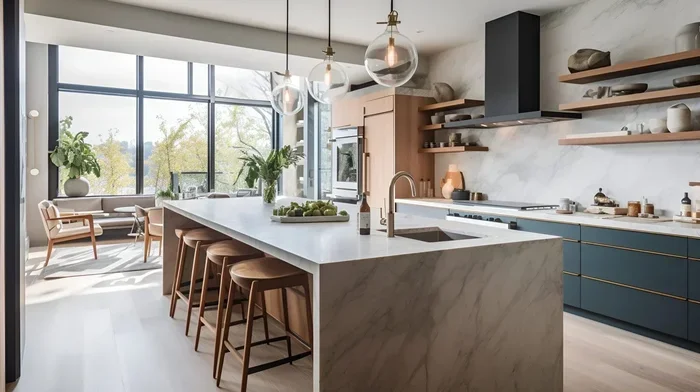
Kitchen counter design is the heart of any beautiful kitchen, shaping both its look and function. This guide covers the top materials, layout ideas, and trends to help you choose the perfect countertop materials for your home. Whether you prefer quartz, granite, or butcher block, you’ll find practical tips and inspiration inside.
Your kitchen counter is more than just a flat surface. It is where you chop vegetables, roll out dough, set your morning coffee, and gather with family. The right kitchen counter design can completely change how your kitchen feels and functions. Whether you are planning a full kitchen renovation or just updating a single surface, the choices you make matter a lot.
In this guide, we walk you through everything you need to know about kitchen counter design. We cover materials, layouts, colors, and trends. You will find practical tips, real examples, and expert insights to help you make the best choice for your home. Let us dive in and explore how to make your kitchen truly beautiful.
Key Takeaways
- Material choice matters: The right countertop materials affect durability, maintenance, and overall kitchen style.
- Layout drives function: A well-planned kitchen layout with a proper work triangle makes cooking easier and more enjoyable.
- Trends evolve: Current kitchen renovation ideas include sustainable materials, waterfall edges, and mixed textures.
- Budget-friendly options exist: You don’t need to spend a fortune. Budget kitchen counters like laminate can look stunning.
- Edge profiles add flair: The right countertop edge profiles can elevate the entire look of your kitchen.
- Color and pattern matter: Choosing the right countertop color trends ensures your kitchen stays stylish for years.
📑 Table of Contents
- Why Kitchen Counter Design Matters
- Top Kitchen Counter Materials to Consider
- Kitchen Counter Design Ideas by Style
- Kitchen Island Counter Design
- Countertop Edge Profiles and Their Impact
- Color and Pattern Trends in Kitchen Counter Design
- Budget-Friendly Kitchen Counter Design Tips
- Common Kitchen Counter Design Mistakes to Avoid
- Expert Insights on Kitchen Counter Design
- How to Maintain Your Kitchen Counter
- Conclusion
Why Kitchen Counter Design Matters
The kitchen is often called the heart of the home. And the counter is the heartbeat of that kitchen. A well-designed kitchen counter does more than look good. It supports your daily routine, adds value to your home, and sets the tone for the entire room.
Think about how much time you spend at your counter each day. You prep meals, clean up, and maybe even eat there. A thoughtful kitchen counter design makes all of those tasks easier and more pleasant. On the flip side, a poorly chosen surface can cause frustration, stains, and extra work.
Your counter also sets the style of your kitchen. It can make a small space feel open and airy, or give a large kitchen a cozy, defined feel. The material, color, and shape all play a role. That is why so many homeowners put serious thought into their kitchen counter design before starting a project.
How Your Counter Affects Kitchen Flow
The kitchen work triangle is a classic design concept. It connects the sink, stove, and fridge with an efficient path. Your counter sits at the center of this triangle. If the counter is too short, cramped, or poorly placed, the whole workflow suffers.
A good kitchen counter design gives you enough prep space between each station. It also creates natural zones for different tasks. For example, a long counter near the stove works great for setting down hot pots. A wide counter near the sink makes washing and drying easier. These small details add up to a kitchen that feels smooth and intuitive.
Top Kitchen Counter Materials to Consider
Choosing the right material is the most important decision in any kitchen counter design. Each option has its own strengths, weaknesses, and price range. Here is a closer look at the most popular choices.
Quartz Countertops
Quartz countertops are among the most popular choices today. They are engineered from natural quartz mixed with resins, which makes them extremely durable. Quartz resists scratches, stains, and heat better than almost any other material.
One of the best things about quartz is that it does not need sealing. You just wipe it clean and it stays looking great. It also comes in a huge range of colors and patterns. Whether you want a solid white look or a stone-like veined design, quartz has you covered.
For homeowners who want a low-maintenance kitchen counter design, quartz is hard to beat. It fits well in modern, traditional, and transitional kitchens alike.
Granite Countertops
Granite countertops bring natural beauty and timeless elegance to any kitchen. Each slab is unique, with its own pattern and color variations. This means your counter will look one-of-a-kind.
Granite is very hard and resistant to scratches. It also handles high heat well, so you can place a hot pan directly on the surface. However, granite does need to be sealed periodically to prevent staining from liquids like wine or oil.
If you love the look of natural stone, granite is a fantastic option. It adds a luxurious feel and can boost your home’s resale value. It is a top choice for many kitchen renovation ideas.
Butcher Block Countertops
Butcher block counters bring warmth and character to a kitchen. Made from strips of hardwood like maple or oak, they create a rich, natural look. Many home cooks love the feel of a wooden cutting surface right in the kitchen.
Butcher block requires more care than stone. You need to oil it regularly to keep it from drying out or cracking. It can also stain from things like tomato juice or turmeric. But with proper maintenance, a butcher block counter can last for decades.
This material works beautifully in rustic, farmhouse, and Scandinavian-style kitchens. It adds a cozy, inviting feel that few other materials can match.
Laminate Countertops
Laminate countertops are the budget-friendly hero of kitchen counter design. They are made from layers of plastic and resin bonded to a particleboard core. The result is a surface that looks great and costs much less than natural stone.
Modern laminate comes in a wide variety of colors and patterns. You can find options that mimic granite, marble, or even concrete. Some high-quality laminates are surprisingly durable and resist scratches and stains well.
The main downside is that laminate can chip at the edges over time. It is also not heat-resistant, so you should always use a trivet. But for a stylish budget kitchen counter solution, laminate is an excellent choice.
Concrete Kitchen Counters
Concrete kitchen counters are a bold and modern choice. They have an industrial, minimalist look that appeals to many homeowners. Concrete can be poured into any shape, which means you can create custom designs with integrated sinks or unique edge profiles.
Concrete is very strong and durable. It handles heat well and can be stained or sealed in many colors. The downside is that it is heavy, which may require extra support in your cabinets. It also needs to be sealed regularly to prevent staining.
If you want a truly unique kitchen counter design, concrete is worth considering. It is perfect for minimalist and contemporary kitchens.
Kitchen Counter Design Ideas by Style
Your kitchen style should guide your counter choice. Different aesthetics call for different materials, colors, and shapes. Here are some ideas to match popular kitchen styles.
Modern Minimalist Kitchen Counter Design
Modern kitchens love clean lines and simple surfaces. For this style, choose a solid-color quartz countertop in white, gray, or black. A waterfall edge, where the counter wraps down the sides of an island, adds a sleek, seamless look.
Keep the design simple. Avoid busy patterns or ornate edges. A flat, flush surface with minimal hardware creates that calm, uncluttered feel. Pair your counter with handleless cabinets and a simple kitchen backsplash for a truly modern look.
Farmhouse Kitchen Counter Design
Farmhouse style thrives on warmth and texture. Butcher block counters are a classic choice here. Pair them with a white or light wood cabinet and a subway tile kitchen backsplash for a cozy, inviting space.
You can also mix materials. For example, use butcher block on the prep area and stone on the cooking zone. This creates visual interest while keeping the farmhouse feel. Add open shelving and a wooden shelf above the counter to complete the look.
Rustic Kitchen Counter Design
Rustic kitchens celebrate natural materials and imperfections. Granite countertops with visible veining and natural textures work beautifully. Reclaimed wood counters are another great option for a truly rustic feel.
Choose edge profiles that are simple and sturdy. A bullnose or eased edge fits the rustic aesthetic well. Pair your counter with exposed beams, a stone fireplace, and vintage-style cabinet hardware for a cohesive look.
Contemporary Kitchen Counter Design
Contemporary kitchens blend modern and traditional elements. For this style, consider concrete kitchen counters or a bold-colored quartz. A monolith counter, where the surface extends from the wall to the floor, creates a dramatic statement.
Play with contrast. A dark counter against light cabinets, or vice versa, adds depth and visual interest. Pair your counter with a statement light fixture and minimalist cabinet hardware for a polished contemporary look.
Kitchen Island Counter Design
A kitchen island is often the centerpiece of the room, and its counter deserves special attention. The island counter should complement the rest of the kitchen while standing out on its own.
Choosing the Right Material for Your Island
Many homeowners choose a different material for the island than the surrounding counters. This creates a focal point and adds visual interest. For example, you might use a quartz countertop on the main counters and a butcher block on the island.
This mix-and-match approach works well in many styles. It gives you a durable surface for cooking and a warm, cutting-friendly surface for prep work. Just make sure the two materials complement each other in color and texture.
Waterfall Island Counter Design
The waterfall edge is one of the most popular kitchen counter design trends for islands. The counter material wraps down the sides of the island, creating a smooth, continuous flow. This looks especially stunning with quartz countertops or marble kitchen counters.
A waterfall island adds a sense of luxury and sophistication. It also provides extra seating surface, which is great for casual dining or socializing while you cook. If you have the budget, a waterfall edge is a beautiful upgrade.
Countertop Edge Profiles and Their Impact
The edge profile of your counter may seem like a small detail, but it can significantly affect the overall look. Different edges suit different styles and materials.
Common Edge Profile Options
Here are some popular countertop edge profiles to consider:
- Square Edge: A clean, sharp look that suits modern kitchens. It is simple and understated.
- Bullnose Edge: A rounded edge that adds softness and a classic feel. It works well in traditional kitchens.
- Eased Edge: A slightly rounded top edge that is comfortable to touch. It is a versatile choice for many styles.
- Ogee Edge: An S-shaped profile that adds a decorative, elegant touch. It suits traditional and transitional kitchens.
- Waterfall Edge: The counter wraps down the sides, creating a seamless look. It is perfect for island designs.
Your edge profile should match your material and style. For example, a waterfall edge looks best with a single slab of stone or quartz. A simple square edge works with almost any material and keeps the focus on the surface itself.
Color and Pattern Trends in Kitchen Counter Design
The color of your counter affects the entire mood of the kitchen. Trends in countertop color trends come and go, but some choices stand the test of time.
Trending Colors for 2024 and Beyond
Right now, light and neutral tones are very popular. Soft whites, warm grays, and light beiges make kitchens feel bright and spacious. These colors also pair well with almost any cabinet style and color.
For a bolder look, consider dark counters in charcoal, deep blue, or black. Dark counters create a dramatic, high-contrast effect, especially in kitchens with light cabinets and plenty of natural light.
Patterned counters are also trending. Quartz countertops with subtle veining or speckled patterns add visual interest without being overwhelming. The key is to keep the rest of the kitchen fairly simple so the counter can shine.
How to Choose the Right Color
Start by looking at your cabinets and flooring. Your counter should complement these elements, not compete with them. If your cabinets are busy or dark, a lighter counter can balance the room. If your cabinets are light and simple, a patterned or darker counter can add personality.
Also consider your kitchen’s lighting. Natural light brings out the true color of your counter. If your kitchen is on the darker side, choose a lighter material to keep the space feeling open and airy.
Budget-Friendly Kitchen Counter Design Tips
You do not need to spend a fortune to achieve a beautiful kitchen counter design. With smart choices, you can get a stunning result on a budget.
Affordable Material Options
Laminate countertops are the most budget-friendly option. High-quality laminates now look very realistic and can mimic the appearance of stone or wood. They are easy to install and come in many colors and patterns.
Another affordable choice is solid surface material. Brands like Corian offer seamless joints and a smooth, clean look. While not as cheap as laminate, solid surface is more affordable than natural stone and still looks premium.
Ways to Save Money on Your Counter Project
Here are some practical tips to keep your budget kitchen counter project on track:
- Choose standard sizes: Custom cuts cost more. Standard slab sizes are more affordable and still offer plenty of design options.
- Skip the waterfall edge: Waterfall edges require extra material and labor. A standard edge profile saves money without sacrificing style.
- Consider remnant pieces: Many stone suppliers sell remnant pieces at a discount. These can work perfectly for smaller kitchens or secondary counters.
- Keep the shape simple: Straight lines and simple shapes cost less to fabricate than curved or intricate designs.
- Do your own demo: If you are replacing old counters, removing the old surface yourself can save on labor costs.
Common Kitchen Counter Design Mistakes to Avoid
Even the best-planned kitchen counter design can run into problems if you overlook these common mistakes.
Choosing Style Over Function
It is easy to fall in love with a beautiful material and forget about how it will actually perform. Marble looks stunning, but it stains easily and requires regular sealing. A polished surface looks sleek, but it shows fingerprints and water spots.
Always think about your daily routine. If you cook often and make a mess, choose a durable, easy-to-clean material. If you have young children, avoid surfaces that chip or scratch easily. Function should always come first.
Ignoring Edge Profiles
The edge profile affects both the look and the safety of your counter. A sharp, square edge can be uncomfortable to lean on. A very ornate edge can trap dirt and grease in the curves.
Choose an edge that matches your style but also feels comfortable and is easy to clean. The eased edge and the square edge are the most practical choices for most kitchens.
Underestimating Maintenance Needs
Every material has different maintenance requirements. Natural stone needs sealing. Wood needs oiling. Some surfaces are sensitive to certain cleaners.
Before you choose a material, learn about its care requirements. Make sure you are willing to put in the effort. If you want a truly low-maintenance kitchen counter design, quartz is one of the best options available.
Expert Insights on Kitchen Counter Design
We spoke with several kitchen designers and contractors to get their top tips for a successful kitchen counter design project.
Sarah Mitchell, a kitchen designer with over 15 years of experience, says, “The biggest mistake I see is people choosing a counter based only on a picture. They do not consider how it will feel in their actual kitchen. Always look at samples in your own space, under your own lighting, before making a final decision.”
James Rivera, a general contractor specializing in kitchen remodels, adds, “I always recommend investing in a good quality quartz countertop or granite countertops if the budget allows. These materials last for decades and hold their value. But there are also great options at every price point. The key is to find the right balance of beauty, durability, and cost for your specific needs.”
Emily Chen, a sustainable design consultant, suggests, “More homeowners are asking about eco-friendly materials. Recycled glass counters and sustainably sourced wood are gaining popularity. These options look beautiful and are better for the planet. They are a great choice if sustainability matters to you.”
How to Maintain Your Kitchen Counter
Once you have chosen the perfect kitchen counter design, proper maintenance will keep it looking great for years. Here are some basic care tips for the most popular materials.
Quartz Care
Quartz is very low maintenance. Simply wipe it with a damp cloth and mild soap. Avoid abrasive cleaners that can dull the surface. Quartz does not need sealing, which makes it one of the easiest materials to care for.
Granite Care
Granite should be sealed when you first install it and then every one to two years after that. Use a pH-neutral cleaner and avoid acidic substances like lemon juice or vinegar, which can etch the surface. Wipe up spills quickly, especially from wine, coffee, and oil.
Butcher Block Care
Oil your butcher block counter every few months with food-grade mineral oil. This keeps the wood hydrated and prevents cracking. Sand out any rough spots or stains with fine-grit sandpaper, then re-oil the surface. Always dry the counter after washing to prevent water damage.
Laminate Care
Laminate is easy to clean with a soft cloth and mild detergent. Avoid abrasive pads and harsh chemicals that can damage the surface. Use a cutting board to prevent scratches, and always use a trivet for hot items.
Concrete Care
Seal your concrete counter every year to protect it from stains and moisture. Use a concrete-safe cleaner and avoid acidic products. If the surface gets scratched, it can often be sanded and resealed to look like new.
Conclusion
The right kitchen counter design can transform your entire kitchen. It affects the look, the feel, and the daily function of the space. Whether you choose quartz countertops, granite countertops, butcher block counters, or a more budget-friendly option, the key is to find a material and style that fits your needs and your home.
Consider your lifestyle, your budget, and your personal taste. Think about maintenance, durability, and how the counter fits into your kitchen layout. Use the tips and ideas in this guide to make a confident, informed choice.
Your kitchen counter is a long-term investment. With the right kitchen counter design, you will enjoy a beautiful, functional space for years to come. Start planning today, and turn your kitchen into the heart of your home.
Frequently Asked Questions
What is the most popular kitchen counter material?
Quartz countertops are currently the most popular choice. They are durable, low-maintenance, and come in a wide range of colors and patterns. Many homeowners choose quartz for its combination of beauty and practicality in kitchen counter design.
How much does a kitchen counter cost?
The cost varies widely depending on the material and size. Laminate countertops are the most affordable, typically ranging from $20 to $50 per square foot. Granite countertops and quartz countertops usually cost between $40 and $100 per square foot. Custom materials like concrete or marble can be more expensive. Always get multiple quotes for your kitchen renovation project.
Which kitchen counter material is easiest to maintain?
Quartz is the easiest material to maintain. It does not need sealing, resists stains and scratches, and cleans up with just soap and water. If you want a truly low-maintenance kitchen counter design, quartz is the top choice.
Can I mix different counter materials in my kitchen?
Yes! Mixing materials is a great way to add visual interest and function. A common approach is to use a durable stone on the main counters and a warmer material like butcher block on the island. This creates zones and adds texture to your kitchen counter design.
What is a waterfall edge in kitchen counter design?
A waterfall edge is when the counter material wraps down the sides of an island or peninsula, creating a seamless, continuous look. It is one of the most popular countertop edge profiles and adds a luxurious, modern feel to any kitchen.
How do I choose the right color for my kitchen counter?
Start by looking at your cabinets and flooring. Choose a counter color that complements these elements. Light counters make small kitchens feel open, while dark counters add drama and contrast. Always view samples in your own kitchen under your actual lighting before deciding.
=== META TITLE ===
Kitchen Counter Design Ideas for a Beautiful Kitchen
=== URL SLUG ===
/kitchen-counter-design-ideas

