
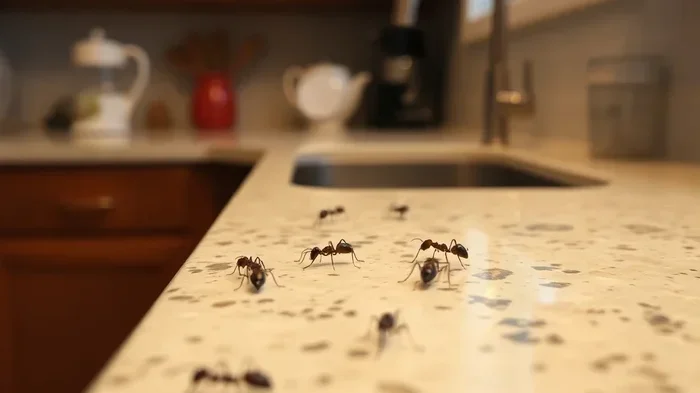
Very small ant like bugs in kitchen spaces are a common frustration for homeowners. These tiny invaders can include sugar ants, phorid flies, drain flies, and even cockroach nymphs that look remarkably like ants. The good news is that you can identify and eliminate them using simple, proven methods right at home.
You are wiping down your kitchen counter and suddenly you spot them. Tiny bugs. They look like ants. But something feels off about their size or their behavior. These very small ant like bugs in kitchen spaces show up uninvited and can turn a calm cooking session into a full-blown panic moment. If you have ever wondered what those little crawling creatures really are and how to make them disappear, you are in the right place. This guide walks you through every step from identification to elimination and everything in between. Let us get those pests under control once and for all.
Kitchens are warm, moist, and full of food. That makes them the perfect playground for all kinds of tiny insects. Some of these bugs are harmless nuisances. Others can signal bigger problems hiding in your walls or pipes. The key is to stay calm, identify what you are dealing with, and take smart action. You do not need expensive exterminators for most small kitchen bug problems. A little knowledge and some simple tools go a long way. Let us dive in and figure out exactly what is crawling around in your kitchen.
Key Takeaways
- Correct identification is everything: Not every tiny bug in your kitchen is an ant. Knowing the species changes your approach entirely.
- Cleanliness is your first line of defense: Food crumbs, standing water, and clutter attract these pests faster than you think.
- Natural remedies work surprisingly well: Vinegar, baking soda, and essential oils can tackle most minor infestations without chemicals.
- Prevention beats treatment every time: Simple habits like sealing food and fixing leaks stop bugs before they start.
- Know when to call a pro: Persistent or large-scale infestations need professional intervention to avoid costly damage.
- Kitchen hygiene ties directly to pest control: Storing food properly and cleaning up spills quickly removes the reasons bugs visit in the first place.
📑 Table of Contents
- What Are Those Very Small Ant Like Bugs in Your Kitchen?
- Common Types of Very Small Ant Like Bugs Found in Kitchens
- Why Your Kitchen Attracts Very Small Ant Like Bugs
- How to Get Rid of Very Small Ant Like Bugs in Kitchen Spaces
- Preventing Future Infestations of Very Small Ant Like Bugs
- When to Call a Professional for Very Small Ant Like Bugs in Kitchen
- Key Takeaways
What Are Those Very Small Ant Like Bugs in Your Kitchen?
When people say they have tiny ant like bugs in the kitchen, they are usually describing one of several common pests. These creatures share a similar size and shape with ants but belong to different insect families. Understanding what you are looking at is the very first step toward solving the problem. Many homeowners mistake one type of bug for another, which leads to the wrong treatment approach. Let us break down the most likely culprits so you can pinpoint the enemy.
Sugar Ants vs. Look-Alike Pests
True sugar ants are small, usually light brown or black, and they love sweet foods. They march in lines and follow scent trails left by scout ants. But several other insects mimic their appearance. Phorid flies, sometimes called humpbacked flies, are tiny and dark. They scuttle across surfaces instead of flying smoothly like regular flies. Drain flies are another common look-alike. They have fuzzy bodies and moth-like wings but are barely visible to the naked eye. Fruit flies hover near ripe produce and are tan or brown with red eyes. Each of these pests needs a slightly different strategy to eliminate them effectively.
Other Bugs That Resemble Tiny Ants
Beyond flies, several other insects can fool you into thinking you have ants. Cockroach nymphs are young cockroaches that are small, flat, and brown. They move quickly and hide in dark cracks. Silverfish are slender, silvery, and wedge-shaped. They love damp areas like under the sink. Carpet beetle larvae are tiny and hairy, often found near stored food or fabrics. Termite swarmers can also appear ant-like, especially during spring. They have two sets of equal-sized wings, unlike ants, which have differently sized wings. Each of these bugs signals a different underlying issue, so correct insect identification matters a lot.
Common Types of Very Small Ant Like Bugs Found in Kitchens
Not all tiny kitchen bugs are the same. Different species come from different sources and require different treatments. Below is a quick comparison of the most common pests that homeowners confuse with ants.
| Bug Type | Size | Color | Attracted To | Danger Level |
|---|---|---|---|---|
| Sugar Ants | 1-3 mm | Brown or black | Sweets, crumbs | Low |
| Phorid Flies | 2-3 mm | Dark brown/black | Decaying organic matter | Low |
| Drain Flies | 2-5 mm | Gray/black | Standing water, drains | Low |
| Fruit Flies | 3-4 mm | Tan/brown | Ripe or rotting fruit | Low |
| Cockroach Nymphs | 2-10 mm | Brown | Food scraps, grease | Medium |
| Silverfish | 12-19 mm | Silver/gray | Damp areas, paper | Low |
| Carpet Beetles | 2-5 mm | Varied patterns | Stored food, fabrics | Low |
| Termite Swarmers | 4-7 mm | Black/brown | Moist wood | High |
As you can see, the tiny kitchen bugs range from harmless nuisances to serious structural threats. Termite swarmers, for example, can cause thousands of dollars in damage if ignored. Even cockroach nymphs signal a growing population that needs prompt attention. The table above gives you a solid starting point, but observing the bugs behavior is just as important as looking at their appearance.
How to Tell Them Apart
Watch how the bugs move. Ants walk in organized trails. Fruit flies hover and dart quickly. Phorid flies run across surfaces in a jerky pattern. Cockroach nymphs scatter into dark corners when exposed. Silverfish move in a fish-like wiggling motion. These behavioral differences are your best clues for bug identification in the field. Spend a few minutes observing before you decide on a treatment plan.
Why Your Kitchen Attracts Very Small Ant Like Bugs
Bugs do not show up by accident. They come because your kitchen offers something they need. Understanding what attracts them helps you remove the reasons they keep coming back. Every kitchen has some combination of these attractants. The trick is finding yours and addressing them directly.
Food Sources That Draw Tiny Pests
Crumbs on the counter, unwashed dishes in the sink, and open food containers all scream welcome to tiny invaders. Sugar ants specifically hunt for anything sweet, including spilled juice, syrup, or even fruit sitting out. Pantry pests like weevils and grain beetles target dry goods such as flour, rice, and cereal. Even the residue inside your trash can attract a surprising number of bugs. One forgotten apple under the stove can become a fruit fly factory within days.
Here are the most common food attractants found in kitchens:
- Open or poorly sealed food packages
- Crumbs and spills on counters and floors
- Overripe or rotting fruits on the counter
- Uncleaned pet food bowls
- Spills behind appliances like toasters and microwaves
- Dried food residue inside canisters and jars
- Grease buildup around the stove and range hood
Moisture and Water Sources
Many tiny bugs need water to survive. A dripping faucet, a leaky pipe under the sink, or even excess humidity can draw pests into your kitchen. Drain flies breed in the organic buildup inside pipes. Silverfish thrive in damp, humid environments. Standing water in a sink full of dishes or a clogged drain creates the perfect breeding ground. Fixing moisture problems often reduces pest activity dramatically, sometimes more than any spray or trap ever could.
Entry Points and Harborage Areas
Bugs enter through cracks, gaps, and openings you might not even notice. Damaged window screens, gaps around doors, and openings where pipes enter the wall all serve as highways for tiny invaders. Once inside, they hide in wall voids, under cabinets, behind appliances, and inside clutter. A messy pantry or a stack of old cardboard boxes gives them perfect hiding spots. Sealing entry points and reducing clutter removes their safe spaces and makes your kitchen far less inviting.
How to Get Rid of Very Small Ant Like Bugs in Kitchen Spaces
Now that you know what you are dealing with and why they are there, it is time to take action. The approach depends on the type of bug and the severity of the problem. Most infestations respond well to a combination of cleanliness, natural remedies, and targeted treatments. Here is a step-by-step plan that works for the majority of kitchen bug problems.
Step 1: Deep Clean the Kitchen
Before you use any product, start with a thorough cleaning. This alone eliminates many of the reasons bugs visit. Remove all items from your counters and wipe every surface with warm soapy water. Sweep and mop the floors, paying special attention to corners and edges. Move appliances like the refrigerator, stove, and toaster to clean behind and underneath them. Take out the trash and replace the bag. Wash all dishes and put them away. A clean kitchen removes the food and water sources that bugs depend on.
Step 2: Use Natural Remedies First
For mild infestations, natural methods are safe, affordable, and effective. Here are the best options to try:
- Vinegar solution: Mix equal parts white vinegar and water in a spray bottle. Spray on counters, around entry points, and along ant trails. The strong smell disrupts their scent trails.
- Baking soda and sugar: Mix equal parts and place small bowls near problem areas. The sugar attracts the bugs and the baking soda kills them after ingestion.
- Essential oils: Peppermint, tea tree, and clove oils repel many types of tiny insects. Add 10-15 drops to a spray bottle of water and apply around windows and doors.
- Diatomaceous earth: This natural powder damages the exoskeleton of insects, causing them to dehydrate and die. Sprinkle a thin layer near entry points and under appliances.
These remedies work gradually but are safe for homes with children and pets. Consistency matters more than intensity. Apply these solutions daily for at least one week to see real results.
Step 3: Use Targeted Traps and Baits
If natural methods do not fully solve the problem, commercial products can help. Ant bait stations work well for sugar ants and other species that follow trails. The ants carry the bait back to their colony, which kills the queen and the entire nest. Sticky traps catch phorid flies, drain flies, and fruit flies quickly. Place them near drains, trash cans, and fruit bowls. Gel baits work for cockroach nymphs and can be applied in cracks and crevices where these pests hide.
Step 4: Address the Root Cause
Killing visible bugs is only half the battle. You must also remove the conditions that attracted them in the first place. Seal all food in airtight containers. Fix leaky faucets and pipes promptly. Clean drains regularly with boiling water and baking soda. Install or repair window screens. Declutter pantry shelves and dispose of expired products. These preventive steps ensure the problem does not return after your initial treatment.
Quick Tips for Faster Results
Here are some extra tips that speed up the process and boost your success rate:
- Wipe down counters every night before bed to remove food residue.
- Store fruit in the refrigerator instead of on the counter during infestations.
- Take out the kitchen trash every evening.
- Wash pet bowls daily and store pet food in sealed containers.
- Use a flashlight to inspect dark areas under cabinets and behind appliances weekly.
- Keep a small bowl of vinegar near the sink to deter drain flies.
- Check your pantry weekly for signs of pantry moths or weevils.
Common Mistakes People Make When Fighting Kitchen Bugs
Many homeowners make errors that either worsen the problem or waste their time. Avoid these pitfalls to get better results faster.
- Only spraying visible bugs: This kills a few individuals but does nothing to address the colony or the root cause. Always target the source.
- Ignoring the problem early: A few tiny bugs today can become a full infestation within weeks. Act at the first sign of trouble.
- Using the wrong product: Spraying ant spray on fruit flies does nothing. Identify the bug first, then choose the right treatment.
- Leaving standing water: Even a small puddle under the sink attracts moisture-loving bugs like silverfish and drain flies.
- Overlooking hidden food sources: Crumbs inside the toaster, spilled syrup under the stove, and expired food in the back of the pantry all feed pests.
- Neglecting kitchen organization: Cluttered counters and overflowing pantries create perfect hiding spots for bugs to breed undisturbed.
Preventing Future Infestations of Very Small Ant Like Bugs
Getting rid of bugs is one thing. Keeping them away is another challenge entirely. Prevention is the most cost-effective and long-lasting strategy. Once you have eliminated the current problem, build these habits into your daily routine to protect your kitchen going forward.
Daily Habits That Keep Bugs Away
Small actions repeated consistently create a powerful barrier against pests. Wipe your counters after every meal preparation. Never leave dirty dishes overnight. Sweep the kitchen floor before bedtime. Put all food away immediately after cooking. These five minutes of effort each night make a huge difference over time. Think of them as a non-negotiable part of your evening routine.
Weekly Maintenance Tasks
Set aside time once a week for deeper kitchen maintenance. Clean out the refrigerator and check for expired or spoiled food. Scrub the sink and drain with baking soda and vinegar. Inspect the area under the stove and refrigerator for hidden crumbs or spills. Check all food storage containers for gaps or cracks. Examine window screens for tears or holes. These weekly tasks catch small problems before they grow into big ones.
Seasonal Prevention Tips
Bug activity changes with the seasons. In warmer months, ants and flies become more aggressive in searching for food. In cooler months, roaches and silverfish seek warmth and moisture indoors. Adjust your prevention strategy accordingly. During summer, focus on sealing outdoor entry points and keeping fruit refrigerated. In winter, prioritize moisture control and indoor warmth management. A seasonal approach keeps you ahead of pest activity all year long.
When to Call a Professional for Very Small Ant Like Bugs in Kitchen
Most kitchen bug problems can be solved with DIY methods. But some situations require professional help. Knowing when to call an expert saves you time, money, and frustration. Do not hesitate to reach out if you notice any of the following warning signs.
Signs You Need Professional Help
- The infestation returns within days of your treatment efforts.
- You spot bugs during the daytime in large numbers, which often signals a severe problem.
- You find bugs in multiple rooms, not just the kitchen.
- You see droppings, egg casings, or shed skins that indicate a growing colony.
- You notice damage to wooden structures, which could mean termites.
- You have a compromised immune system or young children and want to avoid chemical exposure.
Professional exterminators have access to tools and treatments that are not available to consumers. They can also identify hidden nests and entry points that are difficult to find on your own. A single professional visit can sometimes solve a problem that has been lingering for months. It is a worthwhile investment when the situation feels beyond your control.
Expert Insight: The Bigger Picture
According to pest control professionals, most kitchen infestations are preventable. The real issue is not the bugs themselves but the conditions that allow them to thrive. Household pests are opportunistic creatures. They follow food, water, and shelter. Remove those three elements and you remove the problem at its foundation. Consistent maintenance and awareness are far more powerful than any single treatment product. Keep your kitchen clean, dry, and sealed, and most bugs simply will not stick around.
Remember that a clean kitchen also supports healthy eating habits. When you keep your counters clear of food debris and your pantry organized, you create an environment that is less hospitable to pests and more enjoyable to cook in. Simple practices like storing leftovers in proper containers and washing produce immediately after bringing it home from the store make a noticeable difference. For more ideas on keeping your kitchen fresh and organized, you might enjoy trying a Greek Salad In A Jar for meal prep, or exploring recipes like Eggs In Purgatory that keep your pantry stocked in ways that discourage pests from lingering around food storage areas.
Key Takeaways
Very small ant like bugs in kitchen spaces are a widespread issue that most homeowners face at some point. The good news is that with the right approach, you can eliminate them and prevent their return. Start by identifying the bug correctly, since different species require different treatments. Remove the attractants like food crumbs, standing water, and clutter that draw them in. Use natural remedies and targeted products to treat the infestation. Build daily and weekly habits that keep your kitchen clean and uninviting to pests. Know when a professional is needed for stubborn or large-scale problems. With patience and consistency, your kitchen can be bug-free and welcoming again.
Frequently Asked Questions
What are the tiny ant like bugs in my kitchen?
They are most likely one of several common pests including sugar ants, phorid flies, drain flies, fruit flies, or cockroach nymphs. Each type looks slightly different and requires a specific treatment approach. Correct insect identification is the first step to solving the problem effectively.
How do I get rid of very small ant like bugs in kitchen areas?
Start with a deep clean to remove food and water sources. Then use natural remedies like vinegar spray, baking soda and sugar mixtures, or essential oils. For stubborn infestations, add targeted bait stations or sticky traps. Consistency and addressing the root cause are what make treatments actually work long term.
Are tiny kitchen bugs dangerous?
Most are harmless nuisances that contaminate food but do not pose serious health risks. However, cockroach nymphs can trigger allergies and asthma. Termite swarmers can cause structural damage over time. It is always best to identify and address any infestation promptly, regardless of the bug type.
Why do I keep finding tiny bugs even after cleaning?
Bugs often return because you have not addressed the root attractant. There may be a hidden food source, a leaky pipe creating moisture, or an entry point like a cracked window screen. Also, some bugs breed inside walls or drains where you cannot see them. A thorough inspection of hidden areas usually reveals the real cause.
Can I use bug spray safely in a kitchen?
It is best to avoid chemical sprays in food preparation areas. They can leave residues on surfaces and in food. Stick to natural remedies, bait stations placed away from food, and non-toxic options like diatomaceous earth. If you must use chemicals, choose food-safe products and follow the label instructions carefully.
How long does it take to eliminate a kitchen bug infestation?
Mild infestations often clear up within one to two weeks of consistent treatment. Moderate problems may take three to four weeks. Severe infestations, especially involving cockroaches or termites, can take months and may require professional intervention. Patience and persistence are key to lasting results.
=== CONCLUSION ===
Dealing with very small ant like bugs in kitchen spaces is frustrating but absolutely manageable. You now have the knowledge to identify the most common culprits, understand why they come, and take effective action to remove them. From deep cleaning and natural remedies to professional help when needed, you have a full toolkit at your disposal. The most important step is simply to start. Pick one tip from this guide and apply it today. Small consistent actions create big results over time. Your kitchen deserves to be a clean, welcoming space free from unwanted pests. Trust the process, stay consistent, and enjoy a bug-free home.

